Overview
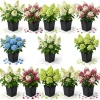
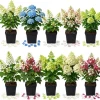
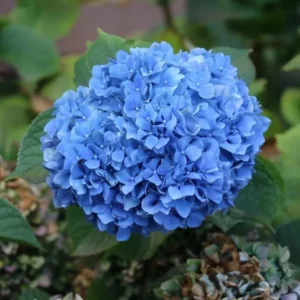
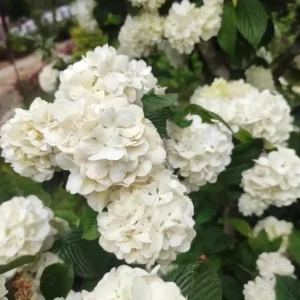
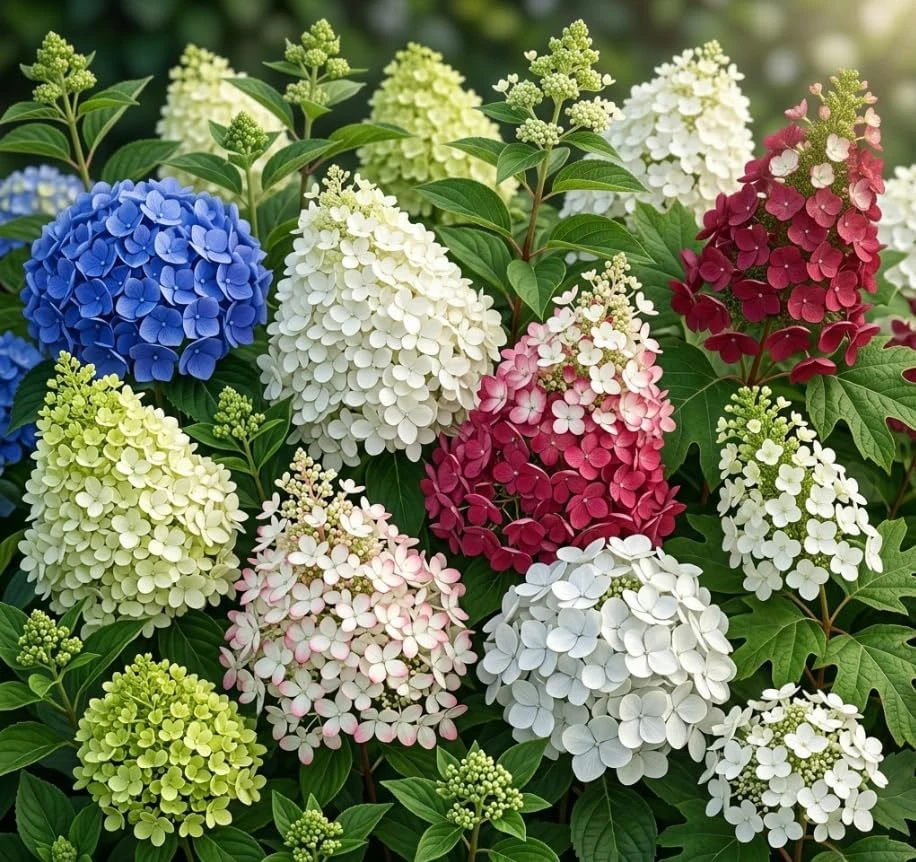
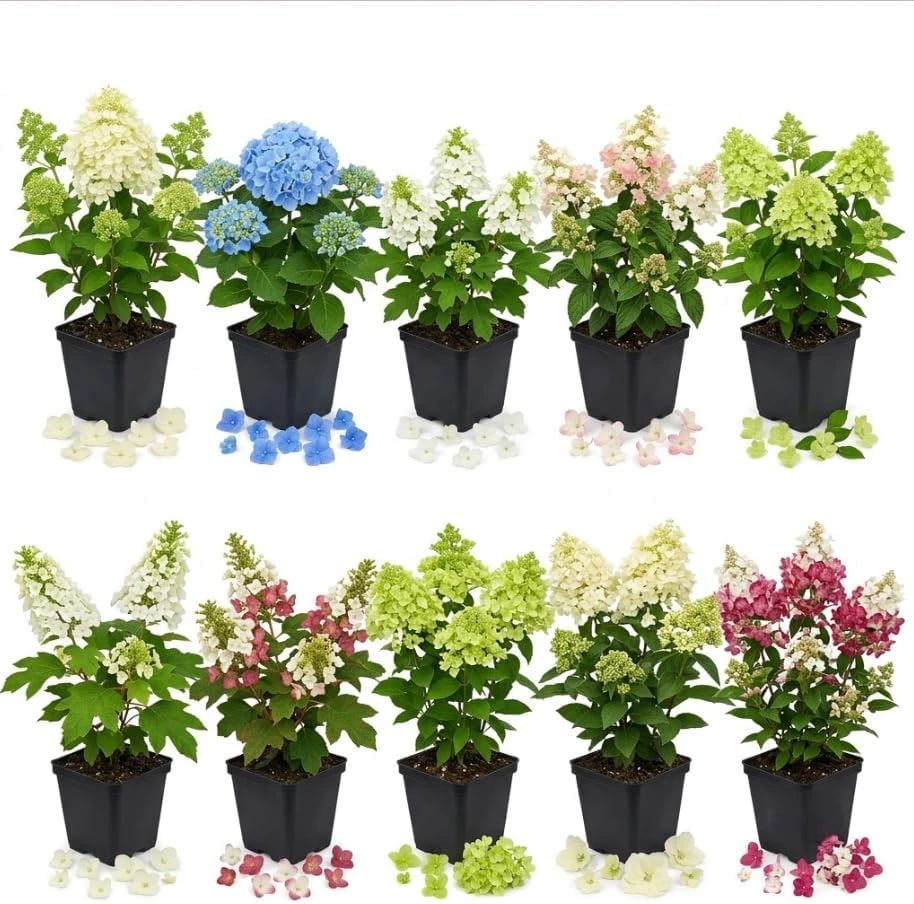
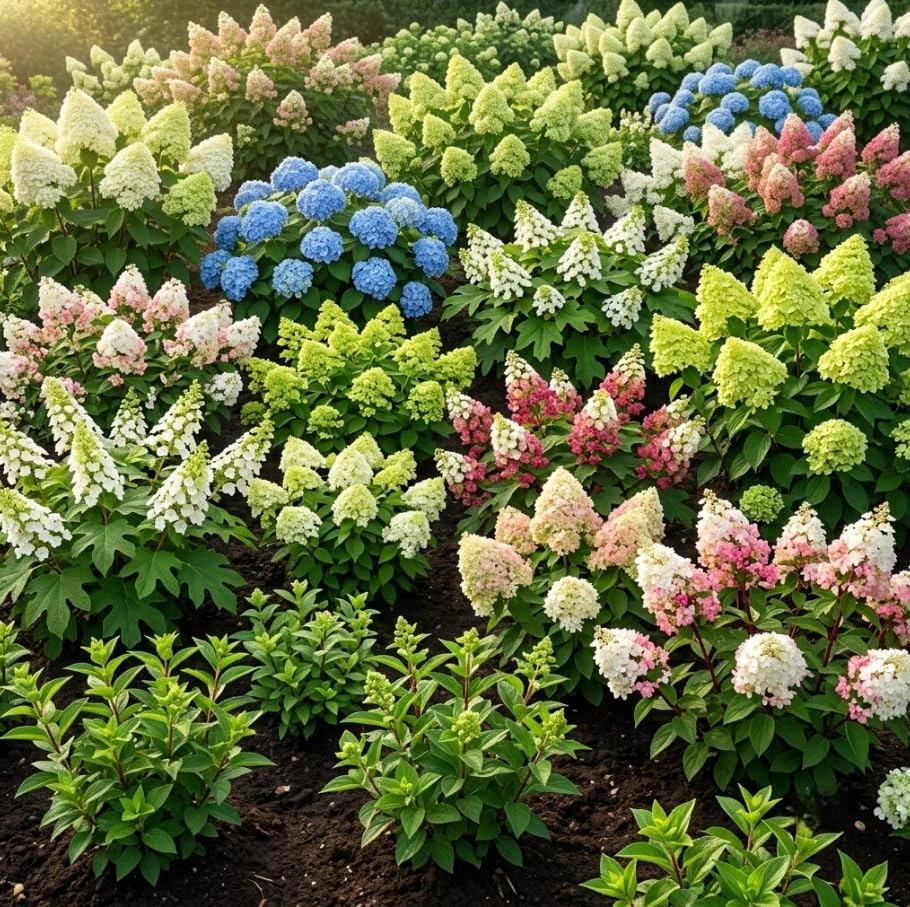
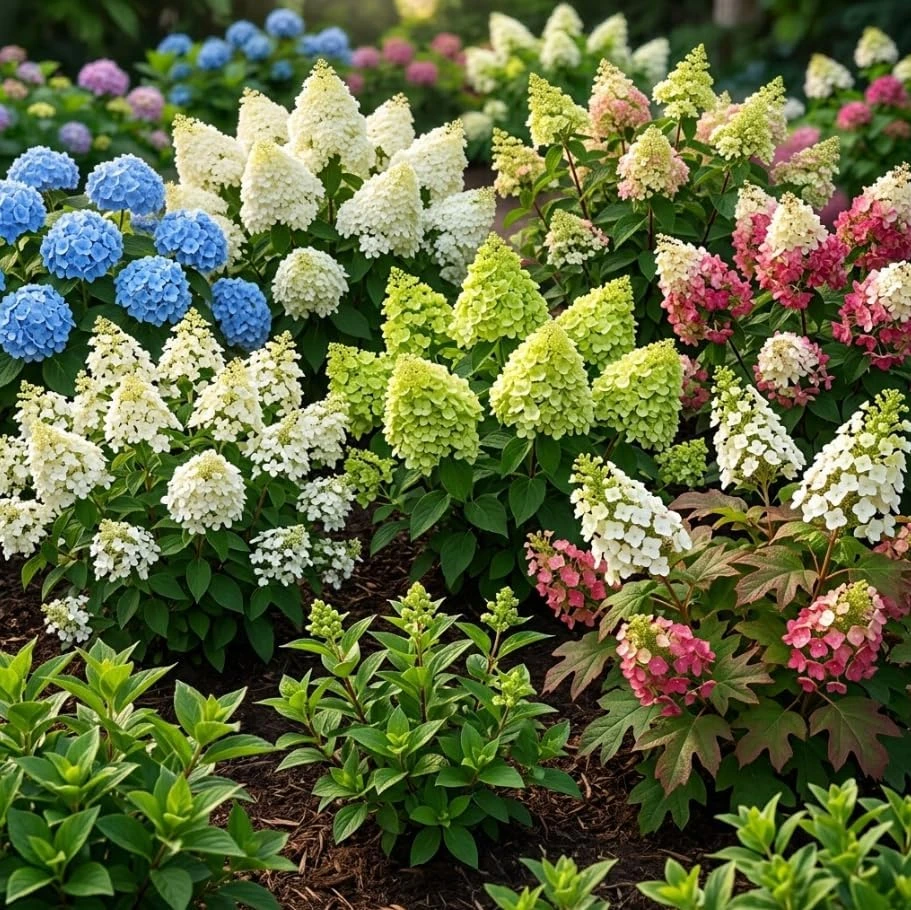
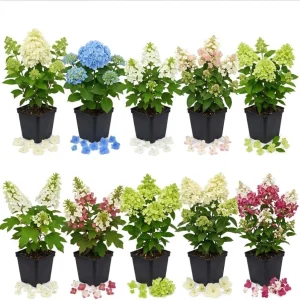
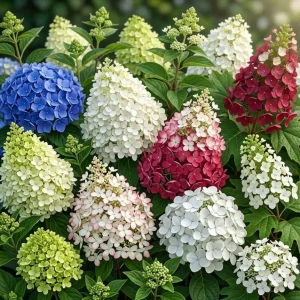
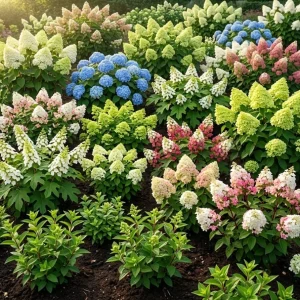
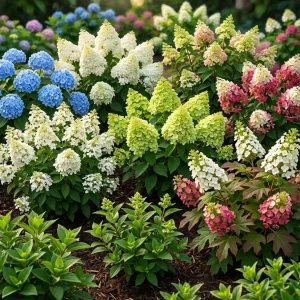
Transform your garden into a vibrant oasis with our exquisite selection of hydrangea live plants. This special assortment brings you 3 healthy, actively growing Hydrangea plants, each standing 6-12 inches tall and nestled in a 4-inch nursery pot. You’ll receive a random mix of popular and stunning varieties, which may include Silver Dollar, Blue, Munchkin Oakleaf, Little Quick Fire, Little Lime, Oakleaf, Ruby Slippers Oakleaf, Limelight, Phantom, and other beautiful Hydrangea types. While duplicate varieties may occur depending on seasonal availability, each plant promises to deliver abundant, eye-catching blooms that are sure to be a focal point in any landscape. These robust assorted hydrangea plants are ideal for creating dynamic garden displays, adding texture and color to your outdoor spaces. They are known for their spectacular flowers that can range in color depending on the variety and soil pH, making each plant a delightful surprise.
Hydrangeas are beloved for their lush foliage and impressive floral displays, making them a staple in cottage gardens, formal landscapes, and casual backyard settings alike. These deciduous shrubs offer a long season of interest, with many varieties blooming from summer into fall. Our hydrangea live plants are carefully selected to ensure you receive strong, vigorous specimens ready to thrive in your garden. Whether you’re a seasoned gardener or just starting, these easy-to-grow shrubs provide exceptional beauty with relatively little fuss. Prepare to enjoy the spectacular transformation these plants will bring to your outdoor living areas, creating a truly memorable garden experience.
Key Benefits
Our hydrangea live plants offer numerous advantages, making them a fantastic addition to any garden. These versatile shrubs provide continuous beauty and contribute significantly to the aesthetic appeal of your outdoor space. Here are some of the key benefits:
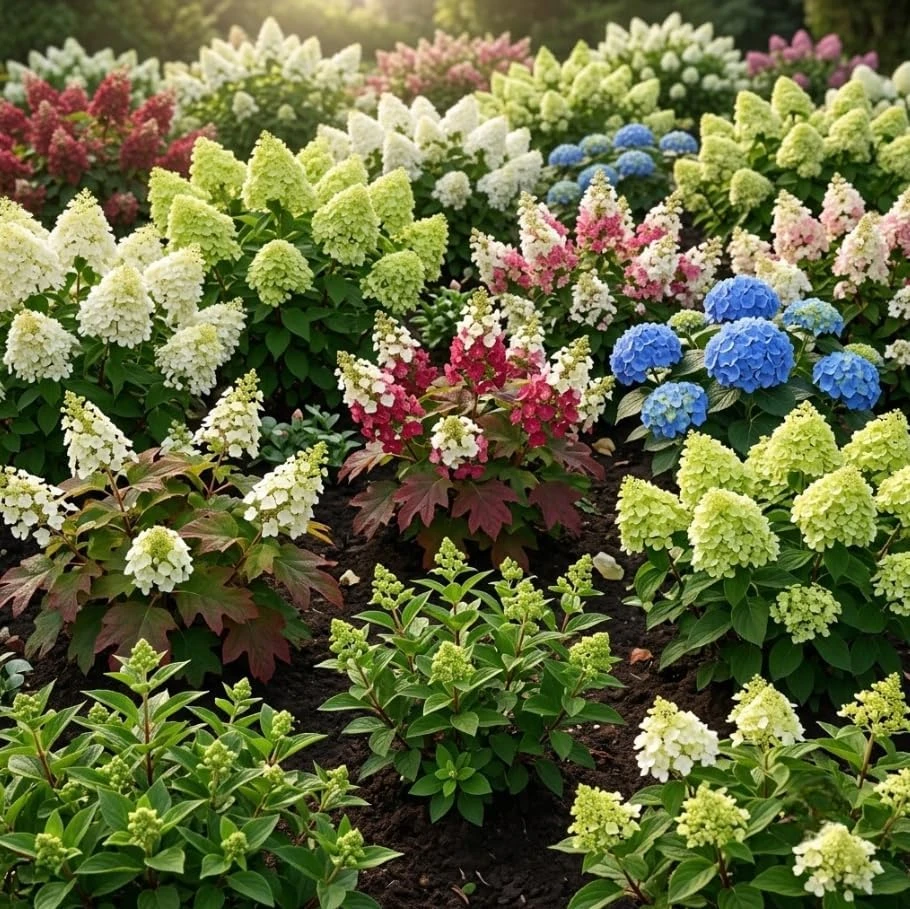
- Stunning Floral Displays: Hydrangeas are renowned for their large, showy blooms that come in a wide array of colors, from classic blues and pinks to whites, reds, and lime greens. These flowers create an instant visual impact and can last for several weeks, providing long-lasting beauty.
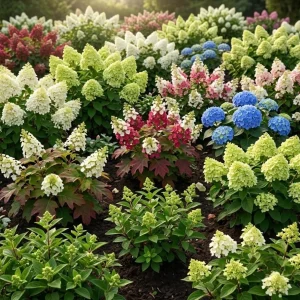
- Versatile Landscaping Use: Perfect for a variety of garden applications, these assorted hydrangea plants can be used as striking specimen plants, vibrant borders, lush foundation plantings, or elegant accents in decorative patio containers. Their adaptability makes them suitable for diverse garden designs.
- Long Blooming Season: Many Hydrangea varieties boast an extended blooming period, often from early summer through fall. This ensures your garden remains colorful and engaging for a significant portion of the growing season.
- Low Maintenance: Once established, Hydrangeas are relatively easy to care for, requiring consistent watering and occasional feeding to thrive. Their robust nature makes them a great choice for gardeners looking for high reward with moderate effort.
- Attracts Pollinators: While not a primary pollinator magnet, some Hydrangea varieties can attract bees and other beneficial insects to your garden, contributing to a healthy ecosystem.
- Excellent Cut Flowers: The beautiful blooms of outdoor flowering shrubs like Hydrangeas are perfect for cutting and bringing indoors, allowing you to enjoy their charm and elegance in floral arrangements throughout your home.
- Adaptable to Light Conditions: Depending on the specific variety, Hydrangeas can perform well in full sun to partial shade, offering flexibility in planting locations within your garden. Understanding proper hydrangea care is crucial for optimal blooming.
Plant Care & Growing Tips
Proper hydrangea care is essential for ensuring your plants thrive and produce abundant, beautiful blooms. These hydrangea live plants are adaptable but flourish with consistent attention to their specific needs. When choosing a location, consider that most hydrangeas prefer a spot with morning sun and afternoon shade, especially in hotter climates. Too much intense, direct sun can scorch the leaves and flowers, while too much shade can reduce flowering. Aim for at least 4-6 hours of morning sun. They generally thrive in well-drained soil that retains some moisture. Amending heavy clay soils with organic matter can improve drainage, while sandy soils can benefit from compost to enhance water retention.
Watering is crucial, especially during dry spells and the first year after planting. Hydrangeas are thirsty plants, and their large leaves can transpire a lot of water. Water deeply and regularly, aiming for about 1 inch of water per week, either from rainfall or irrigation. Check the soil moisture by sticking your finger about an inch or two deep; if it feels dry, it’s time to water. Avoid overhead watering late in the day, which can encourage fungal diseases. Fertilize your assorted hydrangea plants in early spring with a balanced slow-release fertilizer or one formulated for flowering shrubs. Avoid over-fertilizing, as this can lead to lush foliage at the expense of flowers. Pruning requirements vary by Hydrangea type, so it’s good to identify your specific varieties. Generally, Bigleaf and Oakleaf hydrangeas bloom on old wood and should be pruned after flowering, while Panicle and Smooth hydrangeas bloom on new wood and can be pruned in late winter or early spring.
These outdoor flowering shrubs are generally hardy, but some protection might be needed in colder USDA zones. Applying a layer of mulch around the base of the plant can help retain soil moisture, regulate soil temperature, and suppress weeds. Common problems can include powdery mildew (especially in humid conditions with poor air circulation) and leaf spot. Ensuring good air circulation and avoiding overhead watering can help prevent these issues. Pests are usually not a major concern, but keep an eye out for aphids or spider mites, which can be treated with insecticidal soap if necessary. By following these detailed hydrangea care guidelines, your plants will flourish, providing years of spectacular blooms.
Size & Details
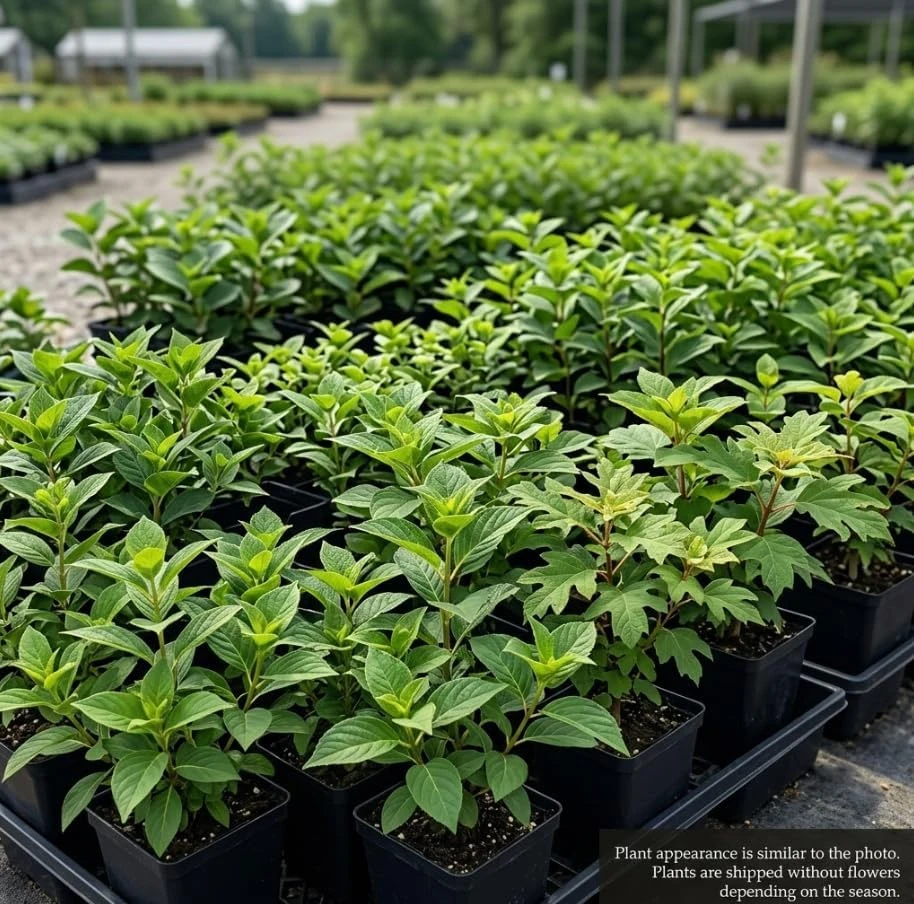
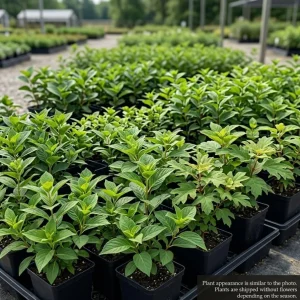
This offering includes 3 individual hydrangea live plants, each carefully selected to ensure quality and vitality. Upon arrival, each plant will measure approximately 6-12 inches in height, measured from the soil line to the top of the foliage. They are established in standard 4-inch nursery pots, which provide ample space for their root systems to develop during transit and before transplanting. These plants are shipped in their pots with soil, ensuring minimal shock and a smooth transition to your garden or larger containers. The mature size of these assorted hydrangea plants will vary significantly depending on the specific variety received, ranging from compact varieties that stay around 3-4 feet tall and wide to larger specimens that can reach 6-8 feet or more. Growth rate is moderate, meaning they will establish and grow steadily, typically showing significant growth and blooming within their first year or two in the ground.
These outdoor flowering shrubs are typically ready to be transplanted into your garden beds, borders, or larger decorative pots upon arrival. They are young plants, allowing you the satisfaction of watching them mature and develop their full splendor over time. Expect your hydrangeas to begin producing their characteristic abundant blooms from late spring through summer, with some varieties extending into fall. The exact timing and color of the flowers will depend on the specific variety and local growing conditions, including soil pH. With proper hydrangea care, these plants will become a magnificent and enduring feature in your landscape for many seasons to come.
Frequently Asked Questions
- Q: How big do these hydrangea live plants get at maturity? A: The mature size of these hydrangea live plants varies greatly depending on the specific variety you receive. Some compact varieties may reach 3-4 feet tall and wide, while others can grow to 6-8 feet or more. We recommend researching the specific care for your randomly selected varieties once they are established.
- Q: What size pot do these plants come in? A: Each of the 3 assorted hydrangea plants will arrive in a standard 4-inch nursery pot, providing a healthy start for their root system. They are ready to be transplanted into a larger pot or directly into your garden.
- Q: Are these indoor or outdoor plants? A: Hydrangeas are primarily outdoor flowering shrubs. They require outdoor conditions to thrive and produce their signature blooms. While they can be temporarily brought indoors for decorative purposes, they are not suitable for long-term indoor cultivation.
- Q: How much sunlight do these hydrangeas need? A: Most hydrangeas prefer a location with morning sun and afternoon shade, especially in warmer climates. They generally need at least 4-6 hours of sun daily to bloom well, but too much intense sun can cause stress.
- Q: Is this plant easy to care for, making it good for beginners? A: Yes, hydrangeas are generally considered easy to care for once established, making them a good choice for beginners. Consistent watering and appropriate sunlight are key aspects of successful hydrangea care.
- Q: What condition will the plants arrive in? A: Your hydrangea live plants will arrive healthy and actively growing, securely packaged in their 4-inch nursery pots with soil. We take great care to ensure they are well-protected during transit.
- Q: How long until these hydrangeas bloom? A: These young plants are typically ready to bloom within their first year or two after planting, provided they receive proper care and ideal growing conditions. The exact timing will depend on the variety and your local climate.
- Q: When is the best time to plant these hydrangeas? A: The best time to plant hydrangeas is in spring or early fall, allowing them to establish their root systems before extreme summer heat or winter cold. However, container-grown plants can often be planted throughout the growing season.
- Q: What’s the minimum temperature these outdoor flowering shrubs can tolerate? A: Hydrangea hardiness varies by type, but most common varieties are hardy in USDA Zones 5-9. This means they can tolerate winter temperatures down to -20°F to -10°F, though some protection may be beneficial in the colder end of their range.
- Q: Do these plants require special soil? A: Hydrangeas prefer rich, well-draining soil that retains moisture. Amending your garden soil with compost or other organic matter will greatly benefit these plants. The soil pH can also influence the color of some hydrangea blooms.


Reviews
There are no reviews yet.