Overview
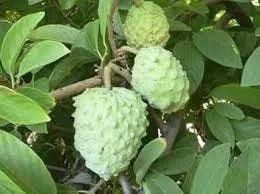
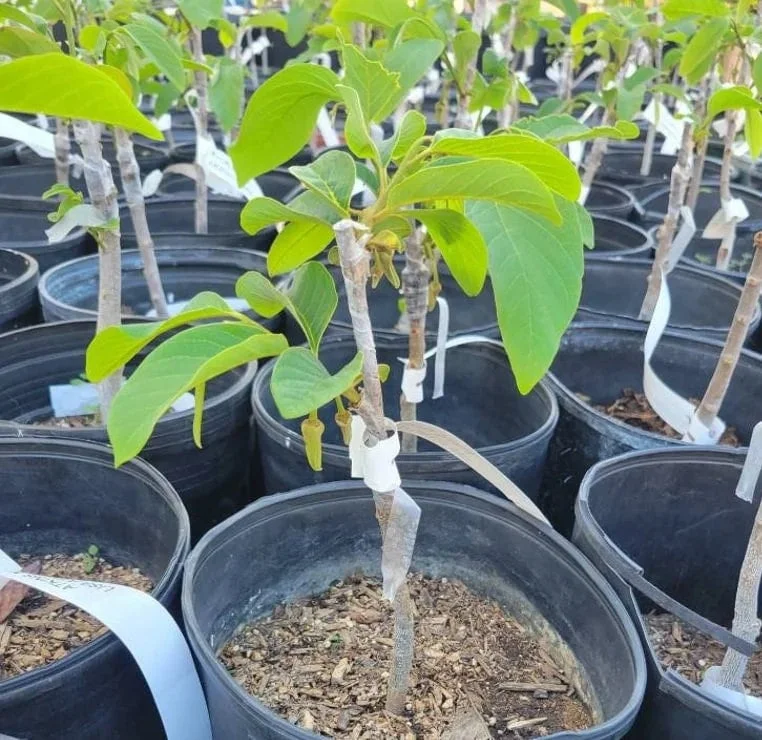
Bring the taste of the tropics to your home with this exceptional atemoya fruit tree. This particular offering is an AP2 atemoya plant, renowned for its high-quality, delicious fruit that combines the best characteristics of its cherimoya and sugar apple parents. As a grafted live plant, it offers the advantage of earlier fruiting and ensures true-to-type fruit production compared to seed-grown trees. Standing approximately 3 feet tall and shipped in a 3-gallon pot, this healthy specimen is ready to be transplanted into your garden or a larger container. The atemoya, scientifically known as Annona x cherimola x squamosa, is a fascinating sub-tropical fruit tree that produces large, heart-shaped fruits with a creamy, sweet, and aromatic pulp, often described as a blend of pineapple, mango, and vanilla. Growing your own grafted atemoya provides fresh, organic fruit right from your backyard, making it a delightful and rewarding horticultural endeavor.
Key Benefits
Investing in an atemoya fruit tree offers numerous advantages for the home gardener and fruit enthusiast. Beyond the sheer joy of growing your own produce, this specific variety provides a unique culinary experience and adds aesthetic appeal to your landscape.
- Exotic Fruit Production: Enjoy fresh, sweet, and creamy atemoya fruit, a delightful tropical treat that is difficult to find in most grocery stores. The AP2 atemoya plant is celebrated for its superior fruit quality.
- Grafted for Early Fruiting: Being a grafted atemoya tree means it will start producing fruit much sooner than a seedling, often within 2-3 years, allowing you to enjoy your harvest sooner.
- Unique Flavor Profile: The fruit boasts a complex flavor, often described as a mix of pineapple, mango, and vanilla custard, making it a gourmet delight for desserts or eating fresh.
- Ornamental Value: With its lush green foliage and attractive growth habit, the atemoya fruit tree makes an appealing addition to any garden or patio, providing both beauty and bounty.
- Health Benefits: Atemoya fruit is rich in vitamins C and B6, dietary fiber, and antioxidants, contributing to a healthy diet.
Plant Care & Growing Tips
Caring for your atemoya fruit tree is a rewarding process, and with the right conditions, your AP2 atemoya plant will thrive and produce abundant fruit. Atemoyas are sub-tropical plants, so understanding their specific needs is crucial for success.
Sunlight Requirements: Atemoyas prefer full sun, meaning at least 6-8 hours of direct sunlight per day. In very hot climates, some afternoon shade can be beneficial to prevent leaf scorch. If growing in a pot, ensure it is placed in the sunniest part of your garden or patio. Watering: Consistent moisture is key, especially during flowering and fruiting. Water deeply when the top 1-2 inches of soil feel dry. Avoid overwatering, which can lead to root rot. Good drainage is essential. Soil Type: A well-draining, slightly acidic to neutral soil (pH 6.0-7.0) is ideal. A sandy loam enriched with organic matter works best. For potted plants, use a high-quality potting mix with excellent drainage. Temperature & Hardiness: Atemoyas are sensitive to frost. They thrive in USDA Zones 9-11. Temperatures below 30°F (-1°C) can cause damage or even kill the tree. If you live in a colder zone, consider growing your atemoya fruit tree in a large container that can be moved indoors during winter. Fertilization: Fertilize regularly during the growing season (spring through fall) with a balanced fertilizer, such as a 8-3-9 or similar, formulated for fruit trees. Follow package instructions for application rates. Reduce or stop fertilizing during winter dormancy. Pruning: Prune to maintain shape, remove dead or diseased branches, and encourage fruit production. Light pruning after harvest is generally recommended. To ensure a healthy and productive cherimoya annona relative, monitor for pests and diseases and address them promptly.
Size & Details
This offering is for one atemoya fruit tree, an AP2 atemoya plant, approximately 3 feet tall from the base of the pot to the top of the plant. It is a grafted atemoya specimen, ensuring genetic consistency and earlier fruit production. The tree arrives securely planted in a 3-gallon nursery pot, providing a healthy root system ready for transplanting. While the exact growth rate can vary based on growing conditions, atemoyas typically grow at a moderate pace. Expect your tree to reach a mature height of 15-20 feet if planted in the ground, though it can be kept smaller with regular pruning, especially when grown in a container. Fruit production usually begins within 2-3 years, with peak harvest season typically in late fall to winter, depending on your specific climate. This sub-tropical fruit tree is an excellent choice for a home orchard or as a striking patio plant. Understanding the needs of a sub-tropical fruit tree like the atemoya will help ensure its long-term success.
Frequently Asked Questions
- Q: How big does this atemoya fruit tree get? A: If planted in the ground, a mature atemoya fruit tree can reach 15-20 feet tall. However, it can be maintained at a smaller, more manageable size with regular pruning, especially if grown in a large container.
- Q: What size pot does it come in? A: This AP2 atemoya plant is shipped in a 3-gallon nursery pot, providing ample space for its established root system. You can transplant it into a larger pot or directly into the ground upon arrival.
- Q: Is this an indoor or outdoor plant? A: The atemoya fruit tree is primarily an outdoor plant in sub-tropical climates (USDA Zones 9-11). In colder regions, it can be grown outdoors in a container during warm months and brought indoors for winter protection.
- Q: How much sunlight does it need? A: Atemoya trees require full sun, meaning at least 6-8 hours of direct sunlight daily, to thrive and produce fruit. In extremely hot areas, some afternoon shade can be beneficial.
- Q: Is this plant easy to care for? A: While not as demanding as some tropical plants, the grafted atemoya requires consistent watering, proper fertilization, and protection from frost. It is considered moderately easy to care for by experienced gardeners.
- Q: What condition will it arrive in? A: Your atemoya fruit tree will arrive as a healthy, live plant with a well-established root system in its nursery pot, carefully packaged to ensure safe transit.
- Q: When is the best time to plant? A: The best time to plant your sub-tropical fruit tree is in spring or early summer after all danger of frost has passed, allowing it ample time to establish before cooler weather.
- Q: Will it survive winter in my zone? A: Atemoyas are cold-sensitive and will not survive freezing temperatures. If you are in USDA Zone 8 or below, you will need to provide winter protection, such as moving it indoors or into a greenhouse.
- Q: What kind of fruit does an atemoya produce? A: An atemoya produces large, heart-shaped fruit with a creamy, sweet, and aromatic white pulp, often described as a blend of pineapple, mango, and vanilla. It is a hybrid of a cherimoya and a sugar apple, related to the cherimoya annona.


Reviews
There are no reviews yet.