Overview
Bring the taste of the tropics to your home garden with our exquisite atemoya fruit tree. This live plant offers the unique opportunity to grow your own delicious, hybrid fruit, a cross between the cherimoya and sugar apple. Known botanically as Annona x cherimola x squamosa, the atemoya is celebrated for its rich, sweet, and custardy flesh, often described as a blend of pineapple, mango, and vanilla. Our grafted trees ensure faster fruiting and true-to-type fruit production, providing a robust start for gardeners eager to enjoy this exotic delicacy. Whether you’re an experienced grower or new to tropical fruits, this atemoya fruit tree is a rewarding choice, promising bountiful harvests of its delectable, heart-shaped fruits.
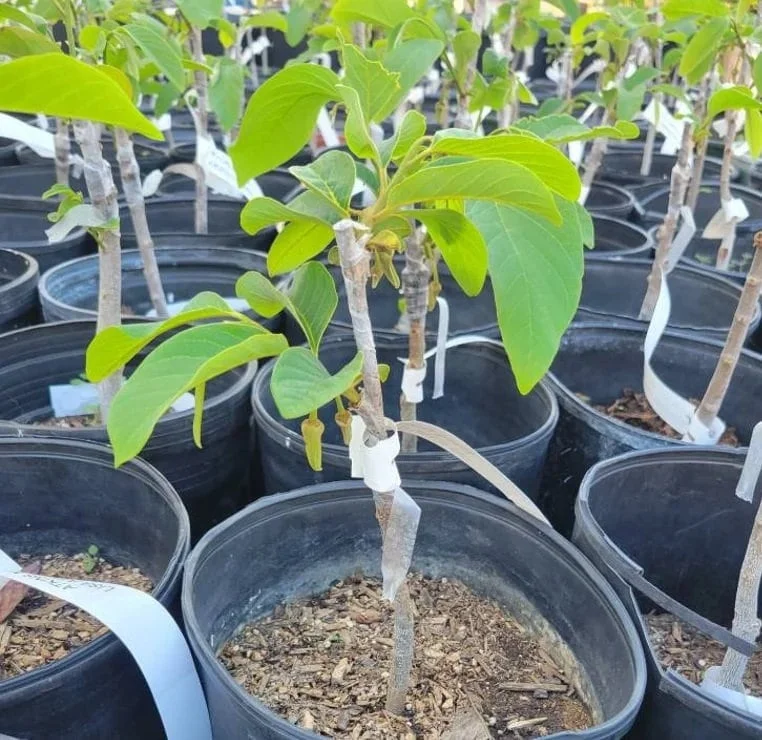
Each atemoya fruit tree is carefully nurtured to reach a healthy 3 feet in height before shipping, arriving in a 3-gallon pot with a well-established root system. This ensures a smooth transition to your garden or larger container. The atemoya thrives in warm climates and can be grown outdoors in USDA zones where frost is not a concern, or successfully cultivated in a container in cooler regions, allowing you to bring it indoors during winter months. Its attractive foliage and striking fruit make it a beautiful and productive addition to any landscape or patio.
Key Benefits
The atemoya fruit tree offers a multitude of benefits, from its unique taste to its ornamental appeal, making it a highly desirable plant for any enthusiast of tropical flora and delicious produce.
- Exotic Fruit Production: Enjoy a continuous supply of sweet, creamy atemoya fruits right from your own garden. This hybrid fruit is a culinary delight, perfect for fresh eating, smoothies, or desserts. Growing your own ensures the freshest possible taste and quality, far superior to store-bought options.
- Grafted for Superiority: Our trees are grafted, which means they will bear fruit sooner than seed-grown plants and maintain the desirable characteristics of the parent varieties. This ensures you get the exact fruit quality you expect from a premium atemoya fruit tree.
- Ornamental Value: Beyond its fruit, the atemoya tree boasts attractive, lush green foliage that adds a tropical flair to any garden or patio. Its unique, heart-shaped fruits are also visually appealing as they develop on the branches.
- Rich Nutritional Profile: Atemoya fruits are not only delicious but also packed with vitamins, minerals, and antioxidants, contributing to a healthy diet. They are an excellent source of Vitamin C and dietary fiber.
- Adaptable Growth: While ideally suited for tropical and subtropical climates, the grafted atemoya can also be grown in containers in cooler zones, allowing you to move it indoors during cold weather and still enjoy its fruits.
- Unique Flavor Profile: The complex flavor of atemoya, combining notes of pineapple, mango, and vanilla, makes it a truly unique and sought-after tropical fruit that stands out from more common varieties.
- Rewarding Gardening Experience: Cultivating a tropical fruit tree like the atemoya provides a deeply satisfying gardening experience, from watching the blossoms form to harvesting your first ripe, delicious fruit.
Plant Care & Growing Tips
Caring for your atemoya fruit tree is a rewarding endeavor that ensures a bountiful harvest of delicious fruit. Atemoyas thrive in warm, humid environments, reminiscent of their tropical origins. They prefer a location that receives full sun, meaning at least 6-8 hours of direct sunlight per day. In extremely hot climates, some afternoon shade can be beneficial to prevent leaf scorch. If growing in a container, choose a large pot (at least 15-20 gallons once mature) to accommodate its root system and allow for easy relocation during colder months. Proper sunlight is crucial for fruit development and overall plant health, so ensure your tropical fruit tree gets ample light.
Watering is a critical aspect of atemoya care. While they appreciate moisture, they do not tolerate soggy conditions. Water deeply and regularly, especially during dry spells and when the tree is fruiting. Allow the top few inches of soil to dry out slightly between waterings. Well-draining soil is paramount; a sandy loam enriched with organic matter is ideal. A good quality potting mix designed for fruit trees or tropical plants works well for container-grown specimens. Fertilize your atemoya plant care regimen with a balanced slow-release fertilizer or a liquid feed formulated for fruit trees, typically from spring through late summer. Follow package instructions for application rates. Pruning should be done to maintain shape, remove dead or diseased branches, and encourage fruit production, usually after the fruiting season.
Protection from cold is essential, as atemoyas are sensitive to frost. In USDA zones below 9, container growing is recommended so the tree can be moved indoors or to a sheltered location when temperatures drop. Even in warmer zones, young trees may benefit from protection during unexpected cold snaps. Monitor for common pests like mealybugs or scale and treat with horticultural oil or insecticidal soap if necessary. With diligent cherimoya atemoya hybrid care, your tree will flourish and produce abundant, delectable fruits for years to come.
Size & Details
This atemoya fruit tree is a robust, grafted specimen, standing approximately 3 feet tall at the time of shipment. It arrives securely planted in a 3-gallon nursery pot, providing a strong and established root system ready for transplanting into your garden or a larger container. Grafted trees offer the significant advantage of earlier fruit production, often within 2-3 years, as opposed to the longer wait with seed-grown plants. The mature size of an atemoya tree can vary depending on growing conditions and pruning practices, typically reaching 15-20 feet in height and spread when planted in the ground, or remaining more compact when container-grown.
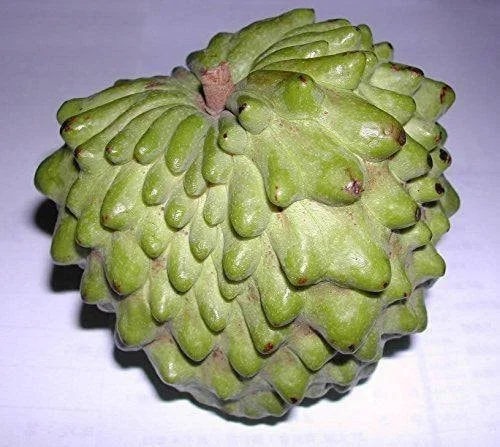
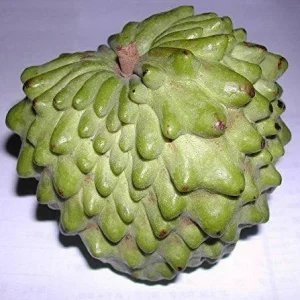
The tree’s growth rate is moderate, allowing it to establish well in its new environment. Expect to see new foliage and growth flushes throughout the warmer months. The fruits themselves are generally heart-shaped or conical, with a bumpy green skin, and can weigh anywhere from 1 to 5 pounds. They ripen in late summer to fall, depending on the climate and specific variety. This tropical fruit tree is an excellent long-term investment, offering both aesthetic beauty and the unique pleasure of harvesting your own exotic produce.
Frequently Asked Questions
- Q: How big does this atemoya fruit tree get? A: This atemoya fruit tree is 3 feet tall when shipped in a 3-gallon pot. When planted in the ground, it can reach 15-20 feet tall and wide. In containers, its size can be managed with pruning to suit your space.
- Q: What size pot does it come in? A: Your atemoya fruit tree will arrive well-rooted in a 3-gallon nursery pot, ready for transplanting. We recommend moving it to a larger container or directly into the ground shortly after arrival.
- Q: Is this an indoor or outdoor plant? A: Atemoya trees are tropical and prefer warm climates. They can be grown outdoors year-round in USDA zones 9-11. In cooler climates, they should be grown in containers and moved indoors or protected during winter months.
- Q: How much sunlight does an atemoya plant need? A: This tropical fruit tree thrives in full sun, requiring at least 6-8 hours of direct sunlight daily for optimal growth and fruit production. In extremely hot regions, some afternoon shade can be beneficial.
- Q: Is this plant easy to care for? A: While tropical, atemoya plant care is manageable for most gardeners. Consistent watering, well-draining soil, and protection from frost are key. Grafted trees are generally more robust and fruit faster.
- Q: What condition will it arrive in? A: Your atemoya fruit tree will arrive as a healthy, live plant with a well-established root system in its 3-gallon pot, carefully packaged to ensure its safe journey.
- Q: How long until it blooms and fruits? A: As this is a grafted tree, you can expect it to begin blooming and producing fruit much sooner than a seed-grown plant, typically within 2-3 years after planting.
- Q: When is the best time to plant an atemoya tree? A: The best time to plant your grafted atemoya is in spring or early summer after the last chance of frost has passed, allowing it ample time to establish before cooler weather.
- Q: What’s the minimum temperature this tree can tolerate? A: Atemoya trees are sensitive to frost and generally cannot tolerate temperatures below 28-30°F (-2 to -1°C) for extended periods. Protection is crucial in cooler climates.
- Q: What is the difference between atemoya and cherimoya? A: Atemoya is a hybrid of cherimoya and sugar apple. While similar, atemoyas tend to have a smoother skin, fewer seeds, and a slightly different flavor profile compared to pure cherimoya, making it a unique cherimoya atemoya hybrid.


Reviews
There are no reviews yet.