Overview
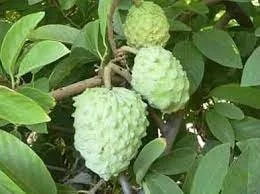
Embark on a tropical gardening adventure with your very own atemoya fruit tree. This exquisite live plant offers the promise of delicious, creamy fruit right in your backyard or on your patio. Atemoya, a hybrid of cherimoya and sugar apple, is renowned for its sweet, custard-like flesh and unique flavor profile, often described as a blend of pineapple, mango, and vanilla. Our atemoya fruit tree is carefully cultivated to ensure a healthy start for your tropical fruit journey. Growing your own atemoya fruit can be incredibly rewarding, providing fresh, organic produce that is hard to find in conventional grocery stores. This plant is perfect for enthusiasts looking to expand their edible landscape with something truly special and exotic, bringing a taste of the tropics to your home garden.
The atemoya is a semi-deciduous tree that thrives in warm, subtropical climates. It’s an excellent choice for gardeners who appreciate both ornamental beauty and edible rewards. With proper atemoya plant care, you can expect this tree to produce abundant fruit, offering a unique culinary experience. Its lush foliage also adds an attractive, tropical aesthetic to any outdoor space or large container garden. This robust specimen is shipped ready to plant, providing you with a head start on cultivating this desirable fruit-bearing tree.
Key Benefits
Adding an atemoya fruit tree to your garden offers a multitude of benefits, from its delicious produce to its aesthetic appeal and the satisfaction of growing your own food.
- Exotic Fruit Production: Enjoy the unique, sweet, and creamy flavor of fresh atemoya fruit, a delightful cross between cherimoya and sugar apple. This tropical delicacy is a true treat for the palate, offering a taste experience unlike any other.
- Homegrown & Organic: Cultivate your own pesticide-free fruit, ensuring you and your family consume healthy, organic produce. Growing your own atemoya fruit tree gives you complete control over its environment and care.
- Ornamental Value: The lush, green foliage and attractive growth habit of the atemoya tree add a beautiful, tropical touch to any landscape or patio. It serves as an excellent focal point in a garden.
- Gardening Satisfaction: Experience the joy and satisfaction of nurturing a plant from a young stage to a fruit-bearing tree. Watching your atemoya fruit tree thrive and produce is incredibly rewarding.
- Unique Culinary Ingredient: Atemoya fruit can be eaten fresh, used in smoothies, desserts, or even made into ice cream, offering versatility in your kitchen and inspiring new recipes.
- Educational Experience: Learn about tropical horticulture and the specific needs of exotic fruit trees, expanding your gardening knowledge and skills. It’s a great way to understand how to grow atemoya fruit successfully.
- Potential Health Benefits: Atemoya fruit is a good source of vitamins, minerals, and antioxidants, contributing to a healthy diet and overall well-being.
Plant Care & Growing Tips
Proper atemoya plant care is crucial for ensuring a healthy, productive tree. This tropical tree thrives in warm, frost-free environments. For optimal growth and fruit production, select a location that receives full sun, meaning at least 6-8 hours of direct sunlight per day. If growing in a cooler climate, consider planting in a large container that can be moved indoors during colder months. The ideal temperature range for atemoya is between 65-85°F (18-29°C), and it can tolerate brief dips to 28°F (-2°C) once established, but prolonged cold will damage or kill the tree.
Atemoya prefers well-draining soil with a slightly acidic to neutral pH (6.0-7.0). A rich, loamy soil amended with organic matter is ideal. Avoid heavy clay soils that retain too much moisture, as this can lead to root rot. Consistent watering is essential, especially during dry periods and when the tree is actively growing and fruiting. Keep the soil consistently moist but not waterlogged. Reduce watering during cooler, dormant periods. Fertilize your atemoya fruit tree regularly during the growing season with a balanced fertilizer, switching to a high-phosphorus and potassium fertilizer as flowering and fruiting begin. Pruning should be done to maintain shape, remove dead or diseased branches, and encourage better air circulation and fruit production. Hand-pollination can significantly increase fruit set for anonna atemoya, especially in areas with fewer natural pollinators.
Protect your young tree from strong winds and stake it if necessary to provide support. Watch out for common pests like mealybugs and scale insects, and treat them promptly with organic pest control methods if they appear. Learning to grow atemoya fruit requires attention to detail, but the reward of fresh, exotic fruit is well worth the effort. Ensure good air circulation around the tree to prevent fungal diseases, and consider mulching around the base to retain soil moisture and regulate temperature.
Size & Details
This atemoya fruit tree is a robust live plant, standing approximately 2 to 3 feet tall from the base of the pot to the top of the foliage. It is shipped in a sturdy 3 gallon pot, providing a well-established root system ready for transplanting into your garden or a larger container. The growth rate of an atemoya tree is moderate, and it will typically begin to bear fruit within 2-4 years after planting, depending on care and environmental conditions. Mature atemoya trees can reach heights of 15-20 feet with a similar spread, though they can be kept smaller with regular pruning, making them suitable for various garden sizes or even large patios when container-grown. This plant offers a fantastic opportunity to grow atemoya fruit in your own backyard.
The tree will arrive with healthy foliage and a strong root ball, ensuring a smooth transition to its new home. Expect the leaves to be green and vibrant, indicative of a healthy specimen. While the exact timing of flowering and fruiting depends on your specific climate and care, this size of plant is well on its way to becoming a productive fruit producer. Consistent care will ensure your tropical fruit tree thrives and delivers delicious harvests for years to come.
Frequently Asked Questions
- Q: How big does this atemoya fruit tree get? A: This atemoya fruit tree is currently 2 to 3 feet tall and shipped in a 3-gallon pot. When mature, it can reach 15-20 feet tall if planted in the ground, but its size can be managed with pruning if grown in a container.
- Q: Is this an indoor or outdoor plant? A: Atemoya trees are tropical plants best suited for outdoor planting in USDA Zones 9-11. In cooler climates, they can be grown in large containers and moved indoors during colder months to protect them from frost.
- Q: How much sunlight does my atemoya fruit tree need? A: For optimal growth and fruit production, your atemoya fruit tree requires full sun, meaning at least 6-8 hours of direct sunlight per day. Adequate sunlight is key to helping you grow atemoya fruit successfully.
- Q: What condition will the atemoya tree arrive in? A: Your atemoya fruit tree will arrive as a healthy, live plant, approximately 2-3 feet tall, with a well-established root system in a 3-gallon pot. It will be carefully packaged to ensure its safe arrival.
- Q: Is this plant easy to care for? A: Atemoya trees require consistent care, including proper watering, fertilization, and sun exposure. While not strictly for beginners, with attention to its specific needs, it can be a rewarding plant to grow for those interested in tropical fruit tree cultivation.
- Q: How long until it starts producing fruit? A: Typically, an atemoya tree of this size will start to bear fruit within 2 to 4 years after planting, provided it receives proper care and is grown in an ideal environment.
- Q: What type of soil is best for anonna atemoya? A: Anonna atemoya thrives in well-draining, rich, loamy soil with a slightly acidic to neutral pH (6.0-7.0). Amending the soil with organic matter will greatly benefit its growth.
- Q: Will it survive winter in my zone? A: Atemoya trees are sensitive to frost. If you live outside of USDA Zones 9-11, you will need to provide winter protection, such as moving the potted tree indoors or using frost covers.
- Q: Can I grow atemoya fruit in a large pot? A: Yes, an atemoya tree can be successfully grown in a large container (20-30 gallons or more) if you provide adequate drainage, regular feeding, and can move it to a protected location during cold weather.
- Q: What are the main pests or diseases to watch out for? A: Common pests include mealybugs, scale insects, and fruit flies. Fungal diseases can occur in humid conditions without proper air circulation. Regular inspection and appropriate organic treatments are recommended for effective atemoya plant care.


Reviews
There are no reviews yet.