Overview
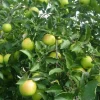
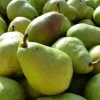
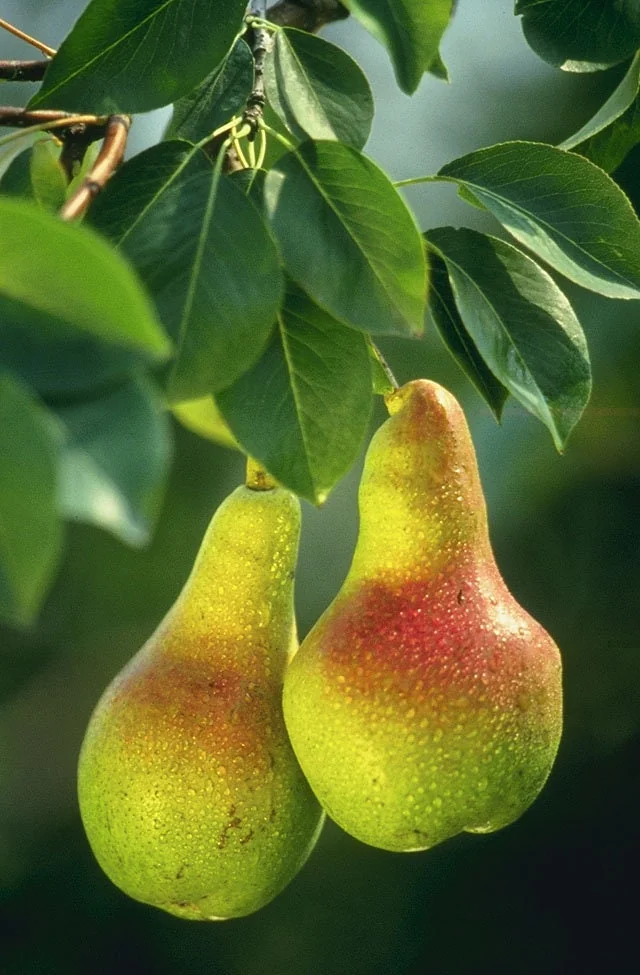
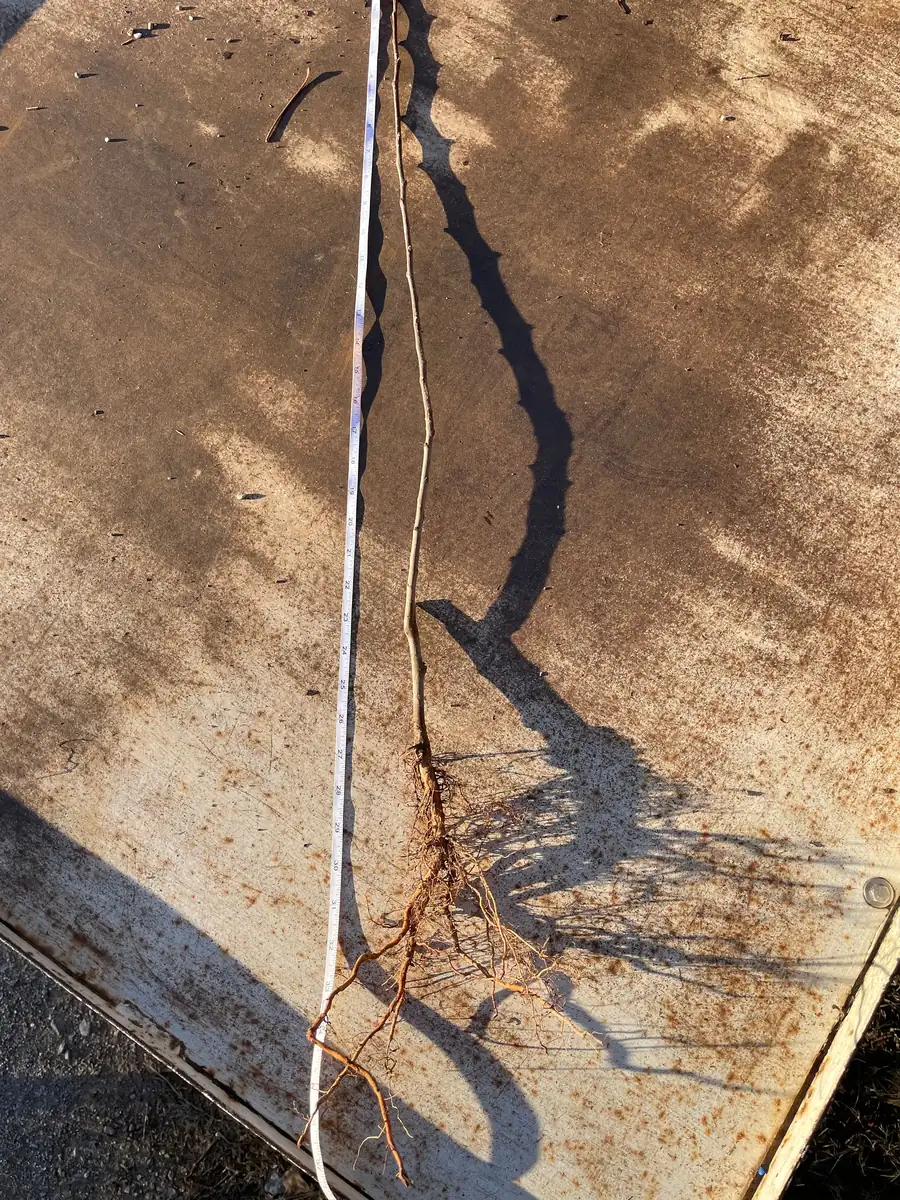
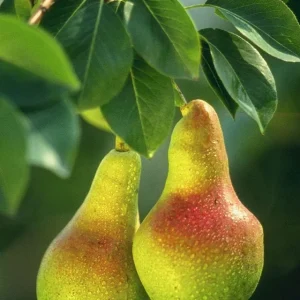
Experience the joy of harvesting your own succulent fruit with the Ayers Pear Tree bare root. This exceptional pear variety is renowned for its delightful flavor and robust growth, making it a popular choice for gardeners across the United States. The Ayers pear is a beautiful yellow pear featuring an attractive red blush, offering a smooth, sweet, and melting flesh that stands out among other varieties. While it is a self-pollinating pear tree, planting another compatible pear variety nearby can significantly boost its fruit production, ensuring a bountiful harvest. This bare root specimen arrives ready for planting, typically measuring 2-3 feet tall, ready to establish quickly in your garden. Its ease of care and delicious fruit make it a highly sought-after fruit tree for both novice and experienced growers looking to add a productive and ornamental element to their landscape.
The Ayers pear is cherished as an old southern favorite, celebrated for its high sugar content and excellent eating quality. Its adaptability to various climates within its recommended zones and its inherent resistance to common diseases like fire blight contribute to its widespread appeal. In spring, before the delicious fruit emerges, you’ll be treated to a stunning display of fragrant pink and white flowers, adding ornamental value to your garden. This Ayers Pear Tree bare root offers a fantastic opportunity to grow a reliable and rewarding fruit tree that will provide fresh, homegrown pears for years to come. Consider adding this fruit tree to your collection for a consistent supply of delicious fruit and an attractive landscape feature.
Key Benefits
The Ayers Pear Tree bare root offers a multitude of advantages for the home gardener, blending aesthetic appeal with practical fruit production. Cultivating this pear tree brings both beauty and bounty to your outdoor space.
- Delicious & Sweet Fruit: Enjoy large, yellow pears with a beautiful red blush and a remarkably sweet, melting flesh. The high sugar content makes them perfect for fresh eating, canning, or baking.
- Self-Pollinating Convenience: While production increases with a pollinator, the Ayers Pear Tree bare root is self-fruitful, meaning it can produce fruit on its own without another pear tree, making it suitable for smaller gardens.
- High Fire Blight Resistance: This variety boasts strong resistance to fire blight, a common and destructive disease in pear trees, ensuring a healthier and more productive tree with less maintenance. This makes it a truly fire blight resistant pear.
- Beautiful Spring Blooms: In the spring, the tree adorns itself with fragrant pink and white flowers, providing an attractive ornamental display before the fruit sets.
- Versatile Harvest: Ayers pears can be picked and allowed to ripen off the tree for several days, offering flexibility in harvest time and ensuring optimal flavor when consumed.
- Adaptable & Resilient: Suitable for a wide range of growing zones (USDA Zones 5-8), this pear tree is known for its hardiness and ability to thrive in various conditions, making growing pear trees a rewarding experience.
- Long-Term Production: Once established, an Ayers Pear Tree bare root will produce abundant fruit for many years, becoming a cherished part of your home orchard.
Plant Care & Growing Tips
Caring for your Ayers Pear Tree bare root is a straightforward process that will reward you with delicious fruit. This hardy fruit tree thrives with proper attention to its basic needs, ensuring a healthy and productive life. For optimal growth, select a planting site that receives full sun, meaning at least 6-8 hours of direct sunlight per day. Good air circulation is also beneficial to prevent fungal diseases. When planting your Ayers Pear Tree bare root, ensure the soil is well-draining. Pears prefer a slightly acidic to neutral pH, ideally between 6.0-7.0. Amend heavy clay soils with organic matter to improve drainage, or sandy soils to enhance water retention. Dig a hole wide enough to accommodate the roots spread out naturally and deep enough so that the graft union (the swollen part on the trunk) is a few inches above the soil line.
Water the newly planted tree regularly to keep the soil consistently moist but not waterlogged. Once established, Ayers pear trees are moderately drought-tolerant but will benefit from deep watering during dry spells, especially when fruit is developing. Fertilize in early spring with a balanced fruit tree fertilizer, following the product’s instructions. Pruning is essential for shaping the tree, promoting fruit production, and maintaining overall health. Prune in late winter or early spring while the tree is dormant, removing any dead, diseased, or crossing branches. Aim for an open canopy structure to allow light and air penetration. This variety is known as a fire blight resistant pear, but good cultural practices further enhance its resilience. Monitor for pests and diseases, addressing any issues promptly. With these care tips, your Ayers Pear Tree bare root will flourish and provide years of sweet, homegrown pears, making growing pear trees a truly gratifying endeavor.
Size & Details
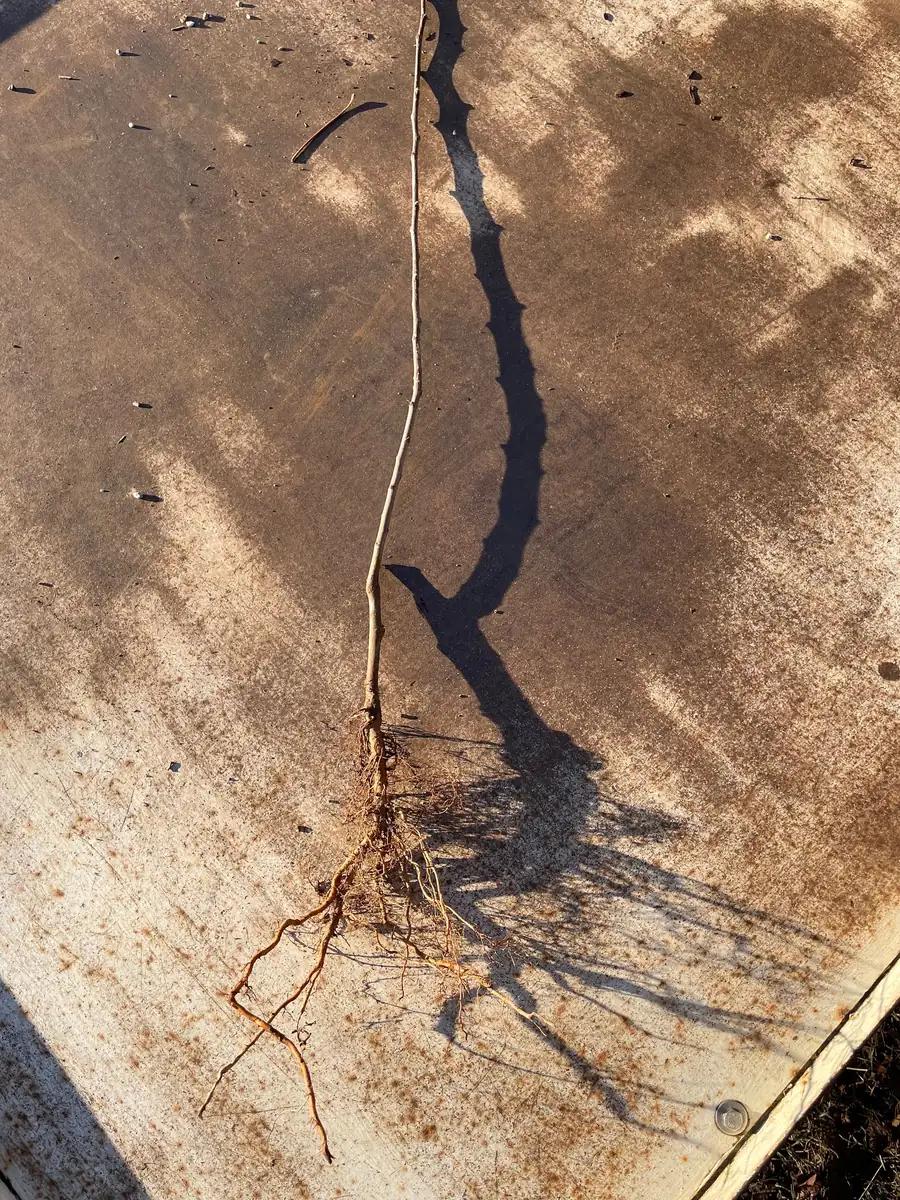
This offering is for an Ayers Pear Tree bare root, typically measuring 2-3 feet tall at the time of shipment. Bare root trees are dormant plants shipped without soil, which allows for easier transport and planting upon arrival. The mature size of an Ayers pear tree can reach 15-20 feet in height and spread, though regular pruning can maintain a more compact size suitable for home orchards. The recommended planting distance between trees is approximately 20 feet to allow for adequate growth and air circulation. Expect your tree to begin bearing fruit within 2-3 years after planting, with full production achieved in subsequent years. The large, yellow-red blush fruit typically ripens in August. This self-pollinating pear tree requires approximately 150-600 chill hours, making it suitable for USDA Zones 5-8. The tree will arrive ready for immediate planting in late winter or early spring, providing the best chance for establishment before the growing season.
Frequently Asked Questions
- Q: How big does this Ayers Pear Tree get? A: The Ayers Pear Tree bare root typically grows to a mature height of 15-20 feet with a similar spread. However, with proper pruning, you can maintain a smaller, more manageable size for your garden.
- Q: Is this an indoor or outdoor plant? A: The Ayers Pear Tree bare root is an outdoor fruit tree. It requires full sun exposure and is hardy in USDA Zones 5-8, making it suitable for a wide range of climates.
- Q: How much sunlight does the Ayers Pear Tree need? A: This pear tree thrives in full sun, meaning it needs at least 6-8 hours of direct sunlight daily to produce the best fruit and maintain overall health.
- Q: Is this plant easy to care for? A: Yes, the Ayers pear tree is considered relatively easy to care for, especially due to its strong resistance to fire blight. Basic care involves proper planting, watering, annual fertilization, and dormant pruning. It is an excellent choice for those interested in growing pear trees.
- Q: What condition will the bare root tree arrive in? A: Your Ayers Pear Tree bare root will arrive dormant, without leaves, and with its roots carefully packed to stay moist. This is normal for bare root trees and ensures a successful transplant.
- Q: How long until it starts producing Ayers pears? A: You can typically expect your Ayers Pear Tree bare root to start bearing fruit within 2-3 years after planting, with production increasing as the tree matures.
- Q: What is the best time to plant this tree? A: The ideal time to plant a bare root pear tree is in late winter or early spring, while the tree is still dormant. This allows the tree to establish its root system before the stress of summer heat.
- Q: Will this tree survive winter in my zone? A: The Ayers pear tree is hardy and suitable for USDA Zones 5-8, requiring 150-600 chill hours. If you are within these zones, it should successfully withstand typical winter conditions.
- Q: Is this a self-pollinating pear tree? A: Yes, the Ayers pear is a self-pollinating pear tree, meaning it can produce fruit on its own. However, planting another pear variety nearby can significantly increase fruit yield.
- Q: What makes this a fire blight resistant pear? A: The Ayers pear variety possesses a natural genetic resistance to fire blight, a common bacterial disease that can severely damage or kill susceptible pear trees. This makes it a more reliable choice for many growers.


Reviews
There are no reviews yet.