Overview
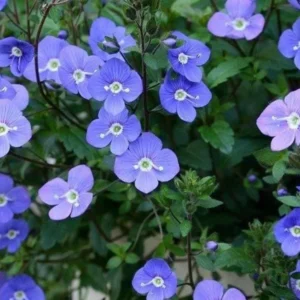
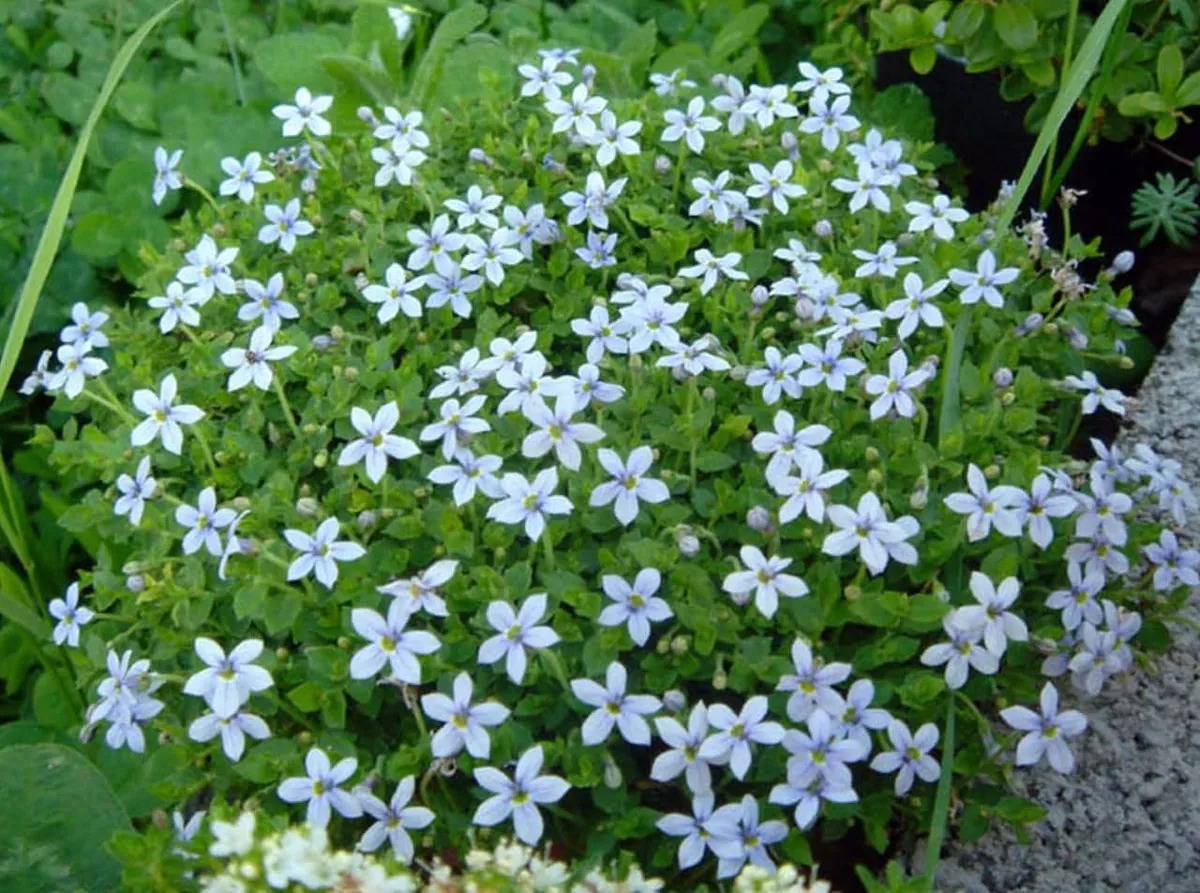
Transform your garden into a whimsical paradise with the enchanting baby blue star carpet plant. This delightful groundcover, botanically known as Pratia pedunculata, is a perennial favorite for its ability to create a lush, living carpet adorned with countless delicate, star-shaped blue flowers. Originating from Australia and New Zealand, this low-growing beauty spreads gracefully, filling in gaps between stepping stones, cascading over rock walls, or serving as a charming underplanting in larger containers. Each Pratia pedunculata live plant is carefully cultivated to ensure a healthy start in your home or garden, providing a vibrant splash of color and texture with minimal effort. It’s an excellent choice for creating a serene, natural look, and its dense growth habit also helps suppress weeds. Perfect for those looking for a unique and resilient groundcover that adds continuous visual interest.
The baby blue star carpet plant is celebrated for its vigorous yet manageable growth, making it an ideal candidate for various landscaping applications. Its small, round leaves form a tight mat, providing a soft, verdant backdrop for its prolific blue blooms. This plant is not only beautiful but also quite robust, tolerating light foot traffic once established. Whether you’re designing a magical fairy garden, enhancing a rockery, or simply seeking an attractive, low-maintenance groundcover, this plant offers a captivating solution. Its ability to thrive in various settings and its charming appearance make it a standout choice for both novice and experienced gardeners.
Key Benefits
The baby blue star carpet plant offers numerous advantages, making it a highly desirable addition to any garden or landscape. Its unique characteristics provide both aesthetic appeal and practical benefits that enhance outdoor spaces.
- Stunning Blue Blooms: Enjoy a continuous display of tiny, star-shaped blue flowers from spring through fall, adding a vibrant and cheerful touch to your garden. These delicate blossoms create a captivating contrast against the dense green foliage of the Pratia pedunculata live plant.
- Excellent Groundcover: Forms a dense, low-growing mat that effectively covers bare soil, suppresses weeds, and provides a beautiful, uniform texture. It’s perfect for filling in spaces between pavers, along pathways, or as an underplanting.
- Versatile Landscaping Use: Ideal for rock gardens, fairy gardens, container plantings, or as a lawn alternative in low-traffic areas. Its adaptability makes it suitable for various design themes and garden styles.
- Low Maintenance: Once established, this plant requires minimal care, making it perfect for busy gardeners. It’s relatively drought-tolerant and disease-resistant, ensuring a hassle-free gardening experience. Learning about blue star creeper care is straightforward.
- Tolerates Light Foot Traffic: Unlike many groundcovers, the low growing perennial can withstand occasional light foot traffic, making it a practical choice for pathways and stepping stone borders without compromising its beauty.
- Attractive Foliage: Even when not in bloom, the small, bright green leaves create a lush and appealing carpet, maintaining visual interest throughout the growing season.
- Erosion Control: Its spreading habit and fibrous root system help stabilize soil on slopes and banks, preventing erosion and maintaining landscape integrity.
Plant Care & Growing Tips
Caring for your baby blue star carpet plant (Pratia pedunculata) is relatively simple, allowing even beginner gardeners to enjoy its beauty. This resilient groundcover thrives with consistent moisture and appropriate light conditions. For optimal growth and prolific blooming, ensure it receives bright, filtered or indirect light. While it can tolerate some morning sun, especially in cooler climates, intense afternoon sun can scorch its delicate foliage. In warmer regions, a location with partial shade is ideal to protect it from harsh heat. Consistent watering is key; the soil should be kept evenly moist but never waterlogged or completely dry. During hot, dry spells, you may need to water more frequently to prevent wilting. Proper blue star creeper care involves monitoring soil moisture regularly.
The Pratia pedunculata live plant prefers well-draining soil that is rich in organic matter. A slightly acidic to neutral pH (6.0-7.0) is generally suitable. When planting, amend heavy clay soils with compost or sand to improve drainage. For container plantings, use a high-quality potting mix that retains moisture but drains well. Fertilize sparingly; a balanced, slow-release granular fertilizer applied in spring is usually sufficient. Over-fertilization can lead to excessive foliage growth at the expense of flowers. This low growing perennial is generally hardy in USDA Zones 5-9. In colder zones, it may die back to the ground in winter but often reemerges in spring. Trim as needed to maintain its desired shape and spread, or to encourage denser growth. Regular trimming can also help promote more blooms. Watch out for slugs and snails, which can occasionally be an issue; organic slug baits or hand-picking can manage these pests effectively.
Size & Details
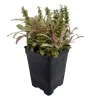
This offering includes one healthy baby blue star carpet plant, meticulously grown and shipped in a 2.5″ Pot. This size is perfect for immediate planting, allowing the roots to establish quickly in your garden or container. The plant typically forms a dense mat, spreading approximately 6-12 inches wide and reaching a height of only 1-2 inches, making it a truly low growing perennial. Its rapid spreading nature means it will quickly fill in desired areas, creating a lush groundcover within one to two growing seasons. The growth rate is moderate to fast, depending on growing conditions and climate. Expect continuous flowering from late spring through fall, showcasing its charming blue star-shaped blooms. This plant is shipped as a live, actively growing specimen, ready to bring vibrant color and texture to your landscape. With proper blue star creeper care, it will flourish and expand its beautiful carpet.
Frequently Asked Questions
- Q: How big does this plant get? A: The baby blue star carpet plant typically spreads 6-12 inches wide and grows to a height of just 1-2 inches, forming a dense, low-lying carpet. Its compact size makes it ideal for various garden applications, especially in small spaces or between pavers.
- Q: What size pot does it come in? A: This Pratia pedunculata live plant is shipped in a 2.5″ Pot, providing a well-rooted and established plant ready for transplanting into your garden or a larger container.
- Q: Is this an indoor or outdoor plant? A: While primarily an outdoor groundcover, the baby blue star carpet plant can be grown indoors in a bright location with consistent moisture, especially in colder climates. However, it truly thrives and blooms best when planted outdoors.
- Q: How much sunlight does it need? A: It prefers bright filtered or indirect light. In cooler climates, it can tolerate some morning sun. In hotter climates, protect it from intense afternoon sun to prevent scorching.
- Q: Is this plant easy to care for? A: Yes, the baby blue star carpet plant is considered a low-maintenance plant. It requires consistent moisture and appropriate light but is generally robust and forgiving, making blue star creeper care easy for gardeners of all levels.
- Q: What condition will it arrive in? A: Your Pratia pedunculata live plant will arrive as a healthy, actively growing specimen in its 2.5″ pot, carefully packaged to ensure its safe journey to your home.
- Q: Can it tolerate foot traffic? A: Yes, this low growing perennial can tolerate light foot traffic once established, making it an excellent choice for planting between stepping stones or along pathways where occasional walking occurs.
- Q: When is the best time to plant? A: The best time to plant your baby blue star carpet plant is in spring or early fall, allowing it ample time to establish its root system before extreme temperatures.
- Q: Will it survive winter in my zone? A: The baby blue star carpet plant is generally hardy in USDA Zones 5-9. In colder zones, it may die back in winter but often regrows from the roots in spring. Protection with mulch can help in borderline zones.
- Q: Is it pet-safe? A: While generally considered non-toxic, it’s always best to prevent pets from ingesting large quantities of any plant material. Consult with a veterinarian for specific concerns about your pets.


Reviews
There are no reviews yet.