Overview
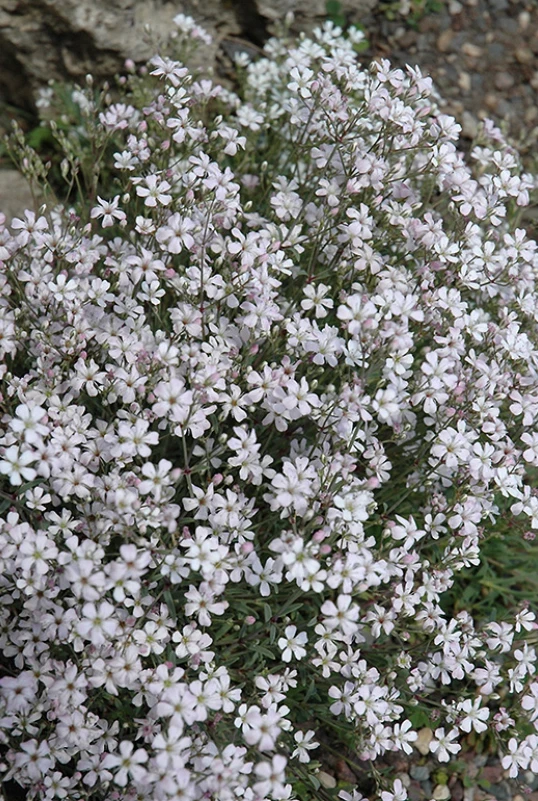
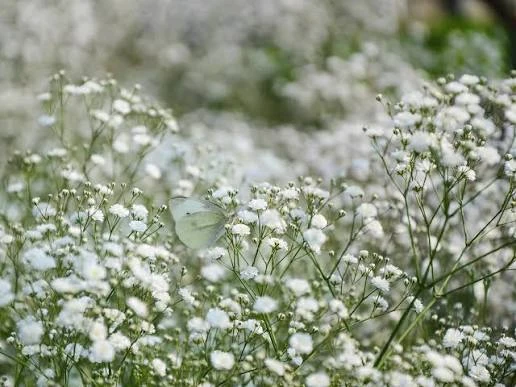
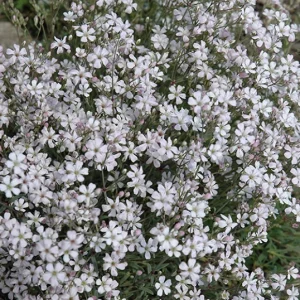
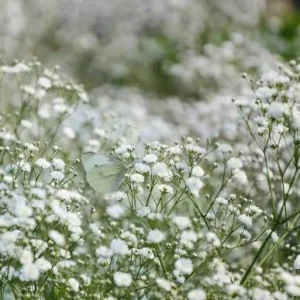
Introduce a touch of ethereal beauty to your green space with our exquisite baby’s breath live plant. This charming Gypsophila, renowned for its delicate, cloud-like clusters of tiny white flowers, is a versatile addition to any garden, patio, or indoor setting. Often associated with innocence and everlasting love, baby’s breath live plant (botanically known as Gypsophila paniculata) is a beloved choice for floral arrangements and a fantastic filler plant in garden beds. This particular specimen arrives thriving in a 3-inch pot, ready to be transplanted or enjoyed as a compact potted plant. Its airy texture and abundant blooms create a soft, romantic aesthetic that complements a wide variety of other plants and decor styles. Whether you’re an experienced gardener or just starting, this gypsophila plant offers a rewarding growing experience with its relatively low maintenance needs and high visual impact.
Key Benefits
Cultivating a baby’s breath live plant brings numerous advantages, enhancing both the beauty and versatility of your plant collection. Its elegant appearance and ease of care make it a favored choice for many plant enthusiasts. Here are some of the key benefits:
- Versatile Decorative Appeal: The delicate white blooms of this baby’s breath live plant are perfect for creating stunning floral arrangements, adding an airy touch to bouquets, or serving as a beautiful accent in garden beds and containers. Its neutral color palette allows it to blend seamlessly with any color scheme.
- Long-Lasting Blooms: Enjoy an extended blooming season, as Gypsophila produces a continuous display of flowers from late spring through summer, providing consistent beauty throughout the warmer months.
- Low Maintenance: Once established, the gypsophila plant is remarkably resilient and requires minimal intervention. It tolerates various soil conditions and is relatively drought-tolerant, making it an excellent choice for busy gardeners.
- Attracts Pollinators: While not a primary pollinator magnet, its small flowers can attract beneficial insects to your garden, contributing to a healthier ecosystem.
- Drought Tolerant: This plant is well-suited for xeriscaping or gardens in drier climates, as it can withstand periods of drought once mature, reducing water usage.
- Easy to Grow: Whether you’re a novice or experienced gardener, learning how to grow baby’s breath is straightforward. It thrives with basic care and provides abundant rewards.
- Charming Fragrance: While subtle, some varieties of baby’s breath emit a light, pleasant fragrance that can add another sensory layer to your garden or indoor space.
Plant Care & Growing Tips
Caring for your baby’s breath live plant is generally straightforward, making it a delightful addition for gardeners of all skill levels. To ensure vigorous growth and abundant blooms, proper attention to its specific needs is crucial. This plant, known for its delicate white flowers, thrives in conditions that mimic its native Mediterranean and Eurasian environments.
For optimal growth, baby’s breath care begins with adequate sunlight. This plant prefers full sun, meaning at least 6-8 hours of direct sunlight per day. If grown indoors, place it near a south-facing window or under bright grow lights. Outdoors, choose a sunny spot in your garden where it won’t be overshadowed by taller plants. Regarding watering, Gypsophila prefers consistently moist but not waterlogged soil, especially when young. Once established, it becomes more drought-tolerant, but regular watering during dry spells will promote healthier growth and more prolific flowering. Allow the top inch or two of soil to dry out completely between waterings to prevent root rot. Good drainage is paramount; sandy or loamy soil types are ideal.
The ideal soil for your gypsophila plant should be well-draining and slightly alkaline (pH 7.0-7.5). Amending heavy clay soils with sand or organic matter can improve drainage. Fertilization is not strictly necessary but a light application of a balanced, slow-release fertilizer in spring can encourage more blooms. Avoid over-fertilizing, as this can lead to excessive foliage growth at the expense of flowers. This plant is generally hardy and can withstand temperatures down to USDA zone 3, but protection from harsh winter winds may be beneficial in colder regions. Pruning after the first flush of flowers can encourage a second bloom and maintain a tidy shape. Watch out for common pests like aphids or spider mites, which can be managed with insecticidal soap if necessary. Understanding how to grow baby’s breath successfully ensures a continuous display of its charming blooms.
Size & Details
This baby’s breath live plant is supplied in a 3-inch nursery pot, providing a healthy, established root system ready for planting. At the time of shipment, the plant typically stands approximately 4-6 inches tall, depending on its growth stage. Gypsophila is a relatively fast-growing plant and can reach a mature height of 18-24 inches with a similar spread when grown in optimal outdoor conditions. When planted in the ground, it will form a mounding habit, creating a beautiful airy texture. If maintained in a container, its size can be kept more compact through pruning. Expect to see its iconic delicate white flowers begin to appear from late spring through summer, offering a long season of enjoyment. This plant is shipped as a live, actively growing specimen, carefully packaged to ensure its safe arrival at your doorstep.
Frequently Asked Questions
- Q: How big does this plant get? A: When mature, the baby’s breath live plant typically reaches a height and spread of 18-24 inches (45-60 cm) in optimal outdoor conditions, forming a lovely rounded mound. Its size can be managed with pruning.
- Q: What size pot does it come in? A: This gypsophila plant is shipped in a standard 3-inch nursery pot, providing a good base for growth and easy transplanting into your garden or a larger decorative container.
- Q: Is this an indoor or outdoor plant? A: While it can be enjoyed indoors temporarily in a very bright spot, the baby’s breath live plant primarily thrives as an outdoor plant, preferring full sun exposure in gardens or on patios.
- Q: How much sunlight does it need? A: For best results and abundant blooms, your baby’s breath live plant requires at least 6-8 hours of direct sunlight per day. Choose a sunny location in your garden or a very bright window indoors.
- Q: Is this plant easy to care for? A: Yes, baby’s breath care is considered relatively easy. Once established, it is quite resilient, tolerating various conditions and requiring minimal intervention, making it great for beginners.
- Q: What condition will it arrive in? A: Your baby’s breath live plant will arrive as a healthy, actively growing specimen in its 3-inch pot, carefully packaged to ensure its safe and fresh arrival.
- Q: When is the best time to plant? A: The best time to plant your baby’s breath live plant outdoors is in spring after the last frost, allowing it ample time to establish before the summer heat.
- Q: What’s the minimum temperature it can tolerate? A: This plant is quite hardy and can tolerate winter temperatures down to USDA Zone 3, meaning it can withstand temperatures as low as -40°F (-40°C) when established in the ground.
- Q: Does this plant attract bees or butterflies? A: While its small flowers can attract some beneficial insects and smaller pollinators, the gypsophila plant is not typically known as a major attractor for large bees or butterflies.
- Q: Can I use the flowers in cut arrangements? A: Absolutely! The delicate white flowers of baby’s breath are a classic choice for cut floral arrangements, adding volume and an airy, elegant touch to bouquets.


Reviews
There are no reviews yet.