Overview
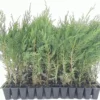
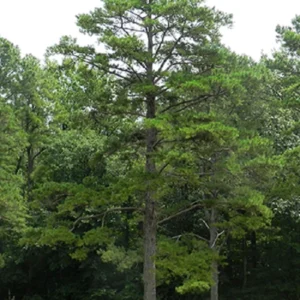
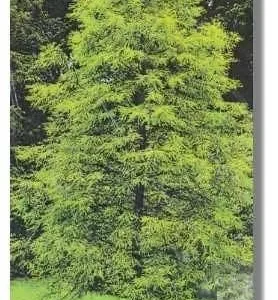
Introduce a touch of natural elegance to your landscape with our premium pack of two bald cypress bare root seedling. Each purchase includes two robust, 2-foot tall bare root seedlings, ready to establish themselves in your garden. The bald cypress tree, scientifically known as Taxodium distichum, is a fascinating deciduous conifer belonging to the Cupressaceae family. Native to the southeastern United States, this tree is celebrated for its remarkable hardiness and adaptability. Unlike most conifers, the Bald Cypress sheds its needles in the fall, revealing a stunning russet-red color before winter. This characteristic makes it a unique and visually appealing choice for various outdoor settings. Whether you’re looking to enhance a wet, dry, or swampy area, the Bald Cypress is an excellent option, providing both beauty and ecological benefits. These bald cypress bare root seedling are an economical and effective way to start growing these magnificent trees.
Key Benefits
The bald cypress tree offers numerous advantages, making it a popular choice for both residential and commercial landscaping:
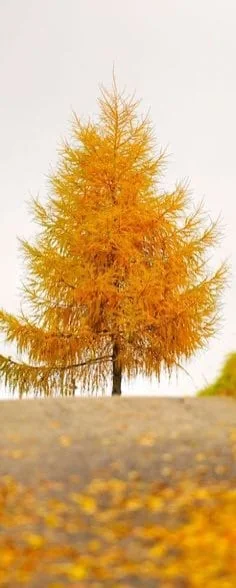
- Stunning Seasonal Color: Enjoy the breathtaking transformation of its delicate, lacy needles as they turn a vibrant russet-red in the fall, providing a spectacular display before dropping for winter. This unique deciduous conifer nature sets it apart from typical evergreen conifers, offering dynamic visual interest throughout the year.
- Exceptional Adaptability: The Bald Cypress is incredibly versatile, thriving in a wide range of soil conditions. It can adapt to constantly wet, periodically flooded, or even drier upland soils, making it suitable for various planting locations where other trees might struggle. This resilience ensures a higher success rate for gardeners. Our bald cypress bare root seedling are prepared for diverse environments.
- Strong and Hardy: Known for its robust nature, the taxodium distichum is a tough tree that can withstand challenging environmental conditions, including strong winds and poor soil. It is a long-lived species, promising decades of beauty and shade.
- Wildlife Habitat: The mature Bald Cypress provides excellent habitat and food sources for various wildlife, including birds, squirrels, and other small animals, contributing to local biodiversity. Its strong branches offer nesting sites, and its seeds are a food source.
- Erosion Control: Due to its strong root system, the Bald Cypress is an effective tree for stabilizing soil and preventing erosion, particularly in riparian zones or areas prone to flooding. Its roots help to bind the soil, protecting banks and shorelines.
- Low Maintenance: Once established, the bald cypress tree requires minimal care, making it an ideal choice for gardeners seeking a beautiful yet easy-to-manage landscape feature. Its natural resistance to many pests and diseases further reduces maintenance needs.
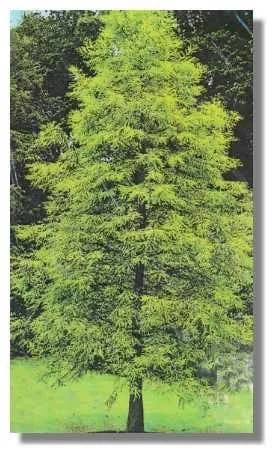
- Unique Appearance: The distinctive conical shape and feathery foliage of the Bald Cypress add a unique aesthetic to any landscape, providing a strong vertical element and an interesting texture. Its characteristic ‘knees’ (pneumatophores) can also add architectural interest in wet environments.
Plant Care & Growing Tips
Caring for your bald cypress bare root seedling is straightforward, especially given its hardy nature. These trees are highly adaptable, making them relatively easy to establish and maintain. They prefer full sun to partial shade, meaning they should receive at least 6 hours of direct sunlight per day for optimal growth. While they are famous for thriving in wet, swampy conditions, they can also perform well in average garden soils, provided they are well-draining. For bare root seedlings, it’s crucial to plant them as soon as possible after arrival, ensuring the roots do not dry out. Dig a hole wide enough to accommodate the spread of the roots and deep enough so that the root collar is at ground level. Backfill with native soil, gently tamping to remove air pockets, and water thoroughly. Successful bald cypress planting begins with proper initial care.
During the first year, consistent watering is key to establishing a strong root system, especially during dry spells. Keep the soil consistently moist but not waterlogged. Once established, the taxodium distichum is quite drought-tolerant, though it will appreciate supplemental watering during extended dry periods. Fertilization is generally not necessary in rich soils, but a balanced, slow-release fertilizer can be applied in spring if soil nutrients are poor. Pruning is typically minimal, focusing on removing any dead, damaged, or crossing branches to maintain a strong structure. The bald cypress tree care routine is relatively hands-off, allowing you to enjoy its natural beauty with ease. These trees are hardy in USDA Zones 4-9, making them suitable for a vast range of climates across the US.
Size & Details
You will receive two bald cypress bare root seedling, each measuring approximately 2 feet (24 inches) in height upon arrival. These seedlings are shipped in a bare root condition, which means they are dormant and do not come with soil around their roots. This method is ideal for transplanting and promotes rapid establishment once planted. The Bald Cypress is a fast-growing tree, often adding 1 to 2 feet of height per year under ideal conditions. When mature, a bald cypress tree can reach impressive heights of 50 to 70 feet, with a spread of 20 to 30 feet, forming a stately, conical silhouette. It is a long-lived species, often living for hundreds of years. The lacy needles are soft to the touch and provide a fine texture in the landscape. These trees are ideal for creating a natural screen, a specimen tree, or for planting in wetter areas of your property. Expect these seedlings to begin showing new growth shortly after planting, given proper care and favorable conditions.
Frequently Asked Questions
- Q: How big will my bald cypress bare root seedling grow? A: Your bald cypress bare root seedling will arrive at approximately 2 feet tall. Mature Bald Cypress trees typically reach heights of 50-70 feet with a spread of 20-30 feet, becoming a grand, stately tree over time.
- Q: Is this an indoor or outdoor plant? A: The bald cypress tree is an outdoor plant. It is a large deciduous conifer that requires ample space to grow and thrives in various outdoor landscape settings.
- Q: How much sunlight does a bald cypress need? A: Bald Cypress trees prefer full sun to partial shade, meaning they should receive at least 6 hours of direct sunlight daily for optimal growth and health.
- Q: What condition will the bald cypress seedlings arrive in? A: You will receive two 2-foot tall bald cypress bare root seedling. They will be dormant and without soil around their roots, which is the standard and most effective way to ship and plant this type of tree for successful bald cypress planting.
- Q: When is the best time for bald cypress planting? A: The best time to plant bare root Bald Cypress seedlings is in early spring, after the last frost, but before the tree breaks dormancy. This allows the roots to establish before the stress of summer heat.
- Q: Can the bald cypress grow in wet soil? A: Yes, the taxodium distichum is famously adaptable to wet and even swampy conditions, making it an excellent choice for areas with poor drainage or near water bodies. It can also thrive in average garden soils.
- Q: Is the bald cypress considered low maintenance? A: Once established, the Bald Cypress is a relatively low-maintenance tree. It is hardy, adaptable, and generally resistant to many common pests and diseases, simplifying its long-term bald cypress tree care.
- Q: What is the USDA hardiness zone for bald cypress? A: The Bald Cypress is hardy in USDA Zones 4-9, indicating its ability to withstand a wide range of winter temperatures across most of the United States.
- Q: What kind of fall color does the bald cypress have? A: The Bald Cypress is renowned for its spectacular fall foliage, with its lacy needles turning a beautiful russet-red before they are shed for the winter, offering a unique seasonal display.
- Q: Will these seedlings grow ‘knees’? A: In consistently wet or swampy conditions, the bald cypress tree may develop characteristic woody protrusions called ‘knees’ from its root system. These are less common in drier, upland plantings.


Reviews
There are no reviews yet.