Overview
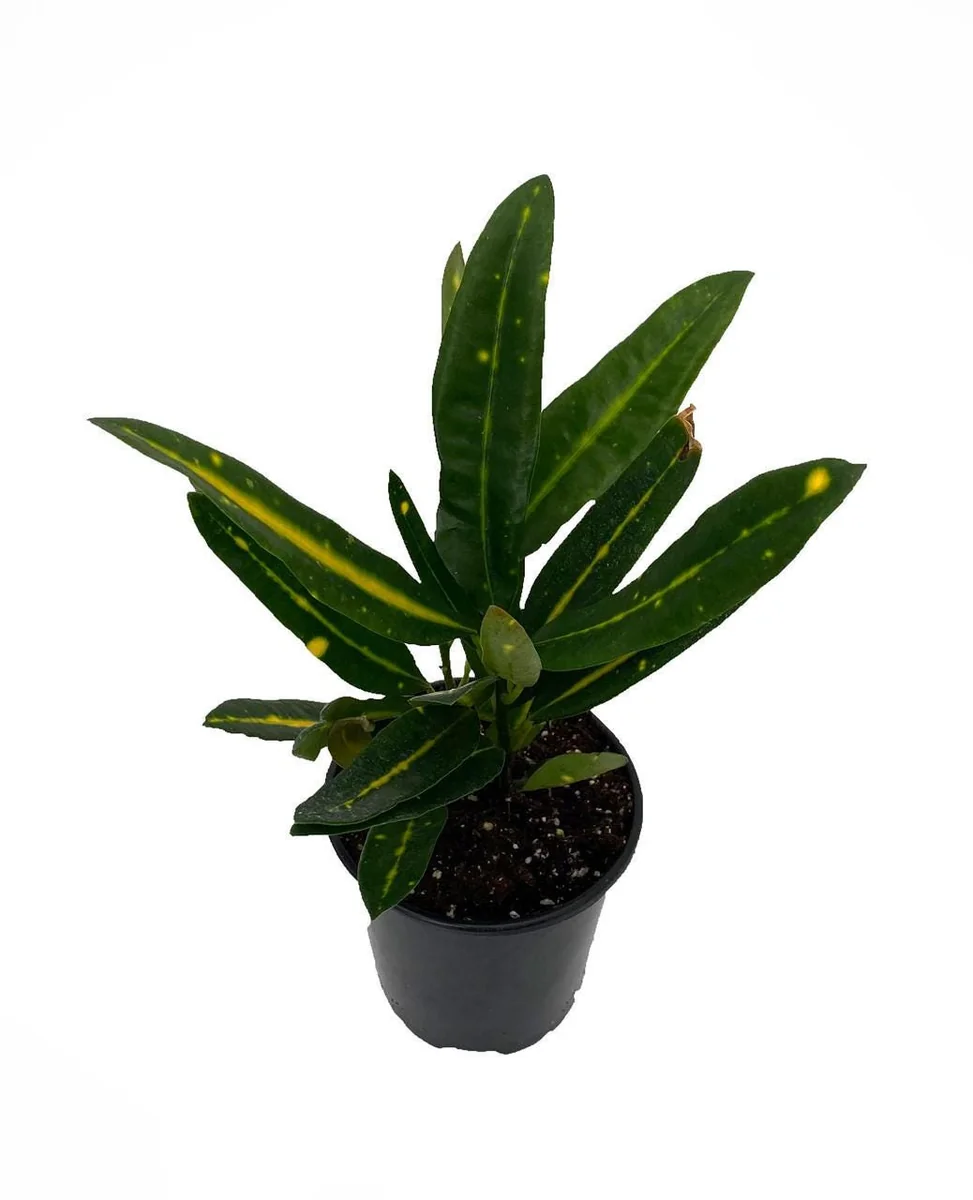
Transform your living space with the dazzling hues of a banana croton live plant. This captivating indoor plant, scientifically known as Codiaeum variegatum, is celebrated for its incredibly vibrant and diverse foliage. Unlike many other houseplants, the croton’s charm lies entirely in its leaves, which boast an extraordinary palette of yellows, greens, oranges, reds, and even purples. Each leaf is a unique work of art, featuring intricate patterns, veins, and blotches that seem to dance with color. Our banana croton live plant arrives in a convenient 4-inch pot, perfectly sized for desks, shelves, or as part of a larger plant arrangement. It’s a fantastic choice for those looking to introduce a dramatic splash of color and tropical flair to their home or office environment. The unique leaf shapes, from slender and elongated to broad and lobed, further enhance its exotic appeal, making it a true conversation starter.
Key Benefits
The banana croton live plant offers a multitude of benefits beyond its stunning appearance, making it a highly desirable addition to any indoor plant collection. Its vibrant foliage can significantly uplift the aesthetic of a room, creating a focal point that draws the eye and brightens the mood. Here are some of the key advantages of owning a banana croton live plant:
- Dramatic Visual Impact: With its kaleidoscope of colors including yellow, green, copper, red, pink, and orange, the croton instantly adds a bold, tropical statement to any decor. The intricate patterns and varied leaf shapes ensure no two leaves are exactly alike.
- Air Purification: Like many houseplants, crotons contribute to a healthier indoor environment by helping to filter airborne toxins and release oxygen, improving overall air quality.
- Enhances Mood & Well-being: The presence of lush, colorful foliage has been shown to reduce stress, improve focus, and boost feelings of well-being, making it ideal for home or office settings.
- Relatively Low Maintenance: While it appreciates consistent care, once its basic needs for light and water are met, the croton is a resilient plant that rewards its owner with spectacular growth and color.
- Versatile Decor Piece: Its compact size in a 4-inch pot makes it perfect for a variety of placements, from windowsills and side tables to bathroom shelves and office desks, adding an exotic touch wherever it goes.
- Unique Foliage: The diverse leaf forms—slender, flat, lobed, crinkled, or twisted—make the indoor croton plant a fascinating specimen, ensuring it stands out from more common houseplants.
- Long-Lived Beauty: With proper care, a croton can thrive for many years, growing into a bushy, impressive specimen that continues to provide vibrant color.
Plant Care & Growing Tips
Caring for your banana croton live plant is straightforward once you understand its preferences. Crotons, originating from tropical climates, thrive in conditions that mimic their natural habitat. The most crucial factor for maintaining their vibrant coloration is light. They prefer bright, indirect light for at least 4-6 hours a day. A south or west-facing window with sheer curtains is ideal. Too little light will cause the colors to fade, and the leaves may turn predominantly green. Direct, harsh sunlight can scorch the leaves, so finding the right balance is key for a truly colorful houseplant.
Watering is another critical aspect of banana croton care. These plants prefer consistently moist soil but absolutely detest soggy roots. Water thoroughly when the top inch of soil feels dry to the touch, allowing excess water to drain completely from the bottom of the pot. Reduce watering slightly during the cooler, darker winter months. Humidity is also vital; crotons love high humidity. You can increase humidity by misting the leaves regularly, placing the pot on a pebble tray filled with water, or using a room humidifier. Maintain indoor temperatures between 60-85°F (15-29°C) and avoid sudden temperature drops or cold drafts, which can cause leaf drop. For optimal growth, fertilize your croton every 2-4 weeks during the growing season (spring and summer) with a balanced liquid fertilizer diluted to half strength. Reduce or stop fertilizing in fall and winter. Repotting may be needed every 1-2 years as the plant grows, moving up one pot size. When considering croton plant types, the ‘Banana’ variety is known for its unique coloring and robust nature.
Size & Details
This banana croton live plant is presented in a 4-inch nursery pot, making it an ideal starter plant or a charming addition to an existing collection. At the time of shipping, the plant typically stands between 6 to 10 inches tall from the base of the pot, with a bushy, vibrant foliage spread that reflects its healthy growth. Crotons are known for their relatively fast growth rate under optimal conditions; plants less than 12 inches tall can become bushy 3 to 5-foot shrubs within two or three years if not pruned. We ship our plants well-rooted and in their growing medium to ensure minimal stress during transit, ready for you to unbox and enjoy. The plant will arrive securely packaged, protecting its delicate leaves and ensuring it’s ready to thrive in your home. Expect to see continuous development of new, brilliantly colored leaves as it settles into its new environment.
Frequently Asked Questions
- Q: How big will my banana croton live plant get? A: In an indoor setting, your croton can grow to be 2-4 feet tall and wide over several years, especially if allowed to grow without significant pruning. It arrives in a 4-inch pot, typically 6-10 inches tall.
- Q: Is this an indoor or outdoor plant? A: The banana croton live plant is primarily grown as an indoor houseplant in most climates. It can be moved outdoors to a shaded or partly shaded location during warm summer months in USDA zones 10-11, but must be brought inside before temperatures drop below 50°F (10°C).
- Q: How much sunlight does a croton need to maintain its vibrant colors? A: To keep its stunning coloration, your croton needs bright, indirect light for at least 4-6 hours per day. Too little light will cause the colors to fade, while too much direct sun can scorch the leaves.
- Q: Is this plant easy to care for? Is it good for beginners? A: Crotons are considered moderately easy to care for. They require consistent attention to their light, water, and humidity needs. They are not as forgiving as some beginner plants, but with proper banana croton care, they can thrive beautifully.
- Q: What kind of soil is best for my croton? A: A well-draining potting mix is essential for crotons. Look for a mix that retains some moisture but doesn’t become waterlogged, often containing peat moss, pine bark, and perlite.
- Q: How often should I water my indoor croton plant? A: Water when the top inch of soil feels dry to the touch. It’s usually every 5-7 days, but this can vary based on light, temperature, and humidity. Always ensure good drainage.
- Q: Are croton plants pet-safe? A: No, crotons are considered toxic to pets and humans if ingested. Keep them out of reach of children and pets.
- Q: What if the leaves of my croton start to drop? A: Leaf drop can be a sign of stress, often due to changes in environment (like being moved to a new home), cold drafts, insufficient light, or improper watering (either too much or too little). Assess its conditions and make adjustments as needed.
- Q: How do I increase humidity for my croton? A: You can increase humidity by misting the leaves daily, placing the pot on a pebble tray filled with water (ensuring the pot doesn’t sit in the water), or using a small room humidifier nearby. This is crucial for a healthy colorful houseplant.
- Q: Can I prune my croton? A: Yes, crotons respond well to pruning. You can prune to maintain a desired size and shape, or to encourage a bushier growth habit. Pruning can also help manage the growth of larger croton plant types.


Reviews
There are no reviews yet.