Overview
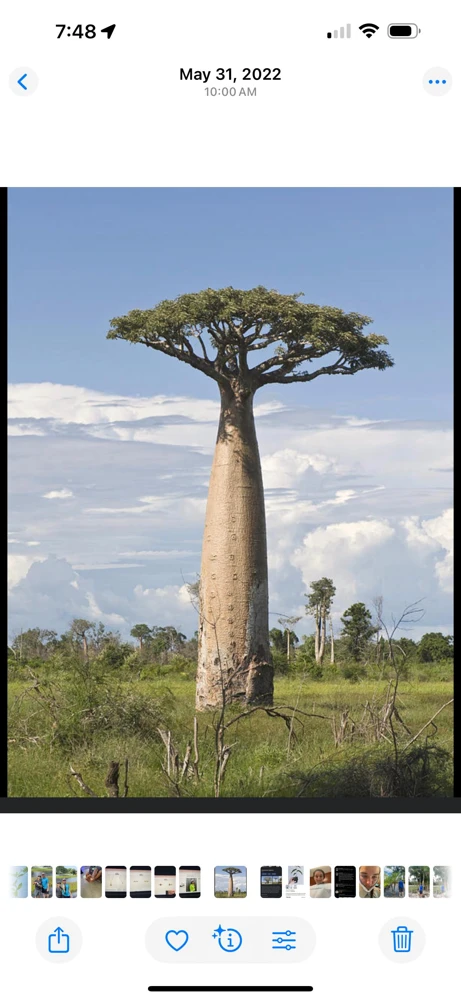
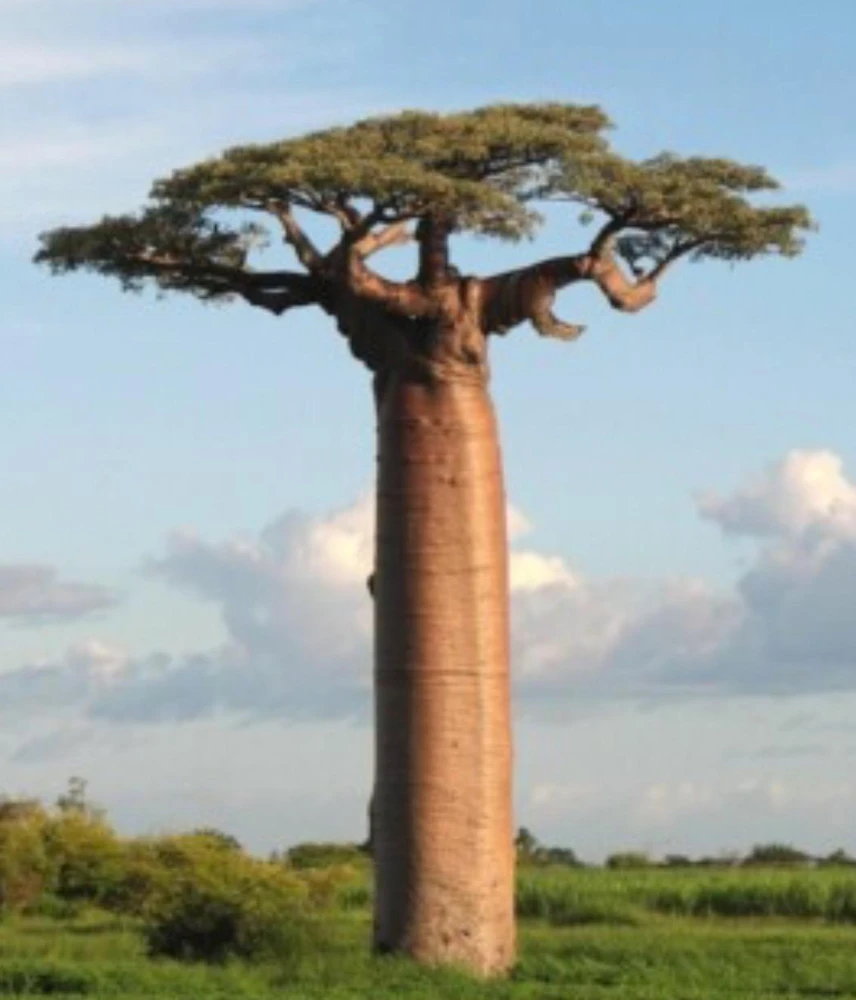
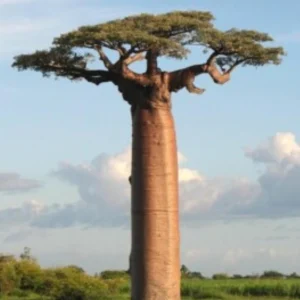
Introduce an iconic piece of nature into your collection with the magnificent Baobab Digitata live plant. Often revered as the “Tree of Life,” the Baobab (Adansonia digitata) is a unique and long-lived specimen, celebrated for its massive, water-storing trunk and its vital role in the ecosystems of arid regions. This offering provides a fully rooted 1 gallon plant, ready to establish itself and begin its impressive journey in your garden. Known for its distinctive silhouette and remarkable resilience, the rare baobab tree is a conversation starter and a testament to nature’s enduring beauty. Its presence adds an exotic and ancient flair, creating a focal point that will capture attention and inspire awe.
The Baobab Digitata live plant is more than just a tree; it’s a living legend. Native to mainland Africa, this species is renowned for its exceptional longevity, with some specimens living for thousands of years. Its unique ability to store vast amounts of water in its trunk allows it to survive in harsh, dry climates, making it a symbol of endurance and life. This particular offering brings you a young, thriving specimen, providing the perfect opportunity to cultivate your own “Tree of Life” and observe its fascinating growth habits firsthand. It’s an ideal choice for enthusiasts seeking something truly special and impactful for their outdoor space or as a potted specimen in suitable climates.
Key Benefits
Cultivating a Baobab Digitata live plant offers a multitude of benefits, from its unique aesthetic appeal to its symbolic significance. This incredible tree brings both visual interest and a sense of connection to ancient ecosystems.
- Unique Ornamental Value: The Baobab’s distinctive bottle-shaped trunk and sparse canopy create an unparalleled architectural statement in any landscape. It’s a truly unique tree that stands out from conventional plantings.
- Drought Resistance: Known for its ability to store water, the Baobab is exceptionally drought-tolerant once established, requiring less frequent watering than many other trees, making it a sustainable choice for arid regions.
- Long-Lived Specimen: With the potential to live for thousands of years, owning a Baobab is an investment in a living legacy, offering generations of beauty and wonder.
- Ecological Importance: In its native habitat, the Baobab supports a wide range of wildlife, providing food and shelter. While your garden specimen may not replicate a full ecosystem, it connects you to this vital role.
- Educational Value: Growing a rare baobab tree provides a fantastic opportunity to learn about unique plant adaptations, arid ecosystems, and the cultural significance of the “Tree of Life.”
- Conversation Starter: Its unusual appearance and intriguing history make the Adansonia digitata an instant talking point, captivating guests and visitors.
- Symbol of Resilience: The Baobab’s ability to thrive in challenging conditions makes it a powerful symbol of strength, endurance, and life.
Plant Care & Growing Tips
To ensure your Baobab Digitata live plant thrives, understanding its specific care requirements is crucial. These trees are adapted to harsh conditions, but proper initial care will set them up for long-term success. The most important aspect of baobab growing conditions is providing ample sunlight and well-draining soil to mimic its natural environment.
Sunlight: Baobabs are sun-worshippers! They absolutely thrive in harsh, direct sunlight and high temperatures. For optimal growth, ensure your plant receives at least 6-8 hours of direct sun daily. In regions with cooler temperatures, consider providing supplemental heat or growing it in a greenhouse during colder months. This Tree of Life plant needs consistent warmth to flourish.
Watering: While drought-resistant, young Baobabs and established plants during their active growing season (typically warmer months) require regular watering. Allow the top few inches of soil to dry out completely between waterings to prevent root rot, which is a common issue for Baobabs if overwatered. During dormancy (cooler months), significantly reduce watering, allowing the soil to remain dry for extended periods. The massive truck is naturally designed for water storage.
Soil: The key to successful Baobab cultivation is excellent drainage. They prefer well-draining soil, such as a mix of cactus or succulent potting mix with coarse river sand, perlite, or pumice. A sandy loam soil with a slightly acidic to neutral pH (6.0-7.0) is ideal. Avoid heavy, clayey soils that retain too much moisture. Good drainage is paramount to prevent root rot and ensure the health of your Adansonia digitata.
Temperature & Hardiness: Baobabs are tropical trees and are not frost-tolerant. They thrive in temperatures above 50°F (10°C) and prefer much warmer conditions. In USDA zones where frost occurs, they should be grown in containers and brought indoors or into a greenhouse during winter. Ideal growing temperatures are consistently above 70°F (21°C).
Fertilization: Fertilize sparingly. During the active growing season, a balanced, slow-release granular fertilizer or a diluted liquid feed (half strength) can be applied every 4-6 weeks. Avoid fertilizing during dormancy. Over-fertilization can harm the plant.
Pruning: Pruning is generally not required for Baobabs, but you can prune to shape the tree or remove any dead or damaged branches. Do this during the active growing season to allow the cuts to heal quickly.
Size & Details
This offering is for one fully rooted Baobab Digitata live plant, supplied in a 1 gallon nursery pot. At this stage, the plant will have a developing caudex (trunk) and a healthy root system, ready for transplanting into a larger container or a suitable outdoor location. The exact height will vary but typically ranges from 12 to 24 inches tall upon arrival, depending on growth. Baobabs are known for their relatively slow initial growth rate, gradually developing their iconic thick trunks over many years. With proper baobab growing conditions, this tree will develop into a robust specimen, eventually reaching impressive sizes in tropical climates, often 20-30 feet tall or more in maturity in its native habitat. For container growing, expect a more manageable, yet still striking, size.
Frequently Asked Questions
- Q: How big does this Baobab Digitata live plant get? A: In its native tropical habitat, Baobabs can grow into massive trees, often reaching 20-30 feet or more in height with very wide trunks. When grown in containers or in non-native climates, their size will be more restricted, typically remaining smaller but still forming a very distinctive and impressive specimen.
- Q: What size pot does the Baobab come in? A: This rare baobab tree is shipped as a fully rooted plant in a 1 gallon nursery pot, providing a good foundation for its continued growth.
- Q: Is this an indoor or outdoor plant? A: The Baobab Digitata live plant thrives outdoors in full, direct sun and warm temperatures. In regions that experience frost or cold winters, it should be grown in a container and brought indoors or into a heated greenhouse during the colder months.
- Q: How much sunlight does it need? A: Baobabs require a significant amount of direct sunlight, ideally 6-8 hours or more per day. They are adapted to bright, harsh sun conditions.
- Q: Is this plant easy to care for? A: Once established and given the correct baobab growing conditions, Baobabs are relatively low-maintenance due to their drought tolerance. However, they do have specific requirements for warmth and well-draining soil, making them best suited for gardeners who can meet these needs.
- Q: What condition will it arrive in? A: Your Adansonia digitata will arrive as a healthy, fully rooted plant, carefully packaged to ensure its safe transit. We take utmost care to protect it during shipping.
- Q: How long until it develops its iconic thick trunk? A: The development of the Baobab’s characteristic thick, bottle-shaped trunk is a gradual process that takes many years. While your 1 gallon plant will have a developing caudex, the full iconic form will emerge over a decade or more with proper care.
- Q: What’s the minimum temperature this Tree of Life plant can tolerate? A: Baobabs are very sensitive to cold and cannot tolerate frost. They prefer temperatures consistently above 50°F (10°C) and thrive in much warmer conditions, ideally above 70°F (21°C).
- Q: What kind of soil is best for the Baobab Digitata live plant? A: They prefer very well-draining soil. A mix designed for cacti and succulents, often amended with extra sand or perlite, is ideal to prevent root rot.
- Q: Do I need to prune my Baobab? A: Generally, light pruning can be done to shape the tree or remove any dead or crossing branches. Extensive pruning is usually not necessary.


Reviews
There are no reviews yet.