Overview
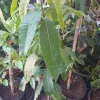
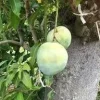
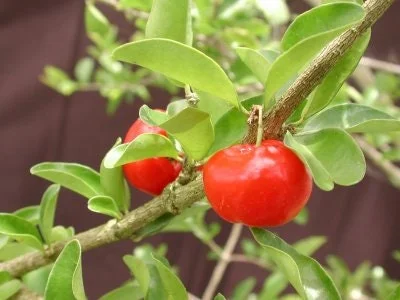
Discover the joy of growing your own Barbados Cherry live plant, a tropical gem renowned for its incredibly nutritious fruit. Also known as Acerola Cherry (Malpighia emarginata), this fast-growing, bushy tree is a fantastic addition to any garden or patio. Our Barbados Cherry live plant arrives at your doorstep thriving and ready to flourish, providing both ornamental beauty and a bountiful harvest. Whether you’re a seasoned gardener or a curious beginner, this resilient plant offers a rewarding growing experience, culminating in sweet to sub-acid cherries that are a powerhouse of essential vitamins.
The acerola cherry tree is celebrated not only for its fruit but also for its versatility in landscaping. It can be cultivated as a standalone specimen, shaped into an attractive hedge, or even trained as a standard tree, making it suitable for various garden designs. Originating from the Caribbean and Central America, this plant thrives in warm climates and can be a prolific producer of fruit, often bearing multiple crops throughout the year. Its vibrant green foliage and delicate pink flowers add an exotic touch before the delicious red cherries begin to ripen.
Key Benefits
The Barbados Cherry live plant offers a multitude of benefits, making it a highly desirable choice for fruit enthusiasts and gardeners alike. Its ease of care combined with its generous yields ensures a satisfying experience.
- Exceptional Nutritional Value: The cherries are famously high in Vitamin C, with a single fruit containing the equivalent Vitamin C content of numerous oranges. This makes it a superb natural source for boosting immunity and overall health.
- Delicious and Versatile Fruit: Enjoy the sweet to sub-acid flavor of fresh Barbados cherries. They are perfect for snacking, juicing, making jellies, jams, and can even be frozen without losing their impressive Vitamin C content.
- Fast-Growing and Productive: This tropical fruit plant is known for its rapid growth rate, allowing you to enjoy a harvest much sooner than many other fruit trees. With proper care, it can produce fruit multiple times a year.
- Adaptable Growth Habit: The plant’s bushy nature allows it to be easily shaped. Train it as a small tree, a dense hedge for privacy, or a decorative standard, fitting seamlessly into various garden layouts.
- Ornamental Appeal: Beyond its fruit, the Barbados Cherry boasts attractive foliage and delicate, often pink, flowers that add significant aesthetic value to your outdoor space or even a large indoor container.
- Resilient and Easy Care: Known for its hardiness, the Barbados Cherry live plant is relatively low-maintenance once established, making it suitable for gardeners of all skill levels.
- Supports Local Ecosystem: Its flowers can attract pollinators, contributing to the biodiversity of your garden environment.
Plant Care & Growing Tips
Caring for your Barbados Cherry live plant is straightforward, and with the right conditions, it will reward you with abundant fruit. This tropical species thrives in warm environments and requires specific attention to sunlight, water, and soil to reach its full potential. Understanding the needs of your acerola cherry tree is key to a successful harvest.
Sunlight: The Barbados Cherry requires full sun exposure to produce the best fruit. Aim for at least 6-8 hours of direct sunlight per day. In very hot climates, some afternoon shade can be beneficial to prevent leaf scorch, but generally, more sun equals more fruit. If growing indoors, place it near a south-facing window or supplement with a grow light to ensure adequate light.
Watering: Consistent moisture is crucial, especially during flowering and fruiting periods. Water thoroughly when the top inch or two of soil feels dry to the touch. Ensure good drainage to prevent root rot. While established plants can tolerate some drought, regular watering will result in a healthier plant and more prolific fruit production. Reduce watering slightly during cooler, less active periods.
Soil: This plant prefers well-draining, slightly acidic to neutral soil (pH 6.0-7.0). A good quality potting mix amended with compost or organic matter works well for container planting. For in-ground planting, ensure the soil is not heavy clay. Good drainage is paramount for the health of your tropical fruit plant. If your soil is heavy, amend it with sand or perlite to improve aeration and drainage.
Temperature & Hardiness: The Barbados Cherry is a tropical plant, hardy in USDA Zones 9-11. It prefers temperatures between 60-85°F (15-30°C). It can tolerate brief dips to 30°F (-1°C) but will suffer frost damage below that. If you live in a colder zone, it’s best grown in a container and brought indoors or protected during winter. Consistent warmth will encourage better growth and fruiting.
Fertilization: Fertilize your Barbados Cherry live plant during the growing season (spring through fall) with a balanced fertilizer or one formulated for fruit trees. Follow the package instructions for application rates. Reduce or stop fertilization during the dormant winter months. Organic options like compost or fish emulsion can also be beneficial.
Pruning: Prune your plant to maintain its shape, control size, and encourage better air circulation and fruit production. Prune after fruiting, removing any dead, diseased, or crossing branches. You can also prune to shape it as a hedge or standard, as desired. Regular pruning helps to stimulate new growth and more flowers, leading to more fruit.
Pests & Diseases: The acerola cherry tree is relatively resistant to pests and diseases, but keep an eye out for common garden pests like aphids or spider mites. Treat with organic insecticidal soap if necessary. Ensure good air circulation to prevent fungal issues.
Size & Details
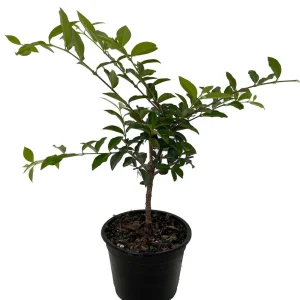
This Barbados Cherry live plant is a robust specimen, standing approximately 3 feet tall from the base of the pot to the top of the foliage, making it a substantial starter plant for your garden or patio. It is carefully nurtured and shipped in a 3-gallon nursery pot, providing ample space for its root system to establish and grow. The plant has a fast growth rate and can reach mature heights of 10-15 feet if planted in the ground, though it can be kept smaller with regular pruning in containers. Expect your plant to begin producing fruit within 1-2 years under optimal growing conditions, offering multiple flushes of sweet cherries annually. This ensures you’ll soon be enjoying your very own Vitamin C-rich harvest from your very own tropical fruit plant.
Frequently Asked Questions
- Q: How big does this Barbados Cherry live plant get? A: This plant arrives approximately 3 feet tall in a 3-gallon pot. In the ground, it can reach 10-15 feet tall, but it can be maintained at a smaller size with pruning, especially when grown in a container.
- Q: Is this an indoor or outdoor plant? A: The Barbados Cherry is a tropical plant best suited for outdoor growing in USDA Zones 9-11. In colder zones, it can be grown in a container and brought indoors during winter or protected from frost.
- Q: How much sunlight does the acerola cherry tree need? A: It requires at least 6-8 hours of direct sunlight per day for optimal growth and fruit production. Full sun is generally best, though some afternoon shade might be beneficial in very hot climates.
- Q: Is this plant easy to care for? A: Yes, the Barbados Cherry care is considered relatively easy. It’s a robust and forgiving plant, making it suitable for both experienced and novice gardeners, provided its basic needs for sun and water are met.
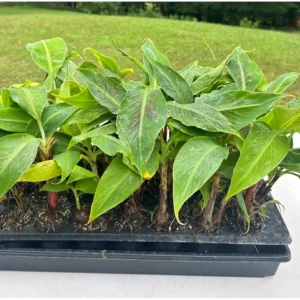
- Q: What condition will it arrive in? A: Your Barbados Cherry live plant will arrive in a 3-gallon nursery pot, well-rooted and carefully packaged to ensure its safe transit and healthy arrival. We take great care in preparing our plants for shipment.
- Q: When is the best time to plant a tropical fruit plant like the Barbados Cherry? A: The best time to plant is in spring or early summer, allowing the plant ample time to establish itself before cooler weather. If planting in a container, it can be done year-round with proper indoor conditions.
- Q: How long until it starts producing fruit? A: With good care, your Barbados Cherry plant can begin producing fruit within 1-2 years of planting. It is known for its fast growth and relatively quick fruiting time.
- Q: Can the fruit be used in cooking? A: Absolutely! The cherries are excellent for making juices, jams, jellies, and sauces. They are also delicious eaten fresh straight from the tree.
- Q: What kind of soil does it prefer? A: It thrives in well-draining soil with a slightly acidic to neutral pH. A good quality potting mix with added organic matter is ideal for container growing.
- Q: Is the vitamin C fruit tree cold hardy? A: It is hardy in USDA Zones 9-11. It can tolerate brief periods down to 30°F (-1°C), but prolonged frost will cause damage. Protection in colder zones is essential.


Reviews
There are no reviews yet.