Overview
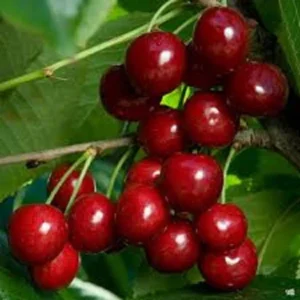
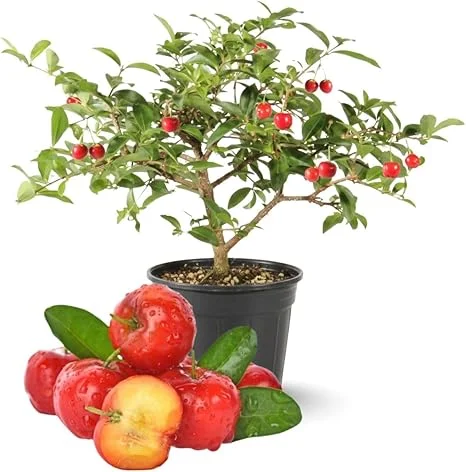
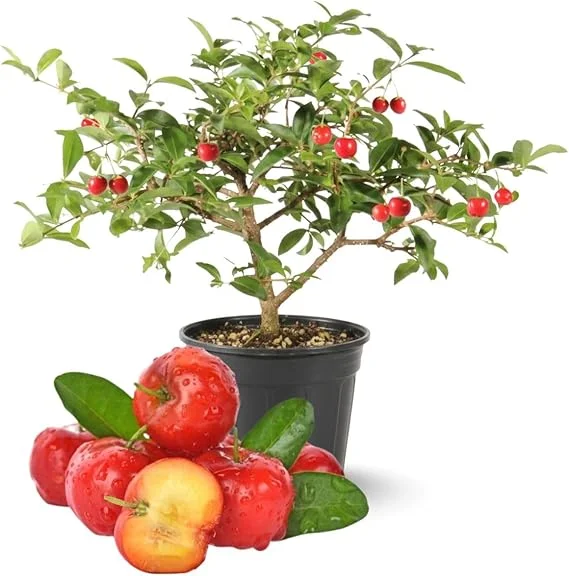
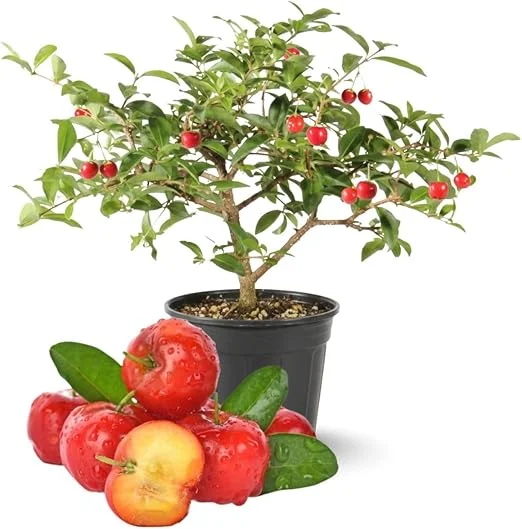
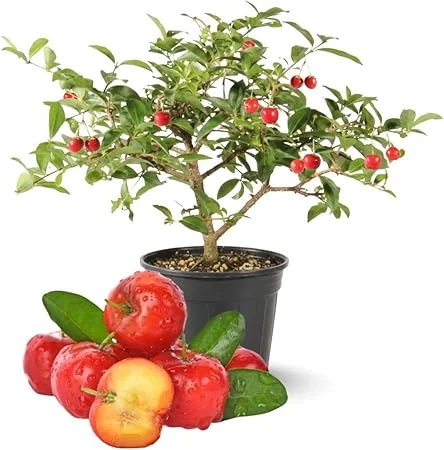
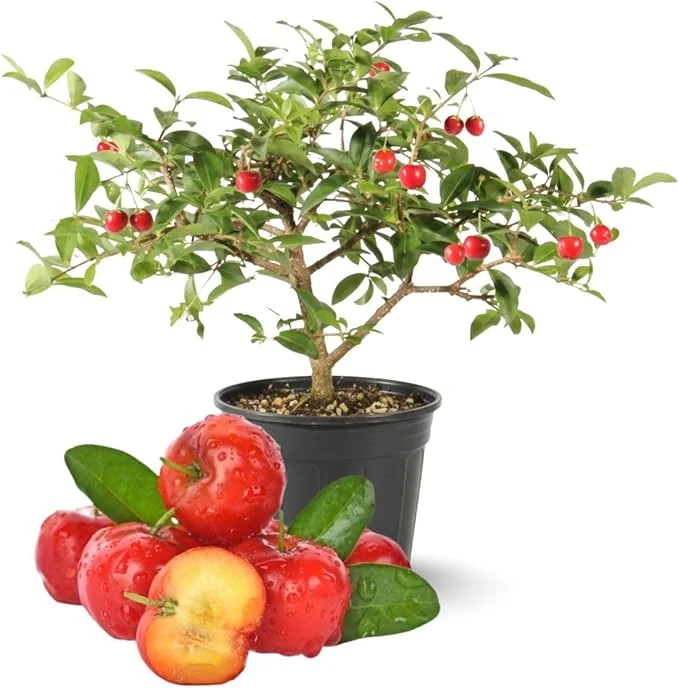
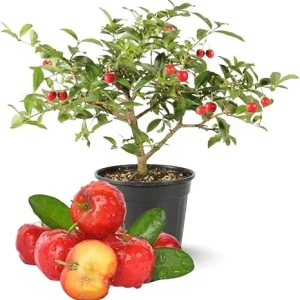
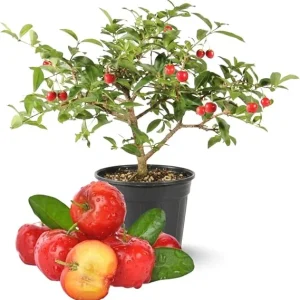
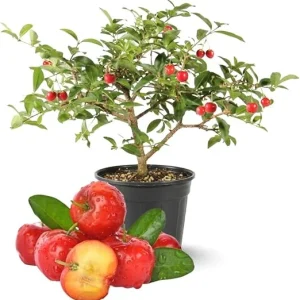
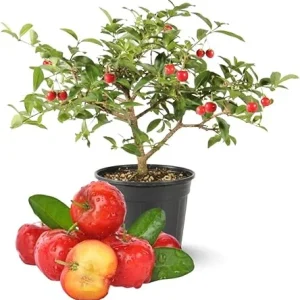
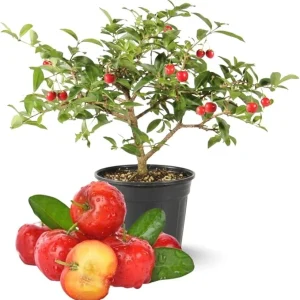
Experience the joy of growing your own delicious and highly nutritious fruit with this exquisite Barbados cherry live plant. Known botanically as Malpighia emarginata, this vibrant plant is renowned for its tart yet sweet, cherry-like fruits, packed with Vitamin C. Our 12–18 inch tall specimen arrives ready to thrive, offering both ornamental beauty and a bountiful harvest. Perfect for gardeners seeking an easy-to-grow fruit tree, the Barbados cherry tree care is surprisingly simple, making it an excellent choice for both novices and seasoned plant enthusiasts. This particular variety is a compact, dwarf form, making it exceptionally versatile for various outdoor settings, including container gardening.
The Barbados Cherry, also sometimes referred to as Acerola Cherry, is a tropical fruit tree native to the Caribbean and Central America. Its small, bright red fruits are not only tasty but also celebrated for their health benefits. This edible cherry plant will provide you with fresh, organic fruit right from your own backyard or patio. Its lush green foliage and delicate pink flowers add an attractive touch to any landscape before the fruits even begin to appear. Discover the satisfaction of cultivating a plant that looks good and provides a healthy, delicious harvest.
Key Benefits
Adding a Barbados cherry live plant to your garden offers a multitude of advantages, from its aesthetic appeal to its functional yield. This plant is a true gem for any outdoor space.
- Abundant Edible Fruit: Enjoy a continuous supply of fresh, vitamin C-rich cherries. The plant is known to set fruit throughout the year in ideal conditions, providing a steady harvest for snacking, juicing, or making jams.
- Compact & Versatile Size: This dwarf cherry plant reaches a manageable size, making it perfect for small gardens, patios, balconies, or even as a distinctive container plant. Its adaptable growth habit allows it to fit into diverse outdoor environments.
- Low Maintenance & Easy Care: Ideal for beginner plant lovers, the Barbados Cherry requires minimal fuss. Once established, it is relatively drought-tolerant and resilient, demanding less attention than many other fruit-bearing trees.
- Attractive Ornamental Value: Beyond its fruit, the plant boasts glossy green leaves and charming pink to lavender flowers, adding a touch of tropical beauty to your landscape even when not fruiting.
- Thrives in Warm Climates: Perfectly suited for USDA zones 9–11, this plant loves warm sunlight and steady heat, ensuring robust growth and prolific fruiting in suitable regions.
- Boosts Garden Biodiversity: As a fruit-bearing plant, it can attract beneficial pollinators and local wildlife, contributing to a healthier and more vibrant garden ecosystem.
- Healthful Harvest: The fruits of the malpighia emarginata are renowned for their exceptionally high vitamin C content, offering a natural and delicious way to support your well-being.
Plant Care & Growing Tips
Caring for your Barbados cherry live plant is straightforward, ensuring a healthy, fruit-bearing specimen for years to come. This plant thrives with proper attention to its environmental needs.
Sunlight Requirements: The Barbados Cherry is a sun-loving plant that requires full sun exposure to produce the best fruit. Aim for at least 6-8 hours of direct sunlight per day. In extremely hot climates, some afternoon shade can be beneficial to prevent leaf scorch, but generally, more sun means more fruit. Position your plant in the brightest spot in your garden or on your patio to encourage vigorous growth and fruiting.
Watering Schedule & Soil Moisture: While established plants are somewhat drought-tolerant, consistent watering is crucial, especially during flowering and fruiting periods. Water thoroughly when the top 1-2 inches of soil feel dry to the touch. Ensure good drainage to prevent root rot. Reduce watering frequency during cooler months or dormant periods. For container plants, monitor soil moisture more closely as they tend to dry out faster.
Soil Type & Drainage: This edible cherry plant prefers well-draining soil. A slightly acidic to neutral pH (6.0-7.0) is ideal. If planting in the ground, amend heavy clay soils with organic matter like compost or perlite to improve drainage. For potted plants, use a high-quality potting mix designed for fruit trees or general outdoor plants, ensuring it allows water to pass through freely. Good drainage is paramount for healthy root development.
Temperature Range & USDA Hardiness Zone: The Barbados Cherry is a tropical plant and is best suited for USDA Hardiness Zones 9–11. It loves warmth and is sensitive to frost. Temperatures below 30°F (-1°C) can cause significant damage or even kill the plant. If you live in a colder zone, grow the plant in a container that can be moved indoors or protected during winter months. This plant thrives in steady heat, which helps with fruit production.
Fertilization Schedule: Fertilize your malpighia emarginata with a balanced, slow-release fertilizer or a fruit tree specific formula during the growing season (spring through fall). Follow the product instructions for application rates. A light feeding every 2-3 months is usually sufficient. Avoid over-fertilizing, which can lead to excessive foliage growth at the expense of fruit production. Organic compost can also be incorporated to enrich the soil naturally.
Size & Details
Your Barbados cherry live plant arrives as a vibrant specimen, typically measuring 12–18 inches in height from the base of the plant. This compact and robust plant is an excellent choice for immediate placement in your garden or a larger container. It is a relatively fast-growing shrub that can reach mature heights of 6-10 feet if left unpruned, though it can be easily maintained at a smaller size through regular pruning, especially when grown as a dwarf cherry plant for patio use. The plant is shipped in a nursery pot with established roots, ensuring a smooth transition to its new home. Expect to see flowers and fruit within the first year or two under optimal growing conditions, with continuous fruiting cycles throughout the year in its preferred zones.
Frequently Asked Questions
- Q: How big does this Barbados cherry live plant get? A: This plant typically arrives 12-18 inches tall. While it can reach 6-10 feet in the ground, it can be pruned to maintain a smaller, more manageable size, making it an ideal dwarf cherry plant for containers.
- Q: Is this an indoor or outdoor plant? A: The Barbados Cherry is primarily an outdoor plant, thriving in full sun. If you live outside USDA zones 9–11, you can grow it in a container and bring it indoors during colder months.
- Q: How much sunlight does the edible cherry plant need? A: This plant requires at least 6-8 hours of direct full sun daily for optimal growth and fruit production. Plenty of sunlight is key for a healthy and productive Barbados cherry live plant.
- Q: Is this plant easy to care for? A: Yes, the Barbados Cherry is considered a low-maintenance plant, making it suitable for beginner gardeners. Its resilience and adaptability contribute to its easy-care nature.
- Q: What condition will the Barbados cherry live plant arrive in? A: Your plant will arrive healthy, well-rooted, and carefully packaged in its nursery pot, ready for planting. We ensure it’s protected during transit to reach you in excellent condition.
- Q: When is the best time to plant a Barbados cherry tree? A: The best time to plant is in spring or early summer, allowing the plant ample time to establish itself before cooler weather. This timing supports the robust growth of your edible cherry plant.
- Q: Will it survive winter in my zone? A: It thrives in USDA zones 9–11. If your zone experiences frost, you’ll need to provide winter protection or grow it in a container to move indoors.
- Q: Can I grow this malpighia emarginata in a pot? A: Absolutely! Its compact nature makes it an excellent candidate for container growing, especially if you need to move it indoors during winter or have limited garden space.
- Q: How long until it starts producing fruit? A: Under good conditions, your Barbados cherry live plant can start producing fruit within 1-2 years of planting. Established plants often fruit continuously throughout the year.
- Q: What are the fruits of this edible cherry plant used for? A: The fruits are delicious eaten fresh, juiced, or used in jams, jellies, and desserts. They are highly prized for their tart flavor and exceptional vitamin C content.


Reviews
There are no reviews yet.