Overview
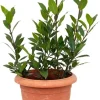
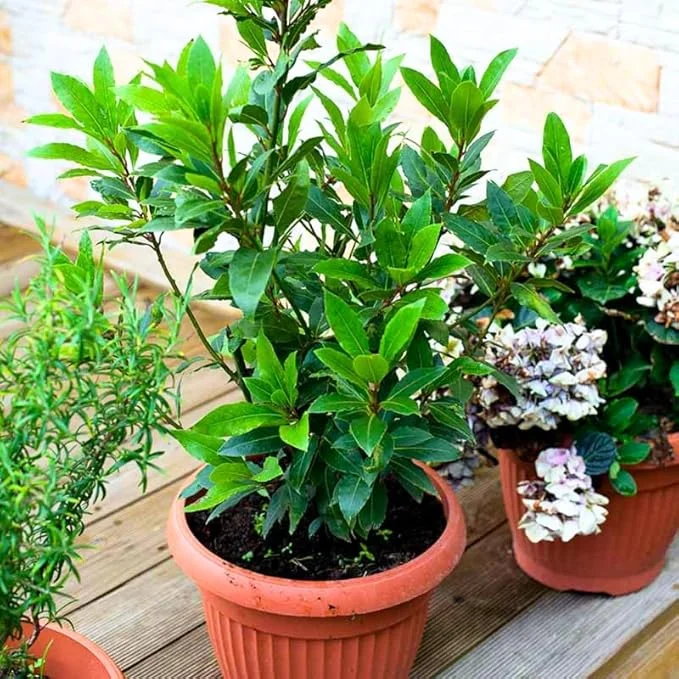
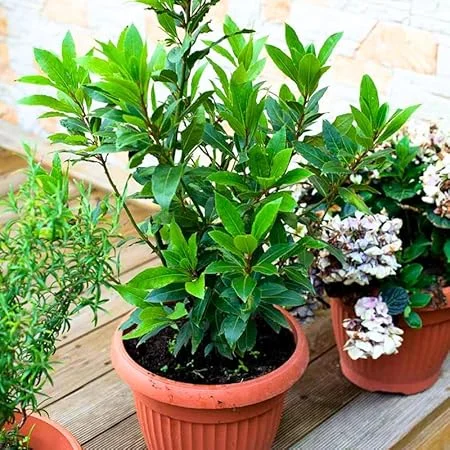
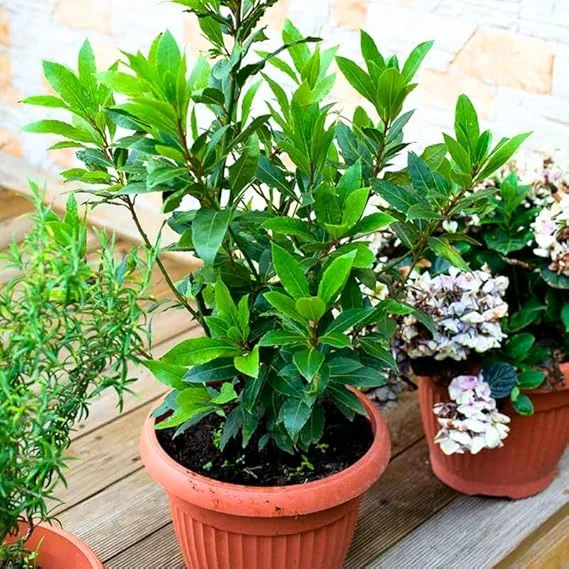
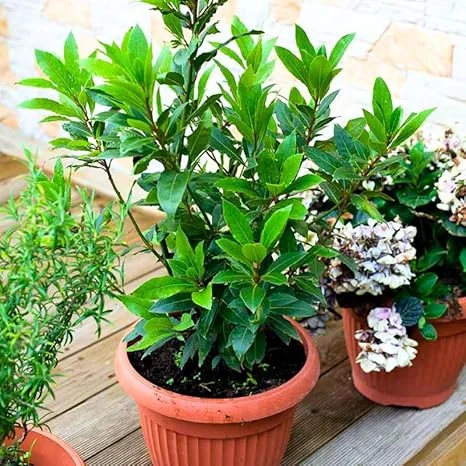
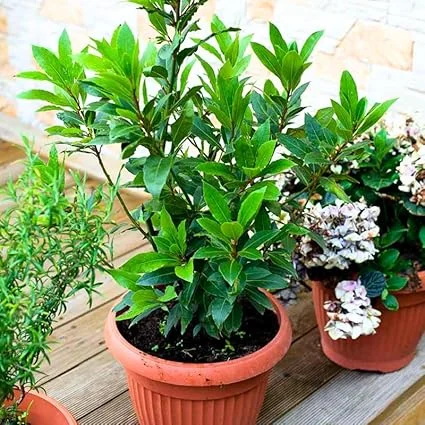
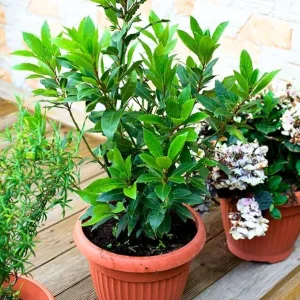
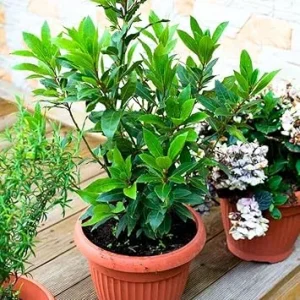
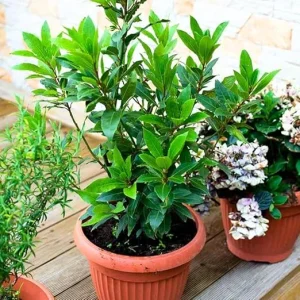
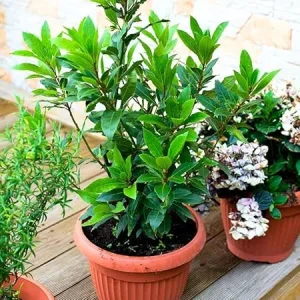
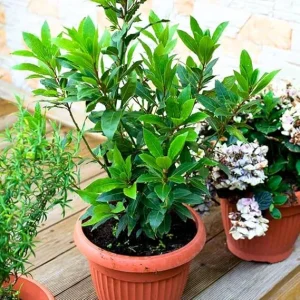
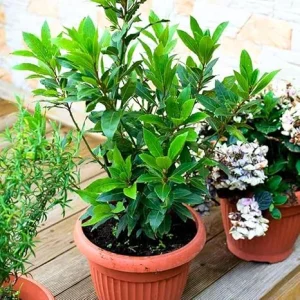
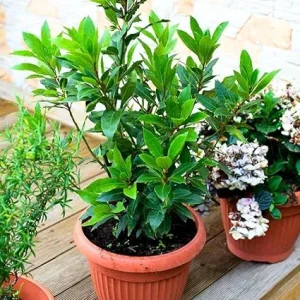
Introduce the timeless elegance and practical benefits of a bay laurel live plant into your garden or home. This magnificent 8-10 inch starter plant, botanically known as Laurus nobilis, is widely cherished for its aromatic leaves, which are a staple in gourmet cooking worldwide. Originating from the Mediterranean region, the Sweet Bay Laurel is not just a fragrant herb but also a beautiful, versatile evergreen that can be grown as a shrub or small tree. Whether you’re a seasoned gardener or a culinary enthusiast looking to grow your own herbs, this well-rooted specimen is ready to thrive and provide you with fresh bay leaves for years to come. Its adaptability makes it perfect for various growing environments, allowing you to enjoy its beauty and utility.
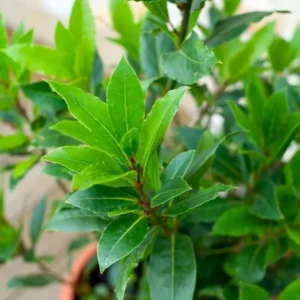
The bay laurel live plant is renowned for its resilience and can adapt to a range of conditions, making it an excellent choice for diverse climates and growing situations. Its glossy, dark green leaves release a distinctive, pleasant aroma when bruised or cooked, elevating any dish from soups and stews to marinades. This plant is more than just a culinary ingredient; it’s a piece of living history, symbolizing victory and honor since ancient times. Cultivating your own ensures a fresh, organic supply of this invaluable herb, enhancing both your garden’s aesthetic and your kitchen’s flavor profile. Discover the joy of growing your own fragrant bay leaves with this robust and healthy live plant.
Key Benefits
Owning a bay laurel live plant offers a multitude of advantages, blending aesthetic appeal with practical culinary uses. This versatile plant is a must-have for any home gardener or chef.
- Culinary Excellence: Provides a continuous supply of fresh, aromatic bay leaves, far superior in flavor to dried varieties. These leaves are essential for adding depth to stews, soups, sauces, and roasts, making every meal a gourmet experience. Having a culinary bay leaf plant at hand transforms your cooking.
- Adaptable Growth: Thrives both indoors and outdoors, making it suitable for a wide range of climates and living situations. It can be grown in containers on patios, in sunny windowsills, or directly in the garden, offering flexibility in placement.
- Ornamental Value: With its attractive, glossy evergreen foliage, the Sweet Bay Laurel serves as a beautiful decorative plant. It can be pruned into various shapes, including topiaries, adding sophisticated greenery to any space.
- Easy Maintenance: This plant is remarkably low-maintenance once established, requiring moderate watering and occasional pruning to maintain its desired shape and size. It’s an ideal choice for both novice and experienced gardeners.
- Fragrant Atmosphere: The distinct, pleasant aroma of its leaves can subtly scent your home or garden, creating a refreshing and inviting ambiance. It’s a natural air freshener.
- Long-Lived Specimen: A well-cared-for Sweet Bay Laurel can live for many years, becoming a cherished part of your home or garden landscape. Its longevity ensures a lasting source of fresh bay leaves.
- Pest Resistant: Generally resistant to common garden pests, contributing to easier care and healthier growth without the need for extensive chemical treatments. Knowing how to provide sweet bay tree care will ensure a thriving plant.
Plant Care & Growing Tips
Proper care is essential for your bay laurel live plant to flourish and provide an abundant harvest of fragrant leaves. This section outlines the key steps to ensure its healthy growth, whether you’re interested in growing bay leaf indoors or outdoors.
Sunlight Requirements: The Sweet Bay Laurel thrives in full sun, meaning it prefers at least 6-8 hours of direct sunlight per day. When growing outdoors, choose a location with ample sun exposure. If kept indoors, place it near a south-facing window where it can receive bright, direct light. While it can tolerate partial shade, too little light may result in leggy growth and fewer aromatic leaves. Adequate sunlight is crucial for robust growth and the development of its distinctive flavor, making laurus nobilis plant care straightforward.
Watering Schedule and Soil Moisture: This plant prefers consistently moist, but not waterlogged, soil. Water thoroughly when the top inch of soil feels dry to the touch. During hot, dry periods, or if grown in containers, it may require more frequent watering. Reduce watering in winter, allowing the soil to dry out a bit more between waterings. Ensure good drainage to prevent root rot, which is a common issue for many potted plants. This is a key aspect of effective sweet bay tree care.
Soil Type and Drainage: A well-draining potting mix is crucial for container-grown plants. A general-purpose potting soil amended with perlite or sand to improve drainage works well. For garden planting, ensure the soil is rich in organic matter and drains freely. Heavy clay soils should be amended with compost and grit to prevent water retention around the roots. The ideal soil pH for a bay laurel live plant ranges from slightly acidic to neutral (6.0-7.0).
Temperature Range and USDA Hardiness Zone: Sweet Bay Laurel is suitable for USDA Zones 8–11. In colder zones (below Zone 8), it should be grown in containers and brought indoors before the first frost. It can tolerate temperatures down to about 20°F (-6°C) for short periods, but sustained freezing temperatures can be damaging. Indoors, maintain average room temperatures between 60-75°F (15-24°C). Protecting your laurus nobilis plant from extreme cold is vital for its survival.
Fertilization Schedule: Fertilize your bay laurel plant during the active growing season (spring and summer) with a balanced, all-purpose liquid fertilizer every 2-4 weeks. Reduce or cease fertilization during fall and winter when the plant’s growth slows down. Over-fertilization can lead to leaf burn, so always follow the product’s instructions. A healthy feeding regimen supports vigorous growth and leaf production for your culinary bay leaf plant.
Pruning: Prune your bay laurel to maintain its shape, control its size, and encourage bushier growth. Pruning can be done at any time of year, but it’s often best in late winter or early spring before new growth begins. You can also harvest leaves regularly, which naturally prunes the plant and stimulates new growth. Regular pruning helps manage the growth of your bay laurel live plant, whether you are growing bay leaf indoors or outdoors.
Size & Details
This offering is for one bay laurel live plant, approximately 8-10 inches tall. It is a well-rooted starter plant, carefully cultivated and ready for transplanting into a larger pot or directly into your garden. The plant is shipped in a nursery pot to ensure its health and integrity during transit. Mature plants, when grown in optimal conditions and depending on pruning, can reach a height of 6–12 feet and a width of 4–8 feet. Its growth rate is moderate, allowing you to enjoy its development over time. This particular size is ideal for establishing a new herb garden or adding to an existing collection, providing a robust foundation for future growth and abundant harvests of fresh bay leaves. Understanding the mature size helps in planning for your sweet bay tree care.
Frequently Asked Questions
- Q: How big does this plant get? A: This bay laurel live plant typically arrives as an 8-10 inch starter. When mature, it can reach 6–12 feet tall and 4–8 feet wide, depending on whether it’s grown in a container or in the ground and how it’s pruned.
- Q: What size pot does it come in? A: The plant is shipped as a well-rooted starter in a standard nursery pot, ready for you to transplant into a larger container or your garden bed upon arrival.
- Q: Is this an indoor or outdoor plant? A: This Sweet Bay Laurel is highly versatile and can be grown both indoors and outdoors. It thrives outdoors in USDA Zones 8–11 and can be successfully grown indoors in containers in colder climates, making growing bay leaf indoors a popular option.
- Q: How much sunlight does it need? A: The laurus nobilis plant prefers full sun, requiring at least 6-8 hours of direct sunlight daily for optimal growth and leaf production. Partial shade is tolerated, but full sun yields the best results.
- Q: Is this plant easy to care for? A: Yes, the Bay Laurel is considered relatively easy to care for, especially once established. It requires moderate watering, good drainage, and occasional feeding and pruning to maintain its health and shape.
- Q: Is it good for beginners? A: Absolutely! Its resilience and adaptability make it an excellent choice for beginner gardeners looking to cultivate a useful and attractive herb. Basic sweet bay tree care is straightforward.
- Q: What condition will it arrive in? A: Your bay laurel live plant will arrive well-rooted and healthy, carefully packaged to ensure it withstands transit and is ready for planting.
- Q: Can I use the leaves for cooking right away? A: Yes, once your plant has settled and started producing new growth, you can begin harvesting leaves for culinary use. It’s a true culinary bay leaf plant.
- Q: How long until it grows larger? A: With proper care, your bay laurel live plant will exhibit moderate growth, gradually increasing in size over months and years. Regular feeding and adequate sunlight will encourage faster development.
- Q: Will it survive winter in my zone? A: If you are in USDA Zones 8–11, it can typically survive winter outdoors. In colder zones, it must be brought indoors to protect it from freezing temperatures, especially when growing bay leaf indoors.
- Q: What’s the minimum temperature it can tolerate? A: It can tolerate brief dips to about 20°F (-6°C), but for sustained cold or freezing temperatures, it needs protection or to be moved indoors.


Reviews
There are no reviews yet.