Overview
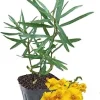
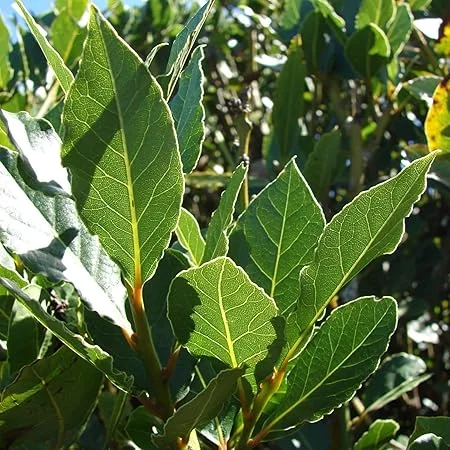
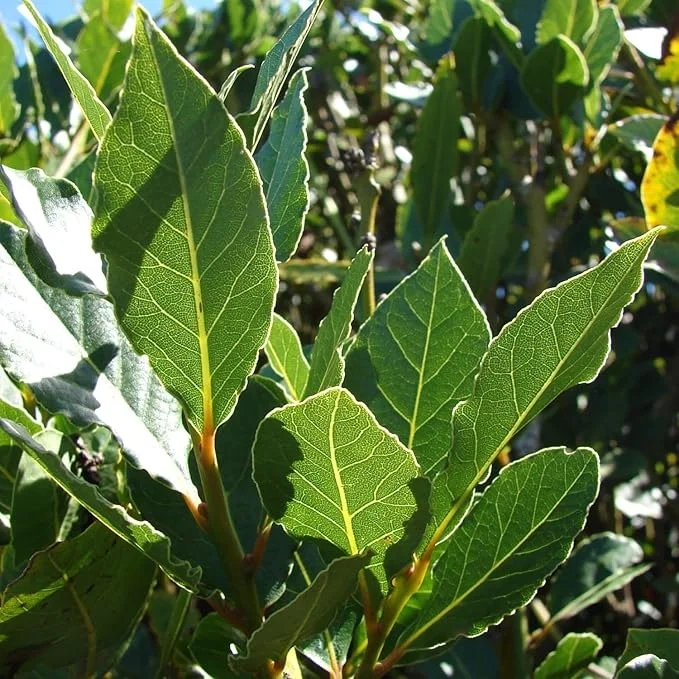
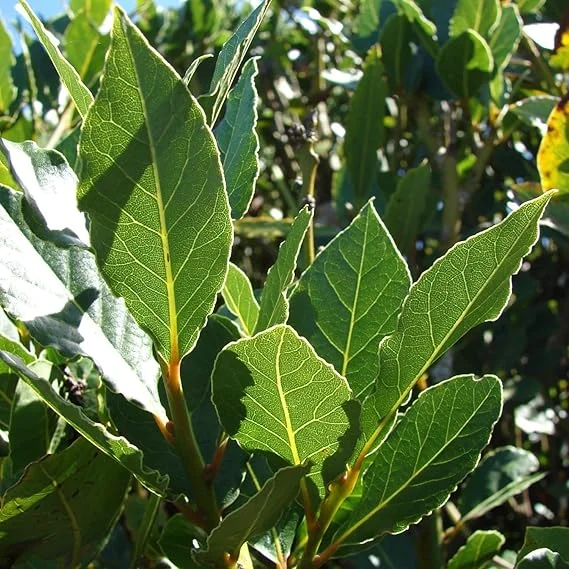
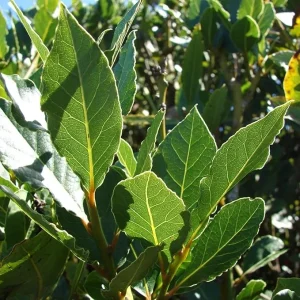
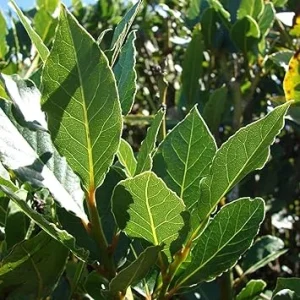
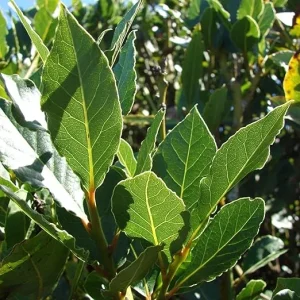
Discover the joy of growing your own aromatic herbs with this exquisite bay leaf live plant. Revered for centuries for its culinary and ornamental value, the Laurus nobilis plant, commonly known as Sweet Bay Laurel, is a must-have for any garden or kitchen. This particular specimen arrives as a vibrant, healthy plant, typically standing 5-9 inches tall, ready to be nurtured into a beautiful shrub or tree. Its glossy, dark green leaves release a distinctive, savory fragrance when bruised, making it an indispensable ingredient in a wide array of dishes. Whether you’re a seasoned chef or a budding gardener, this plant offers both aesthetic charm and practical utility, bringing a touch of Mediterranean elegance to your home or patio. The sweet bay laurel tree is known for its slow-growing nature, ensuring a manageable size for various growing environments.
This live plant is carefully selected to ensure a robust start in its new home. It’s a fantastic choice for those looking to add a functional and beautiful herb to their collection. The culinary bay leaf plant provides a continuous supply of fresh leaves, far superior in flavor to dried alternatives. Its adaptability allows it to flourish in different settings, making it a truly versatile addition. The allure of having a fresh supply of bay leaves at your fingertips is undeniable, and this plant makes that a reality.
Key Benefits
The bay leaf live plant offers a multitude of benefits, from enhancing your culinary creations to beautifying your living space. Its robust nature and pleasant aroma make it a favorite among plant enthusiasts.
- Culinary Excellence: Enjoy fresh, aromatic bay leaves for your cooking. These leaves infuse soups, stews, sauces, and roasts with a unique, savory flavor that dried leaves often lack. Having a culinary bay leaf plant at hand elevates your gastronomic experience.
- Ornamental Appeal: With its attractive, evergreen foliage, the Laurus nobilis adds a sophisticated touch to any garden, patio, or indoor setting. It can be pruned into various shapes, including topiaries, making it a versatile decorative element.
- Fragrant Atmosphere: The distinct, pleasant scent of the bay leaves can naturally freshen your home environment, especially when leaves are gently brushed or used in cooking. This makes the sweet bay laurel tree a sensory delight.
- Adaptable Growth: This plant is incredibly versatile, thriving both outdoors in suitable climates and indoors as a cherished houseplant. It adapts well to container living, allowing for easy relocation during colder months if you have an indoor bay leaf tree.
- Low Maintenance: Once established, the Laurus nobilis plant is relatively easy to care for, requiring moderate watering and occasional feeding, making it suitable for gardeners of all experience levels.
- Year-Round Harvest: As an evergreen plant, you can harvest fresh bay leaves throughout the year, ensuring a constant supply for all your culinary needs.
- Hardy Nature: Known for its resilience, this plant can withstand various conditions, proving to be a long-lasting addition to your plant collection.
Plant Care & Growing Tips
Caring for your bay leaf live plant is straightforward and rewarding, ensuring a continuous supply of fragrant leaves. Proper attention to its needs will help it thrive as a robust sweet bay laurel tree.
Sunlight Requirements: The Laurus nobilis prefers full sun, meaning at least 6 hours of direct sunlight per day. When grown outdoors, choose a sunny, sheltered spot. If kept indoors as an indoor bay leaf tree, place it near a south-facing window where it can receive ample bright light. Insufficient light can lead to sparse foliage and slower growth.
Watering: Water thoroughly when the top inch of soil feels dry to the touch. Ensure good drainage to prevent root rot. Bay laurels do not like to sit in waterlogged soil. Reduce watering frequency during winter months when the plant’s growth slows down. Consistency is key, especially during dry spells for outdoor plants.
Soil Type & Drainage: This plant thrives in well-draining, fertile soil with a slightly acidic to neutral pH. A good quality potting mix amended with some sand or perlite works well for container plants. For garden planting, ensure the soil is not heavy clay and drains effectively. Good drainage is crucial for the health of your Laurus nobilis plant.
Temperature & USDA Hardiness Zones: The Bay Leaf Plant is hardy in USDA Zones 8-11. In colder zones (below Zone 8), it should be grown in a container and brought indoors before the first frost. It can tolerate light frosts but prolonged freezing temperatures can cause damage. Ideal temperatures range from 60-75°F (15-24°C).
Fertilization: Feed your bay laurel with a balanced liquid fertilizer every 2-4 weeks during the growing season (spring and summer). Reduce feeding in fall and winter. Over-fertilization can lead to leggy growth.
Pruning: Prune in late spring or early summer to maintain desired shape and size, or to encourage bushier growth. Regular harvesting of leaves can also serve as a form of light pruning. This helps keep your culinary bay leaf plant productive and attractive.
Size & Details
This offering is for one healthy bay leaf live plant, typically measuring between 5-9 inches tall from the base of the soil to the tip of its tallest leaf. It arrives ready for planting in a pot or directly into your garden, depending on your climate and preference. The plant is shipped in a nursery pot, carefully packaged to ensure its safe arrival. While it starts as a modest size, the Laurus nobilis plant is a slow-growing evergreen that can eventually reach up to 6-12 feet in containers or up to 30 feet when planted directly in the ground in ideal conditions. Its mature width can vary based on pruning, generally becoming a small shrub or a large tree. Expect consistent growth, with new leaves emerging throughout the spring and summer months, providing a steady supply for your kitchen. This sweet bay laurel tree is a long-term investment for any plant lover.
Frequently Asked Questions
- Q: How big does this bay leaf live plant get? A: This plant typically arrives 5-9 inches tall. In containers, it can grow 6-12 feet tall, and in the ground, it can reach up to 30 feet, depending on conditions and pruning.
- Q: Is this an indoor or outdoor plant? A: The Laurus nobilis plant is versatile. It can be grown outdoors in USDA Zones 8-11 year-round. In colder zones, it thrives as an indoor bay leaf tree, brought inside during winter.
- Q: How much sunlight does it need? A: This plant prefers full sun, requiring at least 6 hours of direct sunlight daily for optimal growth. Indoors, place it in the brightest available window.
- Q: Is this culinary bay leaf plant easy to care for? A: Yes, once established, the bay leaf plant is relatively low-maintenance. It requires consistent watering, good drainage, and occasional feeding.
- Q: What condition will the sweet bay laurel tree arrive in? A: Your plant will arrive healthy and carefully packaged in its nursery pot, ready for transplanting. We take great care to ensure safe delivery.
- Q: Can I use the leaves for cooking right away? A: Yes, you can start harvesting leaves for culinary use as soon as the plant is established and growing new foliage.
- Q: What kind of soil is best for this plant? A: A well-draining, fertile potting mix is ideal for container plants. For outdoor planting, ensure your garden soil drains well and is not overly heavy.
- Q: How often should I water my indoor bay leaf tree? A: Water when the top inch of soil feels dry. The frequency will depend on your indoor environment, but generally, check every few days.
- Q: Will it survive winter in my zone if I live in a cold area? A: If you are in USDA Zones colder than 8, you must bring the plant indoors for winter. It is not tolerant of prolonged freezing temperatures.
- Q: When is the best time to prune my bay leaf plant? A: The best time to prune your bay leaf plant is in late spring or early summer to encourage bushier growth and maintain its shape.


Reviews
There are no reviews yet.