Overview
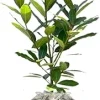
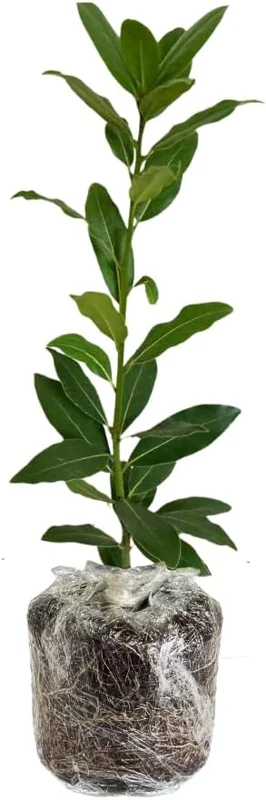
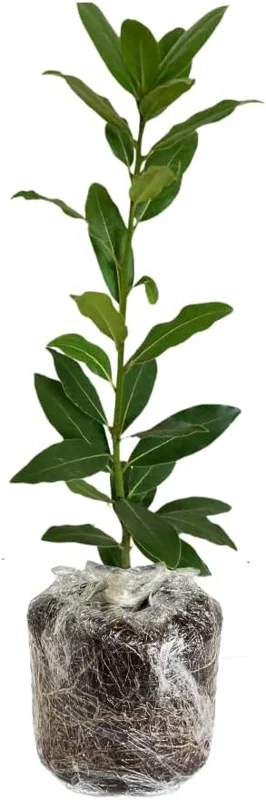
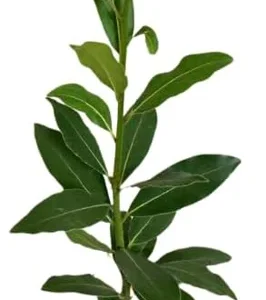
Bring the authentic flavor of the Mediterranean to your home with a beautiful bay leaf live plant. This exquisite herb, scientifically known as Laurus Nobilis, is commonly referred to as the sweet bay leaf tree or Bay Laurel. Originating from the Mediterranean region, this plant has been cherished for centuries not only for its distinct culinary flavor but also for its ornamental appeal and historical significance. Our live bay leaf plant arrives ready to thrive, allowing you to harvest fresh, aromatic leaves directly from your garden or kitchen. Whether you’re an experienced horticulturist or a budding green thumb, this plant offers an enriching and rewarding growing experience, providing a continuous supply of essential bay leaves for your culinary adventures. It’s a truly versatile and long-lasting addition to any plant collection.
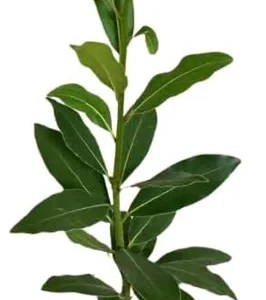
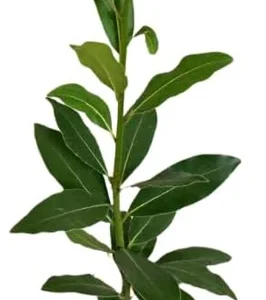
The Laurus Nobilis tree is celebrated for its glossy, dark green leaves that release a pungent, aromatic fragrance when bruised or cooked. These leaves are a staple in many cuisines worldwide, adding depth and complexity to soups, stews, sauces, and roasts. Beyond its kitchen utility, the bay leaf plant is an attractive evergreen shrub or small tree that can be pruned to various shapes, making it a wonderful decorative element for patios, balconies, or sunny indoor spaces. Its adaptability to different environments makes it a popular choice for gardeners seeking both beauty and utility.
Key Benefits
Owning a bay leaf live plant provides numerous advantages, from fresh culinary ingredients to a touch of evergreen beauty. Discover the rewarding benefits this versatile plant brings to your home and garden:
- Fresh Culinary Herb: Enjoy an endless supply of fresh, aromatic bay leaves for your cooking. Unlike dried leaves, fresh bay leaves offer a more intense and complex flavor, elevating your dishes. The convenience of having them right at your fingertips is unparalleled for any home chef.
- Versatile Growth: This plant thrives equally well as an indoor houseplant in a sunny window or outdoors in a garden or container. Its adaptability makes it suitable for various living situations, ensuring you can enjoy your sweet bay leaf tree no matter your space.
- Low Maintenance: The Laurus Nobilis tree is known for its hardiness and ease of care. It requires minimal attention once established, making it ideal for both novice and experienced gardeners. Simply provide adequate sunlight and water, and it will flourish.
- Year-Round Foliage: As an evergreen, the bay leaf plant maintains its lush, green leaves throughout the year, adding continuous beauty and life to your indoor or outdoor space, even in colder months.
- Air Purification: Like many live plants, the bay leaf tree contributes to a healthier indoor environment by naturally filtering air and producing oxygen.
- Long-Lived & Durable: With proper bay leaf plant care, this robust herb can live for many years, growing into a substantial and productive specimen that will be a perennial source of fresh leaves.
- Attractive Ornamental: Its elegant form and glossy foliage make it a beautiful addition to any landscape or interior design, often used in topiary or as a stately container plant.
Plant Care & Growing Tips
Proper bay leaf plant care is essential for a thriving and productive bay leaf live plant. This hardy plant is relatively low-maintenance, but understanding its specific needs will ensure it flourishes for years to come. For sunlight, the Bay Laurel prefers full sun to partial shade, meaning at least 6 hours of direct sunlight per day when grown outdoors. If keeping it indoors, place it in your brightest window, preferably a south-facing one, to ensure it gets ample light. Insufficient light can lead to leggy growth and reduced leaf production.
When it comes to watering, the Laurus Nobilis tree prefers consistently moist, but not waterlogged, soil. Allow the top inch or two of soil to dry out between waterings. Overwatering can lead to root rot, which is detrimental to the plant’s health. Good drainage is crucial; if grown in a container, ensure it has drainage holes. For soil, a well-draining potting mix is ideal, preferably one that is slightly acidic to neutral. A mix designed for herbs or citrus plants often works well. The plant is relatively tolerant of various soil types but will perform best in fertile, well-aerated soil.
The bay leaf plant is generally hardy in USDA zones 8-11 when planted outdoors. In colder climates (zones 7 and below), it’s best grown in a container and brought indoors before the first frost. Indoors, it prefers average room temperatures and can tolerate typical household humidity. Fertilize your sweet bay leaf tree sparingly during the growing season (spring and summer) with a balanced liquid fertilizer diluted to half strength. Pruning can be done to maintain shape and size, and to encourage bushier growth. Watch out for common pests like scale insects and mealybugs, especially on indoor plants, and treat them promptly with insecticidal soap if necessary.
Size & Details
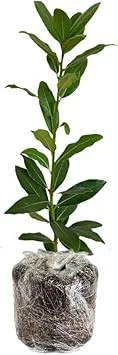
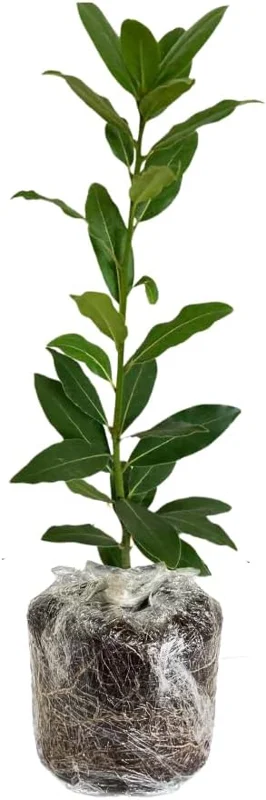
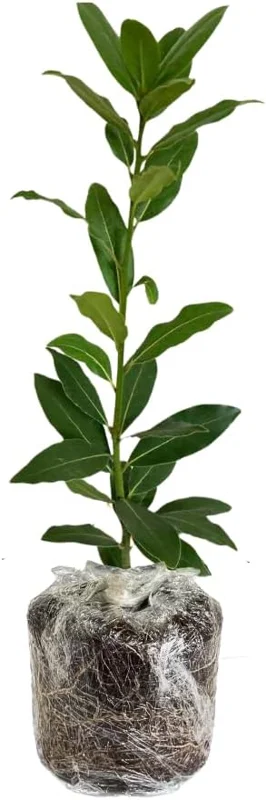
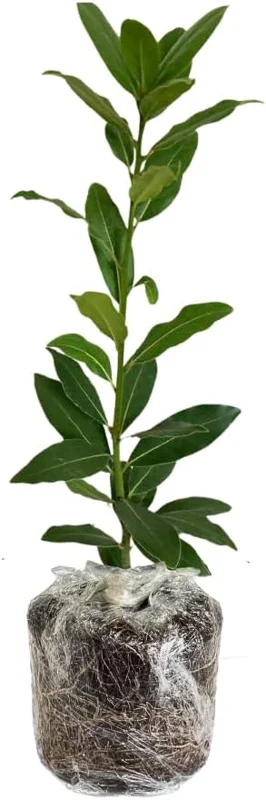
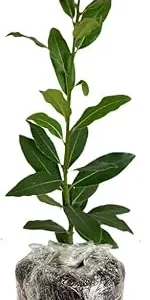
This offering is for one healthy bay leaf live plant, typically measuring between 5 to 9 inches tall from the base of the pot to the top of the foliage. It is shipped as a rooted plant, ready for immediate planting or transplanting into a larger container. The plant is grown to be versatile, suitable for both indoor cultivation as a fragrant houseplant or outdoor planting in appropriate climates. When mature, a Laurus Nobilis tree can reach heights of 10-20 feet in ideal outdoor conditions, though it can be easily maintained at a smaller, more manageable size through regular pruning, especially when grown in a container. Its growth rate is moderate, and it can begin producing usable leaves within its first year. Expect a robust and healthy specimen, carefully packaged to ensure safe arrival and a successful start in your home or garden.
Frequently Asked Questions
- Q: How big does this bay leaf live plant get? A: This particular plant is shipped at 5 to 9 inches tall. When mature, a sweet bay leaf tree can grow up to 10-20 feet tall outdoors, but it can be kept much smaller through pruning, especially when grown in a pot indoors or on a patio.
- Q: Is this an indoor or outdoor plant? A: The bay leaf live plant is highly versatile and can thrive both indoors as a houseplant or outdoors in your garden. If you live in USDA zones 8-11, it can be planted directly in the ground. In colder zones, it’s best to grow it in a container and bring it indoors during winter.
- Q: How much sunlight does a Laurus Nobilis tree need? A: It prefers full sun to partial shade, ideally receiving at least 6 hours of direct sunlight per day. If grown indoors, place it in your brightest window for optimal growth and leaf production.
- Q: Is this plant easy to care for? A: Yes, the bay leaf live plant is considered hardy and easy to grow, making it suitable for both beginner and experienced gardeners. It requires minimal care, primarily consistent watering and adequate sunlight.
- Q: What condition will it arrive in? A: Your bay leaf live plant will arrive as a healthy, rooted plant, carefully packaged to minimize stress during transit. It will be ready for you to pot or plant upon arrival.
- Q: Can I use the leaves from this plant for cooking? A: Absolutely! The leaves from the Laurus Nobilis tree are perfect for culinary use. You can harvest fresh leaves as needed to add flavor to your soups, stews, sauces, and other dishes.
- Q: When is the best time to plant a bay leaf tree? A: If planting outdoors in suitable climates, spring or early fall is ideal. For indoor container growing, you can plant it any time of year, ensuring it has enough light.
- Q: Is the bay laurel tree pet-safe? A: Bay laurel (Laurus nobilis) is generally considered toxic to pets if ingested in large quantities, potentially causing digestive upset. It’s best to keep pets from chewing on the leaves.
- Q: What kind of soil does it prefer? A: The bay leaf live plant thrives in well-draining soil. A good quality potting mix, possibly with some added perlite or sand for drainage, is recommended for container plants.
- Q: How often should I water my bay leaf plant? A: Water when the top 1-2 inches of soil feel dry to the touch. Ensure the soil is consistently moist but never waterlogged. Reduce watering in winter when growth slows.


Reviews
There are no reviews yet.