Overview
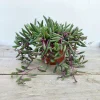
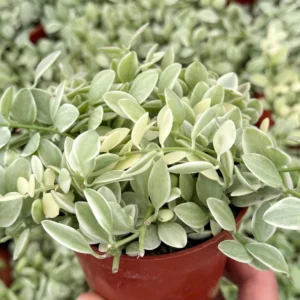
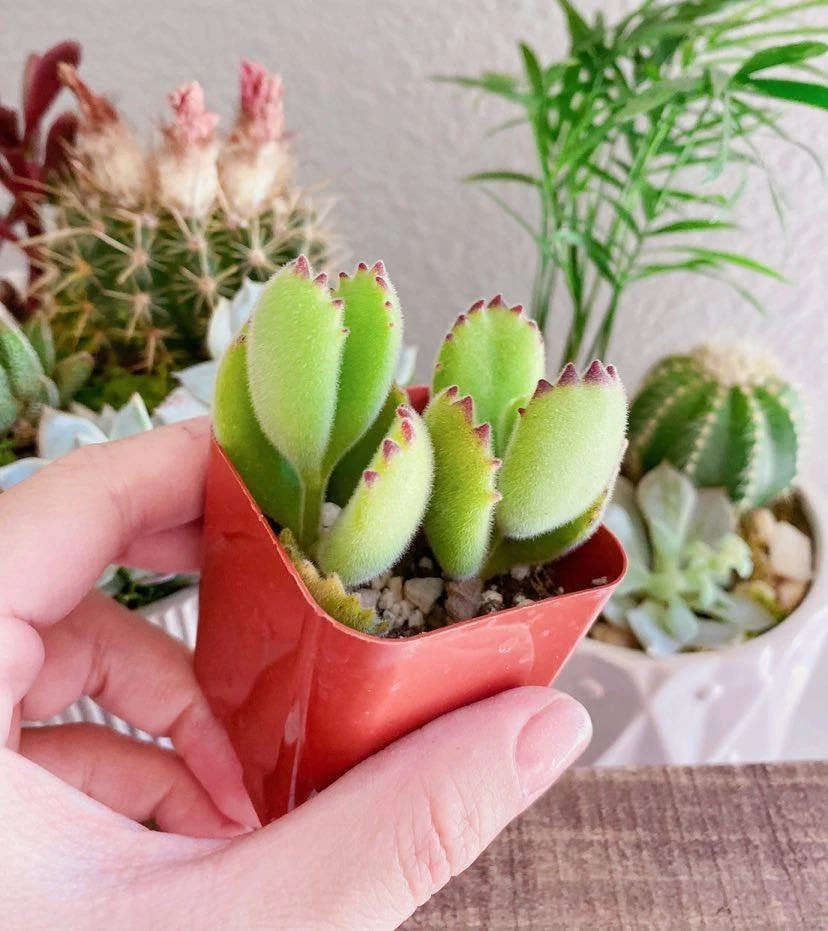
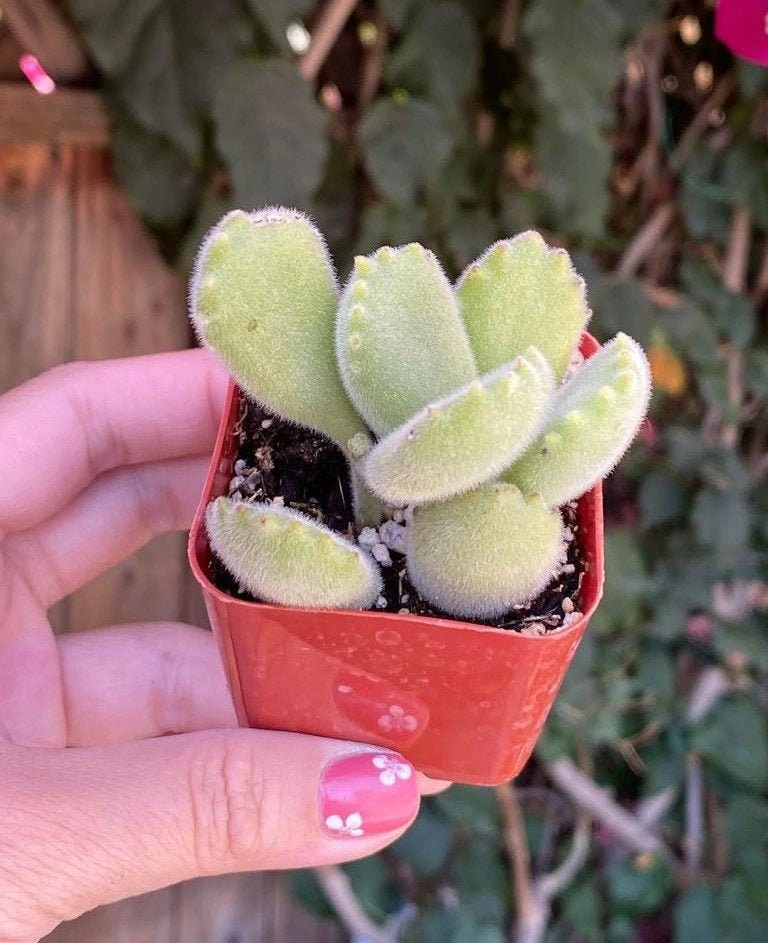
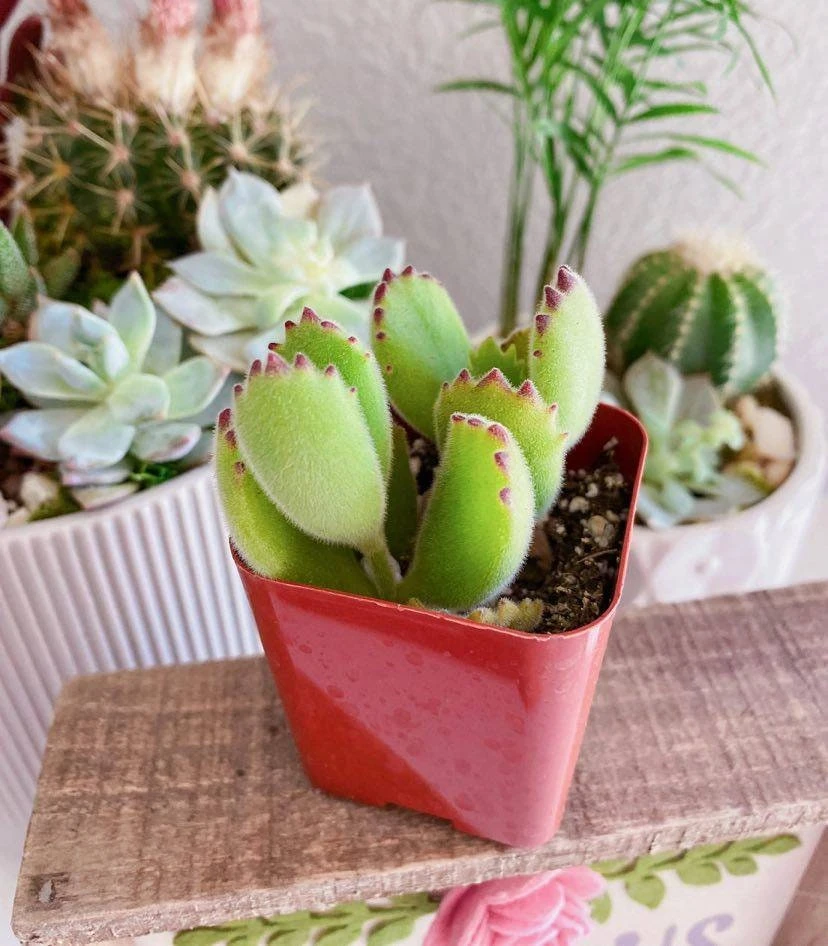
Introduce an enchanting botanical friend into your home with the bear paw succulent live plant, scientifically known as Cotyledon Tomentosa. This delightful succulent is celebrated for its distinctive, soft, and fuzzy leaves, which bear a striking resemblance to a bear’s paw. Each ‘paw’ is tipped with a charming red or white blush, adding a splash of subtle color to its velvety, blue-green foliage. Originating from South Africa, this species is a small shrublet that grows vertically, making it an excellent choice for windowsills, desks, or any bright indoor spot where its unique texture and form can be admired. As a fuzzy succulent plant, it’s not only visually appealing but also a joy to touch, though its delicate nature suggests admiring from a distance to preserve its pristine look. Perfect for both seasoned collectors and those new to the world of succulents, this plant promises to be a captivating addition to any indoor garden.
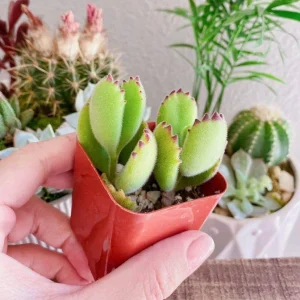
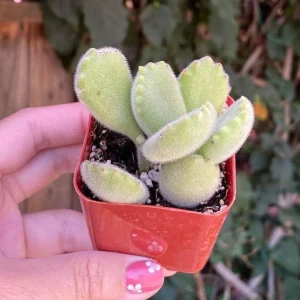
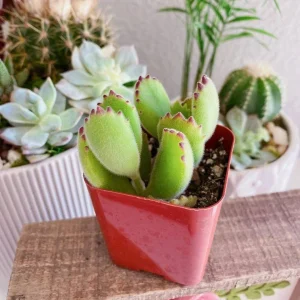
The bear paw succulent live plant is supplied as a healthy, rooted specimen in a 2-inch pot, ready to thrive in its new environment. Its compact size and slow growth habit make it an ideal choice for smaller spaces or for creating intricate succulent arrangements. The natural variation in leaf tips, ranging from red to white, ensures each plant has its own unique charm. This succulent’s resilience and captivating appearance make it a popular choice for indoor cultivation, offering year-round visual interest with minimal fuss.
Key Benefits
The bear paw succulent live plant offers a multitude of benefits, making it an exceptional choice for any plant enthusiast looking for beauty and ease of care. Its unique characteristics contribute to its popularity and make it a rewarding addition to your home or office.
- Unique Aesthetic Appeal: The most striking feature of the bear paw succulent live plant is its distinctive leaves, resembling tiny, fuzzy bear paws. The velvety texture and charming red or white tips create a captivating visual and tactile experience, making it a conversation starter and a unique decorative element.
- Low Maintenance & Drought Tolerant: As a succulent, Cotyledon Tomentosa is inherently low-maintenance and highly drought-tolerant. It requires infrequent watering, making it an excellent choice for busy individuals or those new to plant care. This resilience contributes to its reputation as a fantastic succulents for beginners.
- Compact & Versatile Size: With a maximum height of 9-12 inches, this succulent remains relatively small and compact. Its modest size makes it perfect for windowsills, terrariums, office desks, or as part of a larger indoor succulent display.
- Air Purifying Qualities: Like many houseplants, the fuzzy succulent plant contributes to improved indoor air quality by absorbing toxins and releasing oxygen, fostering a healthier living environment.
- Hardy & Resilient: This plant is quite hardy and can tolerate a range of indoor conditions, provided its basic light and watering needs are met. Its robust nature makes it a forgiving plant for those still learning the ropes of succulent care.
- Distinctive Foliage Coloration: The primary blue-green hue of the leaves, accented by secondary white and often red tips, provides a subtle yet beautiful color palette that complements various interior design styles.
- Great for Gifting: Due to its charming appearance and ease of care, a bear paw succulent live plant makes a thoughtful and unique gift for friends, family, or colleagues, suitable for any occasion.
Plant Care & Growing Tips
Caring for your bear paw succulent live plant, or Cotyledon Tomentosa, is relatively straightforward, making it an ideal choice for those exploring the world of succulents. Understanding its specific needs will ensure it thrives and continues to display its unique charm. The key to successful cotyledon tomentosa care lies in providing adequate light, appropriate watering, and well-draining soil.
Light Requirements: This succulent thrives in bright, indirect light. Place your plant near a south or west-facing window where it can receive several hours of bright light daily, but avoid harsh, direct midday sun, which can scorch its delicate leaves. Filtered or partial sun conditions are ideal. If growing outdoors in suitable climates, ensure it is in a shaded area to protect it from intense sunlight. Insufficient light can lead to leggy growth and duller leaf coloration, impacting the vibrant red or white tips that make the fuzzy succulent plant so desirable.
Watering Schedule: Overwatering is the most common cause of succulent demise. The bear paw succulent live plant stores water in its leaves, making it highly drought-tolerant. Water infrequently, allowing the soil to dry out completely between waterings. A good rule of thumb is to check the soil moisture; if it feels dry to the touch, it’s time to water. During winter months or periods of dormancy, reduce watering even further. When you do water, do so thoroughly until water drains from the bottom of the pot, then empty any excess water from the saucer.
Soil Type and Drainage: Excellent drainage is paramount for Cotyledon Tomentosa. Use a fast-draining soil mix specifically formulated for succulents and cacti. A blend primarily composed of peat moss and/or succulent and cactus mix, supplemented with plenty of perlite, works well. If kept indoors, consider using a terracotta pot, which promotes healthy root growth by allowing the soil to breathe and excess moisture to evaporate more quickly. This helps prevent root rot, a common issue for succulents in poorly draining conditions. Proper soil is crucial for successful indoor succulent bear paw cultivation.
Temperature and Hardiness: The bear paw succulent live plant is cold hardy to USDA Zone 10 (30°F), meaning it prefers warmer temperatures. For most climates, it is best grown as an indoor succulent bear paw. Protect it from frost, as cold temperatures can severely damage or kill the plant. Ideal indoor temperatures range from 65-80°F (18-27°C). Ensure it is not exposed to sudden temperature drops or cold drafts.
Fertilization: Fertilize sparingly. During the active growing season (spring and summer), you can fertilize once a month with a balanced, diluted houseplant fertilizer. Avoid fertilizing during its dormant period in fall and winter. Over-fertilization can lead to nutrient burn and harm the plant.
Size & Details
The bear paw succulent live plant, Cotyledon Tomentosa, is a charming and compact succulent that typically grows to a manageable height of 9-12 inches (23-30 cm) at maturity, with a similar spread. It is characterized by its vertical, tall stem growth habit. Each plant is shipped as a live 2 inch potted specimen, carefully packaged to ensure its safe arrival. The size of the plant makes it perfectly suited for small decorative pots, terrariums, or as an accent in a mixed succulent container. This particular variety is known for being a slow grower, which contributes to its appeal as a low-maintenance houseplant that won’t quickly outgrow its space. The distinctive red or white tips on its fuzzy leaves provide an interesting color contrast to the primary blue-green foliage. When considering succulents for beginners, its modest size and slow growth are definite advantages.
This species produces pale coral to white flowers, usually appearing in the spring or summer under optimal conditions, adding another layer of beauty to the plant. While the exact color and shape of the plant may vary slightly from images due to natural growth and the shipping process, each plant is a healthy, rooted cutting ready for continued growth. The included pot is a standard 2-inch nursery pot, providing a good foundation for your new succulent’s journey. You will receive one live 2 inch potted plant, either with white or red tips, reflecting the natural variation within the species.
Frequently Asked Questions
- Q: How big does this plant get? A: The bear paw succulent live plant typically reaches a maximum height of 9-12 inches (23-30 cm) and has a similar spread. It is a slow-growing succulent, making it ideal for compact spaces and indoor displays.
- Q: Is this an indoor or outdoor plant? A: While it can be grown outdoors in USDA Zone 10 and above, the bear paw succulent live plant is primarily recommended as an indoor plant for most climates. It thrives in bright indoor light with protection from direct, harsh sun.
- Q: How much sunlight does it need? A: This succulent prefers bright, indirect light or filtered/partial sun. Avoid prolonged exposure to intense, direct sunlight, which can burn its leaves. A south or west-facing window with some protection is usually ideal for optimal cotyledon tomentosa care.
- Q: Is this plant easy to care for? A: Yes, the bear paw succulent live plant is considered relatively easy to care for, especially for those familiar with basic succulent needs. Its drought tolerance and preference for infrequent watering make it a good choice for succulents for beginners.
- Q: What condition will it arrive in? A: Your bear paw succulent live plant will arrive as one live 2 inch potted plant, carefully packaged in a shipping box with filler to minimize damage during transit. While some minor imperfections may occur due to shipping, the plant will be healthy and ready for its new home.
- Q: How often should I water my bear paw succulent? A: Water infrequently, only when the soil is completely dry to the touch. This could be once a week or less, depending on your local climate and indoor conditions. Ensure excellent drainage to prevent root rot, a critical aspect of fuzzy succulent plant health.
- Q: What type of soil is best for this succulent? A: Use a fast-draining soil mix, such as a commercial succulent and cactus mix, often supplemented with perlite. This ensures proper aeration and prevents waterlogged roots, which is vital for the health of your indoor succulent bear paw.
- Q: Will my plant have red or white tips? A: The Bear Paw Succulent naturally exhibits variation, with some plants having red tips and others white. You will receive one live 2 inch potted plant with either white or red tips, reflecting this natural diversity.
- Q: Is the bear paw succulent pet-safe? A: While many succulents are considered non-toxic, it’s always best to keep plants out of reach of pets, especially if they are prone to chewing on foliage. Consult a veterinarian or a reliable plant toxicity resource for specific concerns.
- Q: How often should I fertilize my bear paw succulent? A: Fertilize sparingly, once a month during the growing season (spring and summer) with a diluted houseplant fertilizer. Avoid fertilizing during fall and winter.


Reviews
There are no reviews yet.