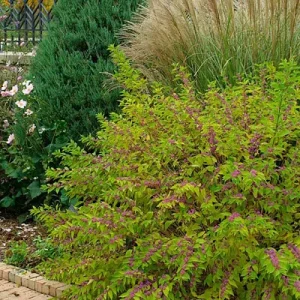
Overview
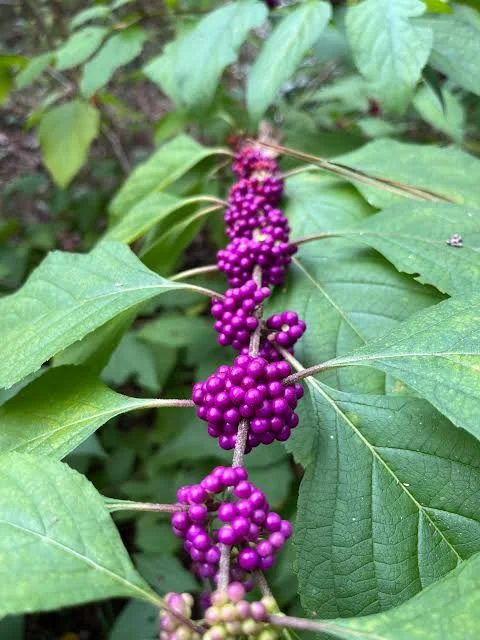
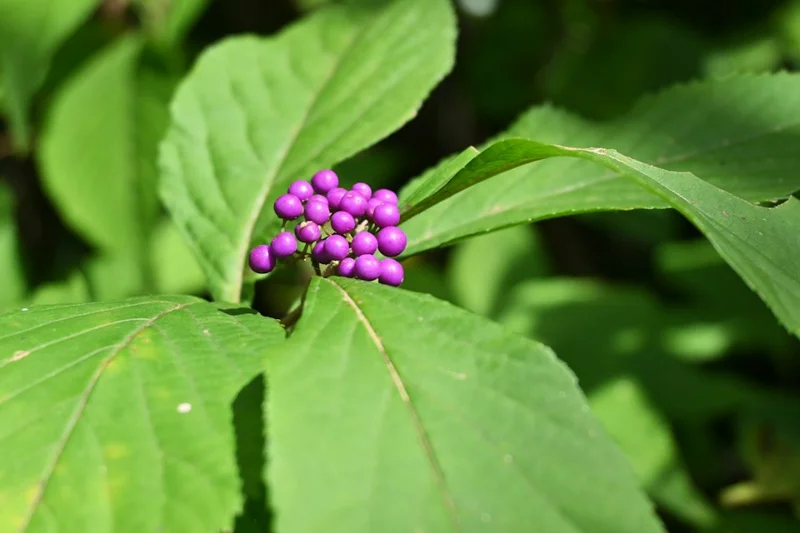
Transform your garden into a vibrant spectacle with the addition of a beautyberry live plant. Known botanically as Callicarpa, this deciduous shrub is celebrated for its truly unique and eye-catching metallic purple berries that cling to the stems long after the leaves have fallen. This particular offering provides a healthy, young beautyberry live plant in a 4-inch nursery pot, ready to be transplanted into your garden or a larger container. Ideal for adding late-season color and texture, the beautyberry is a favorite among gardeners seeking low-maintenance yet high-impact plants. Its striking appearance makes it a focal point in any landscape, providing continuous interest from spring foliage to autumn berries. The plant’s ability to thrive in various conditions makes it a versatile choice for many garden styles.
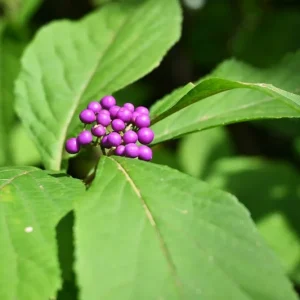
The common name, beautyberry, perfectly encapsulates its most captivating feature: the abundance of showy, iridescent berries. While the flowers are somewhat inconspicuous, the fruit display is anything but, creating a spectacular show that lasts well into winter. This makes the callicarpa shrub an excellent choice for winter gardens and for providing food for birds when other sources are scarce. Its easy-going nature and resilience make it suitable for both experienced gardeners and those just starting their horticultural journey. Prepare to be delighted by the changing seasons as this remarkable plant evolves through the year, bringing beauty and life to your outdoor space.
Key Benefits
The beautyberry live plant offers a multitude of benefits, making it an exceptional choice for almost any landscape. Its unique characteristics contribute significantly to both aesthetic appeal and ecological value.
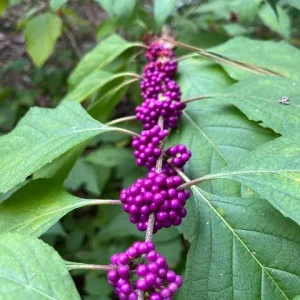
- Stunning Autumn & Winter Color: The most prominent feature of the beautyberry live plant is its prolific production of bright, iridescent purple berries. These berries emerge in late summer and persist through fall and into winter, offering a spectacular display when most other plants have faded. They provide a crucial splash of color during the colder months, making your garden stand out.
- Attracts Wildlife: The vibrant purple berry plant is a magnet for birds, especially during winter when food sources are scarce. Species like robins, thrushes, and mockingbirds are drawn to the berries, providing delightful avian activity and natural pest control in your garden. This makes the callicarpa shrub a great addition for those interested in supporting local ecosystems.
- Low Maintenance: This hardy shrub is incredibly easy to care for, requiring minimal attention once established. It tolerates a range of soil conditions and is generally resistant to pests and diseases, making it perfect for busy gardeners or those new to planting.
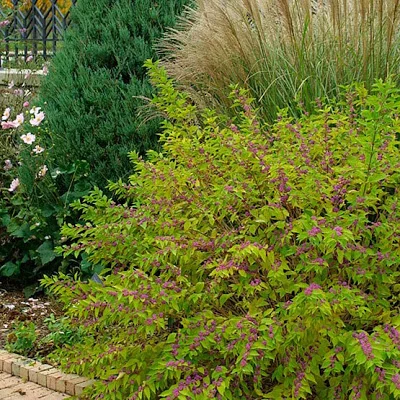
- Versatile Landscaping Use: The beautyberry can be used in various garden applications, from mass plantings and borders to specimen plants or foundation plantings. Its adaptable nature allows it to fit seamlessly into different garden designs, enhancing curb appeal.
- Drought Tolerant: Once mature, the beautyberry live plant exhibits good drought tolerance, reducing the need for frequent watering. This makes it an environmentally friendly choice, particularly in regions with water restrictions or for gardeners seeking sustainable options.
- Year-Round Interest: Beyond its berries, the beautyberry offers delicate flowers in summer and attractive green foliage throughout the growing season. This ensures that the plant contributes visual interest to your garden across all four seasons.
- Deer Resistant: While no plant is entirely deer-proof, beautyberry plants are generally considered deer resistant, meaning they are less likely to be browsed by deer compared to many other garden plants. This is a significant advantage for gardens located in areas with high deer populations.
Plant Care & Growing Tips
Caring for your beautyberry live plant is straightforward, ensuring a thriving shrub with minimal effort. Understanding its basic needs will help you maximize its vibrant berry production and overall health. When considering beautyberry plant care, sunlight is paramount. This shrub performs best in full sun, meaning at least 6 hours of direct sunlight per day, which encourages the most abundant berry set. While it can tolerate partial shade, berry production may be reduced. Ensure it’s placed in an area that receives adequate light throughout the day, especially during the fruiting season.
Regarding watering, young callicarpa shrubs require consistent moisture to establish a strong root system. Water regularly, especially during dry spells, keeping the soil consistently moist but not waterlogged. Once established, beautyberry plants are quite drought-tolerant and can withstand periods of dryness. However, providing supplemental water during extended dry periods will promote healthier growth and more prolific berries. The ideal soil for a beautyberry is well-draining, loamy soil with a slightly acidic to neutral pH. Amend heavy clay soils with organic matter to improve drainage. Good drainage is crucial to prevent root rot. The beautyberry is hardy in USDA zones 5-8, tolerating cold winters and hot summers. Fertilization is generally not heavily required; a balanced, slow-release fertilizer in early spring can be beneficial, especially for younger plants or those in poor soil. Pruning should be done in late winter or early spring before new growth emerges. Beautyberries bloom on new wood, so aggressive pruning can encourage more vigorous growth and berry production. Remove any dead, damaged, or crossing branches to maintain good air circulation and shape. Watch out for common issues like powdery mildew in humid conditions, which can be managed with proper spacing and fungicide if necessary.
Size & Details
This offering is for a healthy beautyberry live plant, typically shipped in a 4-inch nursery pot. At maturity, most beautyberry varieties grow to an average height and width of 3 to 8 feet, forming a rounded, bushy shrub. The growth rate is moderate, allowing it to establish quickly in your garden. The exact dimensions will depend on the specific variety and growing conditions, but you can expect a substantial and visually impactful shrub. The plant will arrive with established roots and foliage, ready for transplanting. Expect to see its first significant berry production in its second or third year, with increasing abundance as it matures. The berries themselves are small, typically 1/8 to 1/4 inch in diameter, but appear in dense clusters along the stems, creating a dramatic visual effect. This particular purple berry plant is an excellent choice for adding a medium-sized shrub to your landscape, providing both structure and seasonal interest.
Frequently Asked Questions
- Q: How big does this plant get? A: A: The beautyberry live plant typically grows to an average mature height and spread of 3 to 8 feet, depending on the specific variety and growing conditions. It forms a rounded, bushy shrub that can be maintained with annual pruning.
- Q: Is this an indoor or outdoor plant? A: This beautyberry live plant is primarily an outdoor shrub. It thrives in garden settings where it can receive adequate sunlight and experience seasonal changes, which are essential for its distinctive berry production.
- Q: How much sunlight does it need? A: For the best berry production, your callicarpa shrub requires at least 6 hours of direct sunlight per day, ideally full sun. While it can tolerate partial shade, berry displays may be less vibrant in such conditions.
- Q: Is this plant easy to care for? A: Yes, the beautyberry is considered a very easy-to-care-for plant. Once established, it is quite drought-tolerant and generally resistant to pests and diseases, making beautyberry plant care suitable for gardeners of all experience levels.
- Q: What condition will it arrive in? A: Your beautyberry live plant will arrive as a healthy, actively growing plant in a 4-inch nursery pot, with established roots and foliage, ready for immediate planting or potting up.
- Q: When is the best time to plant a beautyberry? A: The best time to plant a beautyberry is in spring or early fall. This allows the plant sufficient time to establish its root system before the extreme heat of summer or the cold of winter.
- Q: Will it survive winter in my zone? A: The beautyberry is typically hardy in USDA Zones 5-8. If you are within these zones, your plant should survive winter outdoors. In colder zones, it may benefit from winter protection or could be grown in a container and moved indoors.
- Q: Can I attract birds with this plant? A: Absolutely! The abundant and persistent berries of the purple berry plant are a significant food source for many bird species, especially in late fall and winter. Planting a beautyberry is an excellent way to attract birds beautyberry to your garden.
- Q: What kind of soil does it prefer? A: This callicarpa shrub prefers well-draining, loamy soil. It can tolerate a range of soil types but performs best when the soil is rich in organic matter and has a slightly acidic to neutral pH.
- Q: How often should I prune my beautyberry? A: Pruning is best done in late winter or early spring, before new growth begins. Since beautyberries bloom and fruit on new wood, pruning encourages more vigorous growth and better berry production.


Reviews
There are no reviews yet.