Overview
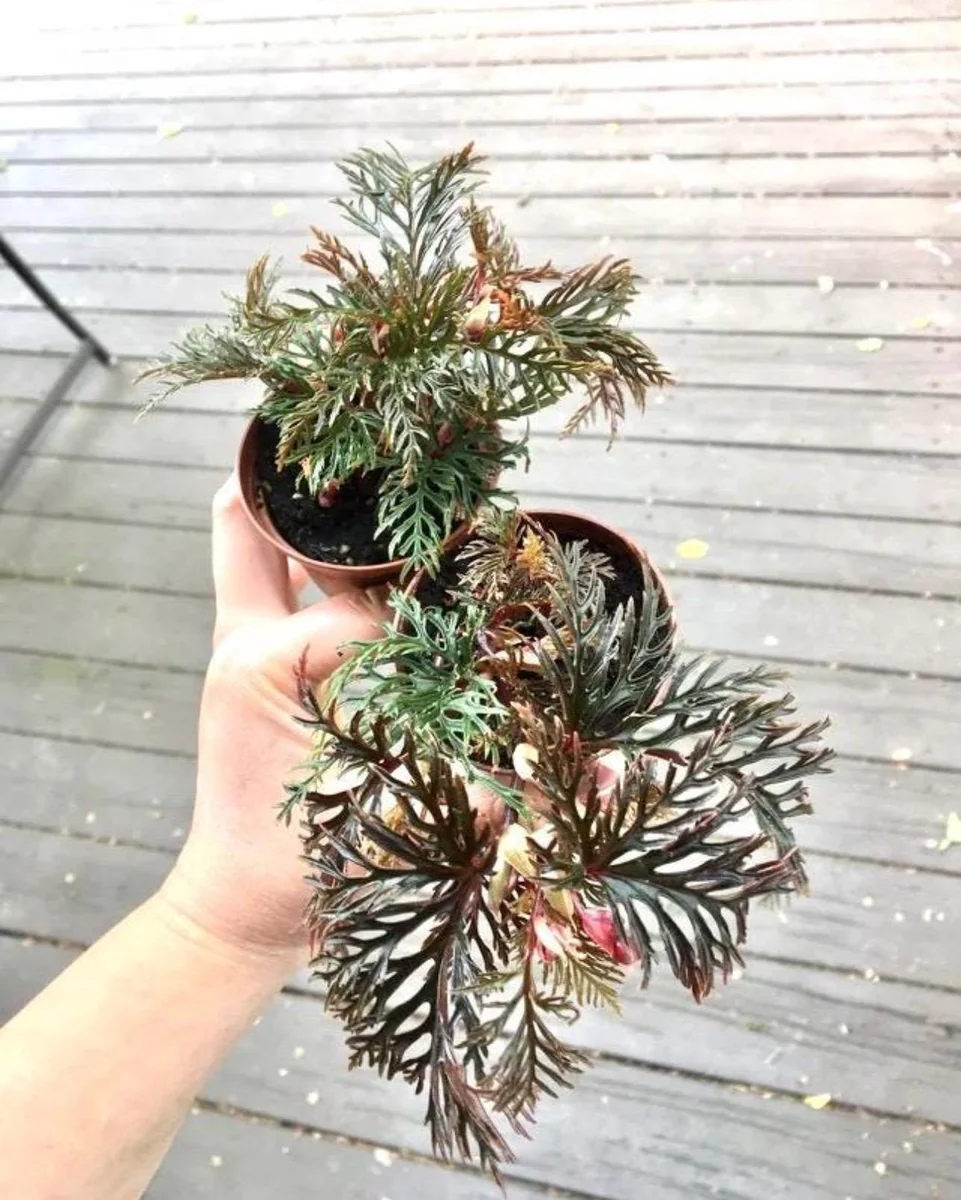
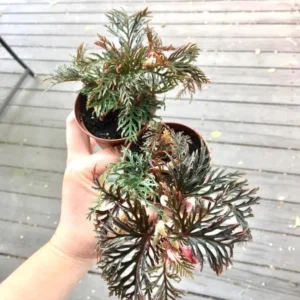
The Begonia Bipinnatifida live plant is a truly unique and captivating addition to any houseplant collection. Originating from Papua New Guinea, this Begonia species stands out with its intricate, deeply dissected leaves that resemble delicate fern fronds, giving it a prehistoric charm. Unlike many begonias grown for their flowers, the Begonia Bipinnatifida live plant is highly prized for its extraordinary foliage, which can display shades of green, bronze, and even reddish undersides depending on light conditions. It’s a fantastic choice for enthusiasts looking for an exotic indoor Begonia that offers striking visual interest and a conversation starter. As a starter plant, it provides a wonderful opportunity to nurture and watch this remarkable species grow into a mature, lush specimen, bringing a touch of the rainforest into your home environment. Its unusual appearance makes it a standout among other common houseplants.
This particular Begonia Bipinnatifida live plant offers a rare chance to cultivate a plant that is both beautiful and relatively uncommon in typical garden centers. Its distinctive leaf shape, often described as ‘dinosaur fern’ or ‘skeleton leaf’ begonia, adds a dramatic texture to indoor plant arrangements. Whether you are a seasoned plant parent or a beginner eager to explore the world of exotic houseplants, this unique Begonia foliage promises a rewarding growing experience. It’s an excellent choice for terrariums or humid display cases where its specific care needs can be met, ensuring vibrant growth and healthy development.
Key Benefits
Cultivating a Begonia Bipinnatifida live plant brings several unique benefits to your indoor space, enhancing both aesthetics and your gardening experience.
- Stunning Foliage: The most prominent benefit is its highly ornamental foliage. The deeply lobed, almost skeletal leaves provide a textural contrast that is simply unmatched by other houseplants, making it a true showstopper. This unique Begonia foliage creates an immediate visual impact.
- Exotic Appeal: As an exotic indoor Begonia, it adds a rare and tropical touch to your home decor, transforming ordinary spaces into lush, vibrant sanctuaries. It’s perfect for creating a jungle-like atmosphere.
- Compact Growth: While it can grow to a decent size, the Begonia Bipinnatifida live plant generally maintains a manageable size, making it suitable for shelves, tabletops, or terrariums, even in smaller living spaces.
- Air Purifying Qualities: Like many houseplants, Begonias contribute to improved indoor air quality by absorbing toxins and releasing oxygen, promoting a healthier living environment.
- Collector’s Item: For plant enthusiasts and collectors, the Begonia Bipinnatifida live plant is a prized possession due to its unique appearance and relatively uncommon status, adding prestige to any collection.
- Therapeutic Hobby: Engaging in Begonia Bipinnatifida care provides a relaxing and rewarding hobby, fostering a connection with nature and reducing stress. Watching it flourish is incredibly satisfying.
- Versatility in Design: Its distinctive form allows it to be a focal point or complement other plants, fitting into various interior design styles from minimalist to bohemian.
Plant Care & Growing Tips
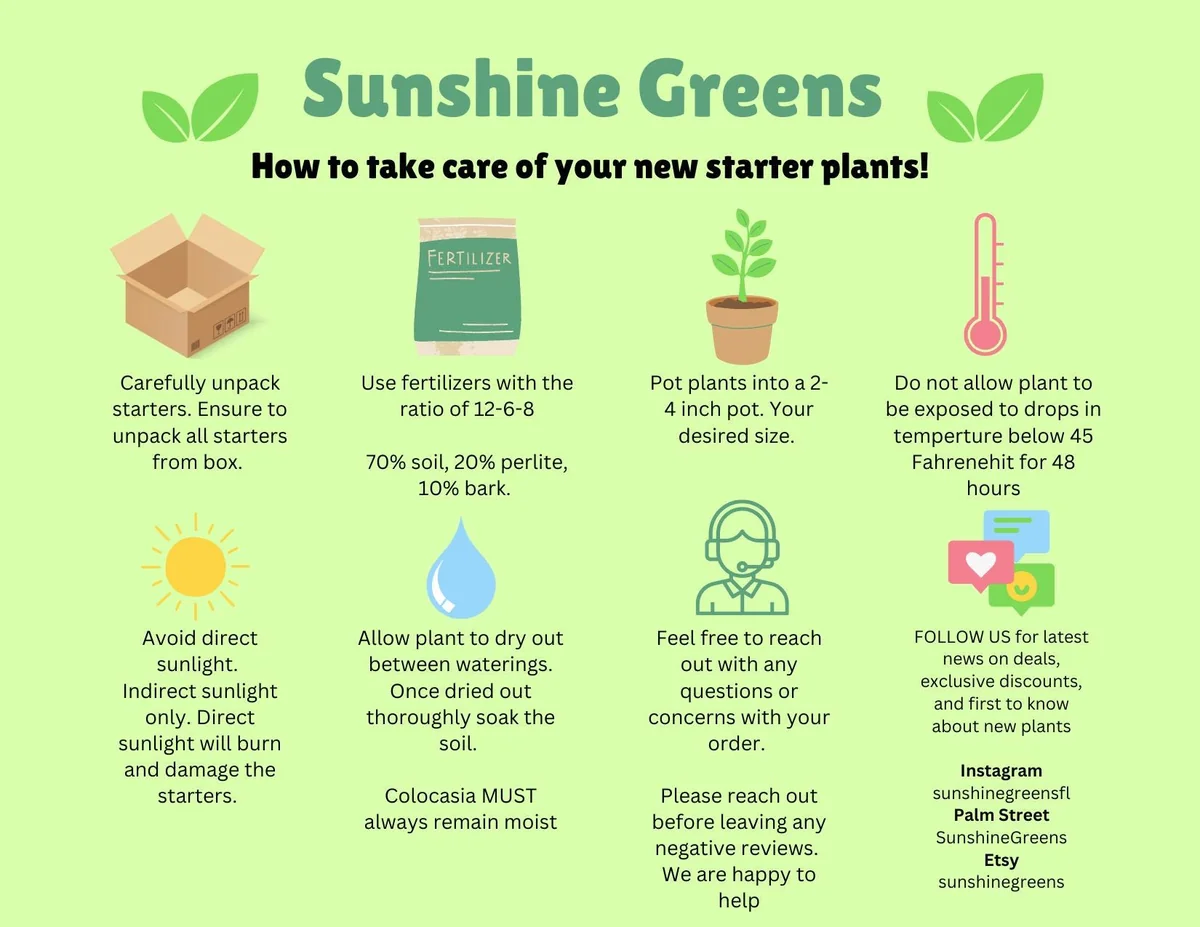
Proper Begonia Bipinnatifida care is crucial for this tropical beauty to thrive indoors. It appreciates conditions that mimic its native humid rainforest environment. Start with bright, indirect light; direct sunlight can scorch its delicate leaves, leading to discoloration and damage. An east-facing window or a few feet away from a south or west-facing window is often ideal. If the leaves appear dull or growth is leggy, it may need slightly more light, but always avoid harsh direct rays. Consistent humidity is perhaps the most vital aspect of Begonia Bipinnatifida care, ideally above 60%. This can be achieved with a humidifier, pebble tray, or by grouping it with other plants. Avoid misting the leaves directly, as this can lead to fungal issues.
When it comes to watering, keep the soil consistently moist but never waterlogged. Allow the top inch of soil to dry out slightly before watering again. Overwatering can quickly lead to root rot, which is detrimental to this tropical houseplant starter. Use a well-draining potting mix that retains some moisture, such as a blend of peat moss, perlite, and orchid bark. Good drainage is key to preventing soggy feet. Temperatures should be kept between 65-80°F (18-27°C) and avoid sudden temperature fluctuations or cold drafts. Fertilize sparingly during the growing season (spring and summer) with a balanced liquid fertilizer diluted to half strength. Reduce or cease fertilization during the cooler, darker months. Watch out for common pests like spider mites and mealybugs, especially in low humidity environments; regular inspection can help catch them early. Understanding Begonia Bipinnatifida care will ensure your plant flourishes.
Repotting should only be done when the plant becomes root-bound, typically every 1-2 years. Choose a pot that is only slightly larger than the current one to prevent excess moisture retention. Pruning can be done to maintain shape and encourage bushier growth. Simply snip off any leggy stems or yellowing leaves with clean, sharp shears. This also helps in propagating new plants from stem cuttings, allowing you to expand your collection of this unique Begonia foliage. With diligent attention to these care guidelines, your Begonia Bipinnatifida live plant will reward you with its stunning presence and healthy growth, making it a cherished part of your indoor garden.
Size & Details
The Begonia Bipinnatifida live plant is offered as a starter plant, typically arriving as a young, healthy specimen ready to establish itself in your home. While specific dimensions can vary, these starter plants usually stand between 4 to 6 inches tall from the base of the soil. They are shipped in a small nursery pot, allowing for safe transit and easy transition into your preferred growing medium. This tropical houseplant starter exhibits a moderate growth rate, gradually expanding its intricate foliage over time. With optimal Begonia Bipinnatifida care, it can eventually reach a mature height of 12-18 inches, with a similar spread, forming a dense and attractive clump of its distinctive leaves. The plant’s unique bipinnatifid leaves will become more pronounced as it matures, showcasing its full beauty. Expect consistent growth during warmer months with proper light and humidity.
Frequently Asked Questions
- Q: How big does this plant get? A: The Begonia Bipinnatifida live plant is a starter plant, typically 4-6 inches tall upon arrival. With proper care, it can grow to a mature size of 12-18 inches tall and wide, showcasing its full unique Begonia foliage.
- Q: Is this an indoor or outdoor plant? A: This is primarily an indoor plant, specifically an exotic indoor Begonia. It thrives in controlled indoor environments with high humidity and indirect light, making it suitable for most home climates.
- Q: How much sunlight does it need? A: The Begonia Bipinnatifida live plant requires bright, indirect light. Avoid direct sunlight, which can scorch its delicate leaves. An east-facing window or a shaded spot near a bright window is ideal.
- Q: Is this plant easy to care for? A: While not exceptionally difficult, Begonia Bipinnatifida care requires attention to humidity and consistent moisture without overwatering. It’s suitable for intermediate plant enthusiasts or dedicated beginners.
- Q: What condition will it arrive in? A: Your tropical houseplant starter will arrive as a healthy, young plant in a nursery pot, carefully packaged to minimize stress during transit. Some minor leaf yellowing might occur but is usually normal.
- Q: How often should I water my Begonia Bipinnatifida? A: Water your Begonia Bipinnatifida live plant when the top inch of soil feels dry to the touch. Ensure the pot has good drainage to prevent waterlogging, which can lead to root rot.
- Q: Does this plant need high humidity? A: Yes, high humidity is crucial for this unique Begonia foliage. Aim for 60% or higher, using a humidifier, pebble tray, or placing it in a terrarium to provide the ideal environment.
- Q: Is the Begonia Bipinnatifida pet-safe? A: Begonias are generally considered toxic to pets if ingested due to calcium oxalates. It’s best to keep this tropical houseplant starter out of reach of curious pets.
- Q: When is the best time to fertilize? A: Fertilize your Begonia Bipinnatifida live plant during its active growing season in spring and summer, using a diluted balanced liquid fertilizer. Reduce or stop feeding in fall and winter.
- Q: What kind of soil is best for Begonia Bipinnatifida care? A: A well-draining, moisture-retentive potting mix is best. A blend containing peat moss, perlite, and orchid bark or similar components will provide good aeration and drainage while retaining necessary moisture.


Reviews
There are no reviews yet.