

Overview
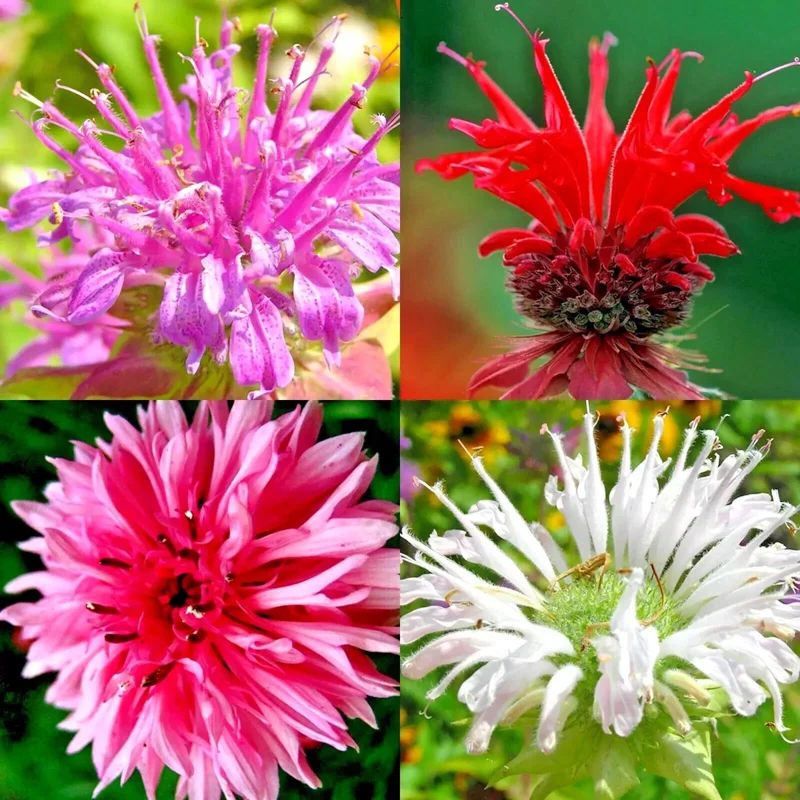
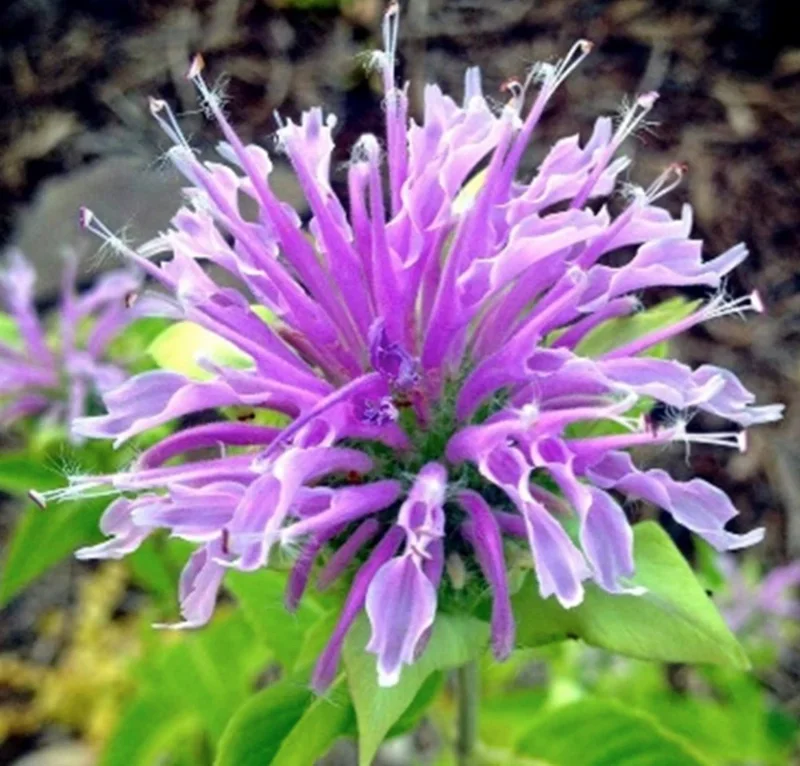
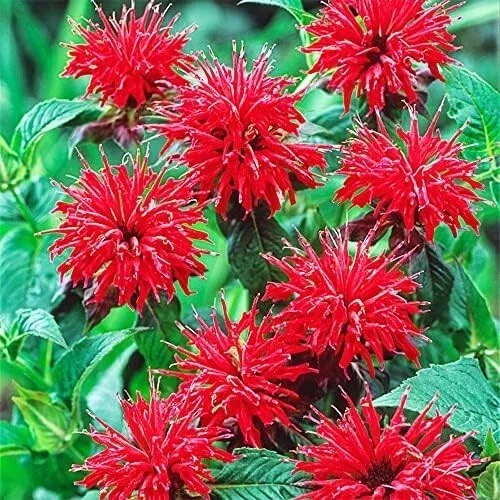
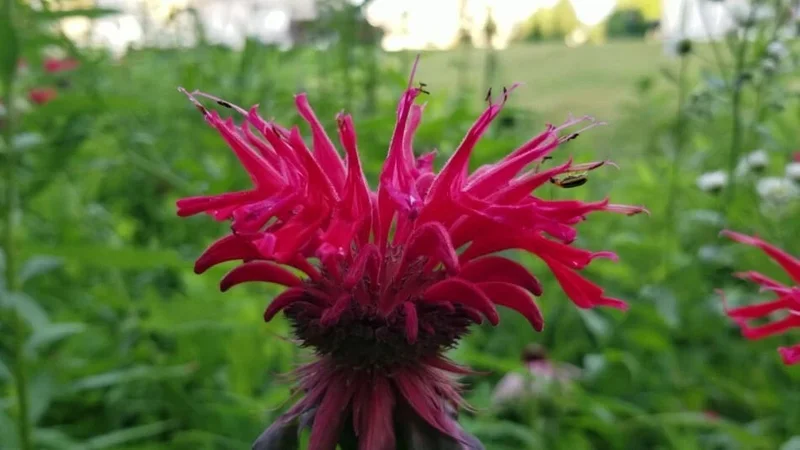
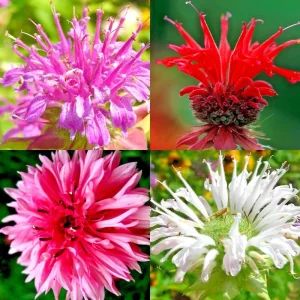
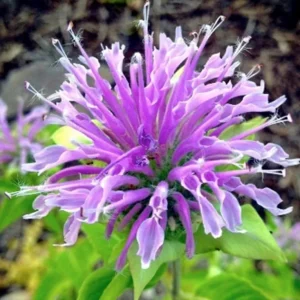
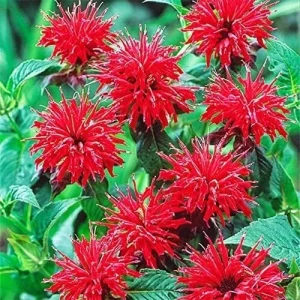
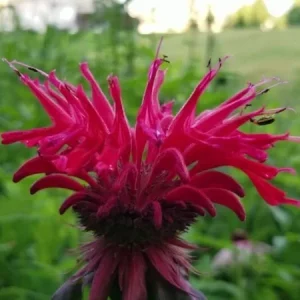
Transform your outdoor space with our premium bergamot monarda seeds, an exceptional choice for gardeners seeking both beauty and ecological benefit. This special monarda autumn mix promises a spectacular array of colors, ensuring your garden remains a vibrant focal point from mid-summer through early fall. Each packet contains 50+ high-quality seeds of Monarda didyma, widely recognized as Bee Balm or Wild Bergamot. These robust perennial flowers are celebrated for their distinctive tubular blossoms and their remarkable ability to draw in a diverse host of beneficial pollinators, including hummingbirds, butterflies, and bees. Growing this captivating plant from seed is a deeply rewarding experience, culminating in a garden teeming with life and natural charm. Whether you are an experienced horticulturist or just beginning your gardening journey, these seeds provide an outstanding opportunity to cultivate a resilient, low-maintenance, and visually striking flora. Cultivating perennial bee balm from seed is an eco-friendly way to enhance your landscape.
Key Benefits
Our bergamot monarda seeds offer numerous advantages for any garden enthusiast, extending beyond mere aesthetic appeal to significantly contribute to a healthy ecosystem and provide practical uses.
- Attracts Pollinators: The tubular flowers are an irresistible magnet for hummingbirds, bees, and butterflies, transforming your garden into a bustling haven for these essential creatures. This actively supports local biodiversity and greatly enhances the pollination of other plants within your garden. Investing in these hummingbird plant seeds means investing in a thriving natural environment.
- Vibrant Autumn Mix: Enjoy a stunning and diverse array of colors with this monarda autumn mix, ensuring continuous visual interest and dynamic appeal from summer well into the autumn season. The varied hues create a truly captivating landscape.
- Perennial Growth: As a perennial bee balm, these plants faithfully return year after year, establishing a strong and enduring presence without the need for annual replanting. This characteristic makes them a sustainable, eco-friendly, and remarkably low-maintenance choice for long-term garden beauty.
- Aromatic Foliage: The leaves of Monarda possess a delightful, refreshing minty fragrance, adding an extra sensory dimension to your garden. This natural aroma can also serve as a gentle deterrent for some common garden pests, contributing to a healthier plant environment.
- Medicinal Herb Potential: Historically, Monarda has been valued as a medicinal herb seeds, known for its purported antiseptic and soothing properties. While we strongly recommend consulting a professional for any medicinal applications, its rich traditional significance adds an intriguing layer to its appeal.
- Easy to Grow: These bergamot monarda seeds are perfectly suited for gardeners of all skill levels, offering an easy, straightforward, and incredibly rewarding path to achieving a flourishing and vibrant garden. Minimal fuss is required for these resilient plants to thrive and beautify your space.
- Mosquito Repellent Properties: The natural oils found within Bergamot Monarda are believed to possess qualities that help repel mosquitoes, making your outdoor spaces considerably more enjoyable and comfortable during the warmer months.
Plant Care & Growing Tips
Cultivating bergamot monarda seeds is a remarkably straightforward process, and with proper care, you are guaranteed to enjoy a stunning and abundant display of flowers. These plants are quite adaptable but will truly thrive and perform best when their specific needs are met. For optimal growth and flowering, sow seeds indoors approximately 8-10 weeks before the last anticipated frost date in your region. Alternatively, you can sow them directly outdoors once all danger of frost has definitively passed. Lightly cover the seeds with soil, as they generally require some light to initiate germination. Maintain consistently moist soil conditions until germination occurs, which typically happens within 10-20 days. Proper moisture is crucial during this initial stage for successful establishment of your monarda autumn mix.
Sunlight Requirements: This perennial bee balm prefers a location that receives full sun to partial shade. For the most prolific flowering and robust growth, aim for at least 6 hours of direct sunlight daily. However, they can tolerate some afternoon shade, particularly in hotter climates, which can prevent scorching. Ensuring good air circulation around the plants is also vital to prevent common issues like powdery mildew.
Watering Schedule: Monarda plants prefer consistently moist soil, especially during periods of dry weather or drought. Water deeply once or twice a week, or more frequently if the weather is exceptionally hot and dry. It is best to avoid overhead watering, as this can exacerbate fungal issues; instead, water at the base of the plant. Consistent moisture will help your hummingbird plant seeds develop into strong, healthy plants.
Soil Type: These adaptable plants can thrive in various soil types but show a strong preference for well-draining, fertile soil with a pH level between 6.0 and 7.0. If you have heavy clay soils, amending them with a generous amount of organic matter such as compost can significantly improve drainage and provide essential nutrients, creating an ideal environment for your Monarda.
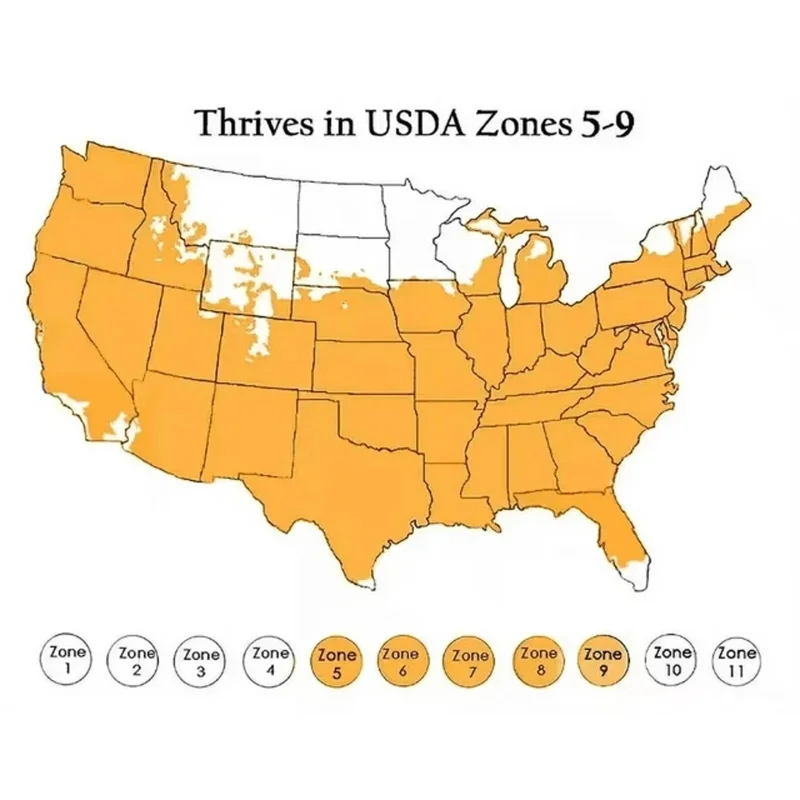
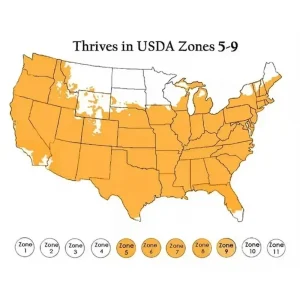
Temperature Range & Hardiness Zone: Bergamot Monarda is remarkably hardy and resilient, thriving in USDA Zones 4-9. This wide hardiness range means it is suitable for cultivation in a vast array of climates across the United States. It possesses the ability to withstand cold winters and hot summers, making it a robust and dependable choice for many gardens. Young plants should be protected from extreme cold to ensure their establishment.
Fertilization: While Monarda plants are not considered heavy feeders, a light application of a balanced, slow-release granular fertilizer in early spring can significantly promote vigorous growth and an abundance of blooms throughout the season. However, it is important to avoid over-fertilizing, which can lead to excessive foliage production at the expense of fewer flowers.
Common Problems: The most common issue encountered with Monarda is powdery mildew. To prevent this, ensure good air circulation by providing adequate spacing between plants and avoid overcrowding. Water at the base of the plant rather than from overhead. If mildew does appear, a natural fungicide can be applied. Deadheading spent blooms will not only encourage the production of more flowers but also prevent unwanted self-seeding if that is not desired.
Size & Details
This offering includes 50+ high-quality bergamot monarda seeds, providing you with ample opportunity to establish a beautiful and thriving patch of perennial flowers in your garden. Once mature, these impressive plants typically grow to a height of 2-4 feet and spread about 1.5-3 feet wide, forming attractive, dense clumps. The growth rate is moderate, with plants generally beginning to bloom in their second year from seed, although some may produce flowers in their first year under ideal growing conditions. The seeds are carefully shipped in a protective packet, ensuring their viability and readiness for planting upon arrival. Expect a long season of vibrant blooms from mid-summer through early fall, providing continuous color and a vital food source for pollinators. The distinct clumping growth habit of these perennial bee balm plants makes them an excellent choice for borders, mass plantings, or naturalized areas within your landscape, enhancing its beauty and ecological value.
Frequently Asked Questions
- Q: How big does this plant get? A: Once mature, bergamot monarda typically grows to a height of 2-4 feet and can spread 1.5-3 feet wide, forming attractive clumps in your garden. Its substantial size makes it ideal for back borders or as a striking focal point.
- Q: Is this an indoor or outdoor plant? A: This perennial bee balm is primarily an outdoor plant, thriving exceptionally well in garden beds, borders, and naturalized areas where it can receive adequate sunlight and space to grow. It is generally not suitable for indoor cultivation.
- Q: How much sunlight does it need? A: Monarda prefers full sun to partial shade for optimal growth and abundant blooms. For the most prolific flowering and healthiest plant development, ensure it receives at least 6 hours of direct sunlight each day.
- Q: What condition will the seeds arrive in? A: The bergamot monarda seeds will arrive securely packaged in a protective packet, meticulously designed to ensure their viability and readiness for planting. We take great care to ensure they are well-protected during transit.
- Q: When is the best time to plant Monarda seeds? A: You can sow monarda autumn mix seeds indoors approximately 8-10 weeks before your region’s last expected frost date. Alternatively, direct sow them outdoors after all danger of frost has completely passed.
- Q: Is this plant easy to care for? A: Yes, Monarda is widely considered an easy-to-care-for perennial, making it suitable for gardeners of all experience levels, including beginners. It is well-known for its resilience and adaptability once it has become established.
- Q: Will it survive winter in my zone? A: Monarda is hardy in USDA Zones 4-9, meaning it is exceptionally well-equipped to survive winter in a wide range of climates across the United States. In colder zones, adequate winter mulching can provide extra protection for your hummingbird plant seeds.
- Q: What is the scientific name for this plant? A: The scientific name for this plant is Monarda didyma, which is commonly known as Bee Balm or Wild Bergamot.
- Q: Are these seeds good for attracting hummingbirds? A: Absolutely! These hummingbird plant seeds are specifically renowned for their incredible ability to attract hummingbirds, along with bees and butterflies, making your garden a lively, dynamic, and wonderfully vibrant ecosystem.
- Q: Can these be used as medicinal herb seeds? A: Historically, Monarda has been utilized for various traditional medicinal purposes due to its aromatic and purported antiseptic qualities. However, for any medicinal use, it is crucial and highly recommended to consult with a qualified healthcare professional.


Reviews
There are no reviews yet.