Overview
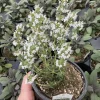
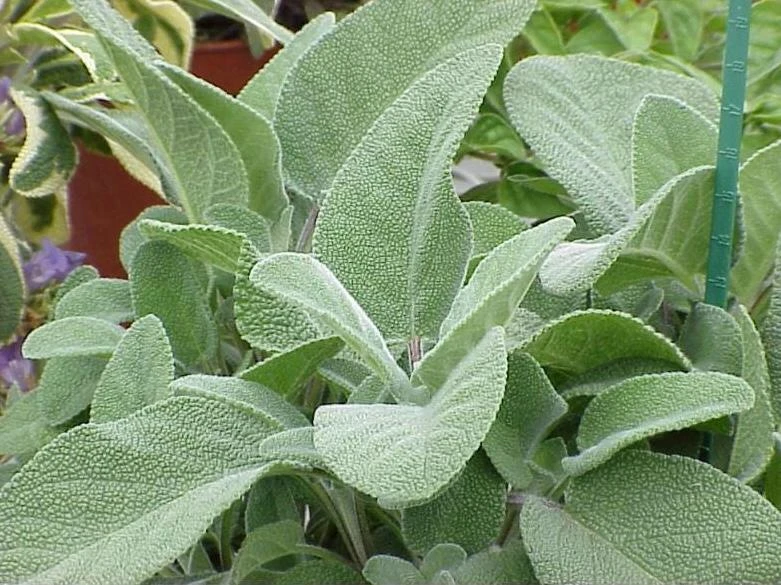
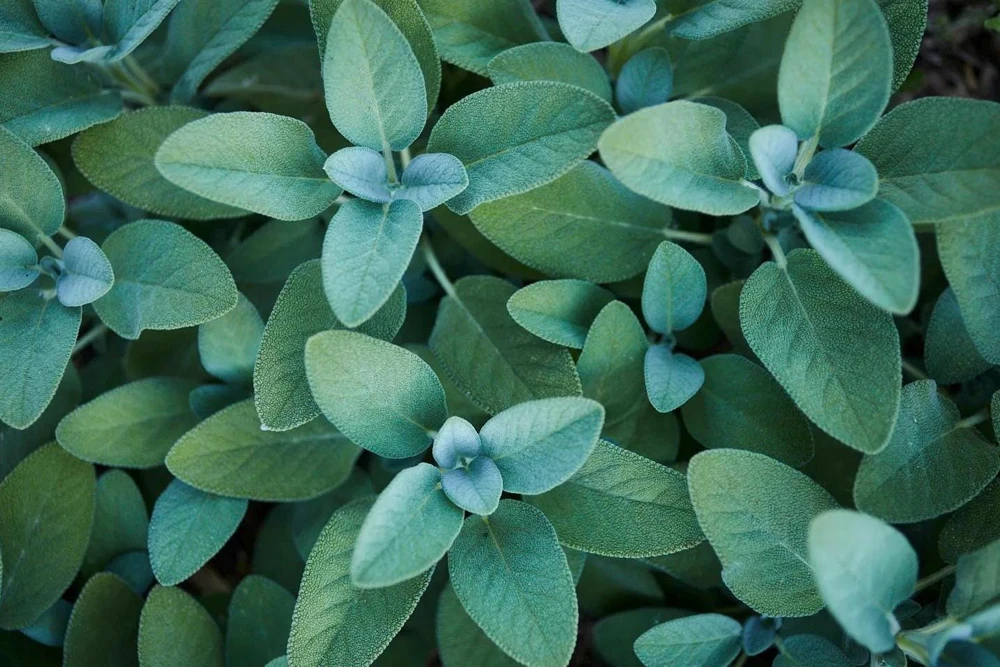
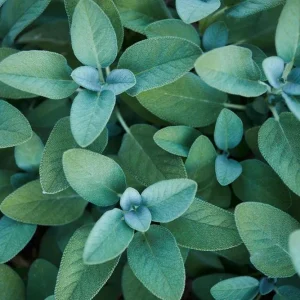
Enhance your garden and kitchen with the exquisite Berggarten Sage live plant. This distinguished cultivar of Salvia officinalis is a must-have for any herb enthusiast or gardener seeking both beauty and utility. Known for its broad, silvery-green leaves and compact, mounding habit, ‘Berggarten’ offers a more ornamental appeal than common sage while retaining all the aromatic and culinary qualities. Originating from the Mediterranean, this perennial herb thrives in sunny conditions and is remarkably drought-tolerant once established. Whether you’re a seasoned chef looking for fresh ingredients or a gardening novice eager to grow your own herbs, the Berggarten Sage live plant is an excellent choice, providing a continuous supply of flavorful leaves for your culinary creations.
Each Salvia officinalis plant is carefully nurtured to ensure it arrives healthy and ready to flourish in your home or garden. ‘Berggarten’ is celebrated not only for its robust flavor, which is perfect for seasoning meats, stuffings, and sauces, but also for its attractive foliage that adds texture and color to garden beds and containers. Its hardiness and relatively low maintenance make it a popular choice for various climates, bringing a touch of Mediterranean charm to your outdoor spaces. Discover the joy of growing your own fresh herbs with this exceptional Berggarten Sage live plant.
Key Benefits
The Berggarten Sage live plant offers a multitude of benefits, making it a valuable addition to any garden or culinary repertoire. Its unique characteristics contribute to both aesthetic appeal and practical use, ensuring it’s a plant you’ll treasure.
- Exceptional Culinary Herb: ‘Berggarten’ sage provides a rich, earthy flavor that is indispensable in the kitchen. Its leaves are perfect for seasoning poultry, pork, and lamb, enhancing soups, stews, and traditional stuffing recipes. Freshly picked sage offers a more potent and nuanced flavor than dried varieties.
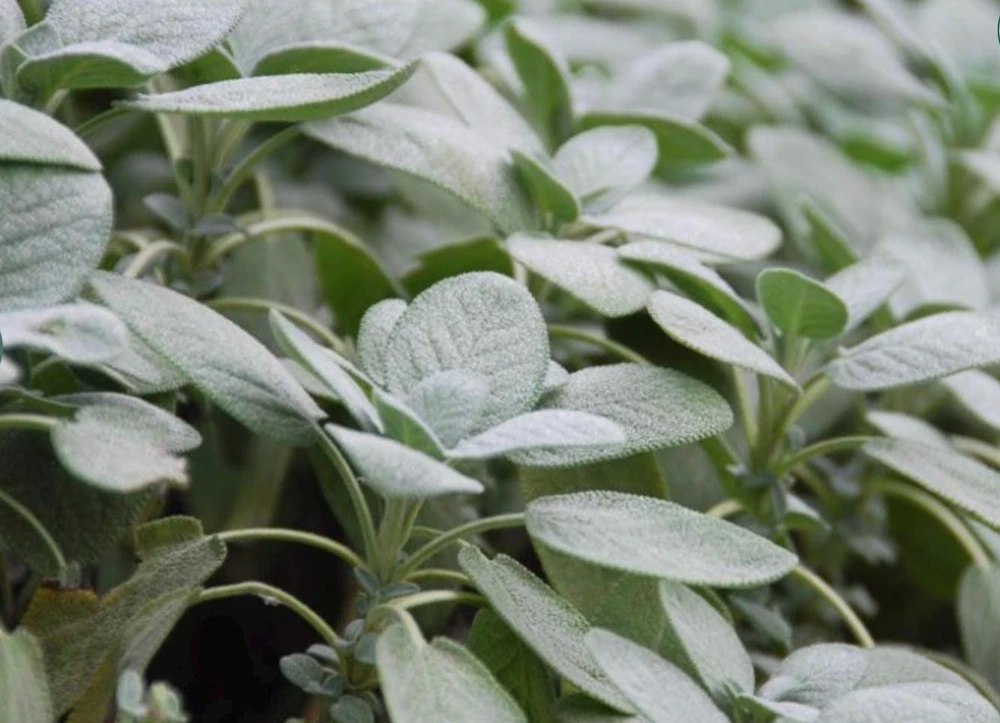
- Attractive Ornamental Plant: Beyond its culinary uses, this sage cultivar is highly ornamental. Its broad, velvety, silvery-green leaves form a beautiful, dense mound, providing excellent texture and color contrast in garden beds, rock gardens, and container arrangements. It’s a visual delight even when not in bloom.
- Drought-Tolerant and Low Maintenance: Once established, the Berggarten Sage live plant is remarkably resilient and requires minimal care. It tolerates dry conditions well, making it an ideal choice for water-wise gardening and busy individuals. Its robust nature means less fuss and more enjoyment.
- Pollinator Friendly: While primarily grown for its foliage, ‘Berggarten’ sage can produce lovely purple-blue flowers in late spring or early summer, which are highly attractive to bees, butterflies, and other beneficial pollinators. This helps support local ecosystems and biodiversity in your garden.
- Aromatic Fragrance: The leaves of this Salvia officinalis plant release a distinct, pleasant aroma when brushed or crushed. This natural fragrance can deter some garden pests and adds a delightful sensory experience to your outdoor living spaces.
- Versatile Garden Use: This sage variety is suitable for a wide range of planting situations. It thrives in herb gardens, perennial borders, cottage gardens, and containers. Its compact size makes it an excellent choice for smaller spaces or patio gardening.
- Potential Medicinal Properties: Like other sage varieties, culinary sage plant has a long history of traditional use in herbal medicine, valued for its potential anti-inflammatory and antioxidant properties. While not a substitute for medical advice, its historical significance adds to its appeal.
Plant Care & Growing Tips
Caring for your Berggarten Sage live plant is straightforward, making it an excellent choice for gardeners of all skill levels. This Mediterranean native thrives on neglect, provided its basic needs for sunlight and well-draining soil are met. Proper care will ensure a robust and productive plant for many years.
Sunlight:Growing Berggarten sage requires full sun, meaning at least 6-8 hours of direct sunlight per day. In hotter climates, some afternoon shade can be beneficial to prevent leaf scorch, but generally, more sun leads to denser growth and more intense flavor. If growing indoors, place it in your brightest south-facing window or under a grow light.
Watering: This ornamental sage herb is drought-tolerant once established. Water thoroughly when the top 1-2 inches of soil feel dry to the touch. Allow the soil to dry out completely between waterings to prevent root rot, which sage is susceptible to. Overwatering is a common mistake; err on the side of underwatering rather than overwatering. Reduce watering significantly during cooler, dormant months.
Soil: Sage prefers well-draining soil with a neutral to slightly alkaline pH (6.0-7.0). A sandy or loamy soil mix is ideal. Avoid heavy clay soils that retain too much moisture. If planting in containers, use a good quality potting mix amended with perlite or sand to improve drainage. Good drainage is paramount for the health of your Salvia officinalis plant.
Temperature & Hardiness: ‘Berggarten’ sage is hardy in USDA Zones 5-9. It tolerates heat well and can withstand moderate frosts. In colder zones (5-6), it may benefit from winter protection such as a layer of mulch. In very hot climates, it might appreciate some afternoon shade. Ideal growing temperatures are between 60-80°F (15-27°C).
Fertilization: Sage is not a heavy feeder. A light application of a balanced, slow-release granular fertilizer in spring is usually sufficient. Alternatively, you can top-dress with compost. Avoid over-fertilizing, especially with high-nitrogen fertilizers, as this can promote leafy growth at the expense of flavor and hardiness.
Pruning: Prune your Berggarten Sage live plant in early spring to remove any dead or woody growth and to encourage bushier development. Lightly prune after flowering to maintain shape and promote new foliage. Avoid cutting back into old, woody stems too severely, as they may not re-sprout. Regular harvesting of leaves also acts as a form of pruning, encouraging continuous growth.
Pests & Diseases: Sage is generally pest-resistant due to its strong aroma. Occasionally, aphids or spider mites might appear, especially in dry conditions. Treat with insecticidal soap if necessary. Ensure good air circulation to prevent fungal diseases like powdery mildew, which can occur in humid environments.
Size & Details
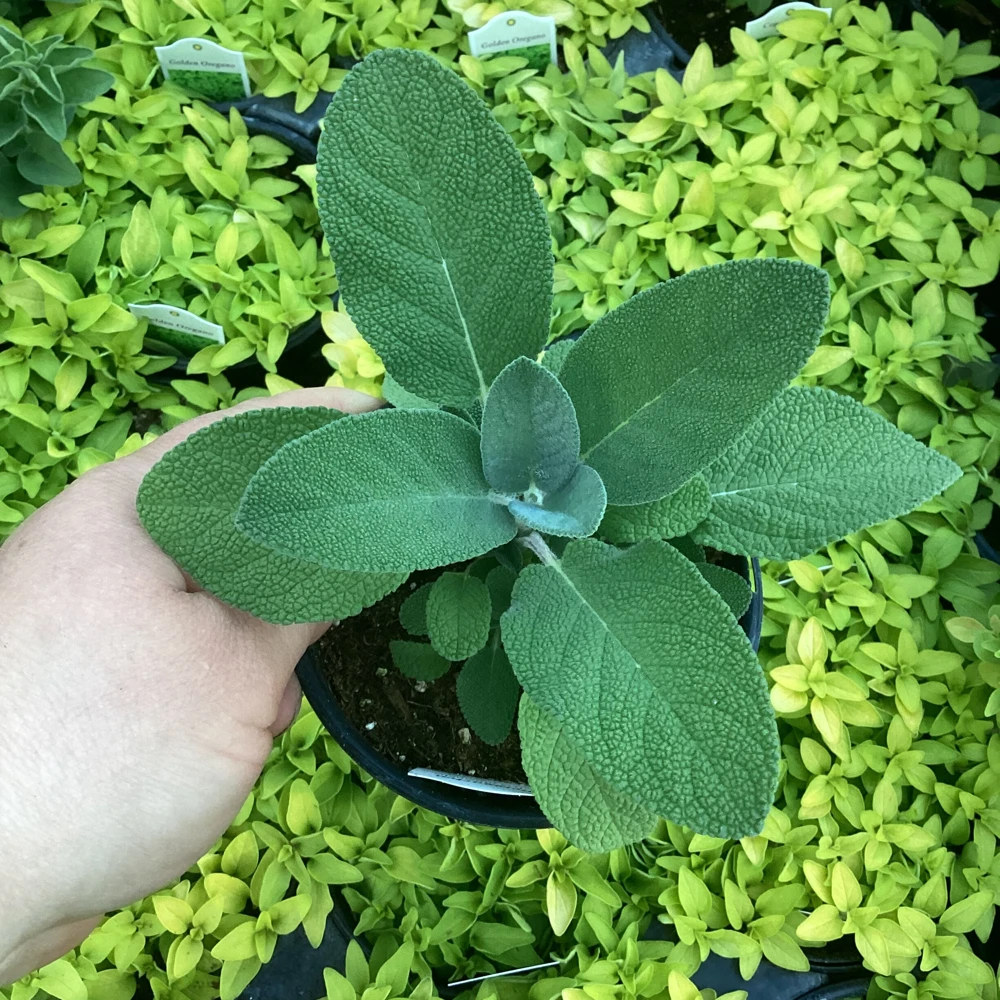
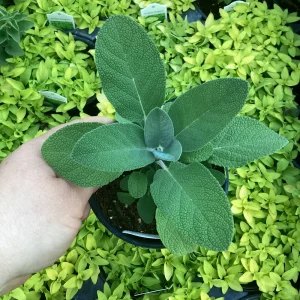
You will receive one healthy Berggarten Sage live plant, well-established and actively growing in a 4.5-inch plastic nursery pot. The plant is typically 4-6 inches tall at the time of shipment, with a similar spread, ready for transplanting into your garden or a larger container. This cultivar is known for its compact, mounding growth habit, generally reaching a mature size of 12-18 inches tall and 18-24 inches wide, making it an excellent choice for borders, rock gardens, or patio containers. Its moderate growth rate ensures it will fill out beautifully within its first growing season, providing ample foliage for culinary use and ornamental display.
The Salvia officinalis plant is shipped directly from our greenhouse, ensuring it arrives fresh and vibrant. Expect it to begin producing new growth shortly after planting, especially with adequate sunlight and proper watering. While primarily grown for its aromatic foliage, mature plants may produce delicate lavender-blue flower spikes in late spring to early summer, adding an extra layer of charm to your garden. This culinary sage plant is a long-lived perennial, providing years of enjoyment with minimal care.
Frequently Asked Questions
- Q: How big does this Berggarten Sage live plant get? A: The Berggarten Sage live plant typically grows to a mature size of 12-18 inches tall and spreads about 18-24 inches wide. It has a lovely compact and bushy growth habit, making it ideal for various garden settings.
- Q: What size pot does it come in? A: Your Berggarten Sage live plant will arrive well-established in a 4.5-inch plastic nursery pot, ready for you to transplant into a larger container or directly into your garden bed.
- Q: Is this an indoor or outdoor plant? A: While it can be grown indoors in a very sunny spot, the Berggarten Sage live plant thrives best outdoors in full sun. It is hardy in USDA Zones 5-9, making it suitable for perennial outdoor growth in many regions.
- Q: How much sunlight does it need? A: This plant requires at least 6-8 hours of direct sunlight per day to grow optimally and produce the best flavor. Full sun conditions are crucial for a healthy and robust Salvia officinalis plant.
- Q: Is this plant easy to care for? A: Yes, growing Berggarten sage is considered very easy. It is drought-tolerant once established and requires minimal maintenance, making it an excellent choice for beginners and experienced gardeners alike.
- Q: What condition will it arrive in? A: Your Berggarten Sage live plant will be shipped fresh from our greenhouse, well-established and actively growing, securely packaged to ensure it arrives healthy and ready to thrive.
- Q: Is it shipped in soil? A: Yes, the plant is shipped in its 4.5-inch nursery pot with its original soil, ensuring minimal transplant shock and immediate growth upon arrival.
- Q: Can I use this culinary sage plant in cooking? A: Absolutely! ‘Berggarten’ sage is an excellent culinary herb, perfect for flavoring meats, stuffings, sauces, and other dishes. Its flavor is robust and authentic.
- Q: Is it pet-safe? A: Sage (Salvia officinalis) is generally considered non-toxic to cats and dogs, though ingesting large quantities could cause mild digestive upset. It’s always best to monitor pets around new plants.
- Q: When is the best time to plant? A: The best time to plant your ornamental sage herb is in spring after the last frost, or in early fall. However, as it arrives potted, it can be planted any time the soil is workable and temperatures are moderate.
- Q: Will it survive winter in my zone? A: If you are in USDA Zones 5-9, your Berggarten Sage live plant should survive winter outdoors. In Zone 5, some winter protection like mulching may be beneficial.
- Q: What’s the minimum temperature it can tolerate? A: This sage variety can tolerate temperatures down to about -20°F (-29°C) in Zone 5, especially with some protection. It is quite hardy once established.


Reviews
There are no reviews yet.