Overview
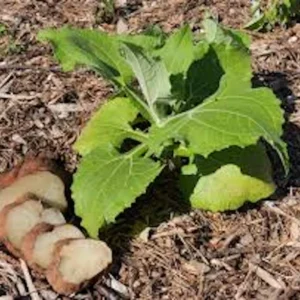
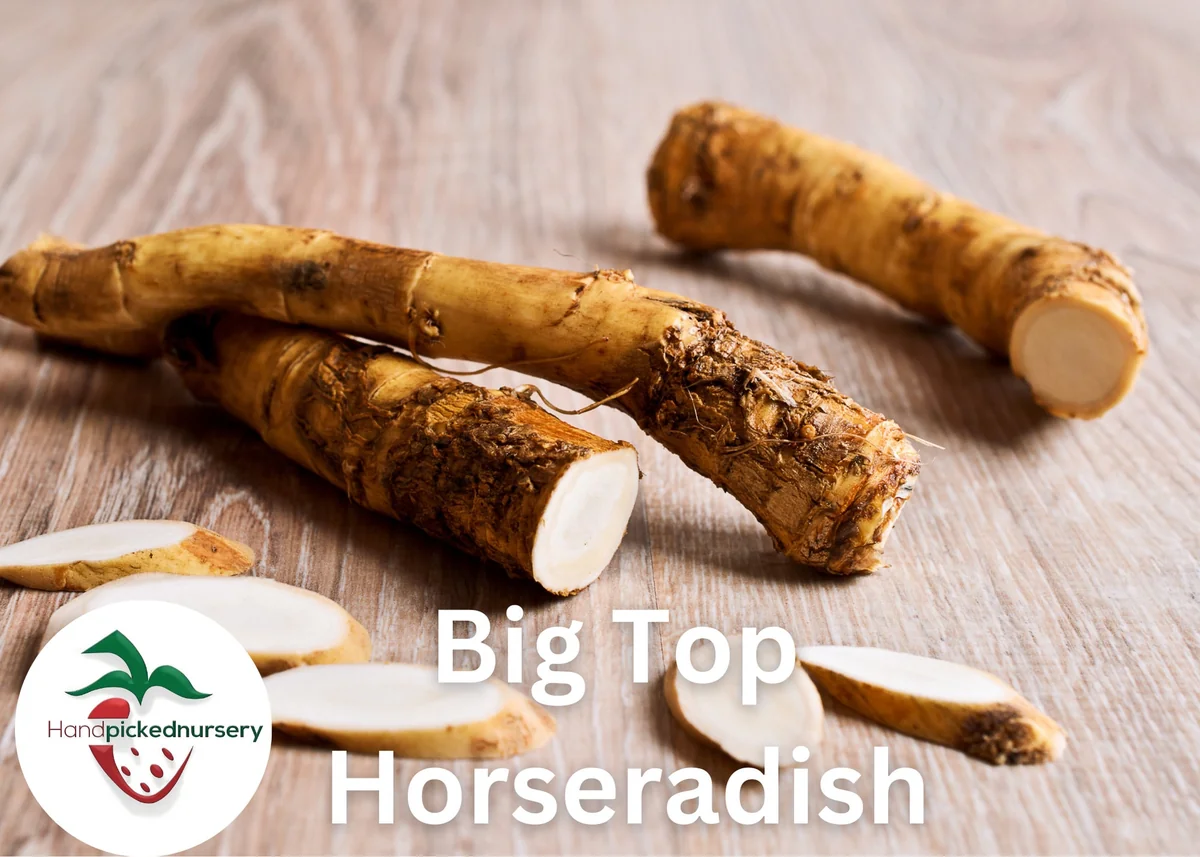
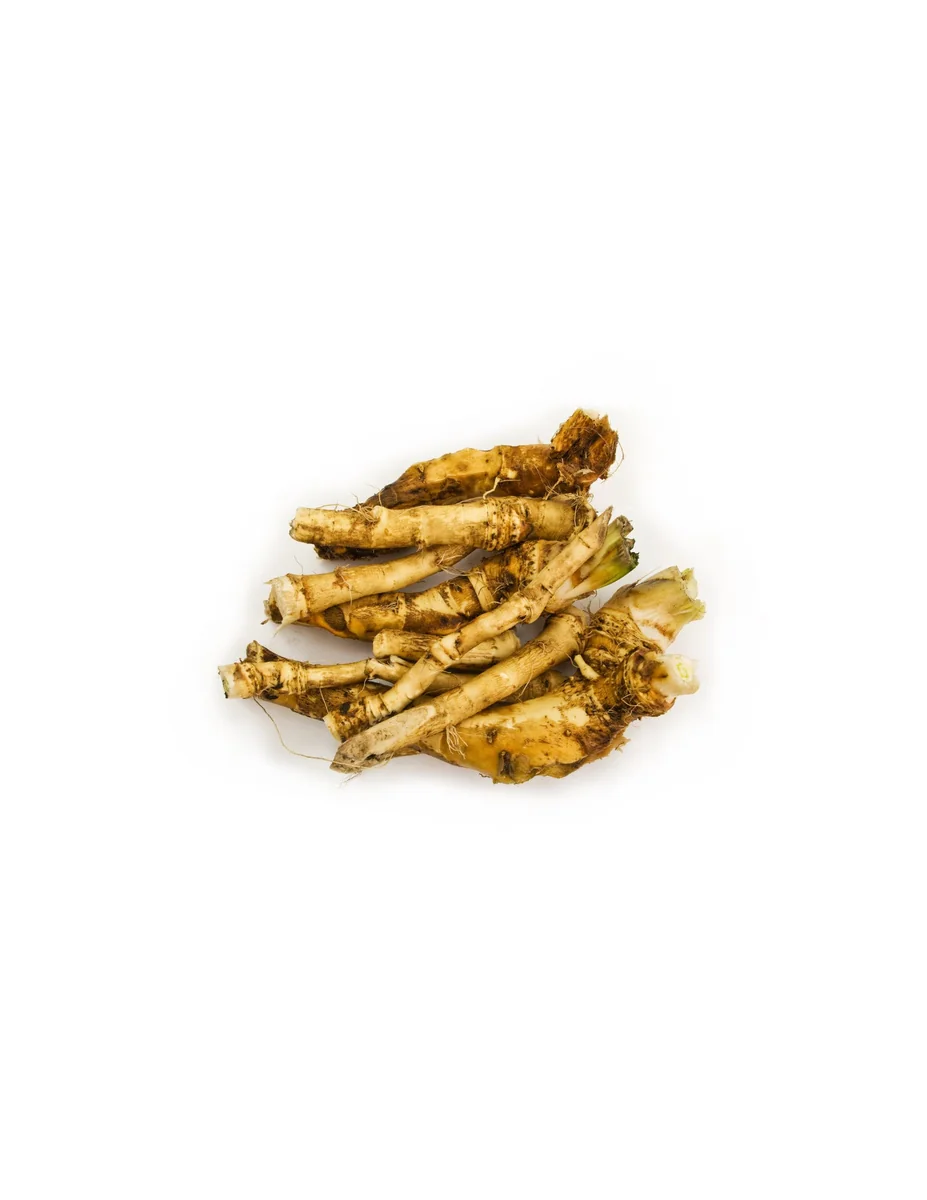
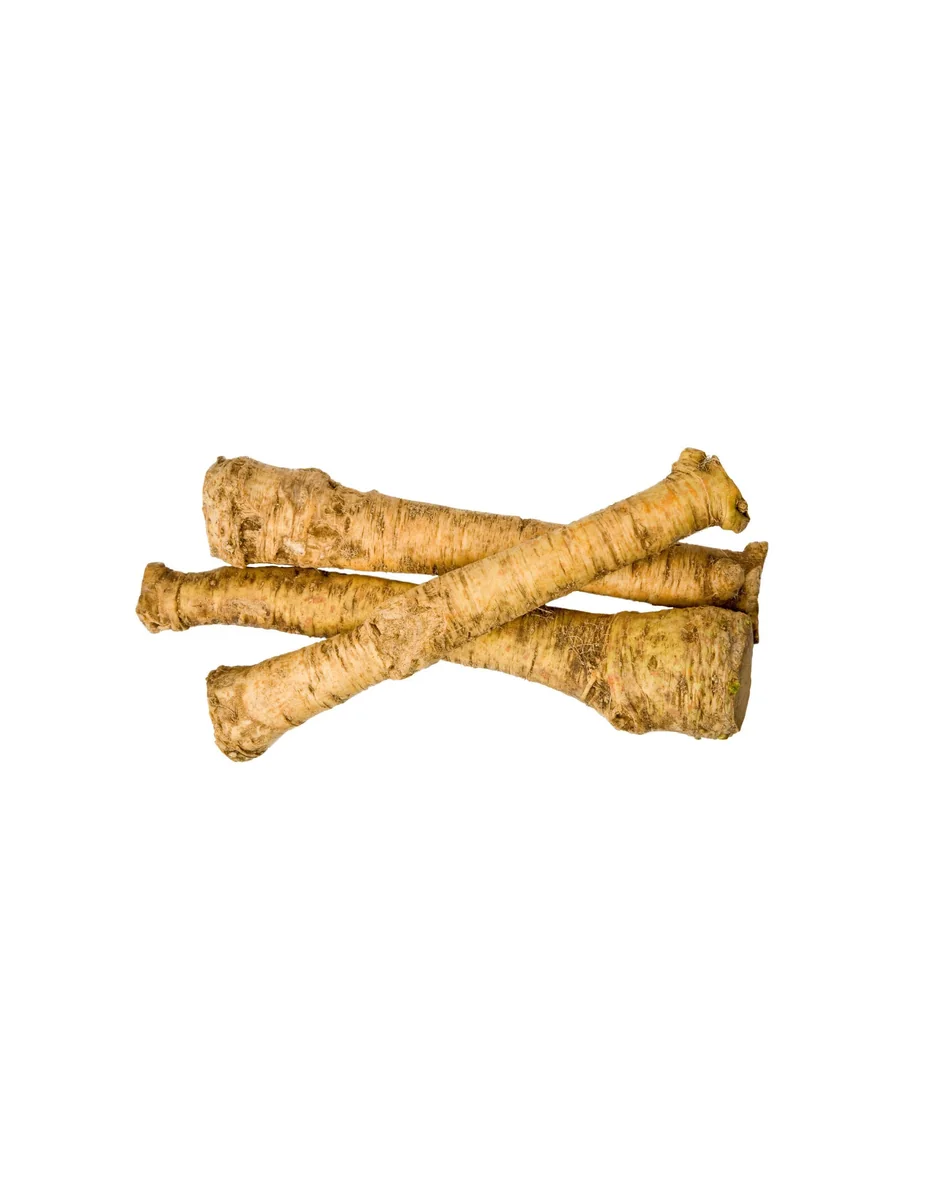
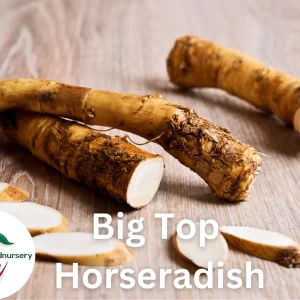
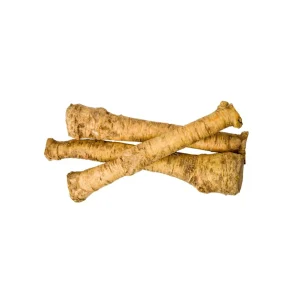
Discover the joy of growing your own pungent condiment with the Big Top Horseradish root. This offering provides 20 robust bare roots, ready to be planted and cultivated into a thriving patch of this versatile perennial. Known botanically as Armoracia rusticana, Big Top Horseradish is celebrated for its vigorous growth and exceptionally spicy, peppery flavor, making it a favorite among culinary enthusiasts. Unlike many plants, horseradish is primarily grown for its thick, tapered roots, which are the source of its distinctive heat. These roots are perfect for creating homemade horseradish sauce, adding a kick to various dishes, or preserving for future use. Planting these bare roots allows you to establish a strong, healthy crop that will provide a continuous supply of this flavorful root for years to come.
The Big Top Horseradish root is a member of the Brassicaceae family, related to mustard and cabbage, and is renowned for its hardiness and ease of cultivation. Whether you’re a seasoned gardener or just starting out, growing horseradish can be a rewarding experience. The plant’s large, coarse leaves add a unique texture to the garden, while its deep-growing roots promise a bountiful harvest. This particular variety, Big Top, is specifically chosen for its high yield and excellent flavor profile, ensuring that your efforts will result in a delicious and satisfying product. Embrace the opportunity to enhance your home cooking with fresh, homegrown horseradish.
Key Benefits
Growing your own Big Top Horseradish root offers a multitude of benefits, from culinary convenience to gardening satisfaction. These hardy plants are a fantastic addition to any home garden:
- Exceptional Flavor and Pungency: The Big Top variety is specifically known for its robust and spicy flavor, providing a superior taste for homemade horseradish sauces and seasonings compared to store-bought alternatives.
- Hardy and Easy to Grow: Horseradish is a resilient perennial plant that requires minimal maintenance once established. It thrives in a variety of soil conditions and can withstand different climates, making it suitable for many gardeners.
- High Yielding: The Big Top variety is recognized for its vigorous growth and ability to produce large, flavorful roots, ensuring a generous harvest from your initial planting.
- Versatile Culinary Use: Freshly grated perennial horseradish can elevate numerous dishes, including roasts, sandwiches, seafood, and salads. It’s also a key ingredient in many traditional sauces and condiments.
- Long-Term Supply: As a perennial, horseradish will continue to grow and produce year after year. You can harvest roots annually and even propagate new plants from existing ones, ensuring a continuous supply.
- Natural Pest Repellent: Horseradish plants are known to deter certain garden pests, potentially benefiting neighboring plants in your garden.
- Nutritional Value: Horseradish contains various vitamins and minerals, offering a healthy addition to your diet when consumed fresh.
Plant Care & Growing Tips
Cultivating a healthy patch of Big Top Horseradish root is straightforward, thanks to its hardy nature. Select a sunny to partially shaded location in your garden that offers well-draining soil. Horseradish prefers a soil pH between 6.0 and 7.0 and thrives in loamy, sandy, or clay soils. Before planting, prepare the soil by loosening it to a depth of at least 12 inches, removing any rocks or weeds. Incorporating well-rotted compost or organic matter will significantly improve soil fertility and structure, providing an ideal environment for your Big Top Horseradish root to establish.
Planting time is crucial for successful growth; aim to plant your horseradish roots in the spring, typically from March to early April, after the last frost but before new growth begins. When ready to plant, cut the bare roots into 6-8 inch sections, ensuring each piece has at least one bud or ‘eye.’ Dig a trench about 2-3 inches deep and place the root sections horizontally, with the bud side facing up. Space the sections approximately 18-24 inches apart to allow ample room for growth. After planting, cover the roots gently with soil and water thoroughly to help them settle and promote initial root establishment. Consistent moisture is key, so keep the soil moist but not waterlogged, especially during dry periods. Applying mulch around the plants will help retain soil moisture, suppress weeds, and regulate soil temperature, further aiding the growth of your perennial horseradish. Fertilize with a balanced, slow-release fertilizer in the spring to support vigorous development. Harvesting typically occurs in the fall after the first frost, when the roots have reached their peak flavor and size. You can leave some roots in the ground over winter, as horseradish is very hardy and will continue to grow each year, allowing for easy propagation by dividing the roots in the spring.
Size & Details
This product includes 20 individual Big Top Horseradish root sections, provided as bare roots, ready for planting. Each root section is typically 6-8 inches long, ensuring it contains at least one ‘eye’ for successful sprouting. When mature, Big Top Horseradish plants are known for their vigorous growth, producing thick, tapered roots that grow deep into the soil. The overall plant can reach heights of 2-3 feet with a similar spread of large, textured leaves, making it a substantial presence in the garden. These roots are shipped dormant, ensuring they arrive in optimal condition for planting and establishment. With proper care, you can expect a significant yield of flavorful roots for culinary use, typically ready for harvest in the fall after planting, and continuing to produce for many years as a hardy Armoracia rusticana perennial.
Frequently Asked Questions
- Q: How big does this plant get and what size are the roots? A: The Big Top Horseradish root plant can grow 2-3 feet tall and wide. The roots themselves are thick and tapered, growing deep into the soil, typically reaching a good size for harvest in their first growing season.
- Q: Is this an indoor or outdoor plant? A: Horseradish is primarily an outdoor plant, thriving in garden beds. While it can be grown in large containers, it requires significant space for its roots to develop properly.
- Q: How much sunlight does it need? A: Big Top Horseradish root prefers a location with full sun to partial shade. Aim for at least 6 hours of direct sunlight per day for optimal root development and flavor.
- Q: Is this plant easy to care for? Is it good for beginners? A: Yes, horseradish is very easy to care for and is an excellent choice for beginners. It’s a hardy perennial that requires minimal attention once established, making it a low-maintenance addition to your garden.
- Q: What condition will it arrive in? Is it shipped in soil? A: Your Big Top Horseradish root will arrive as dormant bare roots, meaning they will have no soil. This is the standard and best way to ship horseradish for successful planting.
- Q: How long until I can harvest the horseradish? A: Horseradish roots are typically ready for harvest in the fall, after the first frost, which is usually about 6-7 months after spring planting. You can also leave some roots in the ground for a larger harvest the following year.
- Q: Will it survive winter in my zone? What’s the minimum temperature? A: Horseradish is extremely hardy and can survive winters in a wide range of USDA zones, generally thriving in zones 3-9. It can withstand freezing temperatures, as the roots are well protected underground.
- Q: Can I use this horseradish for cooking? A: Absolutely! The Big Top Horseradish root is specifically cultivated for its robust and spicy flavor, making it perfect for grating and using in sauces, condiments, and various culinary dishes.
- Q: What type of soil does horseradish prefer? A: Horseradish is quite adaptable but prefers well-draining soil that is loamy, sandy, or clay-based. A pH level between 6.0 and 7.0 is ideal for optimal growth.
- Q: How do I propagate more horseradish plants? A: Horseradish can easily be propagated by dividing the roots in the spring. Simply dig up a portion of the root, cut it into sections with ‘eyes,’ and replant them as you did with your initial bare roots. This ensures a continuous supply of perennial horseradish.


Reviews
There are no reviews yet.