Overview
Bring the tropics to your home with our exquisite bilimbi live plant (Averrhoa bilimbi). This fascinating fruit tree, often called the cucumber tree or tree sorrel, is a highly sought-after specimen for enthusiasts of exotic fruits. Native to Southeast Asia, including Thailand, Malaysia, and Singapore, the bilimbi is also found in warmer regions of India. While it’s a rare find outside its native habitat, it is surprisingly manageable to cultivate, making it a rewarding addition to any garden or patio in suitable climates. Our bilimbi live plant is carefully nurtured to ensure a healthy start in your growing environment.
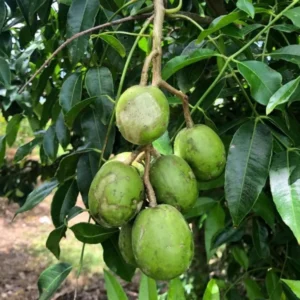
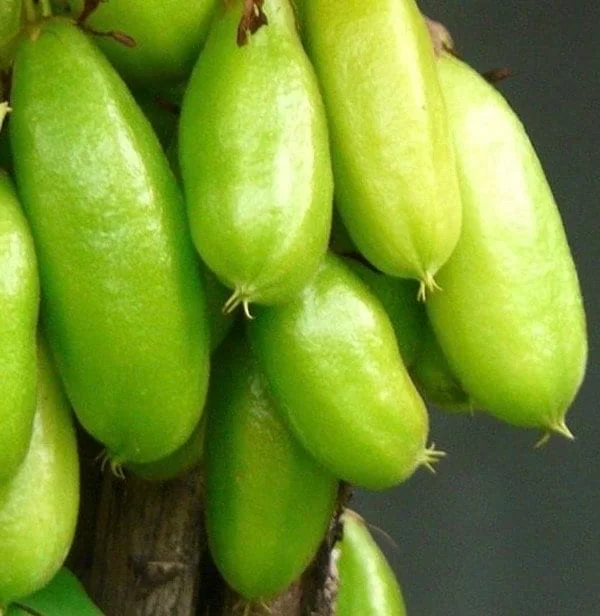
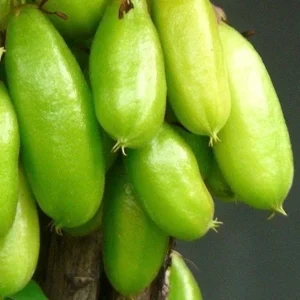
The Bilimbi tree is closely related to the carambola (star fruit) but possesses distinct characteristics in its appearance, fruiting habits, and flavor profile. Its unique fruits, resembling small cucumbers, emerge directly from the trunk and older branches, creating a visually striking display. The fruit’s extremely acidic, jelly-like flesh is prized in various cuisines for its tart flavor, making it a versatile ingredient for sauces, pickles, and beverages. Embrace the joy of growing your own exotic fruit with this exceptional averrhoa bilimbi tree.
Key Benefits
Adding a bilimbi live plant to your collection offers a multitude of benefits, from its unique aesthetic appeal to its culinary potential and ease of care in appropriate conditions. This exotic fruit tree is a true conversation starter and a source of fresh, flavorful fruit.
- Exotic Fruit Production: Enjoy hundreds of tart, delicious bilimbi fruits annually, perfect for cooking, making refreshing drinks, or pickling. This exotic fruit tree provides a continuous harvest for many months.
- Unique Ornamental Value: The unusual growth habit of fruits directly on the trunk and older branches makes the cucumber tree plant a visually captivating specimen in any garden or landscape.
- Culinary Versatility: The intensely tart flavor of bilimbi fruits is highly prized in various international cuisines, offering a unique ingredient for adventurous cooks to explore.
- Moderate Size for Subtropical Regions: While reaching up to 35 ft in tropical zones, the tree sorrel plant typically grows to a more manageable 15-20 ft in subtropical areas, fitting well into many home gardens.
- Continuous Fruiting: Once mature, the averrhoa bilimbi tree can bloom and fruit almost continuously for several months, providing a long season of fresh produce.
- Relatively Easy to Grow: Despite its exotic nature, bilimbi is not overly demanding in cultivation, thriving with consistent watering and ample sunlight, making it a rewarding experience for gardeners.
Plant Care & Growing Tips
Caring for your bilimbi live plant involves providing the right conditions to ensure vigorous growth and abundant fruit production. This tree thrives in warm, humid environments, making it ideal for tropical and subtropical climates.
Sunlight Requirements
Bilimbi live plant requires significant sunlight for optimal growth and fruit development. Place your tree in a location that receives full sun, ideally with at least 6-8 hours of direct sunlight per day. If growing indoors or in a greenhouse, position it near a south-facing window or provide supplemental grow lights to ensure it gets enough light. Insufficient light can lead to poor growth and reduced fruiting for your averrhoa bilimbi tree.
Watering Schedule
Consistent moisture is key for a healthy cucumber tree plant. When newly planted, water frequently to help the soil settle around the roots. Once established, maintain regular watering, ensuring the soil remains consistently moist but never waterlogged. Bilimbi does not tolerate drought well, so it’s crucial to provide adequate hydration, especially during dry spells. Always check the top inch of soil; if it feels dry, it’s time to water.
Soil Type and Fertilization
Plant your bilimbi live plant in well-draining soil with an active pH. A rich, loamy soil amended with organic matter is ideal. Good drainage is essential to prevent root rot. Fertilize your tree when needed, typically after it has doubled in size or at least once a year during its active growing season. Use a balanced fertilizer formulated for fruit trees. Repotting as the plant grows will help replenish nutrients and provide ample space for root development, contributing to a robust exotic fruit tree.
Temperature and Hardiness
The tree sorrel plant thrives in warm, humid climates. It is sensitive to cold and frost, making it suitable for USDA zones 9-11 and warmer. If you live in a cooler climate, consider growing it in a large container that can be moved indoors during colder months. Protect the tree from temperatures below 40°F (4°C) to prevent damage. With proper care, your averrhoa bilimbi tree will flourish and produce abundant fruit.
Size & Details
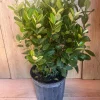
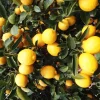
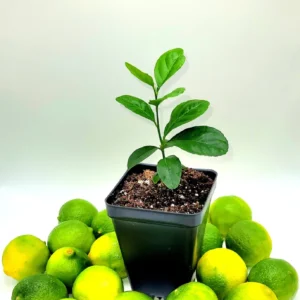
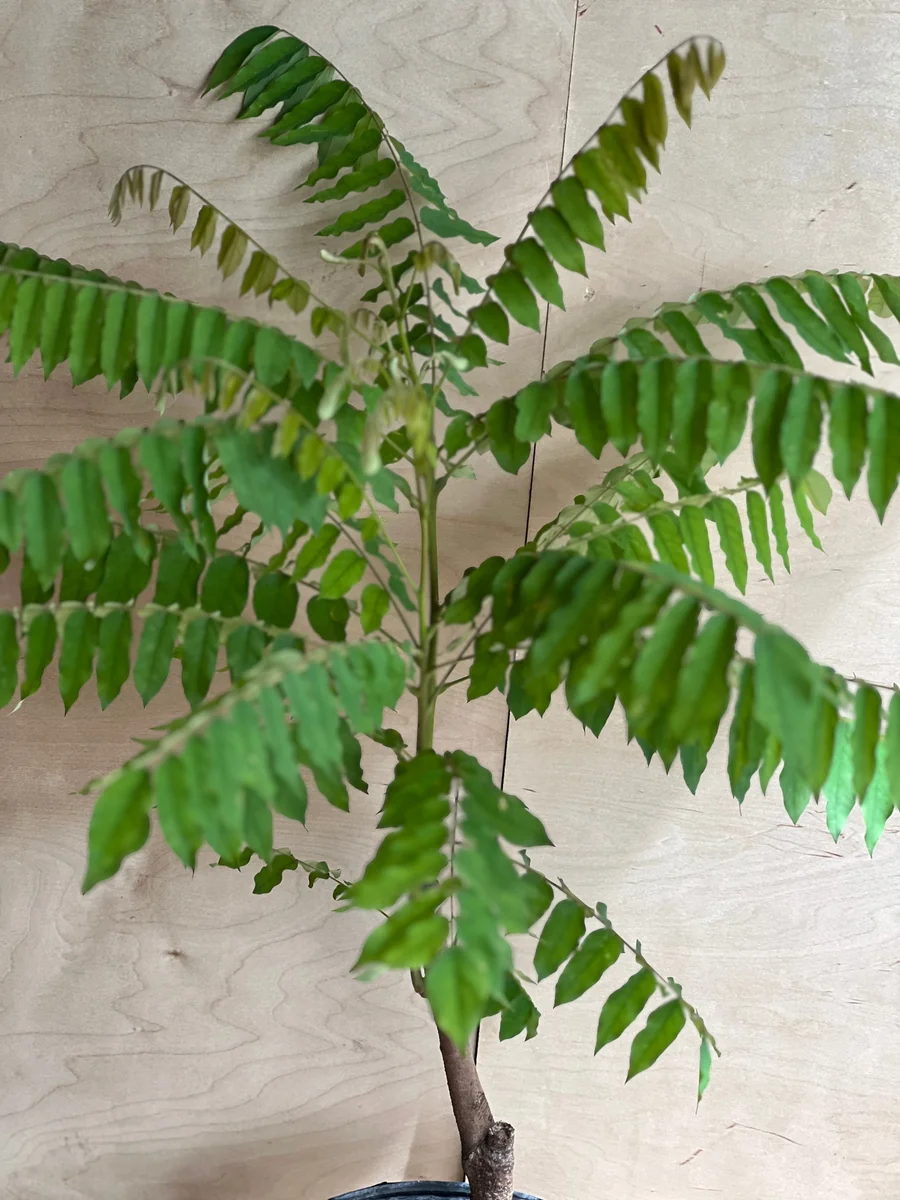
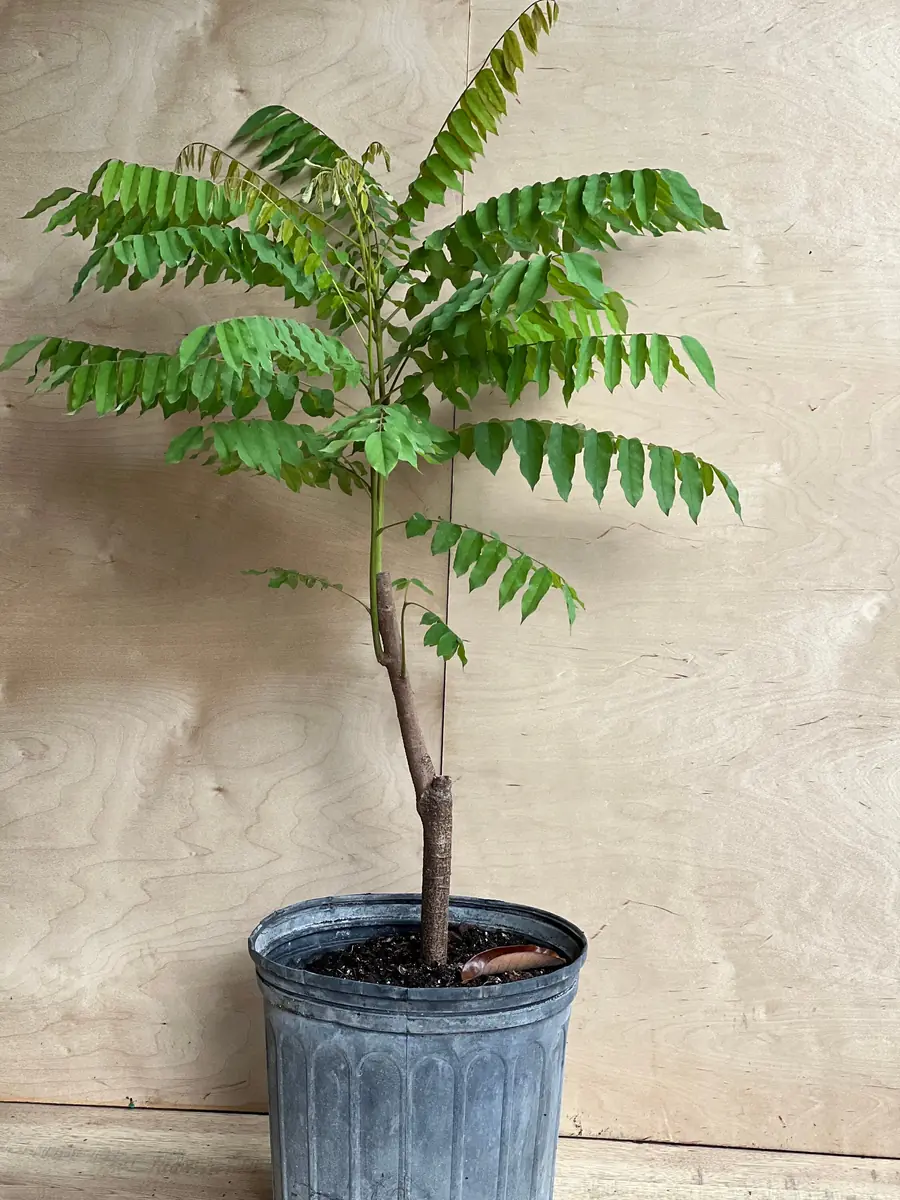
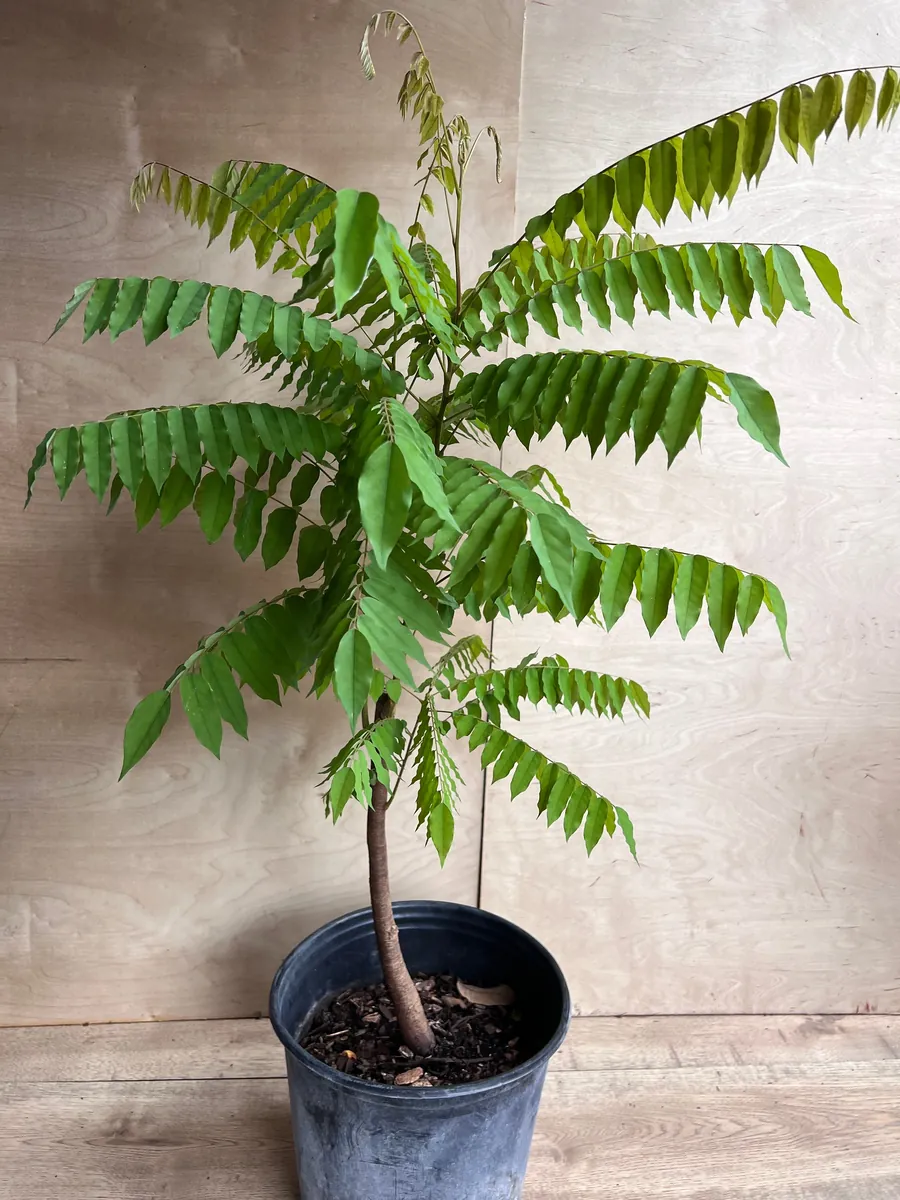
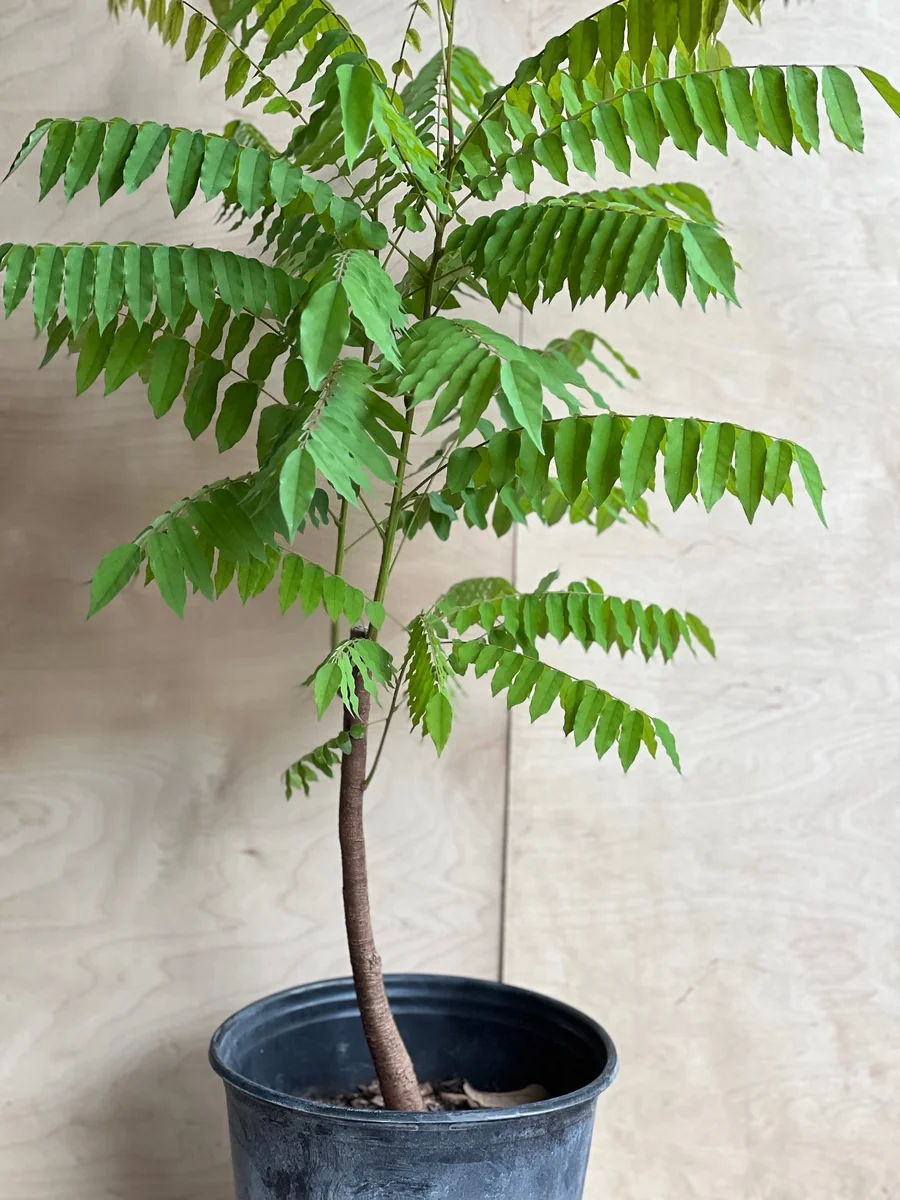
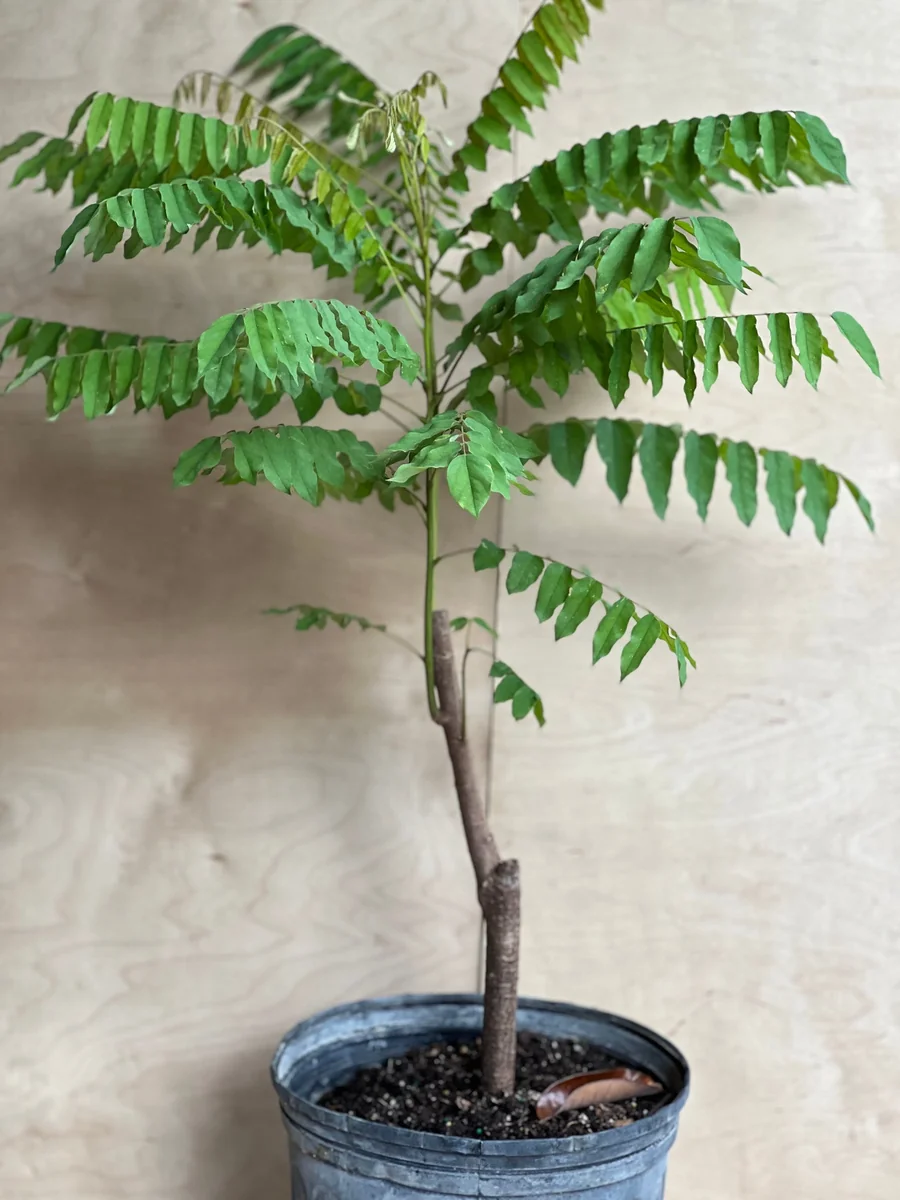
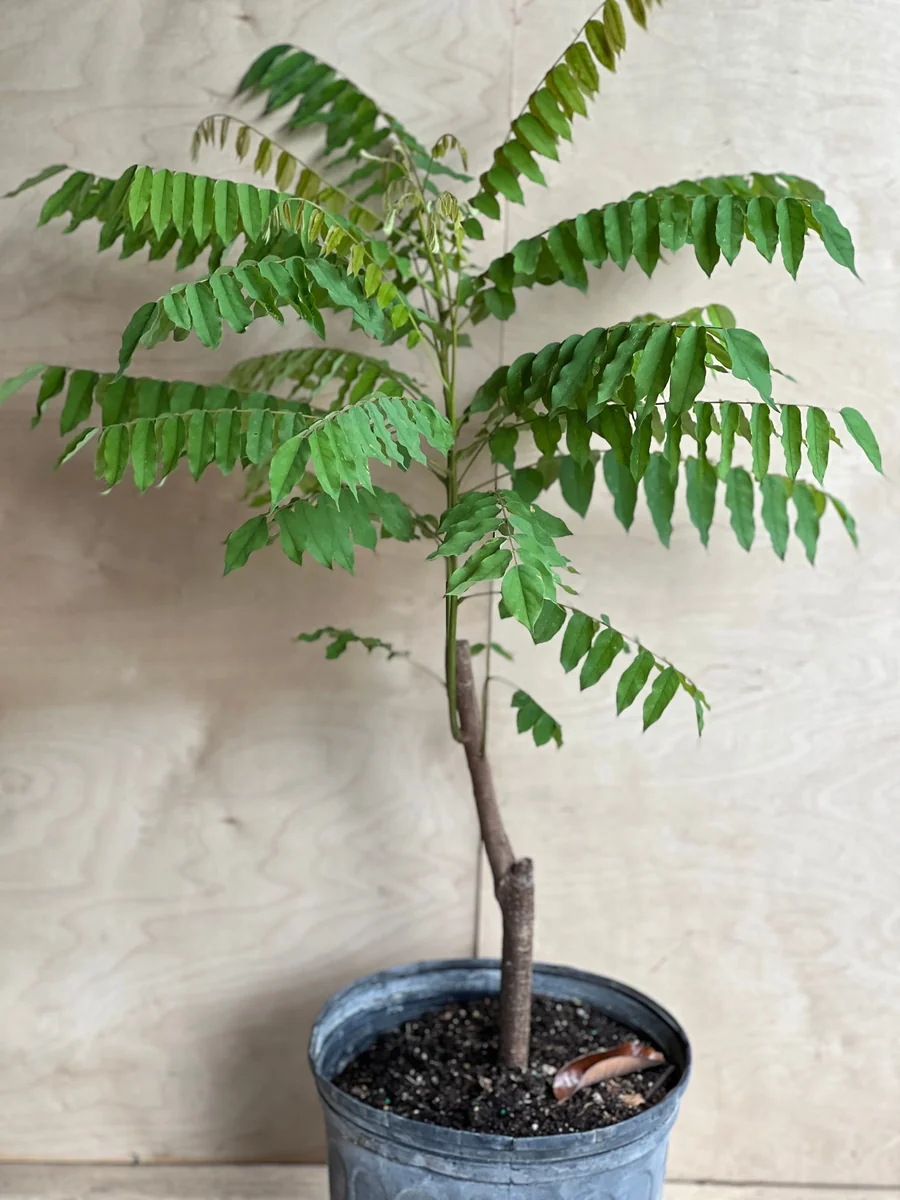
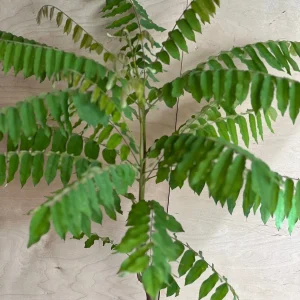
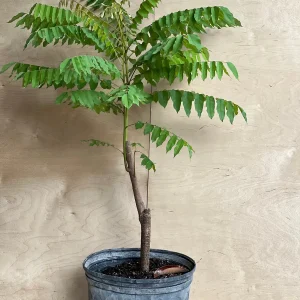
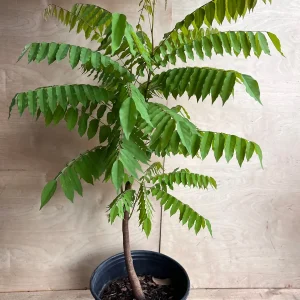
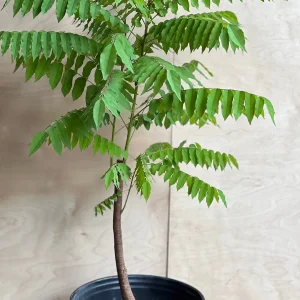
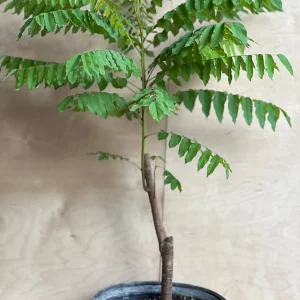
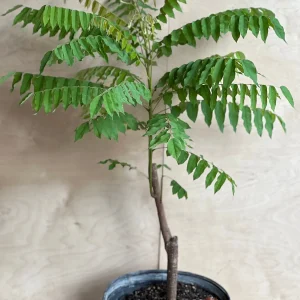
You will receive one healthy bilimbi live plant in a 10-inch nursery pot, similar to the images provided. The plant is well-rooted and ready for transplanting into a larger container or directly into your garden, depending on your climate. In tropical regions, the Bilimbi tree can reach heights of up to 35 feet, but in subtropical areas, it typically grows to a more manageable 15-20 feet tall, with a short trunk and upright branches. The fruits average two to three inches in length, with a glossy, thin skin and an extremely acidic, jelly-like green flesh embedded with small seeds. Trees generally begin to flower and fruit continuously from late winter through late autumn once they reach maturity, producing hundreds of fruits per season. This exotic fruit tree offers a long period of harvest.
Frequently Asked Questions
- Q: How big does this plant get? A: In tropical regions, the bilimbi live plant can reach up to 35 feet tall. In subtropical areas, it typically grows 15-20 feet tall, making it a good size for many home gardens.
- Q: What size pot does it come in? A: Your averrhoa bilimbi tree will arrive in a 10-inch nursery pot, providing a healthy start for its roots.
- Q: Is this an indoor or outdoor plant? A: The cucumber tree plant thrives outdoors in warm, humid, frost-free climates (USDA zones 9-11). In cooler regions, it can be grown in a container and moved indoors during winter.
- Q: How much sunlight does it need? A: This plant requires full sun, ideally 6-8 hours of direct sunlight daily, to ensure good growth and fruit production.
- Q: Is this plant easy to care for? A: While exotic, the bilimbi live plant is not overly difficult to cultivate. It requires consistent watering, good drainage, and plenty of sunlight, similar to many other fruit trees.
- Q: What condition will it arrive in? A: Your plant will arrive healthy and well-packaged, carefully prepared for shipment to ensure it reaches you in the best possible condition, ready for planting.
- Q: How long until it produces fruit? A: Once mature, the tree sorrel plant typically begins to flower and fruit continuously from late winter through late autumn, producing heavy crops.
- Q: Will it survive winter in my zone? A: The bilimbi is sensitive to cold. It will survive winter outdoors in USDA zones 9-11. In colder zones, it must be protected from frost or moved indoors.
- Q: Can I use the fruit for cooking? A: Absolutely! The highly acidic fruit of the exotic fruit tree is popular in various cuisines for making sauces, pickles, and refreshing beverages.


Reviews
There are no reviews yet.