Overview
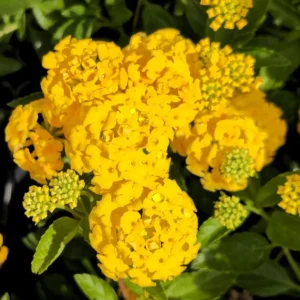
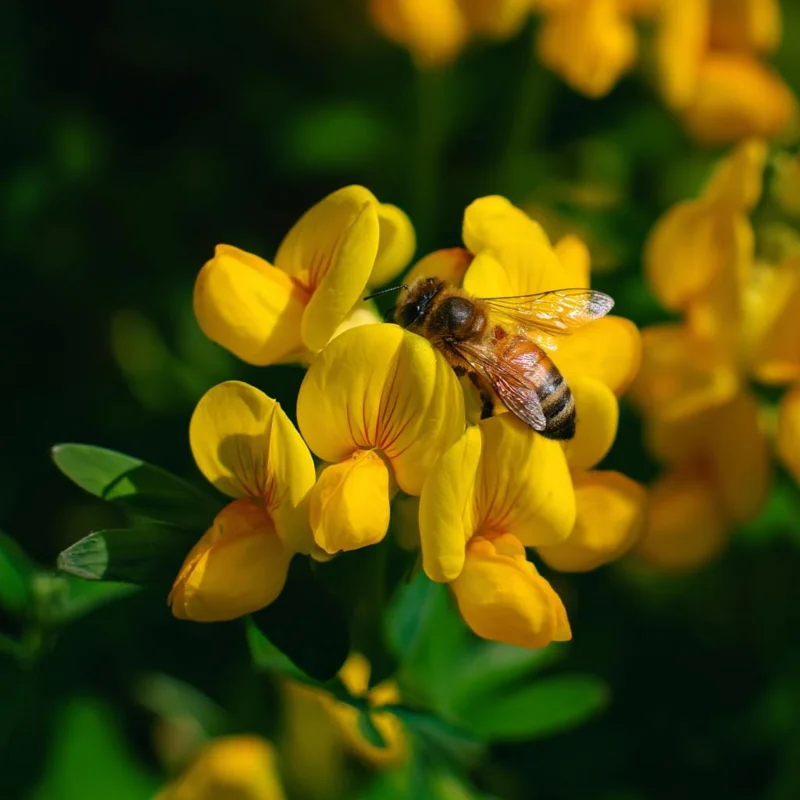
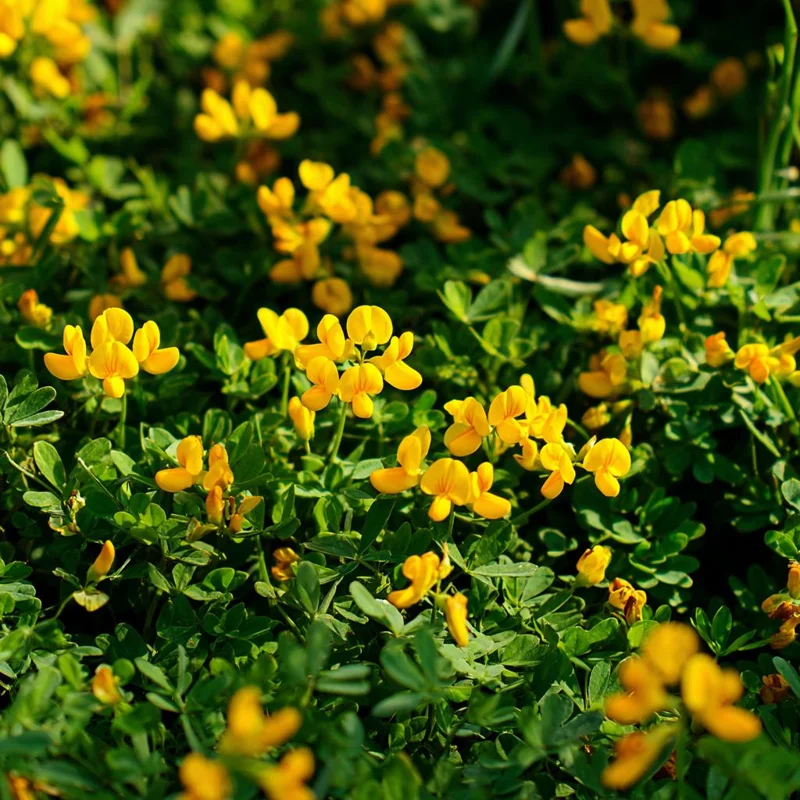
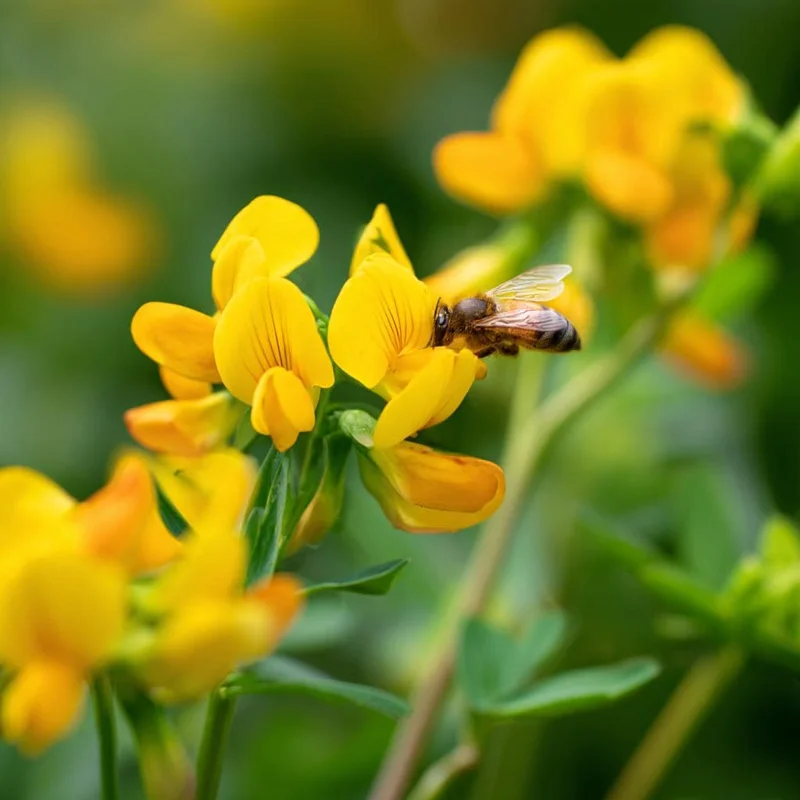
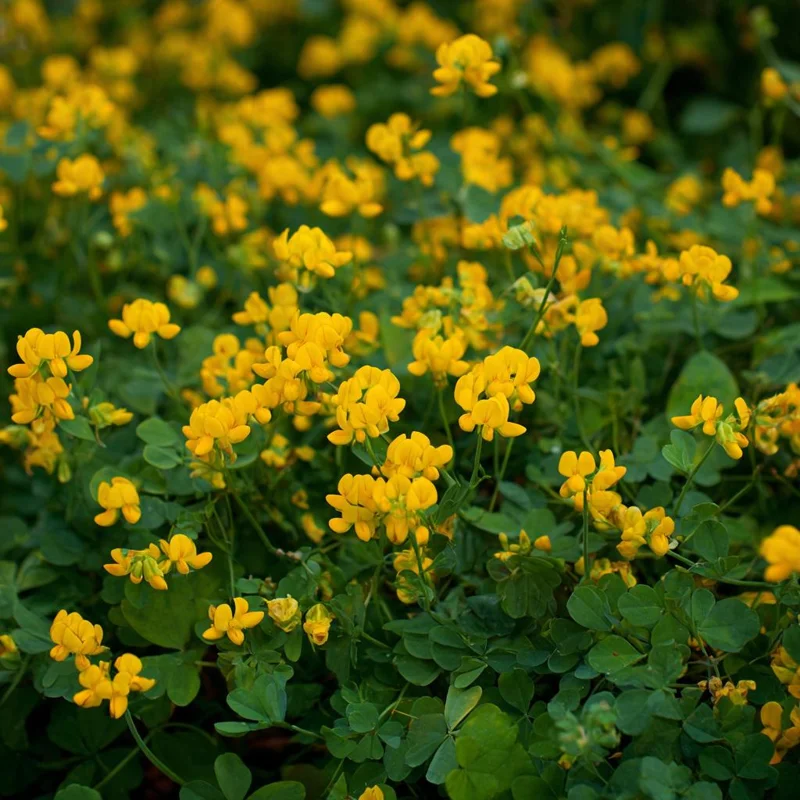
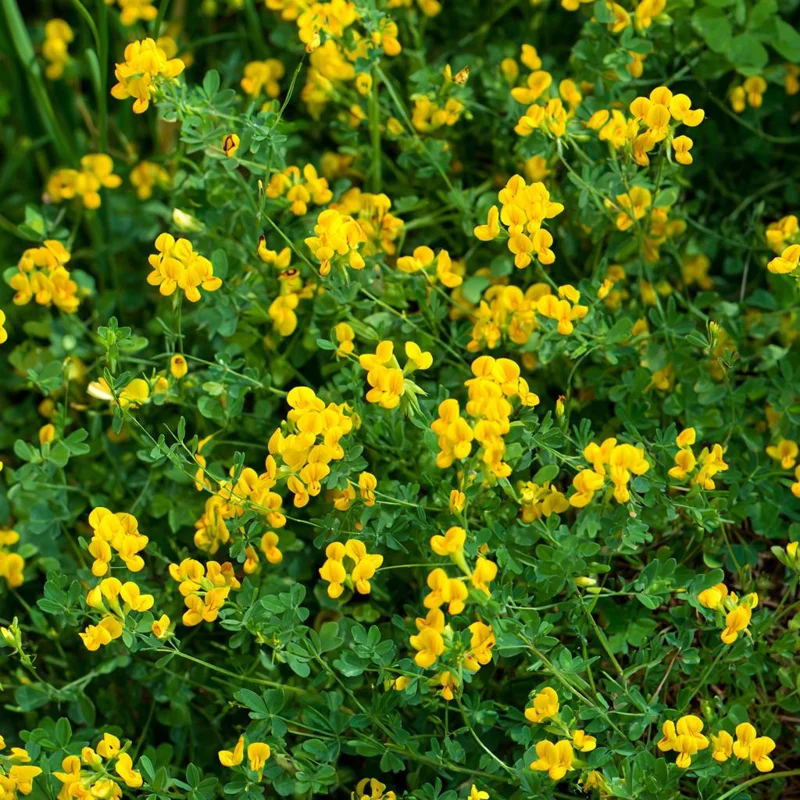
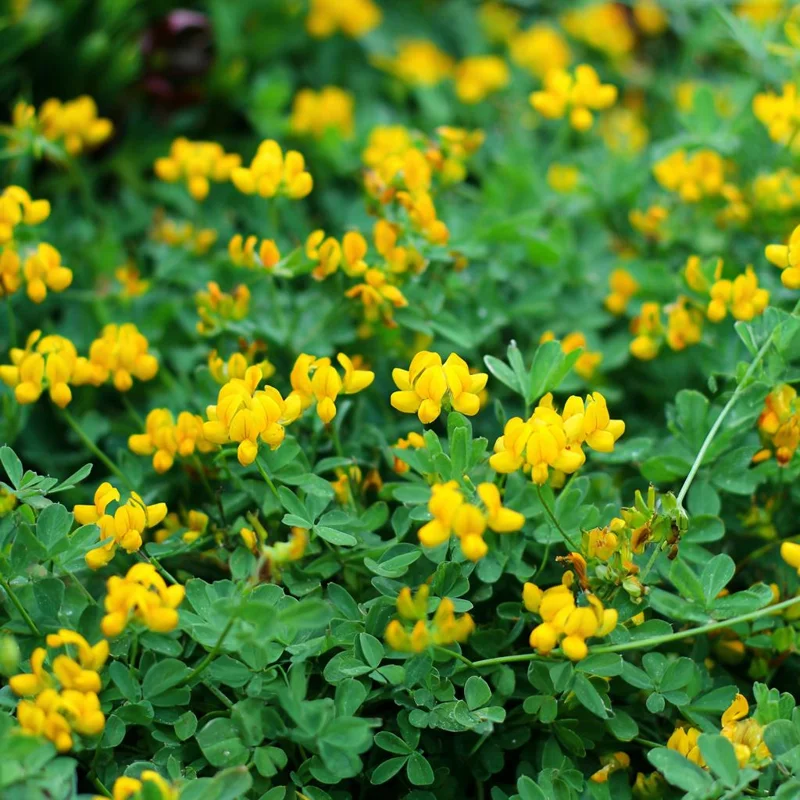
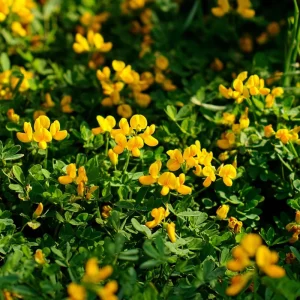
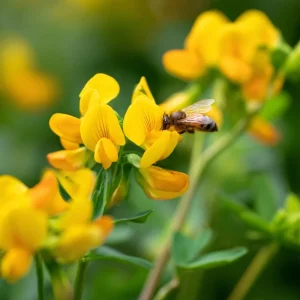
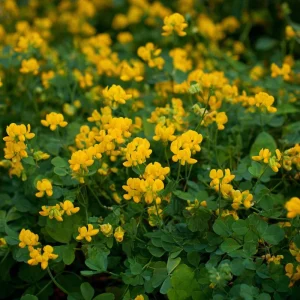
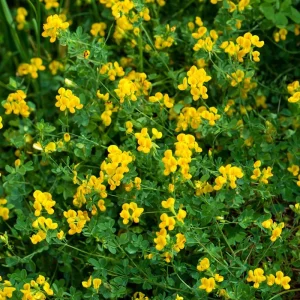
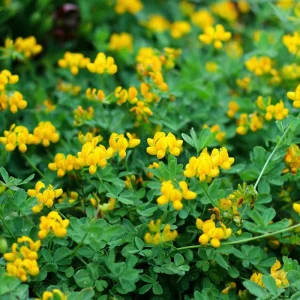
Transform your garden into a thriving ecosystem with high-quality bird’s foot trefoil seeds. Also known by its botanical name, Lotus corniculatus, this hardy perennial legume is celebrated for its cheerful bright yellow, pea-like flowers that bloom profusely throughout the growing season. It’s an exceptional choice for gardeners seeking a low-growing, resilient plant that offers both ornamental beauty and significant ecological benefits. These lotus corniculatus seeds are perfect for establishing dense mats, which are excellent for preventing soil erosion on slopes and in difficult areas. Beyond its aesthetic appeal, Bird’s Foot Trefoil actively enriches the soil by fixing nitrogen, contributing to a healthier garden ecosystem. It’s a natural fit for wildflower meadows, borders, and any landscape requiring a tough, yet attractive, groundcover that supports biodiversity, making it an excellent choice for those seeking pollinator friendly plants.
Key Benefits
Growing bird’s foot trefoil seeds offers a multitude of advantages for your garden and the environment. This versatile plant is a true workhorse, providing continuous beauty and ecological services with minimal effort.
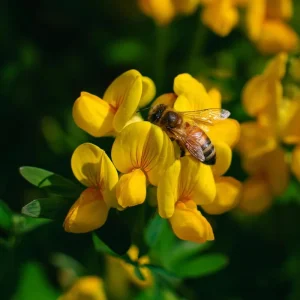
- Pollinator Magnet: The vibrant yellow flowers are a favorite of bees, butterflies, and other beneficial insects, making it an excellent choice for supporting local pollinator populations. By planting pollinator friendly plants like Bird’s Foot Trefoil, you contribute to a thriving ecosystem.
- Erosion Control: Its dense, mat-forming growth habit makes it highly effective at stabilizing soil on slopes, banks, and other areas prone to erosion, protecting your landscape naturally. This makes it an ideal option for perennial groundcover seeds projects.
- Nitrogen Fixer: As a legume, Bird’s Foot Trefoil enriches the soil with nitrogen, reducing the need for synthetic fertilizers and improving overall soil health for neighboring plants, benefiting your garden with these bird’s foot trefoil seeds.
- Low Maintenance: Once established, this perennial is incredibly tough and requires very little care, thriving in a wide range of conditions without constant attention. It’s an ideal drought tolerant perennial, reducing water usage.
- Adaptable & Hardy: It tolerates poor soils, including sandy or rocky areas, and adapts well to various sun exposures, making it suitable for many challenging garden spots.
- Attractive Groundcover: With its low-growing nature and cheerful blooms, it creates a beautiful and uniform green carpet, perfect as a perennial groundcover seeds option for naturalized areas or underplanting.
- Ecologically Valuable: Beyond pollinators, it provides habitat and food for various wildlife, enhancing the biodiversity of your garden space. These lotus corniculatus seeds offer long-term ecological benefits.
Plant Care & Growing Tips
Cultivating bird’s foot trefoil seeds is straightforward, making it an excellent choice for gardeners of all experience levels. For best results, sow seeds directly outdoors in spring after the last frost, or in early fall. Prepare a well-drained seedbed by lightly raking the soil. Sow the seeds about 1/8 inch deep; mixing them with sand can help with even distribution. Gently water the area after sowing, ensuring the soil remains consistently moist until germination occurs, which typically takes 10 to 21 days at temperatures between 65–75°F (18–24°C). Once seedlings emerge, thin them to stand 6–12 inches apart to allow for proper groundcover development. These lotus corniculatus seeds will quickly establish a robust root system.
Bird’s Foot Trefoil thrives in full sun, meaning at least six hours of direct sunlight daily, but it can also tolerate partial shade. It is highly adaptable to a wide range of soil types, including poor, sandy, or rocky soils, as long as drainage is adequate. During the establishment phase, water regularly to ensure consistent moisture. Once mature, the plant becomes remarkably drought tolerant perennial, requiring less frequent watering. An occasional deep watering during prolonged dry spells is usually sufficient. Fertilization is generally not necessary due to its nitrogen-fixing capabilities. To maintain a tidy appearance and encourage further blooming, you can trim the plants after their main flowering period. This also helps prevent excessive self-seeding if desired. This resilient plant is rarely bothered by pests or diseases, contributing to its low-maintenance appeal, making it a truly pollinator friendly plant for any garden.
Size & Details
This package contains 200 Bird’s Foot Trefoil seeds, providing ample quantity for establishing a significant area of groundcover or for multiple planting projects. Each seed is carefully selected to ensure high germination rates, giving you the best start for a successful garden. Once mature, Bird’s Foot Trefoil typically grows to a height of 6 to 12 inches, forming a dense, spreading mat that can cover an area of 1 to 2 feet wide per plant. Its low-growing habit makes it ideal for areas where height is not desired, such as along pathways, rock gardens, or as an underplanting solution. The plants will typically begin to flower in their first year from spring sowing, offering beautiful yellow blooms throughout the summer months. Expect a moderate to fast growth rate, quickly filling in designated areas with lush foliage and vibrant flowers, making it an excellent choice for a quick and effective perennial groundcover seeds solution.
Frequently Asked Questions
- Q: How big does this plant get? A: Bird’s Foot Trefoil typically grows 6 to 12 inches tall and spreads 1 to 2 feet wide, forming a dense mat. It’s an excellent low-growing perennial.
- Q: How much sunlight does it need? A: This plant thrives in full sun, requiring at least six hours of direct sunlight per day, but it can also tolerate partial shade.
- Q: Is this plant easy to care for? A: Yes, Bird’s Foot Trefoil is known for being extremely low-maintenance and hardy once established, making it suitable for beginner gardeners and those seeking a drought tolerant perennial.
- Q: What condition will the seeds arrive in? A: Your bird’s foot trefoil seeds will arrive as a packet of 200 high-quality, viable seeds, ready for planting.
- Q: Can I use Bird’s Foot Trefoil in pastures? A: Yes, it is commonly used in pastures and forage mixes due to its nutritional value and nitrogen-fixing properties, benefiting livestock and soil.
- Q: When is the best time to plant these seeds? A: The best time to sow lotus corniculatus seeds is in spring after the last frost, or in early fall.
- Q: Will it survive winter in my zone? A: Bird’s Foot Trefoil is a hardy perennial and is generally suitable for USDA Zones 3-9, tolerating cold winters in these regions.
- Q: Is Bird’s Foot Trefoil good for erosion control? A: Absolutely. Its strong, spreading root system and dense growth make it an excellent choice for preventing soil erosion on slopes and banks, acting as a natural perennial groundcover seeds solution.
- Q: What type of soil does it prefer? A: It is highly adaptable and thrives in a wide range of well-drained soils, including poor, sandy, or rocky conditions.
- Q: How quickly will the seeds germinate? A: Germination typically occurs within 10 to 21 days when soil temperatures are between 65–75°F (18–24°C). Consistent moisture is key during this period.


Reviews
There are no reviews yet.