Overview
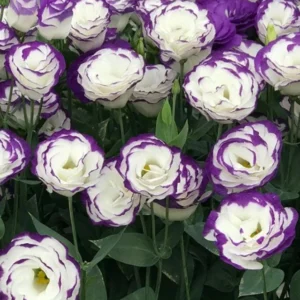
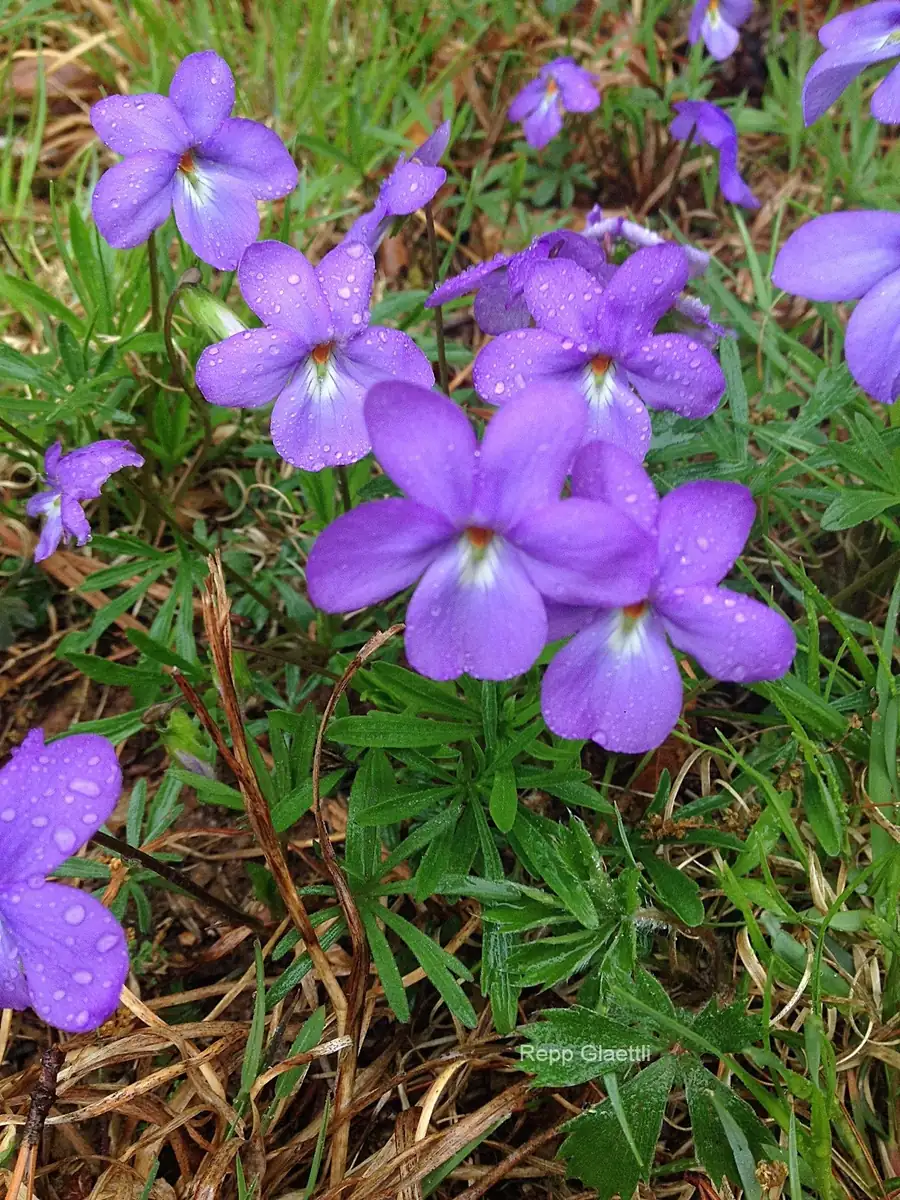
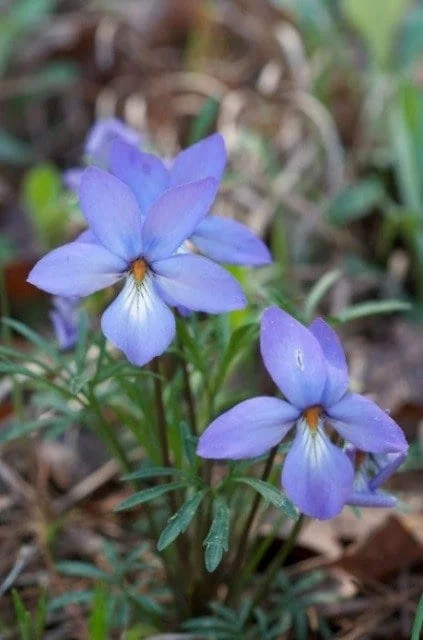
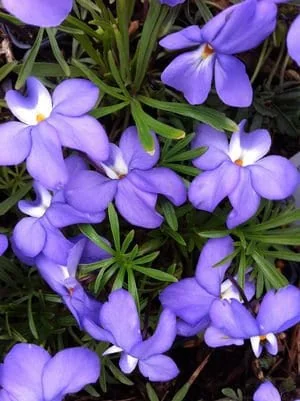
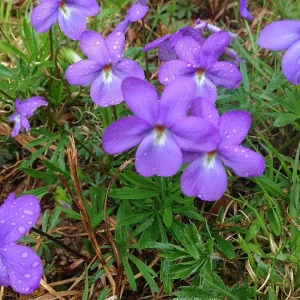
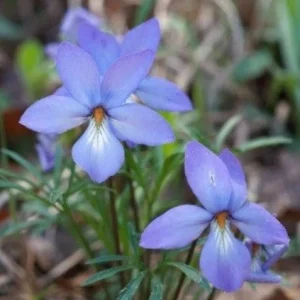
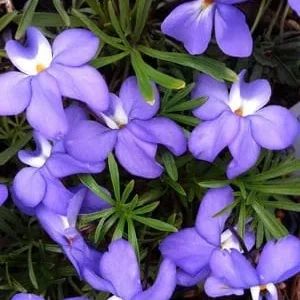
Introduce a touch of wild elegance to your landscape with the Bird’s-Foot Violet bare-root plant. Known scientifically as Viola Pedata, this charming native herbaceous perennial is celebrated for its delicate yet striking lavender-blue or bi-colored flowers, often adorned with bright orange anthers. Growing 4 to 8 inches high, its common name, Bird’s-Foot Violet, comes from the distinctive shape of its basal leaves, which gracefully resemble a bird’s foot. This beautiful Viola Pedata plant blooms from early to late spring, with the possibility of a second flush of flowers in the fall, providing extended visual interest. Naturally found in rocky, open woods, sandy prairies, and pine lands, it thrives in high-quality, undisturbed habitats, making it a valuable addition to native plant gardens and restoration projects. Often considered one of the prettiest violas, it’s a true gem for any garden enthusiast seeking unique and resilient flora.
The Bird’s-Foot Violet bare-root offers a sustainable way to establish this lovely perennial in your garden. While it may be slightly more challenging to grow than some other viola varieties, its unique beauty and ecological benefits make the effort worthwhile. It does not spread aggressively by stolons but can reseed under optimal conditions, gradually expanding its presence. This native plant is an excellent choice for creating naturalized areas, adding charm to rock gardens, or lining paths where its beauty can be appreciated up close.
Key Benefits
The Bird’s-Foot Violet bare-root offers numerous advantages for both your garden and local ecosystem. Its unique characteristics make it a standout choice for gardeners looking for both beauty and ecological value.
- Unique Floral Beauty: Enjoy the captivating lavender-blue or bi-colored flowers with distinctive orange anthers that bloom in spring and potentially again in fall. This native violet plant adds a delicate yet vibrant splash of color to your garden.
- Distinctive Foliage: The plant’s basal leaves are uniquely shaped like a bird’s foot, providing interesting texture and form even when not in bloom. This adds year-round appeal to your garden design.
- Pollinator Magnet: The flowers are a vital nectar source, attracting various butterflies and bees, contributing to the health of local pollinator populations. It specifically supports Fritillary butterfly larvae and specialized miner bees.
- Deer Resistant: This deer resistant viola is an excellent choice for areas prone to deer browsing, allowing you to enjoy its beauty without constant worry.
- Native Habitat Restoration: By planting Viola Pedata plant, you contribute to supporting local ecosystems, as it thrives in undisturbed, high-quality habitats and provides food and shelter for native wildlife.
- Versatile Landscape Use: Perfect for rock gardens, naturalized areas, along paths, or on slopes, this viola adapts well to various landscape designs where well-drained soil is available.
- Low Maintenance (Once Established): Although it can be somewhat more difficult initially, once established in ideal conditions, this viola requires minimal ongoing care.
Plant Care & Growing Tips
Successfully growing the Bird’s-Foot Violet bare-root requires attention to its specific needs, particularly regarding soil and sunlight. This native plant thrives in well-drained soils, showing a strong preference for sandy or gravelly soil with a somewhat acidic pH. Proper drainage is crucial to prevent root rot and ensure the plant’s long-term health. While it prefers full sun exposure to achieve its best blooms and vigor, it can tolerate part shade, especially in hotter climates where some afternoon protection might be beneficial. When planting your Bird’s-Foot Violet bare-root, ensure the site mimics its natural rocky, open woods or sandy prairie environment as closely as possible.
Watering should be consistent during establishment, but once mature, the plant is relatively drought-tolerant, relying on natural rainfall in suitable climates. Avoid overwatering, as wet feet are detrimental to this viola. It is hardy in USDA zones that include the North Carolina mountains, Piedmont, and coastal areas, suggesting a wide range of adaptability, though specific hardiness zones should be confirmed for your region. Fertilization is generally not heavily required, especially in naturally rich, well-draining soils. If growth appears stunted, a light application of a balanced, slow-release fertilizer formulated for native plants or acid-loving plants can be beneficial. Be mindful that this native violet plant may be more challenging to grow than other violas, but its unique charm is well worth the effort. Monitor for common garden pests, though it is generally robust and a deer resistant viola.
Size & Details
The Bird’s-Foot Violet bare-root typically grows to a modest height of 4 to 8 inches, forming a compact clump. It is a herbaceous perennial that does not spread by stolons, meaning it maintains a relatively contained footprint in the garden, though it may reseed in ideal conditions to form small colonies. When you receive your bare-root plant, it will consist of the root system and dormant crown, ready for planting. The plant is best established in spring or fall, allowing it to develop a robust root system before extreme temperatures. Expect flowers to appear from early to late spring, with potential for a second bloom in the fall. This rock garden violet is an excellent choice for small-scale natural landscaping.
While specific dimensions for a bare-root plant vary upon arrival, the mature plant will establish itself within the indicated height range. Its growth rate is moderate, and it can take a season or two to fully establish and reach its mature size and bloom potential. This Viola Pedata plant is a long-lived perennial once established in suitable conditions, offering years of beauty and ecological benefits. Its natural hardiness makes it a resilient choice for many garden settings.
Frequently Asked Questions
- Q: How big does this plant get? A: The Bird’s-Foot Violet bare-root typically grows to a height of 4 to 8 inches. It forms a compact clump and does not spread aggressively by underground runners, though it can self-seed.
- Q: What condition will the bare-root plant arrive in? A: Your Bird’s-Foot Violet bare-root will arrive dormant, consisting of the healthy root system and crown, ready for planting. This allows for easy establishment and reduces transplant shock.
- Q: Is this an indoor or outdoor plant? A: This is primarily an outdoor plant, native to various habitats and best suited for naturalized areas, rock gardens, or borders in an outdoor setting. It thrives in appropriate USDA zones.
- Q: How much sunlight does it need? A: The Viola Pedata plant prefers full sun for optimal growth and flowering but can tolerate partial shade, especially in warmer climates where some afternoon protection from intense sun is beneficial.
- Q: Is this plant easy to care for? A: While generally hardy, the Bird’s-Foot Violet bare-root can be somewhat more challenging to establish than other violas. It requires specific well-drained, sandy or gravelly soil conditions and consistent moisture during its initial growth.
- Q: When is the best time to plant this bare-root? A: The ideal times to plant a bare-root native violet plant are in the spring, after the last frost, or in the fall, allowing it to establish its root system before winter dormancy.
- Q: What kind of soil does this viola prefer? A: This rock garden violet thrives in well-drained soils, particularly sandy or gravelly types with a somewhat acidic pH. Good drainage is crucial for its health.
- Q: Will it attract wildlife to my garden? A: Yes, the Bird’s-Foot Violet bare-root is excellent for attracting pollinators. Its flowers provide nectar for butterflies and bees, and it serves as a larval host plant for Fritillary butterflies.
- Q: Is this plant deer resistant? A: Yes, this deer resistant viola is known to be resistant to damage by deer, making it a good choice for gardens where deer are a concern.
- Q: How long until it blooms after planting? A: If planted in spring, you may see blooms in its first season, typically from early to late spring. Fall plantings will generally bloom the following spring.


Reviews
There are no reviews yet.