Overview
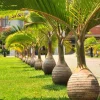
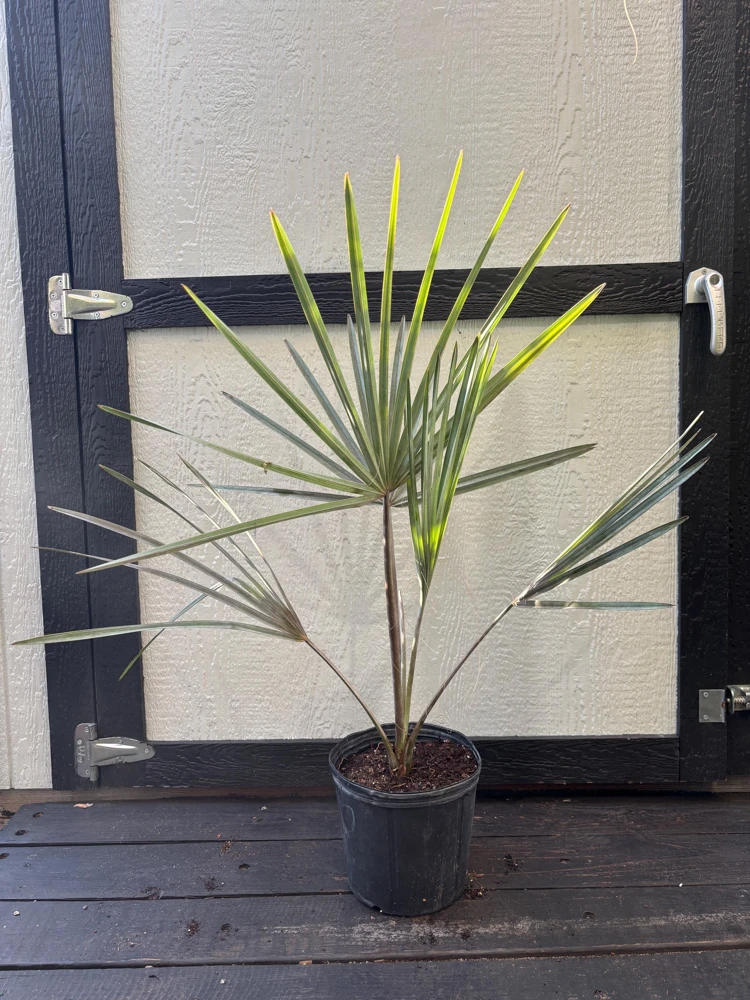
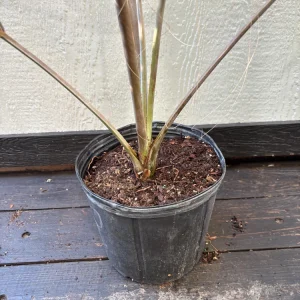
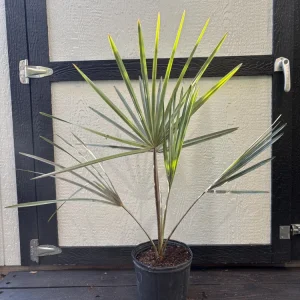
Transform your outdoor space with a magnificent Bismarck Palm Tree live plant. This impressive 1-gallon specimen of Bismarckia nobilis, often referred to as the Silver Select due to its captivating silver-blue fronds, is a true landscape showstopper. Native to the island of Madagascar, the Bismarck palm is celebrated for its grand size and unique coloration, making it a focal point in any large garden or commercial setting. As a slow-growing and remarkably low-maintenance plant, it’s an excellent choice for gardeners seeking a dramatic yet easy-care addition. This live plant arrives well-established and ready to thrive in its new home, promising to infuse your environment with a touch of exotic elegance and a strong architectural presence. Its distinctive fan-shaped leaves create a stunning silhouette against the sky, providing both shade and an undeniable tropical aesthetic.
The Bismarck Palm Tree live plant is highly adaptable to various outdoor conditions once established, particularly excelling in full sun exposures and well-draining soils. Its robust nature and resistance to drought make it a sustainable choice for xeriscaping or for areas where water conservation is a priority. This palm is not just a plant; it’s a living sculpture that adds significant visual value and a sense of permanence to your landscape design. Its stately appearance and resilience ensure it will be a cherished part of your garden for many years to come.
Key Benefits
The Bismarck Palm Tree live plant offers a multitude of benefits, making it a highly desirable choice for landscape enthusiasts:
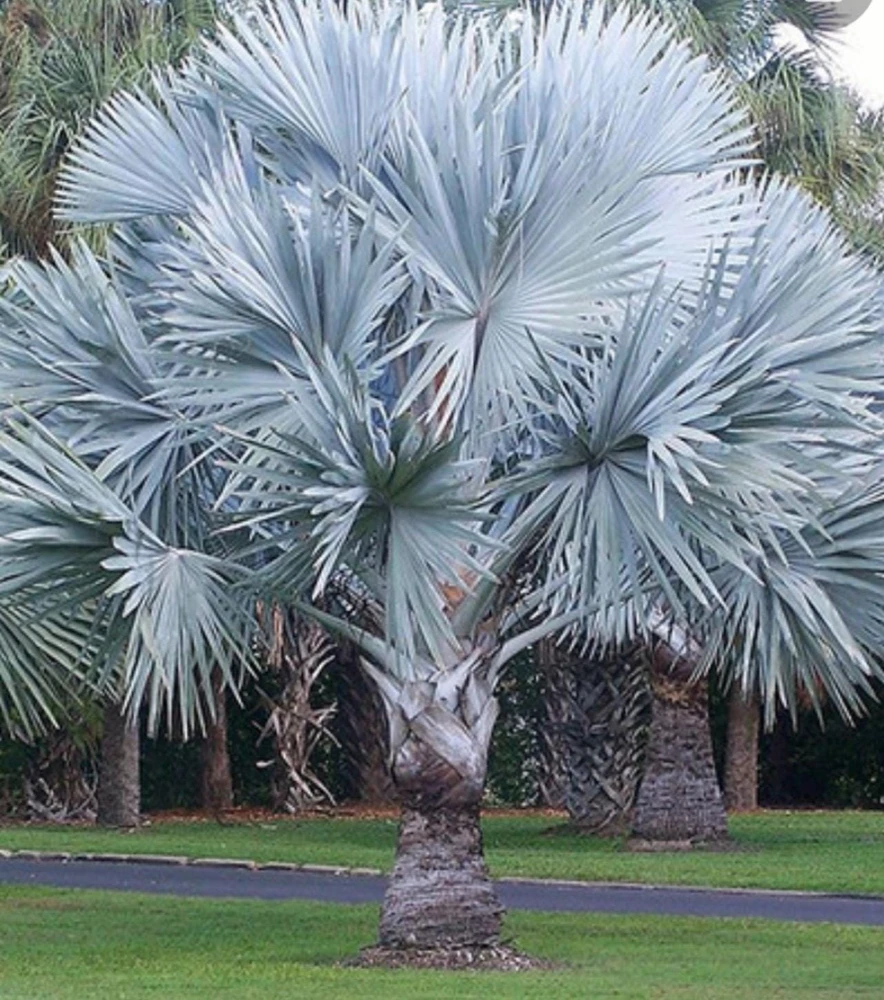
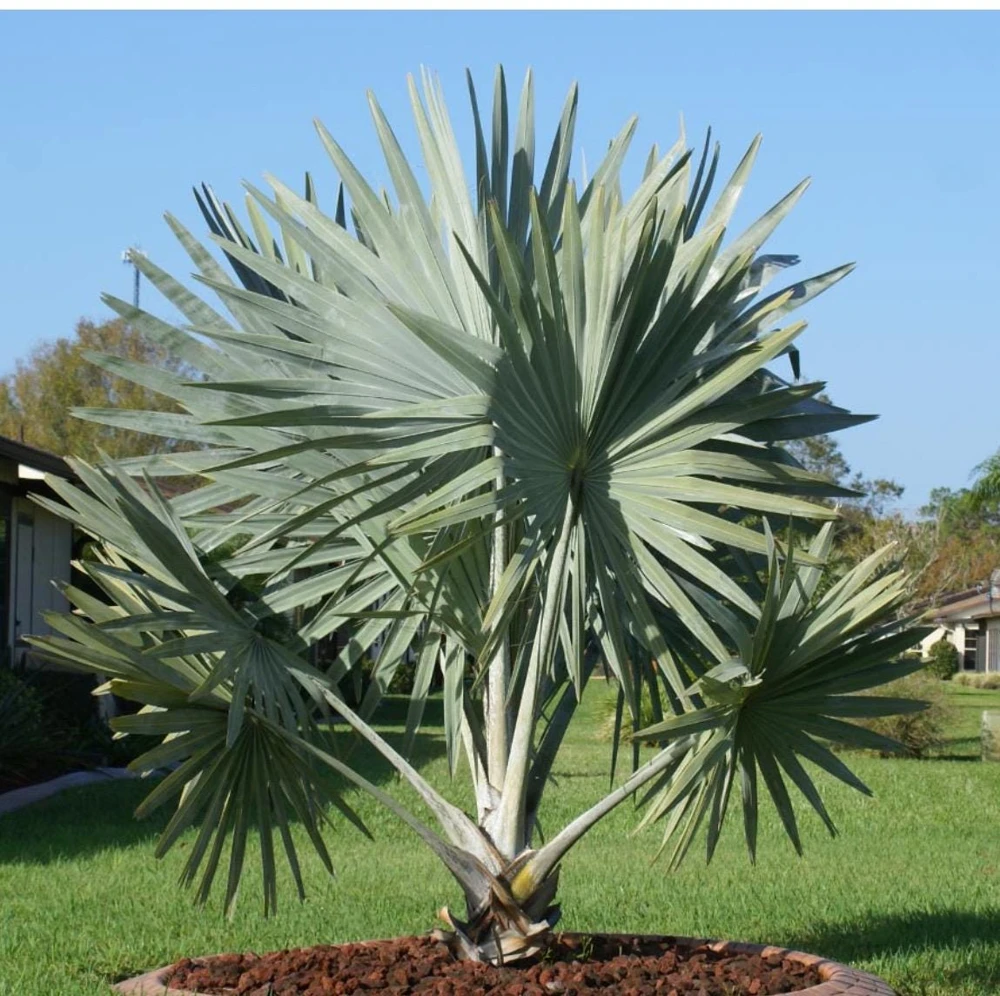
- Stunning Visual Appeal: The most striking feature of the Bismarck palm is its large, stiff, fan-shaped fronds, which are a beautiful silvery-blue color. This unique hue provides a dramatic contrast against green foliage and architectural elements, creating an unforgettable focal point in any garden or landscape.
- Drought Tolerance: Once established, this palm is exceptionally drought-tolerant, requiring minimal watering. This makes it an ideal choice for water-wise gardening and for regions experiencing arid conditions, reducing the need for constant irrigation.
- Low Maintenance: Despite its grand appearance, the Bismarckia nobilis care requirements are surprisingly low. It needs little pruning, primarily just removing old, dead fronds, and is generally resistant to pests and diseases, allowing you more time to enjoy its beauty.
- Heat and Sun Loving: This palm thrives in full sun and hot climates, making it perfectly suited for tropical and subtropical regions. It can withstand intense heat and direct sunlight without scorching, maintaining its vibrant color.
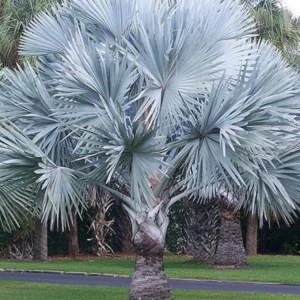
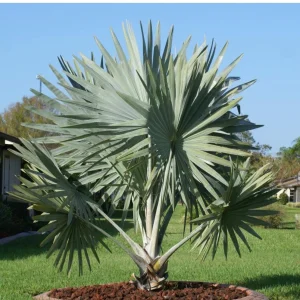
- Large Landscape Impact: Due to its impressive size and majestic form, the Bismarck palm is perfect for creating a grand statement in large landscapes, parks, and spacious residential gardens. It provides excellent shade and a strong architectural element.
- Adaptable to Various Soils: While it prefers well-draining soil, the Bismarck palm can adapt to a range of soil types, including sandy and clay soils, as long as good drainage is provided. This versatility makes it easier to incorporate into diverse garden settings.
- Long Lifespan: With proper care and suitable growing conditions, a silver palm tree outdoor can live for many decades, becoming a long-term asset to your property and increasing its value over time.
Plant Care & Growing Tips
Caring for your Bismarck Palm Tree live plant is relatively straightforward, especially once it has established itself. This magnificent palm thrives in conditions that mimic its native Madagascar environment. For optimal growth, plant your Bismarck palm in a location that receives full sun exposure, ideally 6-8 hours of direct sunlight per day. It can tolerate some partial shade, especially when young, but its best color and most robust growth will occur in full sun. Ensure the planting site has excellent drainage, as Bismarck palms are highly susceptible to root rot in waterlogged conditions.
When it comes to watering, consistent moisture is crucial for young palms. Water regularly during its first year, allowing the top few inches of soil to dry out slightly between waterings. Once established, typically after 1-2 years, the drought tolerant palm becomes remarkably self-sufficient, requiring infrequent watering, even during dry periods. However, deep watering every few weeks during prolonged droughts can be beneficial. The ideal soil for a Bismarck palm is well-draining and slightly acidic to neutral. Amend heavy clay soils with organic matter and sand to improve drainage. Fertilize with a slow-release palm-specific fertilizer 2-3 times a year, following the product instructions, to provide essential micronutrients.
The Bismarck palm is best suited for USDA Hardiness Zones 10-11, where it can withstand typical winter temperatures without damage. While mature palms can tolerate brief dips to just below freezing, prolonged cold or hard freezes can be detrimental, especially to younger plants. Protect young palms from frost with blankets or covers if unexpected cold fronts occur. Pests are rarely a major issue for this robust palm, but keep an eye out for common palm pests like scale or mealybugs and treat with horticultural oil if necessary. Proper Bismarckia nobilis care ensures a healthy, thriving specimen that will enhance your large landscape palm for years.
Size & Details
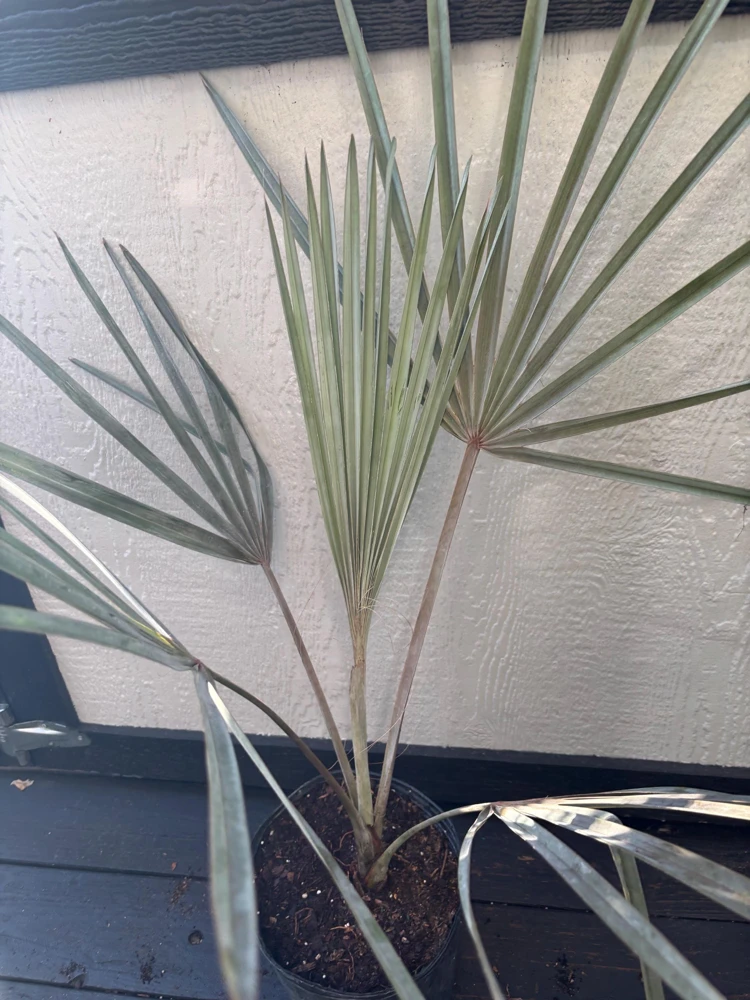
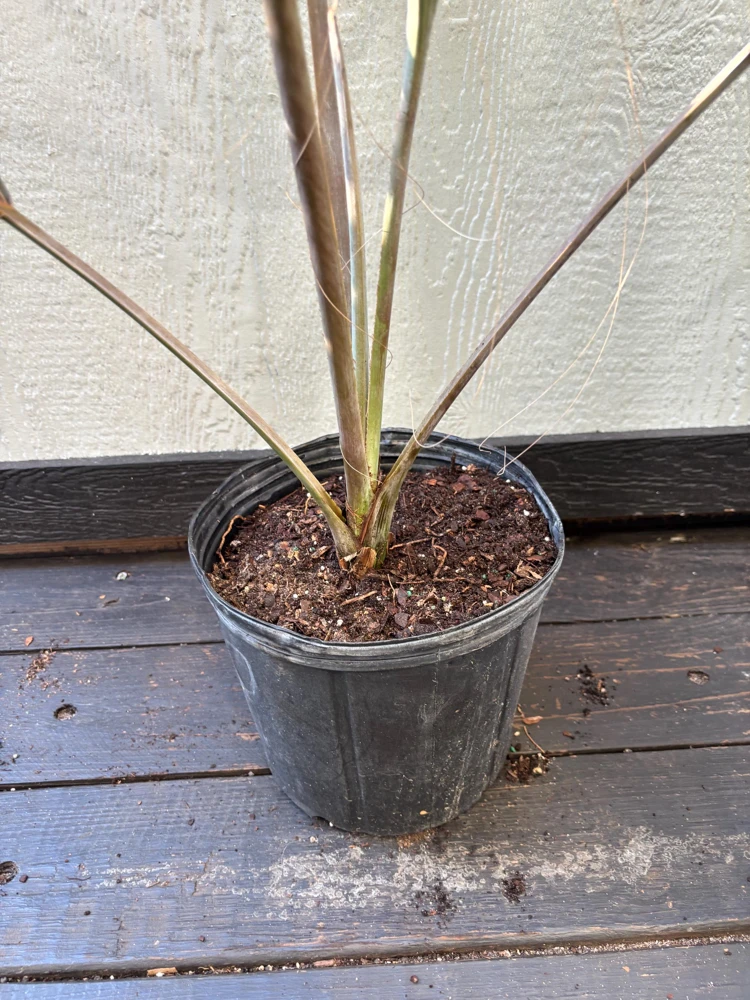
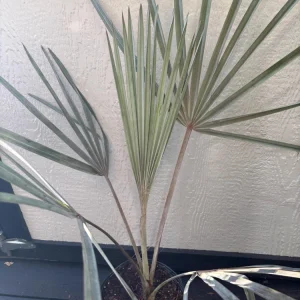
This offering is for one Bismarck Palm Tree live plant, provided in a 1-gallon nursery pot. At this stage, the plant is well-established, with a healthy root system and several emerging fronds, typically standing between 12-24 inches tall from the base of the pot. The Bismarck palm is known for its moderate to slow growth rate, especially in its early years. However, once established in the ground, it can grow to an impressive mature height of 30-60 feet with a spread of 10-20 feet, making it a truly magnificent specimen for large landscapes. The fronds themselves can reach lengths of 8-10 feet, creating a broad, imposing canopy. This size makes it an ideal choice for homeowners and landscapers looking for a significant, long-term impact. The plant will be shipped in its nursery container, carefully packaged to ensure its safe arrival, ready for immediate planting or transplanting into a larger container.
Frequently Asked Questions
- Q: How big does this Bismarck Palm Tree get? A: While this Bismarck Palm Tree live plant is currently in a 1-gallon pot, mature Bismarck palms can reach impressive heights of 30-60 feet with a canopy spread of 10-20 feet. Its growth rate is moderate once established in the ground.
- Q: Is this an indoor or outdoor plant? A: The Bismarck Palm Tree is primarily an outdoor plant, best suited for large landscapes in warm climates. It requires significant space and full sun to thrive, making it unsuitable for long-term indoor cultivation.
- Q: How much sunlight does a Bismarck Palm Tree need? A: For optimal health and the most vibrant silver-blue fronds, the silver palm tree outdoor needs full sun exposure, ideally 6-8 hours of direct sunlight per day. It can tolerate some partial shade, especially when young.
- Q: Is this plant easy to care for? A: Yes, once established, the Bismarck Palm Tree is considered a low-maintenance and drought tolerant palm. It requires regular watering when young but becomes very self-sufficient and resistant to pests and diseases with proper placement.
- Q: What condition will it arrive in? A: Your 1-gallon Bismarck Palm Tree will arrive well-established in its nursery pot, with a healthy root system and foliage, carefully packaged to ensure its safe journey to your home.
- Q: When is the best time to plant a Bismarck Palm Tree? A: The best time to plant a Bismarck Palm Tree is in spring or early summer, allowing it ample time to establish its root system before cooler weather arrives. This also gives it the benefit of warm temperatures for initial growth.
- Q: Will it survive winter in my zone? A: The Bismarck Palm Tree is hardy in USDA Zones 10-11. If you are in these zones, it will generally survive winter without issue. In colder zones, it will need protection from frost or may not be suitable for outdoor planting.
- Q: What type of soil does the Bismarck Palm Tree prefer? A: This large landscape palm thrives in well-draining soil. It can adapt to various soil types, including sandy or loamy soils, but good drainage is crucial to prevent root rot.


Reviews
There are no reviews yet.