Overview
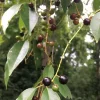
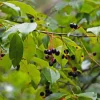
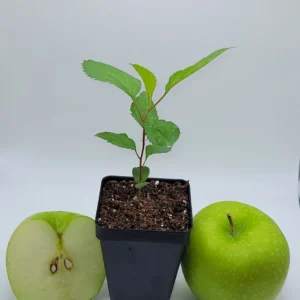
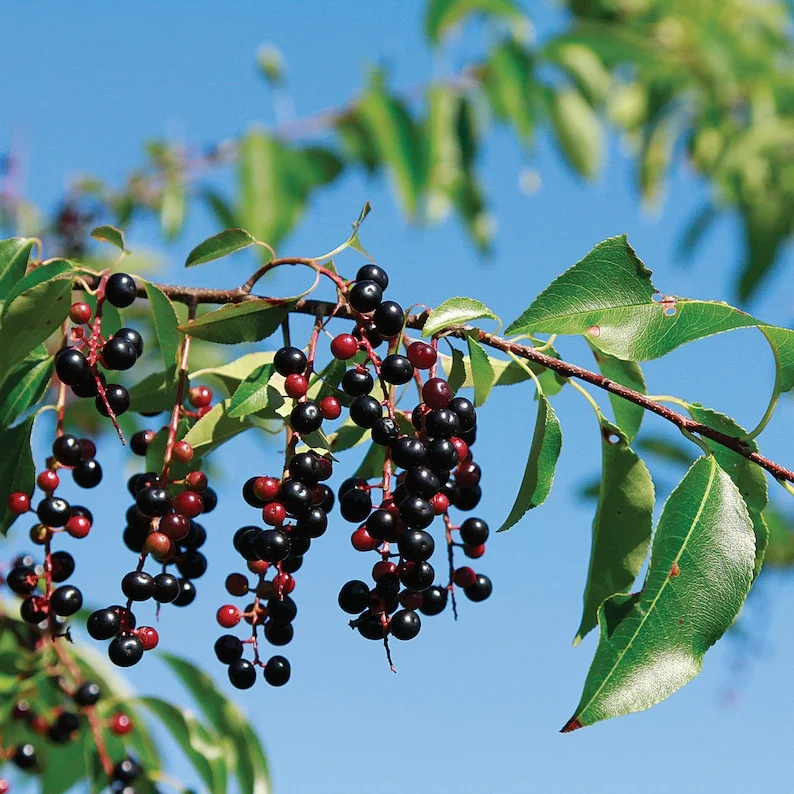
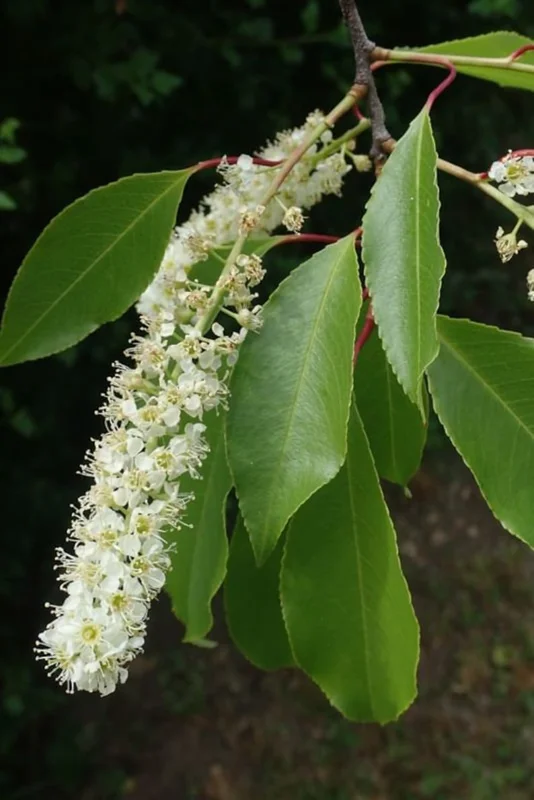
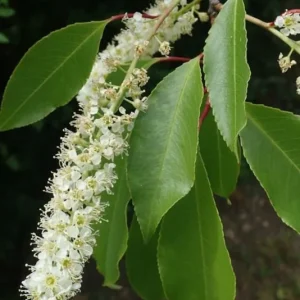
The black cherry live plant, scientifically known as Prunus serotina, is a highly valued native North American tree renowned for its ornamental beauty and ecological benefits. This young specimen, measuring 14-18 inches tall and supplied in a 1 gallon pot, is ready to establish itself in your garden. Known for its graceful form, striking white flowers in spring, and attractive dark red to black cherries in late summer, the black cherry live plant offers year-round visual interest. It plays a vital role in local ecosystems, providing food and habitat for numerous bird species and other wildlife. Its glossy green leaves turn brilliant shades of yellow, orange, and red in autumn, adding a spectacular display to any landscape. Beyond its aesthetic appeal, the black cherry is also a source of edible fruit that can be used in jams, jellies, and desserts, making it a versatile and rewarding addition to your outdoor space.
Originating from eastern North America, Prunus serotina is a resilient and adaptable tree, thriving in a variety of soil conditions once established. It is a fast-growing species that can reach impressive heights, developing a broad, rounded crown over time. This particular black cherry live plant is a perfect starter tree for those looking to cultivate a native fruit-bearing species. Whether you’re aiming to enhance your garden with a beautiful shade tree, attract wildlife, or enjoy homegrown fruit, the black cherry tree is an excellent choice. It’s also known for its strong, durable timber, though this young plant is primarily intended for landscape and fruit production.
Key Benefits
Adding a black cherry live plant to your garden provides a wealth of advantages, transforming your outdoor space into a vibrant and productive environment. This tree offers more than just beauty; it brings ecological and practical benefits that enhance your home and local ecosystem.
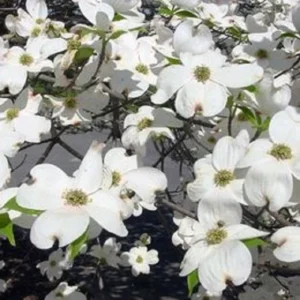
- Attractive Ornamental Value: The black cherry live plant boasts beautiful white flower clusters in spring, glossy green leaves in summer, and vibrant fall foliage in shades of yellow, orange, and red, providing continuous visual appeal throughout the seasons.
- Edible & Delicious Fruit: Produces small, dark red to black cherries that are excellent for making jams, jellies, pies, and other culinary delights. The fruit ripens in late summer, offering a fresh, tart-sweet flavor.
- Attracts Wildlife: A magnet for birds, butterflies, and other beneficial wildlife, the fruit provides a crucial food source, and the tree offers shelter, contributing to local biodiversity.
- Ecological Importance: As a native species, the Prunus serotina tree supports the local ecosystem, providing food for caterpillars which are essential for bird diets, and enriching the soil.
- Fast Growing & Resilient: Known for its relatively fast growth rate and adaptability to various soil types, making it a robust and low-maintenance addition to your landscape once established.
- Shade & Structure: As it matures, a wild cherry plant develops into a magnificent shade tree, perfect for creating cool, comfortable areas in your yard during hot summer months.
- Drought Tolerance: Once established, the black cherry tree exhibits good drought tolerance, reducing the need for frequent watering compared to some other fruit trees.
Plant Care & Growing Tips
Caring for your black cherry live plant is relatively straightforward, especially once it’s established. This resilient tree thrives with proper siting and basic attention to its needs. For optimal growth and fruit production, select a location that receives full sun, meaning at least 6-8 hours of direct sunlight per day. While it can tolerate partial shade, fruit yield and fall color will be more vibrant in full sun. The black cherry tree prefers well-draining soil, ranging from sandy to loamy, and can adapt to various pH levels. Avoid planting in areas with standing water or excessively heavy clay soils, as this can lead to root rot. When planting, dig a hole twice as wide as the root ball and just as deep. Gently loosen the roots before placing the tree, ensuring the top of the root ball is level with the surrounding soil. Backfill with native soil, tamping gently to remove air pockets, and water thoroughly.
During its first year, consistent watering is crucial for establishing strong roots. Water deeply once or twice a week, or more frequently during hot, dry periods, ensuring the soil remains consistently moist but not waterlogged. Once established, the Prunus serotina tree is quite drought-tolerant and will require less frequent watering, though supplemental watering during prolonged dry spells is beneficial. Fertilization is generally not necessary for black cherry trees growing in healthy soil. However, if your soil is poor, a balanced slow-release fertilizer can be applied in early spring. Pruning should be done in late winter or early spring while the tree is dormant to remove any dead, damaged, or crossing branches. This helps maintain the tree’s health, shape, and promotes better air circulation. Watch out for common pests like tent caterpillars, which can be managed with organic sprays or manual removal. Diseases are generally not a major issue for healthy, well-sited trees, but good air circulation and proper watering can help prevent fungal problems.
Size & Details
This offering is for one black cherry live plant, standing approximately 14-18 inches tall from the base of the root ball to the tip of the highest branch. It is carefully nurtured and shipped in a 1 gallon nursery pot, ensuring its root system is well-established and ready for transplanting. The tree has a moderate to fast growth rate, typically adding 1-2 feet of height per year under ideal conditions. When mature, a black cherry tree care specimen can reach heights of 50-80 feet with a spread of 30-50 feet, developing a broad, rounded canopy. The tree will begin producing fruit within 5-10 years, with yields increasing as it matures. It is a deciduous tree, losing its leaves in winter and leafing out again in spring. Expect beautiful white flowers in April-May, followed by fruit ripening in July-August, depending on your specific climate and growing zone. This young tree is an ideal starting point for cultivating a long-lasting and ecologically beneficial landscape feature, providing an excellent opportunity to grow your own edible fruit tree.
Frequently Asked Questions
- Q: How big does this black cherry plant get? A: This young black cherry live plant is currently 14-18 inches tall in a 1-gallon pot. When mature, black cherry trees can reach impressive heights of 50-80 feet with a spread of 30-50 feet.
- Q: Is this an indoor or outdoor plant? A: The black cherry live plant is an outdoor tree. It requires ample space to grow and thrives best when planted in the ground in a suitable outdoor garden or landscape setting.
- Q: How much sunlight does it need? A: A Prunus serotina tree performs best in full sun, requiring at least 6-8 hours of direct sunlight per day. While it can tolerate partial shade, full sun promotes better growth, fruit production, and fall foliage color.
- Q: Is this plant easy to care for? A: Yes, once established, the black cherry tree care is relatively low-maintenance. It’s known for its resilience and adaptability to various conditions, making it suitable for gardeners of different experience levels.
- Q: What condition will it arrive in? A: Your black cherry live plant will arrive carefully packaged in its 1-gallon nursery pot, with its root system intact and the plant healthy and ready for transplanting into your garden.
- Q: Can I use the fruit from this tree? A: Yes, the fruit from this edible fruit tree is indeed consumable. While slightly tart, it is excellent for making jams, jellies, pies, and other baked goods, offering a unique flavor.
- Q: When is the best time to plant a black cherry tree? A: The best time to plant your black cherry tree is in spring or fall, when temperatures are moderate. This allows the tree to establish its root system before the stress of extreme summer heat or winter cold.
- Q: Will it survive winter in my zone? A: The wild cherry plant is hardy in USDA zones 3-9. If you are within these zones, your tree should successfully overwinter with proper care and establishment.
- Q: How long until it starts producing fruit? A: Typically, a black cherry tree grown from this size will start to produce fruit within 5-10 years after planting, with fruit production increasing as the tree matures.
- Q: What type of soil does it prefer? A: Black cherry trees prefer well-draining soil, including sandy, loamy, or even rocky conditions. Good drainage is key to preventing root issues.


Reviews
There are no reviews yet.