Overview
Introduce the majestic black cherry tree bare root, scientifically known as Prunus serotina, to your garden or landscape. This native North American tree is a true gem, celebrated for its ornamental beauty and valuable timber. When you plant a black cherry tree bare root, you’re not just adding a tree; you’re investing in a piece of natural heritage that will provide aesthetic appeal, support local wildlife, and contribute to your property’s value. These trees are known for their rapid growth and adaptability, making them an excellent choice for various outdoor settings. They offer a unique combination of visual charm and ecological benefits, perfect for any enthusiast looking to enhance their environment with a robust, native species.
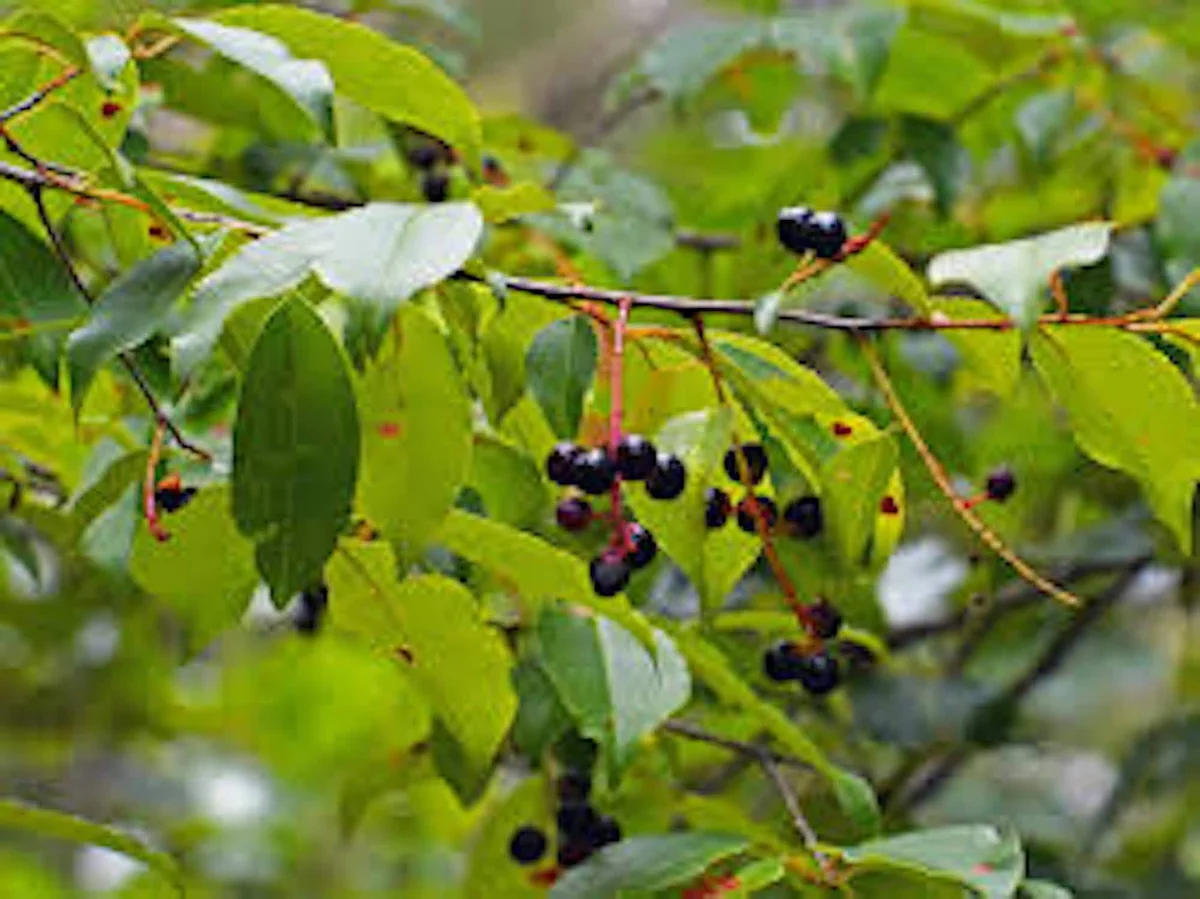
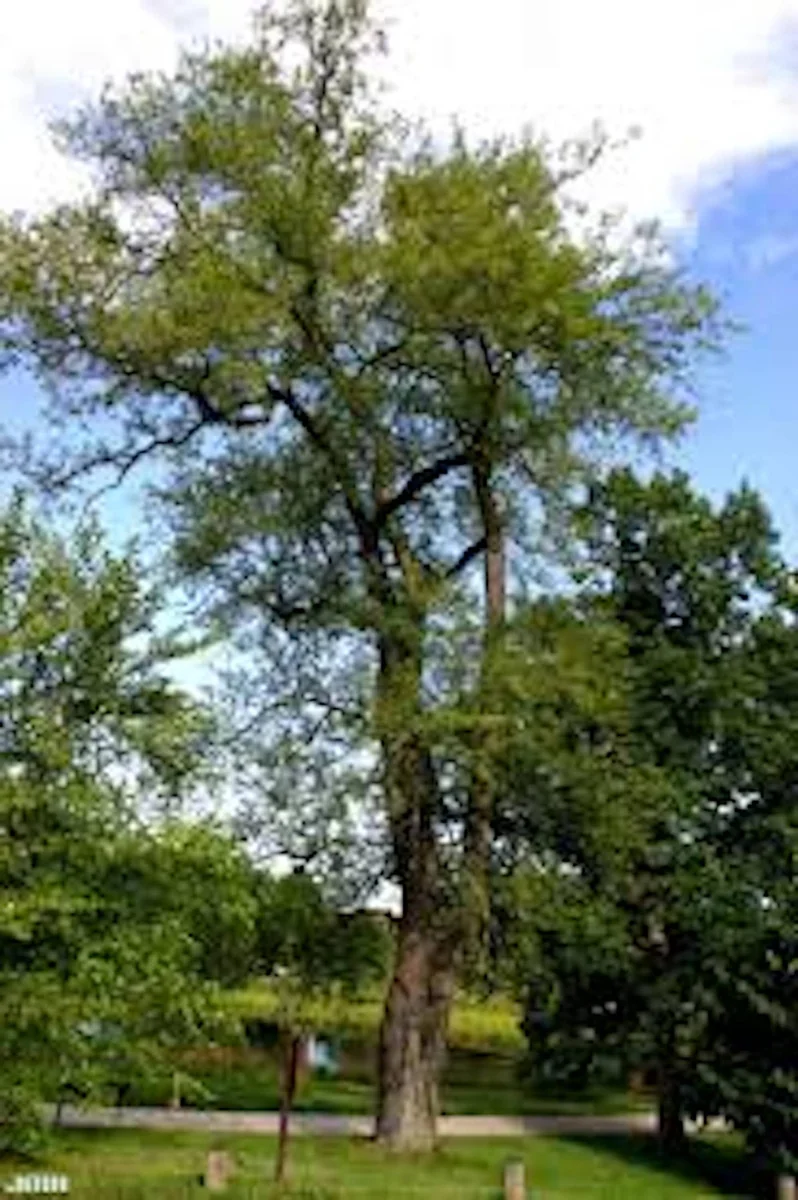
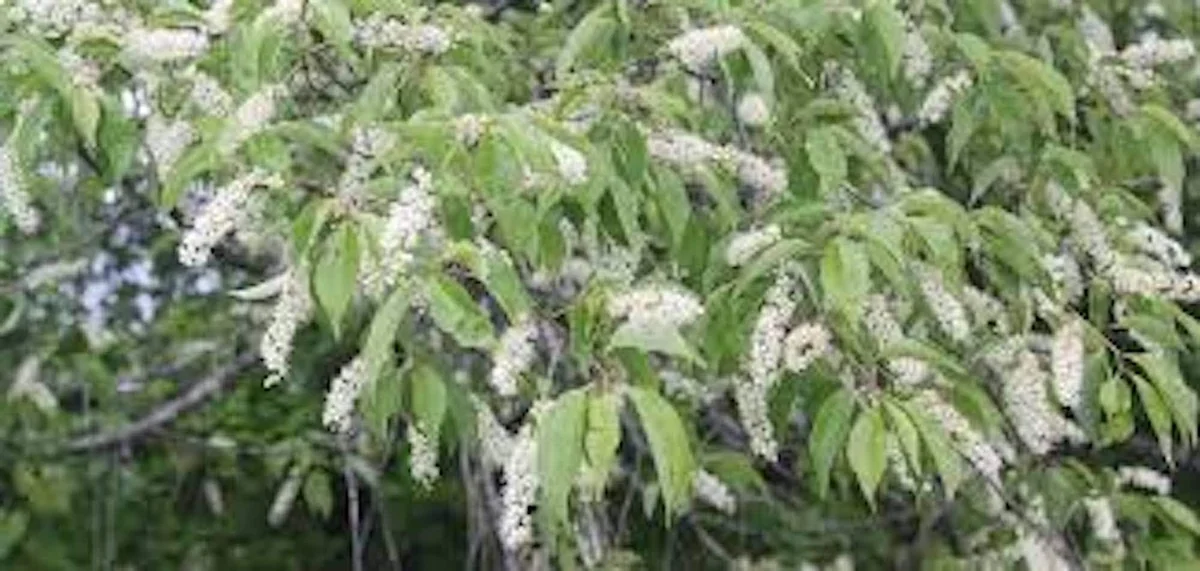
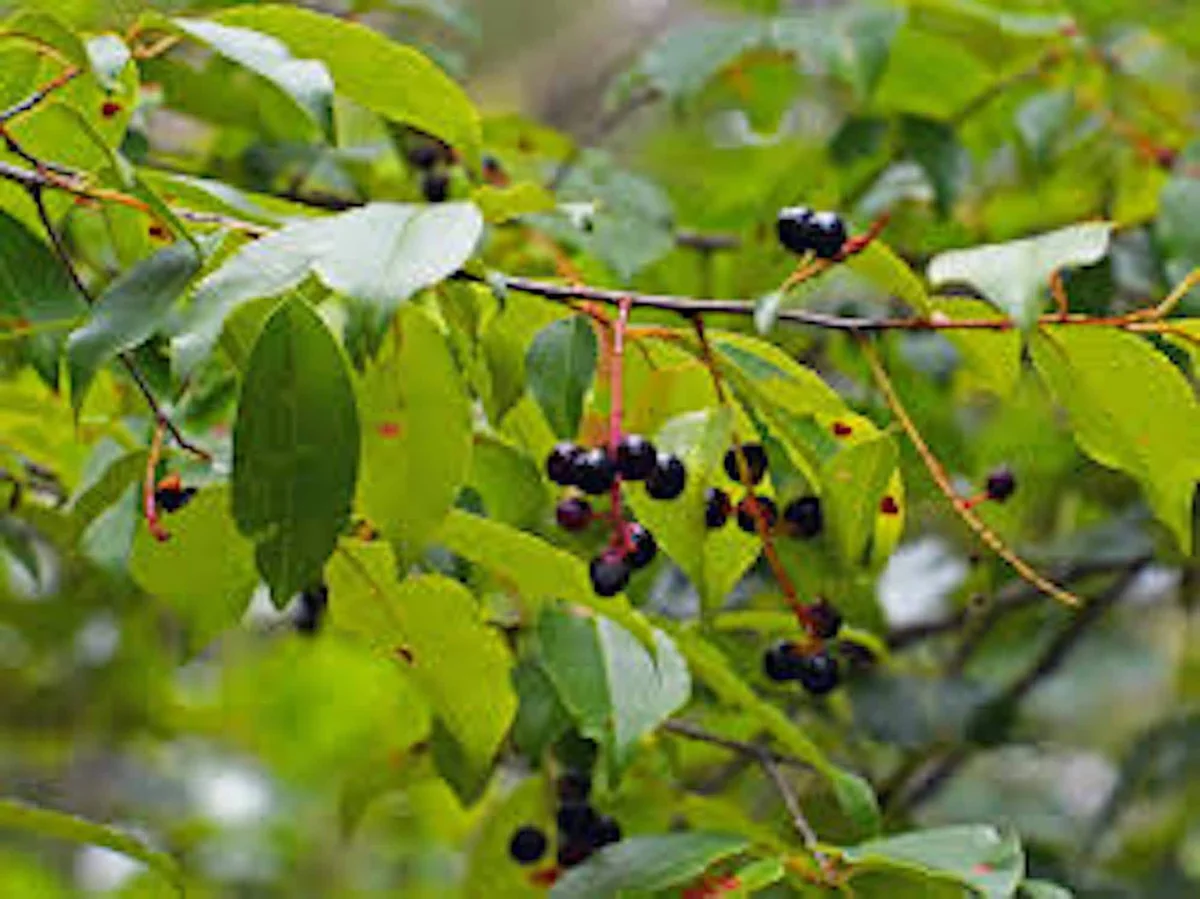
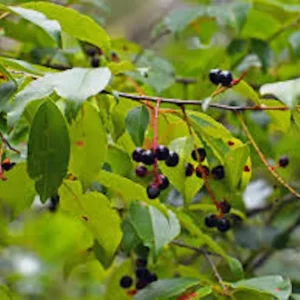
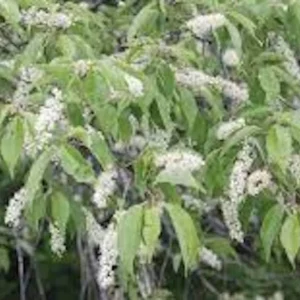
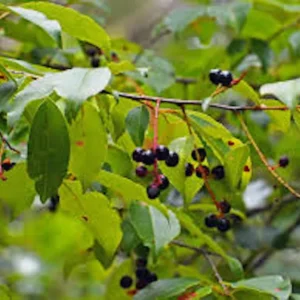
The Prunus serotina is a deciduous tree that stands out with its characteristic showy white blooms in spring, which transform into clusters of small, dark cherries by late summer. Its bark is distinctive, starting smooth and reddish-brown when young, then developing a scaly, dark, plate-like appearance that resembles burnt potato chips as it matures. This native cherry tree is a fantastic addition for those seeking a tree that offers year-round interest, from its stunning floral display to its fruit production and unique bark texture. It’s a hardy species, well-suited for a wide range of climates and soil conditions, providing a focal point in any garden.
Key Benefits
Adding a black cherry tree bare root to your property offers a multitude of benefits, enhancing both the aesthetic and ecological aspects of your outdoor space. Its robust nature and diverse appeal make it a highly desirable plant. The advantages extend from its visual splendor to its practical contributions to the local ecosystem.
- Stunning Seasonal Beauty: Enjoy a spectacular display of white blossoms each spring, followed by lush green foliage throughout the summer. The tree’s distinctive bark provides winter interest, ensuring your garden remains captivating year-round. This visual appeal makes the black cherry tree bare root a focal point in any landscape design.
- Delicious Fruit Production: In late summer, the tree produces abundant dark cherries. While these cherries are a favorite for wildlife, they can also be used by humans for jams, jellies, pies, and wine, adding a sweet harvest to your garden.
- Valuable Wildlife Habitat: The cherries are a crucial food source for various birds and mammals, making this tree an excellent choice for attracting and supporting local wildlife. Its dense foliage also offers shelter and nesting sites. This makes it a perfect wildlife cherry tree for nature lovers.
- Excellent Timber Value: Beyond its ornamental and ecological benefits, the wood of the Prunus serotina is highly prized in cabinetry, furniture making, and interior finishing for its rich reddish-brown color and fine grain.
- Environmental Contributions: As a native species, the black cherry tree bare root helps to maintain biodiversity, improve air quality by absorbing carbon dioxide, and prevent soil erosion, contributing positively to the local environment.
- Adaptable and Hardy: This tree thrives across a broad range of USDA hardiness zones (3 through 9), demonstrating remarkable resilience to various environmental conditions and making it suitable for many regions.
- Low Maintenance Once Established: Once mature, the black cherry tree bare root requires minimal care, making it an ideal choice for gardeners seeking a beautiful, beneficial, yet undemanding addition to their landscape.
Plant Care & Growing Tips
Caring for your black cherry tree bare root is relatively straightforward, especially once it’s established. Understanding its specific needs will ensure robust growth and abundant fruit production. The black cherry tree care routine involves proper planting, watering, sunlight, and occasional fertilization to help it thrive and become a long-lasting feature in your garden. This native species is quite resilient but benefits greatly from a good start.
For optimal growth and fruit production, black cherry trees generally prefer full sun, meaning at least 6 hours of direct sunlight per day. While they can tolerate some partial shade, too much shade can reduce flowering and fruiting. When planting your black cherry tree bare root, choose a site with well-draining soil. These trees are adaptable to a variety of soil types, including sandy, loamy, and clay soils, but they do not tolerate waterlogged conditions. Ensure the planting hole is wide enough to accommodate the root spread without bending, and plant at the same depth as the root collar. Water thoroughly after planting.
During the first year, consistent watering is crucial, especially during dry spells, to help the young tree establish a strong root system. Aim to keep the soil consistently moist but not waterlogged. Once established, black cherry trees are relatively drought-tolerant. Fertilization is generally not necessary in rich soils, but if your soil is poor, a balanced slow-release fertilizer can be applied in early spring. Pruning should focus on removing dead, damaged, or crossing branches to maintain good air circulation and shape. The Prunus serotina tree thrives in USDA hardiness zones 3 through 9, making it suitable for a wide range of climates. Monitor for common pests like tent caterpillars and diseases such as black knot, addressing them promptly with appropriate organic or chemical treatments.
Size & Details
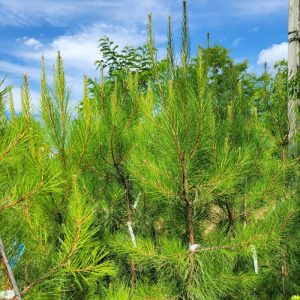
This offering includes 10 individual black cherry tree bare root specimens, each carefully selected to be between 12 to 24 inches tall upon arrival. Bare root trees are shipped without soil around their roots, which makes them lighter and easier to transport, and they often establish more quickly than potted plants when planted correctly. The black cherry tree bare root form allows for easy inspection of the root system and encourages rapid root development once planted.
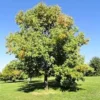
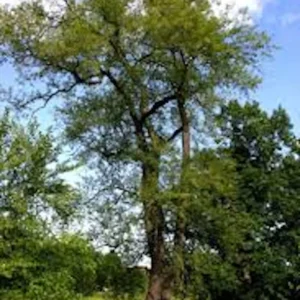
When mature, a black cherry tree can reach an impressive height of 50 to 80 feet with a spread of 30 to 50 feet, forming a broad, rounded crown. Its growth rate is considered medium to fast, typically adding 13 to 24 inches per year under ideal conditions. Expect the first blooms and fruit production to begin within 5 to 10 years after planting, depending on growing conditions. These trees are long-lived, often thriving for 100 years or more, providing decades of beauty and ecological benefit to your landscape. They are a robust and enduring selection for any gardener looking for a long-term investment.
Frequently Asked Questions
- Q: How big will my black cherry tree get? A: A mature black cherry tree can reach heights of 50 to 80 feet with a spread of 30 to 50 feet. Its size will depend on growing conditions, soil quality, and available space.
- Q: What size are the bare root trees when shipped? A: Each black cherry tree bare root is shipped at a height of 12 to 24 inches. This size is ideal for planting and establishing a strong root system.
- Q: Is this an indoor or outdoor plant? A: The black cherry tree bare root is an outdoor plant, best suited for planting in your garden, yard, or a larger landscape. It requires outdoor conditions to thrive and grow to its full potential.
- Q: How much sunlight does a black cherry tree need? A: For optimal growth and fruit production, black cherry trees prefer full sun, which means at least 6 hours of direct sunlight per day. They can tolerate some partial shade but may produce fewer cherries.
- Q: Is this tree easy to care for? A: Once established, the black cherry tree care requirements are relatively low. The most crucial period is during the first year of establishment, requiring consistent watering and protection from pests.
- Q: What condition will the bare root trees arrive in? A: Your black cherry tree bare root specimens will arrive dormant and without soil around their roots, carefully packaged to maintain moisture. This is normal for bare root plants, which are ready for immediate planting upon arrival.
- Q: When is the best time to plant a black cherry tree bare root? A: The ideal time to plant a black cherry tree bare root is in early spring, after the last hard frost but before the tree breaks dormancy. Fall planting is also an option in milder climates.
- Q: What USDA zones are suitable for this tree? A: The Prunus serotina tree is hardy and thrives in USDA hardiness zones 3 through 9, making it adaptable to a wide range of climates across North America.
- Q: Will the cherries attract wildlife? A: Yes, the dark cherries produced by the black cherry tree are a significant food source for various birds and mammals, making it an excellent choice for attracting wildlife to your garden. It truly functions as a wildlife cherry tree.
- Q: Can I use the cherries for human consumption? A: Yes, the cherries are edible and can be used for making jams, jellies, pies, and even wine. However, the pits contain cyanide compounds and should not be consumed.


Reviews
There are no reviews yet.