Overview
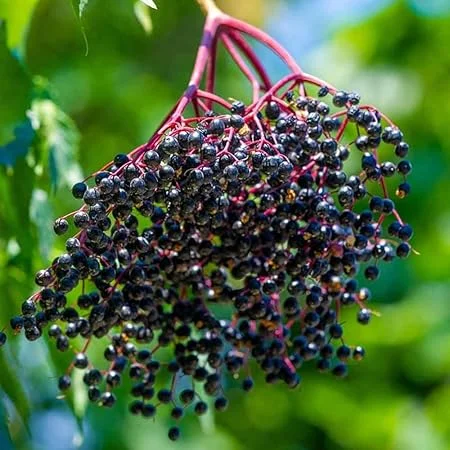
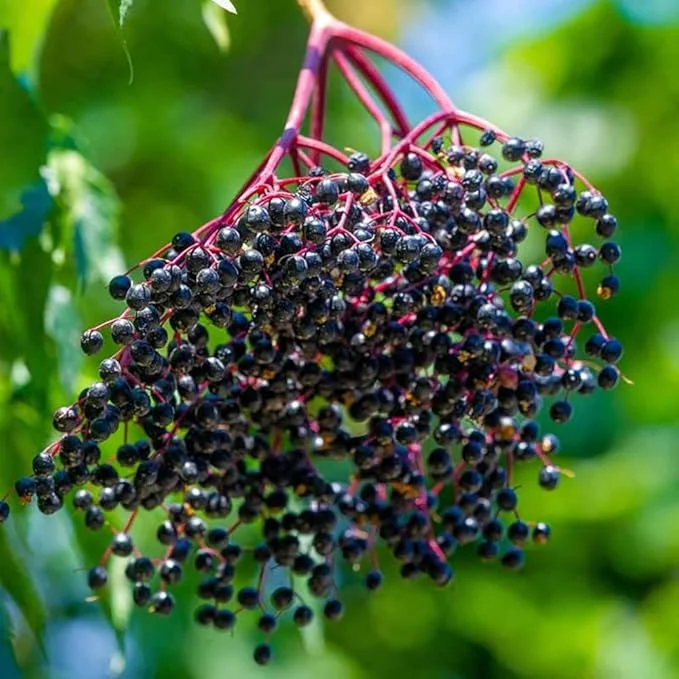
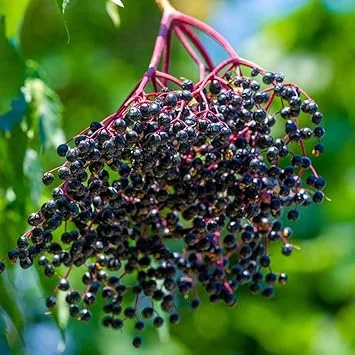
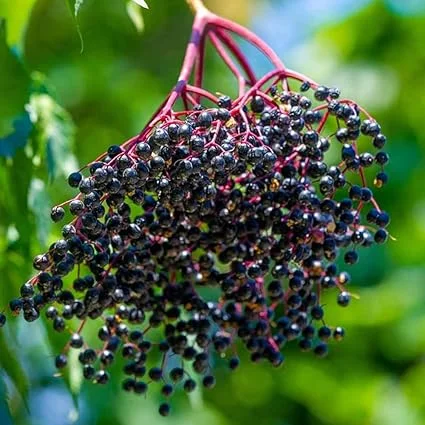
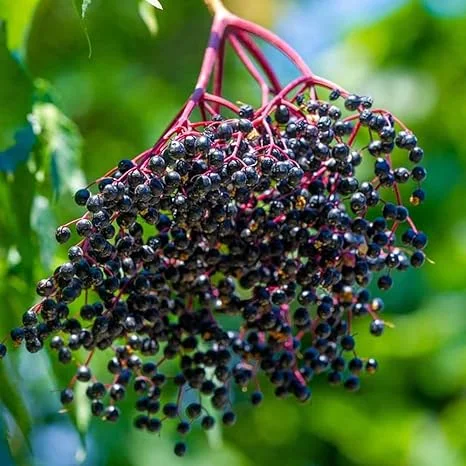
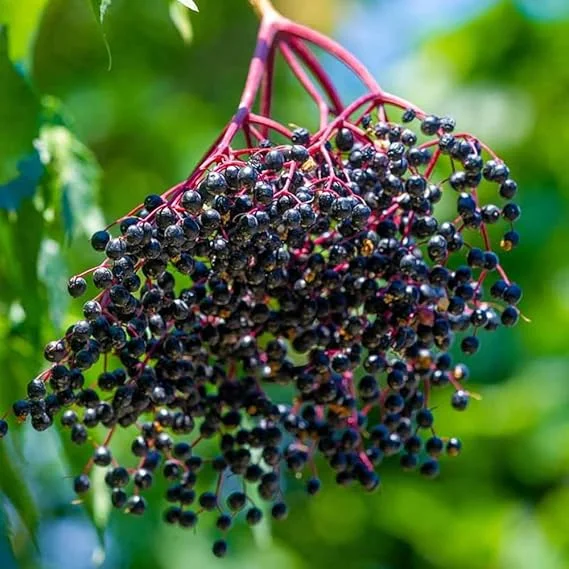
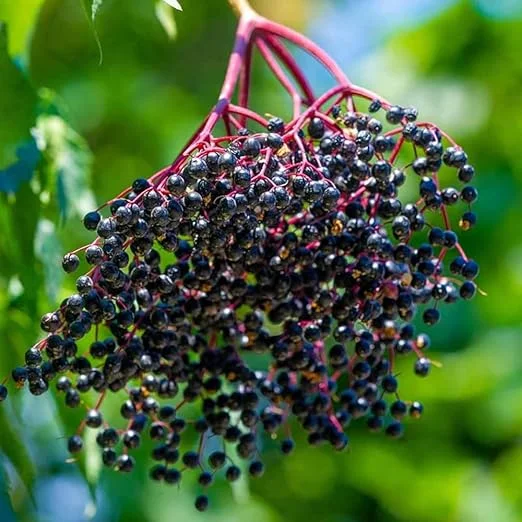
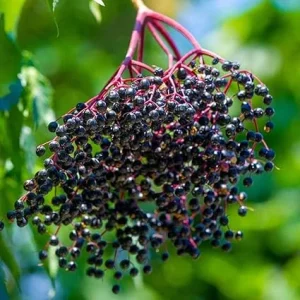
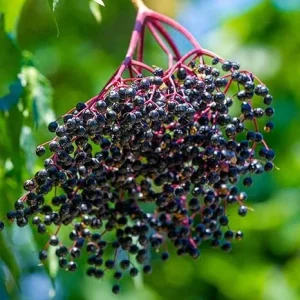
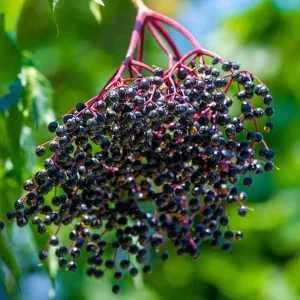
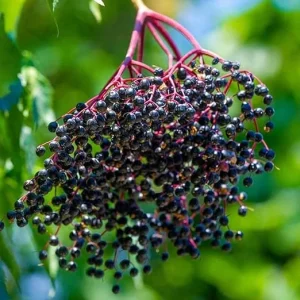
Discover the joy of growing your own fruit with this robust black elderberry live plant. Arriving at a healthy 2-3 feet tall, this live elderberry shrub is ready to establish itself in your garden, providing both aesthetic appeal and a bounty of berries. Known for its vigorous growth and bushy form, the elderberry (Sambucus nigra) is a versatile and attractive addition to any outdoor space. This hardy plant is celebrated for its clusters of dark, nutrient-rich berries, which can be used in a variety of culinary applications, from jellies and jams to juices and wines. Whether you’re an experienced gardener or just starting, this black elderberry live plant offers a rewarding growing experience and contributes significantly to local wildlife habitats.
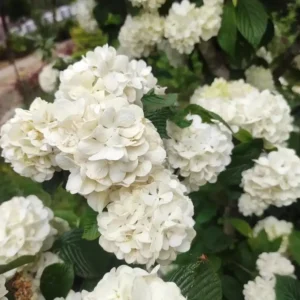
The elderberry plant is more than just a fruit producer; it’s a beautiful ornamental shrub that can enhance the visual appeal of your property. Its delicate white flower clusters in spring give way to the dark berries in late summer, creating a dynamic seasonal display. This particular variety is selected for its hardiness and adaptability, making it an excellent choice for a wide range of climates, particularly in northern regions. Embrace sustainable living by adding this productive and beautiful hardy berry shrub to your landscape.
Key Benefits
Integrating a black elderberry live plant into your garden brings a multitude of advantages, combining ornamental beauty with practical benefits.
- Abundant Berry Production: Enjoy a generous harvest of nutrient-dense black elderberries, perfect for making delicious jams, jellies, pies, and beverages. Elderberries are known for their rich flavor and health benefits.
- Ornamental Appeal: With its lush foliage, attractive white flower clusters in spring, and dark berries in late summer, this plant serves as a beautiful focal point or border plant in any garden or landscape design.
- Wildlife Attraction: The flowers attract pollinators like bees and butterflies, while the berries provide a valuable food source for birds, enhancing the biodiversity of your outdoor space.
- Hardy and Adaptable: This hardy berry shrub is incredibly resilient, thriving in USDA Hardiness Zones 3-7. It tolerates a wide range of conditions, making it suitable for various climates and soil types.
- Low Maintenance: Once established, elderberry plants require minimal care, making them an ideal choice for gardeners seeking productive plants without extensive upkeep. They are known for their vigorous growth and resistance to many common pests and diseases.
- Natural Landscaping Solution: Grows into a multi-stemmed shrub that is excellent for naturalized landscapes, borders, and hedges, providing privacy and structure with its mature size of 6-12 feet tall.
- Medicinal Properties: Elderberries have been traditionally used for their medicinal properties, particularly for immune system support, adding another layer of value to your home-grown harvest.
Plant Care & Growing Tips
Caring for your black elderberry live plant is straightforward, ensuring a healthy shrub and a bountiful harvest. These plants prefer a location with full sun to partial shade, meaning they need at least 4-6 hours of direct sunlight daily for optimal berry production. While they tolerate some shade, more sun generally leads to more fruit. When planting, ensure the soil is moist and well-draining. Elderberries are adaptable but thrive in loamy soils with a slightly acidic to neutral pH. Amend heavy clay soils with organic matter to improve drainage, or sandy soils to increase water retention.
Water your outdoor elderberry bush regularly, especially during dry spells and in its first year of establishment. Aim to keep the soil consistently moist but not waterlogged. Once mature, elderberries become more drought-tolerant but will still benefit from irrigation during prolonged dry periods. Fertilize in early spring with a balanced, all-purpose fertilizer or a layer of compost around the base of the plant to provide essential nutrients for vigorous growth and fruit development. Pruning is best done in late winter or early spring while the plant is dormant. Remove any dead, damaged, or weak canes, and thin out older, less productive canes to encourage new growth and better air circulation. This perennial hardy berry shrub is generally pest and disease resistant, but monitor for common garden issues and address them promptly.
Size & Details
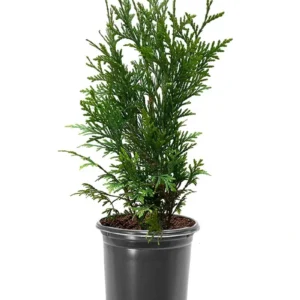
This offering includes one vibrant black elderberry live plant, which will arrive standing approximately 24-36 inches (2-3 feet) tall, ready for immediate outdoor planting. The plant is a multi-stemmed shrub, indicative of its vigorous growth habit. Upon maturity, this elderberry variety typically reaches a height of 6-12 feet and can spread similarly, forming a dense, bushy presence in your garden. It is a fast-growing plant that establishes quickly when provided with proper care. The plant is shipped in a nursery pot, ensuring its root system is intact and healthy for transplanting. Expect the plant to begin producing berries within 1-2 years after planting, with full production achieved in 3-5 years. This mature size makes it an ideal choice for creating naturalized landscapes, privacy screens, or as a standalone specimen in larger garden spaces. The elderberry for landscaping provides both utility and beauty.
Frequently Asked Questions
- Q: How big does this black elderberry live plant get? A: This black elderberry live plant typically grows to a mature height of 6-12 feet tall and can spread similarly wide, forming a dense, multi-stemmed shrub. Its final size depends on growing conditions and pruning.
- Q: Is this an indoor or outdoor plant? A: This elderberry is a hardy berry shrub specifically intended for outdoor planting. It thrives in garden settings and is not suitable for long-term indoor cultivation.
- Q: How much sunlight does it need? A: The outdoor elderberry bush prefers full sun to partial shade, ideally receiving at least 4-6 hours of direct sunlight per day for the best berry production.
- Q: Is this plant easy to care for? A: Yes, elderberries are considered relatively low-maintenance once established. They are hardy and adaptable, making them a good choice for gardeners of various skill levels.
- Q: What condition will it arrive in? A: Your black elderberry live plant will arrive as a healthy, approximately 2-3 feet tall, live shrub in a nursery pot, with its root system intact and ready for planting.
- Q: When is the best time to plant? A: The best time to plant your elderberry shrub is in early spring or fall, allowing it to establish its root system before extreme summer heat or winter cold.
- Q: Will it survive winter in my zone? A: Yes, this hardy elderberry is cold-hardy and thrives in USDA Hardiness Zones 3-7, making it well-suited to survive winters in many northern and temperate climates.
- Q: Can I use the berries for eating? A: Yes, the berries from this hardy berry shrub are edible when cooked and are commonly used to make jams, jellies, syrups, and wine. They should not be eaten raw.
- Q: What kind of soil does it prefer? A: Elderberries prefer moist, well-draining soil, but they are adaptable to various soil types. Amending with organic matter can improve soil structure and fertility.
- Q: How long until it produces fruit? A: You can typically expect your elderberry for landscaping to start producing berries within 1-2 years after planting, with more significant yields in 3-5 years.


Reviews
There are no reviews yet.