Overview
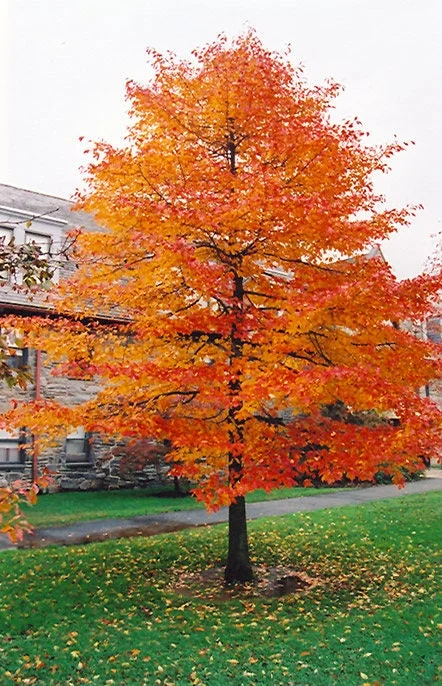
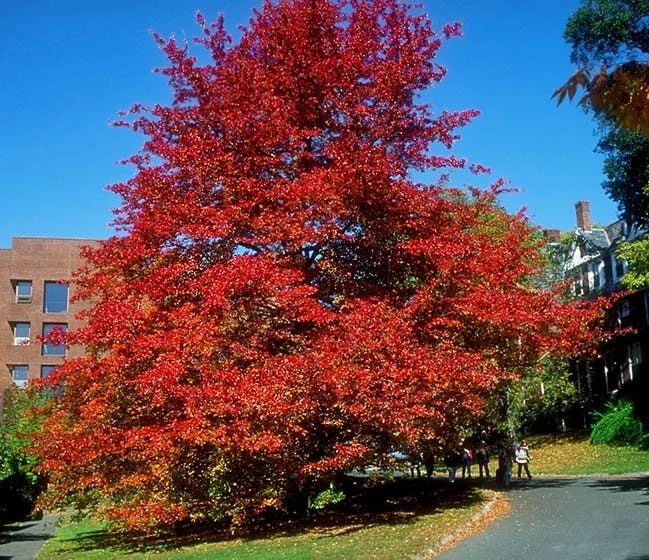
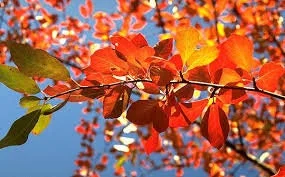
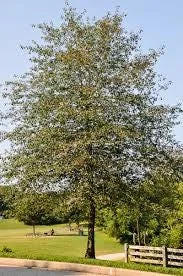
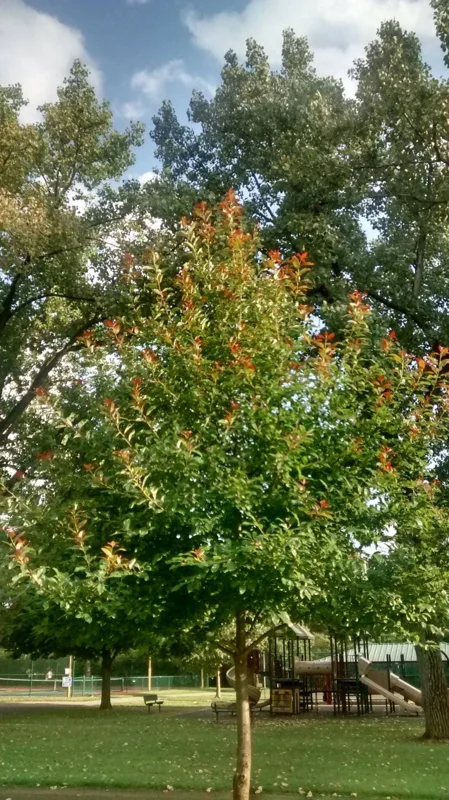
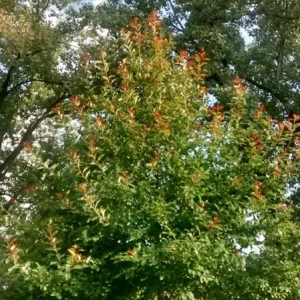
Introduce a magnificent specimen to your landscape with the black gum tree live plant (Nyssa sylvatica). This deciduous tree, also commonly known as black tupelo, sour gum, or pepperidge tree, is celebrated for its exceptional ornamental qualities, particularly its brilliant scarlet, orange, and purple fall foliage. The black gum tree live plant is a stately addition, typically growing 30-50 feet tall with a rounded crown, providing excellent shade and visual interest. It’s a remarkably adaptable tree, capable of thriving in a variety of conditions from average garden soils to wet, poorly drained areas, and even tolerates standing water. This makes the nyssa sylvatica tree a versatile choice for many garden settings, from urban parks to naturalized areas and wetlands. Its small greenish-white flowers give way to attractive dark blue fruits that are a favorite food source for birds and other wildlife, adding ecological value to your property.
The Nyssa sylvatica is a North American native, ensuring its hardiness and suitability for many climates. Its straight trunk and often horizontal branching habit create a distinctive silhouette, especially in winter. Beyond its aesthetic appeal, the black gum tree live plant is relatively low-maintenance once established, making it a rewarding tree for both experienced gardeners and those new to tree planting. Its ability to tolerate various soil moistures and light conditions contributes to its popularity as a landscape tree. Consider this tree if you’re looking for a long-lived, beautiful tree that provides year-round interest and supports local wildlife.
Key Benefits
The black gum tree live plant offers a multitude of benefits for any garden or landscape, combining stunning aesthetics with ecological advantages and ease of care. Its unique characteristics make it a standout choice.
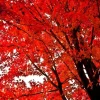
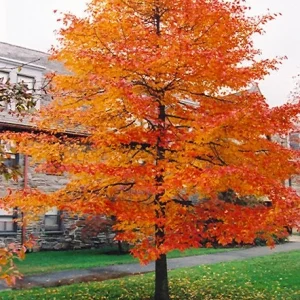
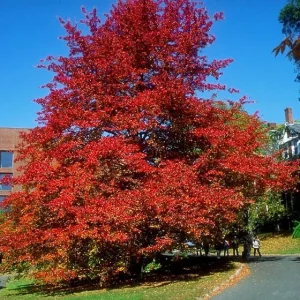
- Spectacular Fall Color: The most striking feature of the black gum tree live plant is its unparalleled fall foliage, which transforms into vivid shades of scarlet, orange, and purple, providing a breathtaking display that lasts for weeks. This makes it an ideal choice for adding dramatic seasonal interest to your yard.
- Wildlife Attraction: The small, dark blue fruits produced in late summer are a vital food source for numerous bird species and other wildlife, enhancing biodiversity in your garden. The flowers also provide nectar for pollinators.
- Adaptable & Resilient: This tree is incredibly tolerant of different soil conditions, including wet and poorly drained soils, and a wide range of pH levels. It thrives in full sun to partial shade, offering flexibility in planting locations.
- Strong Shade Tree: With its stately growth habit and rounded crown, the nyssa sylvatica tree develops into an excellent shade tree, perfect for cooling your home or creating comfortable outdoor living spaces.
- Low Maintenance: Once established, the black gum tree care requirements are minimal. It is generally pest and disease resistant and does not require extensive pruning, making it a great choice for busy gardeners.
- Versatile Landscape Use: Whether used as a specimen tree, a street tree, or integrated into naturalized plantings, its distinctive form and vibrant colors make it a focal point in any design.
- Hardy and Long-Lived: Suitable for USDA Zones 3-9, this native tree is very hardy and can live for many decades, becoming a lasting legacy in your landscape.
Plant Care & Growing Tips
Proper black gum tree care ensures a healthy and vibrant specimen for years to come. The Nyssa sylvatica is known for its adaptability, but providing optimal conditions will help it flourish, especially during its establishment phase. This tree prefers moist, acidic soils but can tolerate a range of conditions, including clay and poorly drained areas. When planting, dig a hole twice as wide as the root ball and just as deep. Ensure the tree is planted at the same level it was in the nursery pot. Backfill with native soil, avoiding amendments that can create an interface problem for roots.
For sunlight, the black gum tree live plant performs best in full sun (at least 6 hours of direct sunlight daily) to partial shade. More sun generally leads to more intense fall colors. Water regularly during the first year after planting to help establish a strong root system, aiming for consistently moist but not waterlogged soil. Once established, it is fairly drought-tolerant but will benefit from supplemental watering during prolonged dry periods. Fertilization is typically not necessary unless soil tests indicate a deficiency. If needed, a balanced, slow-release fertilizer can be applied in early spring. Protect young trees from deer browsing if they are prevalent in your area.
The nyssa sylvatica tree is hardy in USDA Zones 3-9, making it suitable for a wide range of climates across the United States. While generally resistant to most pests and diseases, monitor for any signs of stress. Its strong central leader and rounded canopy rarely require extensive pruning; however, remove any dead, damaged, or crossing branches to maintain a healthy structure. This scarlet fall color tree is a long-term investment, offering beauty and ecological benefits for generations.
Size & Details
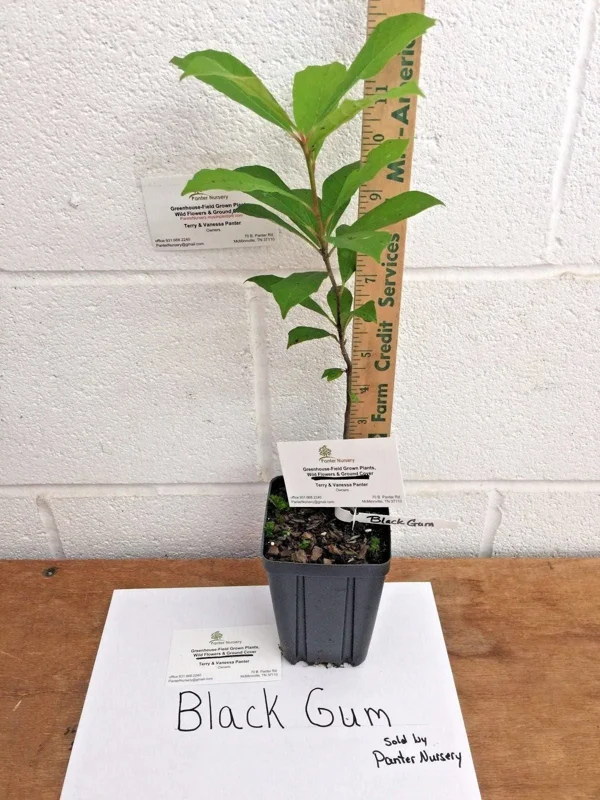
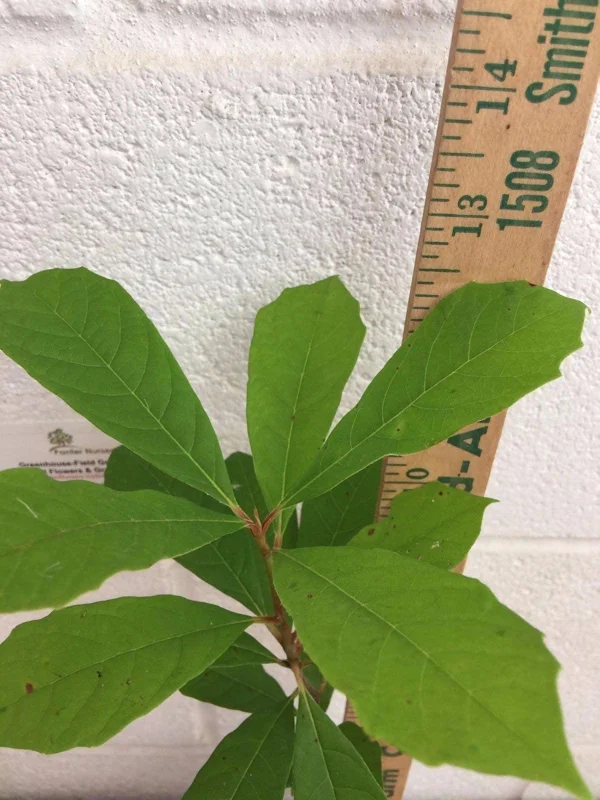
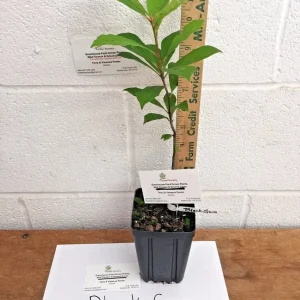
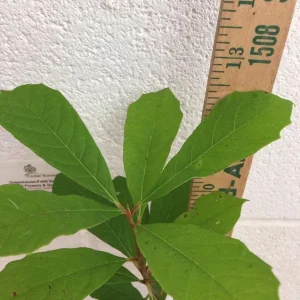
This offering is for one black gum tree live plant, supplied in a 1 quart pot. The plant’s height typically ranges from 6 to 12 inches at the time of shipment, providing a well-rooted young tree ready for transplanting into your garden. The Black Gum tree is a moderately fast-growing species, especially when young, and can reach a mature height of 30-50 feet with a spread of 20-30 feet over many years. Its growth rate can vary depending on planting conditions, including soil quality, sunlight exposure, and water availability. The tree will arrive as a healthy, actively growing specimen, carefully packaged to ensure its safe journey to your home.
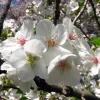
Nyssa sylvatica is known for its sturdy, straight trunk and distinctive horizontal branching pattern. The leaves are glossy green in summer, turning to its characteristic brilliant scarlet in autumn. Small, inconspicuous greenish-white flowers appear in spring, followed by small, dark blue, berry-like fruits in late summer to early fall. These fruits are highly attractive to birds and other wildlife, making it an excellent choice for wildlife gardens. This shade tree for garden use provides not only aesthetic appeal but also a valuable habitat component. Planting this tree will contribute to the beauty and ecological health of your outdoor space for decades to come.
Frequently Asked Questions
- Q: How big does this black gum tree live plant get? A: This black gum tree live plant is currently 6-12 inches tall in a 1 quart pot. At maturity, a Nyssa sylvatica tree typically grows to a height of 30-50 feet with a spread of 20-30 feet, forming a stately, rounded crown.
- Q: Is this an indoor or outdoor plant? A: The black gum tree live plant (Nyssa sylvatica) is an outdoor tree. It requires ample space to grow and is best suited for landscaping in gardens, parks, or naturalized areas where it can reach its full potential.
- Q: How much sunlight does the nyssa sylvatica tree need? A: The nyssa sylvatica tree thrives in full sun, meaning at least 6 hours of direct sunlight per day. It can also tolerate partial shade, but fall color tends to be more vibrant with more sun exposure.
- Q: Is this plant easy to care for? Is it good for beginners? A: Yes, the black gum tree care is relatively easy once established. It’s quite adaptable to various soil conditions and is generally pest and disease resistant, making it a good choice for both experienced and beginner gardeners looking for a striking tree.
- Q: What condition will the black gum tree arrive in? A: Your black gum tree live plant will arrive as a healthy, actively growing specimen in a 1 quart pot. It will be carefully packaged to minimize stress during transit, ready for planting upon arrival.
- Q: When is the best time to plant a black gum tree? A: The best time to plant a black gum tree live plant is in early spring or early fall. This allows the tree to establish its root system before the stress of extreme summer heat or winter cold.
- Q: What USDA Hardiness Zones is the black gum tree hardy in? A: The black gum tree live plant is hardy in USDA Zones 3-9, indicating its ability to withstand a wide range of winter temperatures across much of the United States.
- Q: What kind of soil does the scarlet fall color tree prefer? A: This scarlet fall color tree prefers moist, acidic, well-drained soils, but it is highly adaptable and can tolerate poorly drained soils and even standing water, making it suitable for various landscape conditions.
- Q: Will this shade tree for garden attract wildlife? A: Absolutely! This shade tree for garden produces small, dark blue fruits that are a crucial food source for many bird species and other wildlife in late summer and early fall, enhancing the ecological value of your yard.
- Q: How long does it take for the black gum tree to show its fall colors? A: The black gum tree live plant typically begins to display its spectacular scarlet fall colors in early to mid-autumn, and the vibrant display can last for several weeks, depending on the climate.


Reviews
There are no reviews yet.