Overview
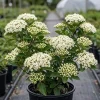
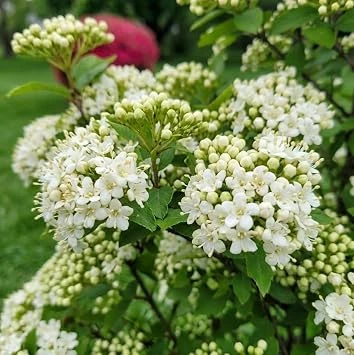
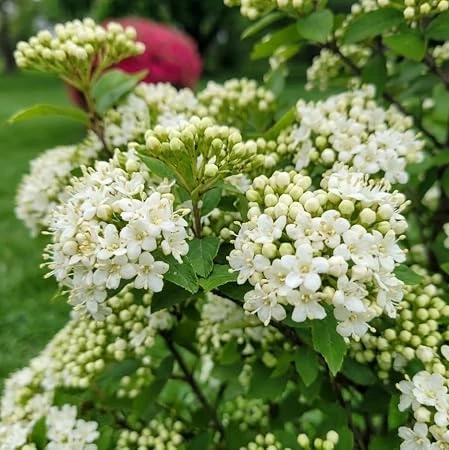
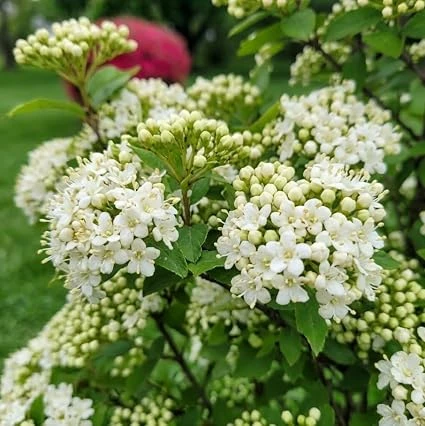
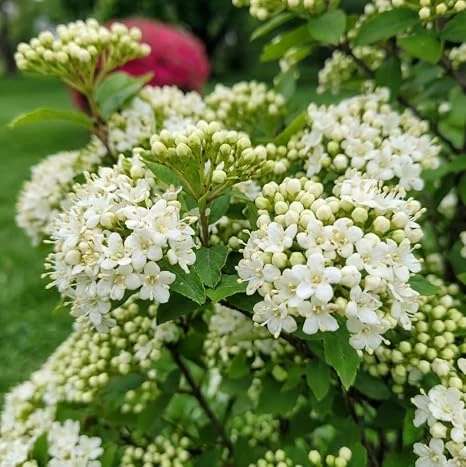
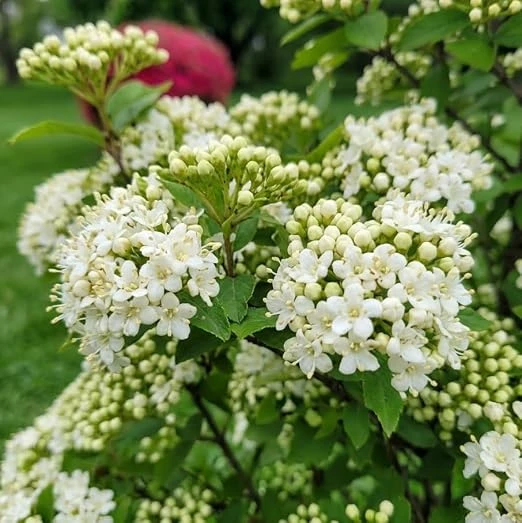
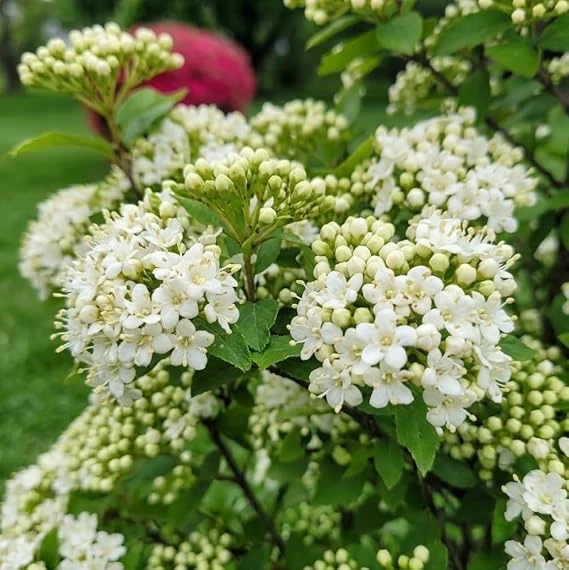
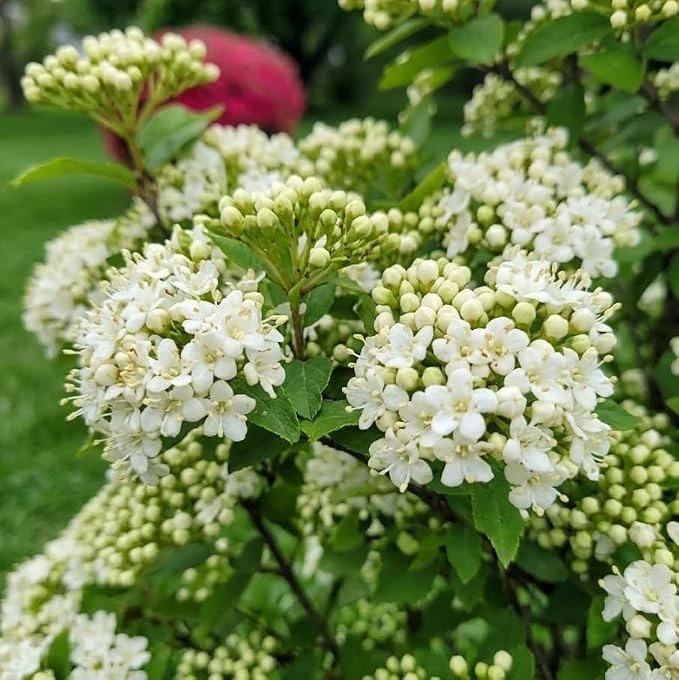
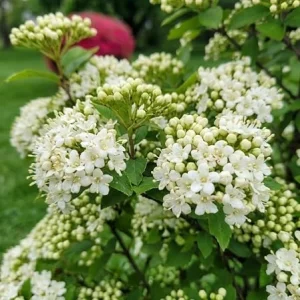
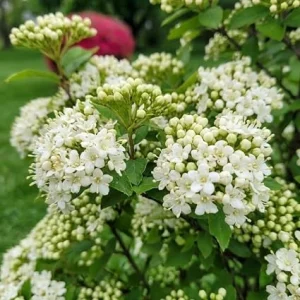
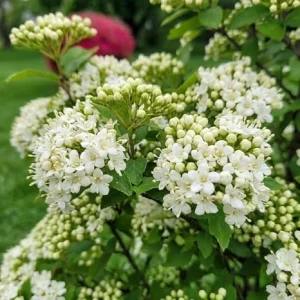
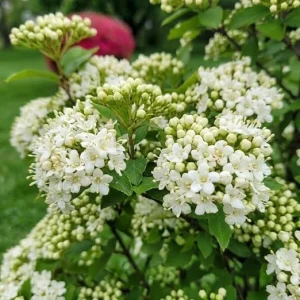
Transform your outdoor space with the stunning black haw viburnum live plant. This resilient and versatile shrub is a fantastic addition to any garden, offering a captivating display of natural beauty. Known scientifically as Viburnum prunifolium, the Black Haw Viburnum is a native North American species celebrated for its abundant clusters of fragrant white flowers that emerge in spring. Arriving as a healthy live shrub, typically 6-12 inches tall and conveniently potted in a 4-inch nursery pot, it is ready for immediate transplanting into your garden or landscape. Whether you’re looking to create a naturalized area, a dense hedge, or a vibrant accent, this black haw viburnum live plant provides year-round interest and ecological benefits, attracting pollinators and birds.
The Black Haw Viburnum is highly valued by gardeners for its adaptability and hardiness. It thrives in a variety of conditions and soil types, making it a reliable choice for diverse landscape applications. Beyond its beautiful spring blooms, the plant offers attractive foliage that transitions to rich purplish-red hues in the fall, followed by dark blue-black fruit that is edible and enjoyed by wildlife. This combination of ornamental features ensures that your garden remains visually engaging throughout the seasons, fulfilling the role of a true viburnum bush for landscaping.
Key Benefits
Investing in a Black Haw Viburnum offers numerous advantages for your garden and the local ecosystem. This robust shrub not only enhances aesthetic appeal but also contributes to biodiversity and sustainability:
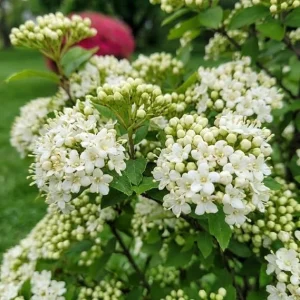
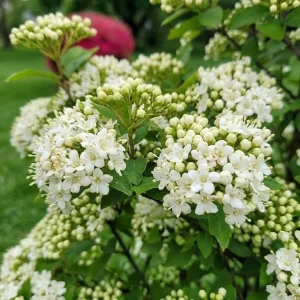
- Stunning Spring Blooms: Enjoy abundant clusters of creamy white, fragrant flowers every spring. These delicate blooms are a visual delight and release a sweet scent, enhancing the sensory experience of your garden. They also provide an early food source for pollinators.
- Native & Eco-Friendly: As a native viburnum species, it supports local wildlife, including bees, butterflies, and birds, which feed on its nectar and berries. Planting native species helps restore ecological balance and reduces the need for extensive care.
- Year-Round Interest: Beyond its beautiful flowers, the Black Haw Viburnum offers attractive green foliage that turns brilliant purplish-red in autumn, followed by dark blue-black fruit. This provides continuous visual appeal and sustenance for birds throughout the colder months.
- Versatile Landscaping Use: This shrub is incredibly adaptable for various garden designs. It can be used as a specimen plant, integrated into mixed borders, planted as a privacy screen or hedge, or used in naturalized areas. Its ability to adapt makes it a prime viburnum bush for landscaping.
- Hardy & Low Maintenance: Once established, the black haw viburnum live plant is remarkably resilient to various soil conditions and climates. It is relatively pest and disease resistant, requiring minimal care compared to many other ornamental shrubs, making it an excellent choice for busy gardeners.
- Adapts to Various Soils: The Black Haw Viburnum tolerates a wide range of soil types, from clay to sandy, as long as drainage is adequate. This flexibility simplifies planting and ensures success in diverse garden settings.
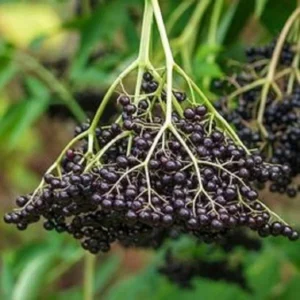
- Edible Fruit: The dark blue-black fruit produced by the plant is edible and can be used to make jams, jellies, or simply enjoyed fresh. It’s also a valuable food source for numerous bird species.
Plant Care & Growing Tips
Caring for your black haw viburnum live plant is relatively straightforward, ensuring it thrives and provides years of beauty. This hardy shrub is known for its resilience, making it suitable for gardeners of all experience levels. For optimal growth, choose a planting site that receives full sun to partial shade. While it can tolerate some shade, more sun generally leads to a denser habit and more prolific flowering and fruiting. Aim for at least 4-6 hours of direct sunlight daily for the best results.
When it comes to watering, the Black Haw Viburnum prefers consistently moist, but not waterlogged, soil, especially during its establishment period. Once mature, it becomes quite drought-tolerant, though supplemental watering during prolonged dry spells will benefit its overall health and vigor. The ideal soil type is well-draining loam, but this plant is highly adaptable and will perform well in a variety of soil compositions, including clay and sandy soils, provided there is good drainage. Ensure the planting hole is twice as wide as the root ball and just as deep, backfilling with native soil and gently tamping down to remove air pockets. A layer of mulch around the base will help retain soil moisture and regulate temperature.
The fragrant white flowering shrub is cold hardy, typically thriving in USDA zones 3-8. It can withstand a wide range of temperatures, making it a robust choice for many regions. Fertilization is generally not heavily required once the plant is established, especially if grown in fertile soil. However, a balanced slow-release fertilizer in early spring can encourage vigorous growth and blooming. Pruning can be done in late winter or early spring to remove any dead, damaged, or crossing branches, and to maintain the desired shape and size. This helps promote air circulation and overall plant health, preventing common issues. If you’re wondering about specific challenges, a common question is ‘viburnum care for pests?’ Generally, the Black Haw Viburnum is quite resistant to most pests and diseases, but occasional checks for aphids or leaf spot can help address any issues early.
Size & Details
This black haw viburnum live plant arrives as a healthy, actively growing shrub, typically measuring 6-12 inches tall from the top of the soil. It is securely rooted in a 4-inch nursery pot, providing a robust root system ready for transplanting. The plant is shipped in its container with soil, ensuring minimal shock upon arrival and facilitating an easy transition to your garden. Once established, the Black Haw Viburnum is a moderate grower, generally adding 12-24 inches of height per year. It can reach a mature height of 10-15 feet and a similar spread, forming a dense, rounded shrub or small tree, depending on pruning and growing conditions. Expect it to begin producing its distinctive fragrant white flowers in spring, usually within the first year or two after planting, followed by attractive dark fruit in late summer to fall.
Frequently Asked Questions
- Q: How big does this plant get? A: The black haw viburnum live plant typically grows to a mature height of 10-15 feet and can spread equally wide, forming a dense, rounded shrub or small tree. Its final size can be influenced by growing conditions and pruning.
- Q: What size pot does it come in? A: Each live plant is carefully shipped in a 4-inch nursery pot, providing a healthy root system and ensuring it’s ready for transplanting into your garden or a larger container.
- Q: Is this an indoor or outdoor plant? A: The Black Haw Viburnum is an outdoor plant, ideally suited for garden beds, borders, and naturalized areas. It is a hardy shrub that thrives in outdoor environments and is not suitable for long-term indoor cultivation.
- Q: How much sunlight does it need? A: This fragrant white flowering shrub prefers full sun to partial shade. For the best flowering and fruiting, aim for at least 4-6 hours of direct sunlight per day. It can tolerate more shade, but growth may be less vigorous.
- Q: Is this plant easy to care for? A: Yes, the Black Haw Viburnum is considered a low-maintenance and easy-to-care-for shrub. Once established, it is quite tolerant of various conditions and is relatively resistant to pests and diseases, making viburnum care straightforward.
- Q: What condition will it arrive in? A: Your black haw viburnum live plant will arrive well-packaged, healthy, and actively growing, securely rooted in its 4-inch pot with soil, ready for immediate planting.
- Q: When is the best time to plant? A: The ideal time to plant your Black Haw Viburnum is in spring or early fall, allowing the plant to establish its root system before extreme summer heat or winter cold.
- Q: Will it survive winter in my zone? A: The Black Haw Viburnum is cold hardy and thrives in USDA Hardiness Zones 3-8, making it suitable for a wide range of temperate climates and capable of withstanding typical winter conditions in those zones.
- Q: Can the fruit be eaten? A: Yes, the dark blue-black fruit of the Black Haw Viburnum is edible and can be consumed fresh or used to make jams and jellies. It is also a valuable food source for local wildlife, especially birds.
- Q: Is this a native viburnum? A: Yes, Viburnum prunifolium, commonly known as Black Haw Viburnum, is native to eastern and central North America, making it an excellent choice for supporting local ecosystems and biodiversity.


Reviews
There are no reviews yet.