Overview
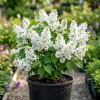
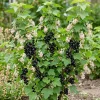
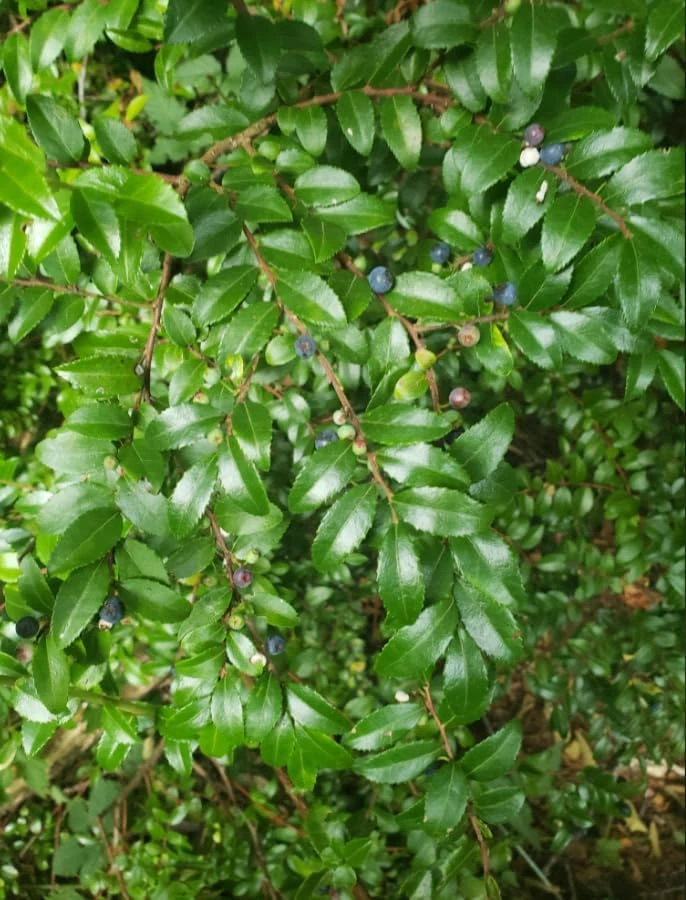
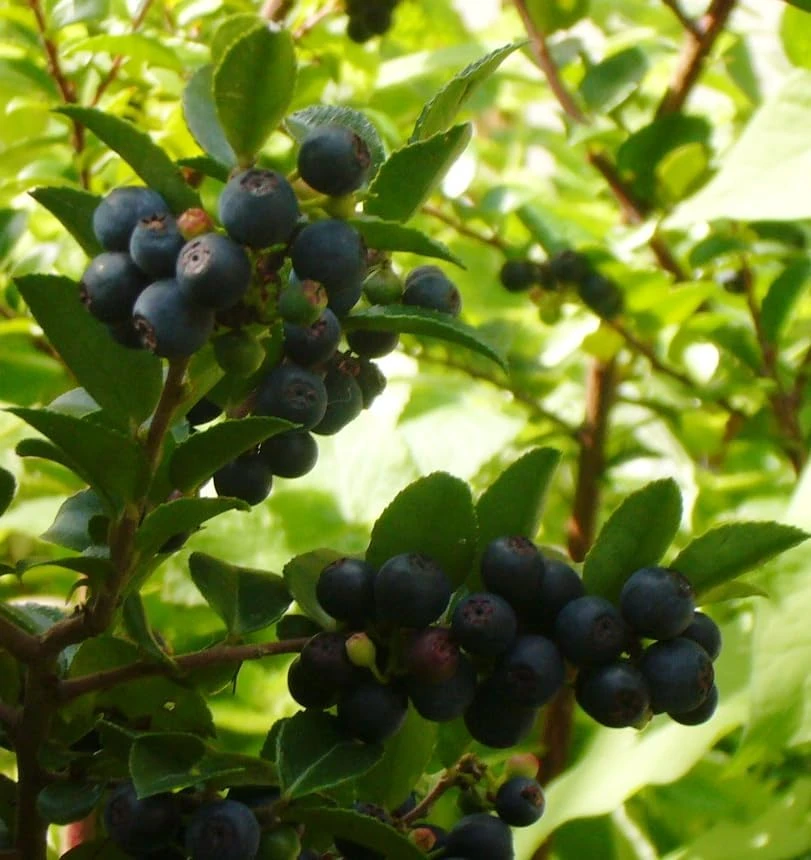
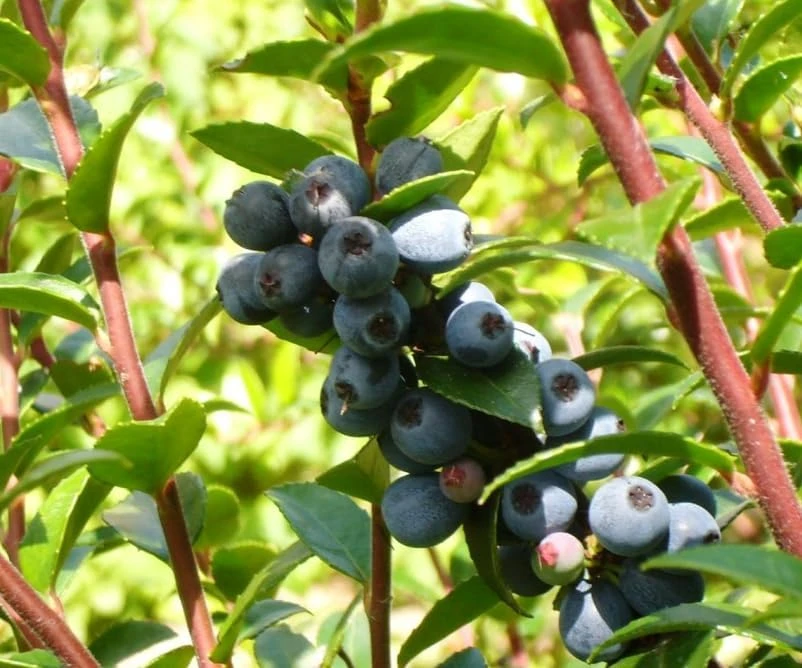
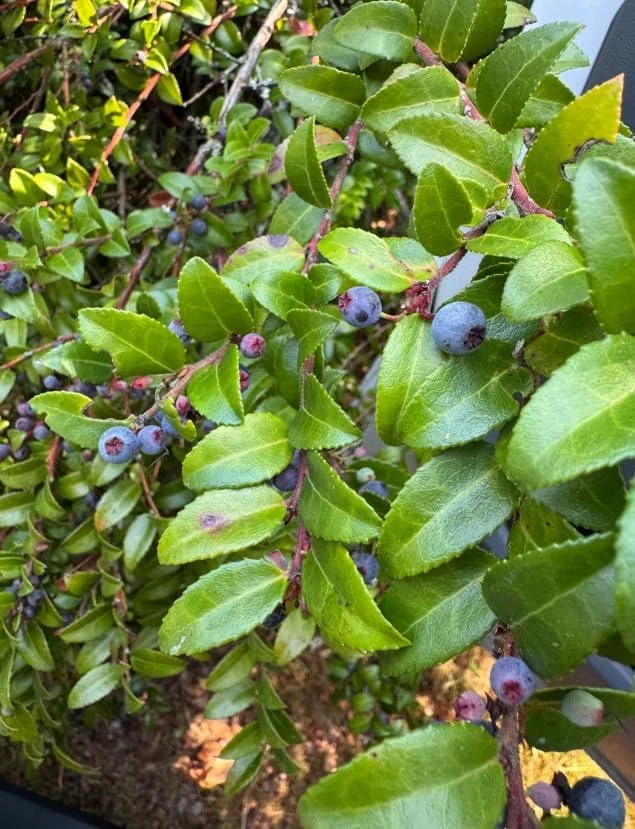
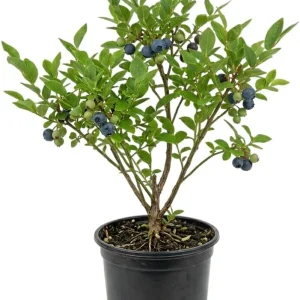
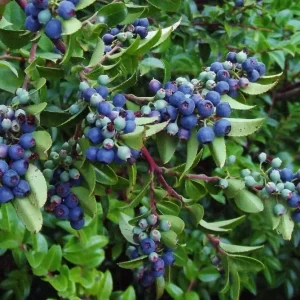
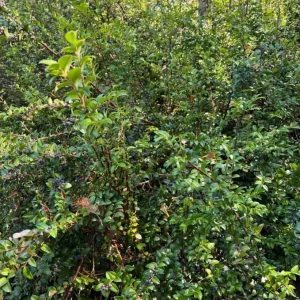
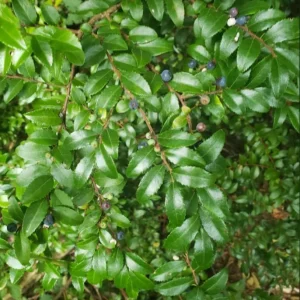
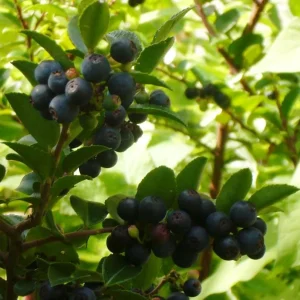
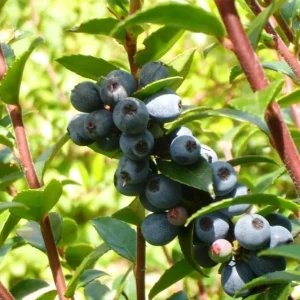
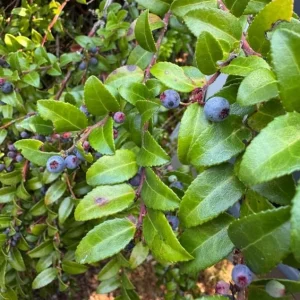
Introduce a delightful and productive addition to your garden with this black huckleberry live plant. Known scientifically as Gaylussacia baccata, the wild huckleberry bush is celebrated for its sweet, dark blue-black berries that ripen in late summer. This resilient and attractive shrub, also referred to as a common huckleberry shrub, offers both ornamental beauty with its spring flowers and the rewarding experience of harvesting your own fruit. Ideal for gardeners seeking a low-maintenance yet fruitful plant, this huckleberry thrives in a variety of conditions, making it a versatile choice for many landscapes. Its compact size makes it suitable for small gardens, containers, or as part of a naturalized planting. Our black huckleberry live plant arrives ready to establish in your garden, providing you with a head start on growing these cherished native berries. The plant is carefully cultivated to ensure health and vigor upon arrival, promoting successful transplanting and growth. Whether you’re an experienced horticulturist or a budding gardener, caring for this sweet huckleberry plant is a straightforward and enjoyable endeavor, promising delicious rewards for years to come.
Key Benefits
Cultivating a black huckleberry live plant offers a multitude of advantages, from its aesthetic appeal to its practical benefits. This robust shrub is an excellent choice for enhancing biodiversity and providing fresh, nutritious berries right from your garden.
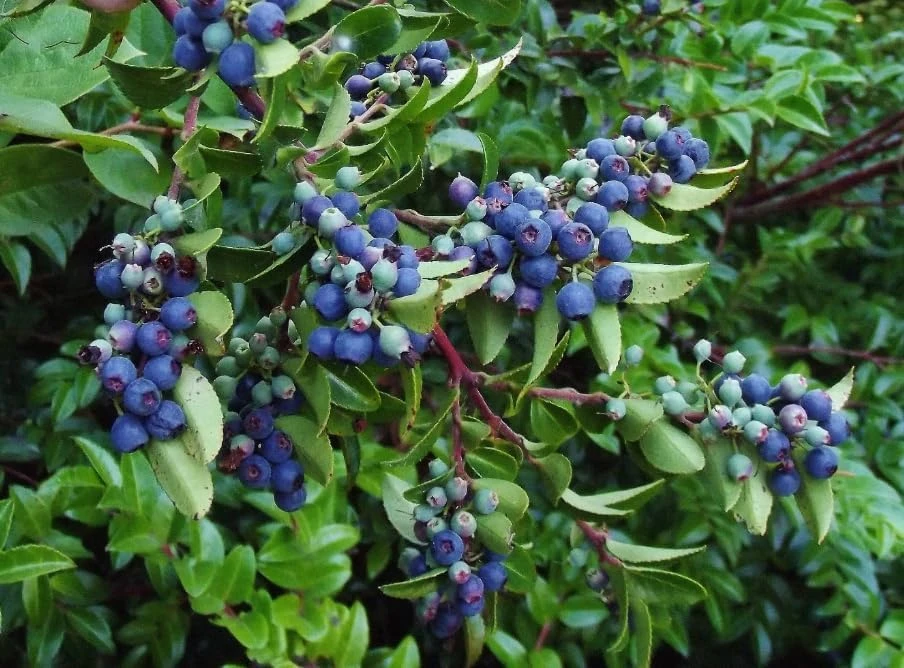
- Delicious Edible Berries: Enjoy a bountiful harvest of sweet, flavorful blue-black huckleberries that are perfect for fresh eating, baking, jams, or sauces. These berries are a delightful treat for both humans and local wildlife.
- Attractive Ornamental Value: The wild huckleberry bush provides year-round interest with its red to pink urn-shaped flowers in spring, followed by vibrant dark berries, and often displays beautiful fall foliage colors. This shrub adds significant visual appeal to any garden setting.
- Low Maintenance & Adaptable: This resilient shrub is known for its ability to thrive in various conditions, adapting well to different soil types and requiring minimal fuss once established, making huckleberry plant care easy for all skill levels. Its adaptability makes it a great choice for many landscapes.
- Supports Wildlife: The berries are a valuable food source for birds and other small animals, contributing to the ecological health of your garden and attracting beneficial fauna. Planting a black huckleberry live plant helps support local ecosystems.
- Versatile Planting Options: Whether you have a spacious garden, a cozy patio, or prefer container gardening, this common huckleberry shrub is an excellent fit due to its manageable size and adaptability. Its compact growth habit allows for flexible placement.
- Hardy and Resilient: With a broad USDA Hardiness Zone range, this sweet huckleberry plant is capable of withstanding various climates, ensuring a reliable performance in many regions. It offers dependable growth and fruit production year after year.
Plant Care & Growing Tips
Proper huckleberry plant care will ensure your black huckleberry live plant thrives and produces an abundance of delicious berries. These shrubs are relatively easy to care for, making them a great choice for gardeners looking for rewarding, low-effort fruit production. Understanding the specific needs of Gaylussacia baccata will lead to a successful harvest. For sunlight, the wild huckleberry bush prefers full sun to partial shade, ideally receiving at least 6 hours of direct sunlight daily for optimal berry production. When it comes to watering, huckleberries prefer consistently moist, but not waterlogged, soil. Regular watering is crucial, especially during dry spells and when the plant is establishing. Aim for deep watering a few times a week rather than shallow, frequent watering. The ideal soil for these plants is acidic (pH 4.5-5.5), rich in organic matter, and well-draining. Incorporating peat moss or compost can help achieve the desired acidity and improve soil structure. This resilient shrub is hardy across a broad range of USDA zones, typically thriving in zones 3-7. Fertilize with an acidic, slow-release fertilizer in early spring before new growth begins, following product instructions to avoid over-fertilization. Pruning should be done in late winter or early spring to remove dead or weak branches and to maintain shape, which is part of effective huckleberry plant care.
Size & Details
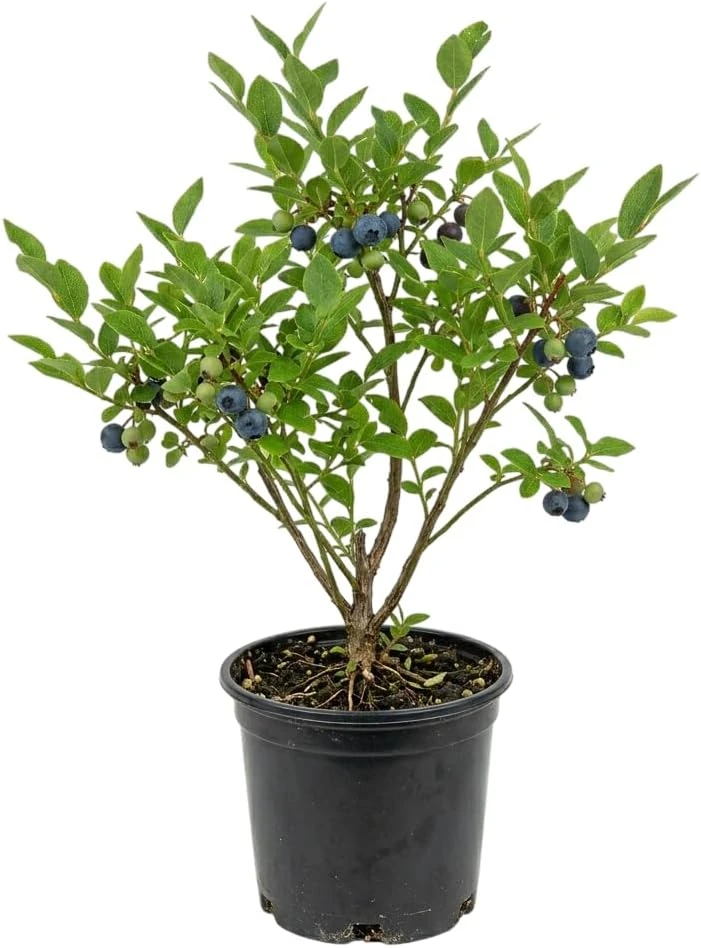
This offering is for one black huckleberry live plant, shipped in a 5-inch nursery pot, ready for immediate planting in your garden or a larger container. Upon arrival, the plant will typically be between 6 to 12 inches tall, depending on the growing season and specific cultivar variations. Huckleberry bushes generally grow to a mature height of 2 to 3 feet tall and equally wide, forming a compact, rounded shrub. This makes them an excellent choice for small gardens, borders, or as an understory planting. The plant is cultivated for health and vigor, ensuring a strong start in your landscape. Expect the plant to establish quickly and begin producing berries within one to two years, with increasing yields as it matures. The berries ripen in late summer, providing a delicious harvest. This particular Gaylussacia baccata specimen is robust and selected for its potential to thrive and provide abundant fruit.
Frequently Asked Questions
- Q: How big does this black huckleberry live plant get? A: A mature black huckleberry live plant typically reaches 2 to 3 feet in height and width, forming a compact and rounded shrub. Its manageable size makes it suitable for various garden settings.
- Q: What size pot does it come in? A: This plant is shipped in a 5-inch nursery pot, providing a healthy root system ready for transplanting into your garden or a larger container.
- Q: Is this an indoor or outdoor plant? A: The wild huckleberry bush is primarily an outdoor plant, thriving in garden beds or larger outdoor containers where it can receive adequate sunlight and chilling hours.
- Q: How much sunlight does it need? A: For best fruit production, a sweet huckleberry plant prefers full sun (at least 6 hours of direct sunlight) but can tolerate partial shade.
- Q: Is this plant easy to care for? A: Yes, huckleberry plant care is considered relatively easy. Once established, these resilient shrubs require minimal maintenance, making them great for gardeners of all skill levels.
- Q: What condition will it arrive in? A: Your black huckleberry live plant will arrive carefully packaged, healthy, and vigorous, ready for successful transplanting and growth in your garden.
- Q: When is the best time to plant a huckleberry bush? A: The best time to plant a huckleberry bush is in spring or fall when temperatures are moderate, allowing the plant to establish its root system before extreme weather.
- Q: Will it survive winter in my zone? A: The Gaylussacia baccata is quite hardy and typically thrives in USDA Hardiness Zones 3-7, making it suitable for many climates.
- Q: What kind of soil does the wild huckleberry bush prefer? A: This plant prefers acidic, well-draining soil rich in organic matter. Amending your soil with peat moss or compost can help create ideal conditions.
- Q: Can I grow the sweet huckleberry plant in a container? A: Yes, its compact size makes the sweet huckleberry plant an excellent candidate for container gardening, especially if you ensure adequate drainage and use an acidic potting mix.


Reviews
There are no reviews yet.