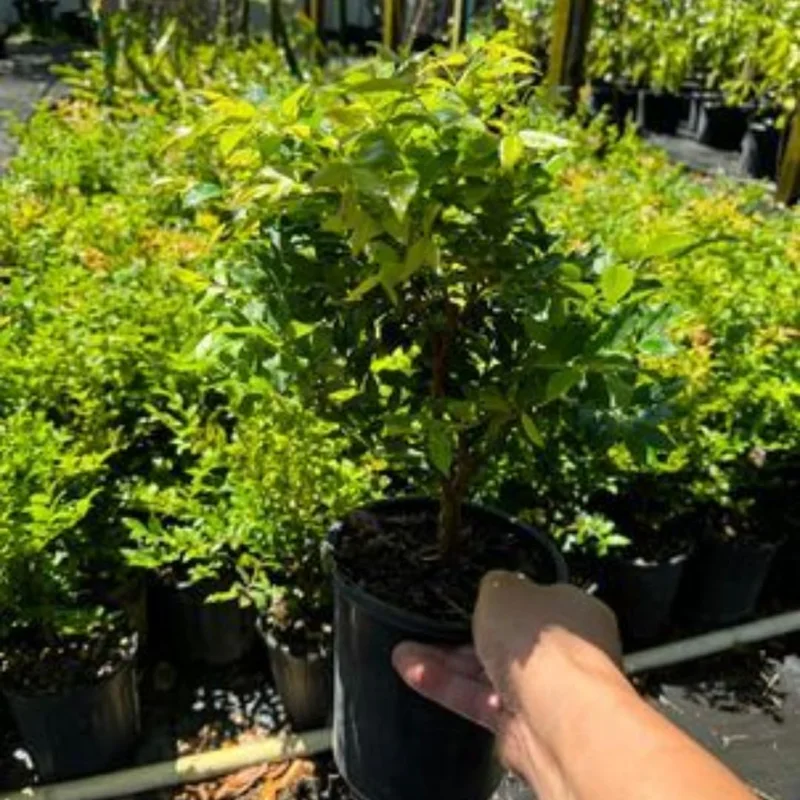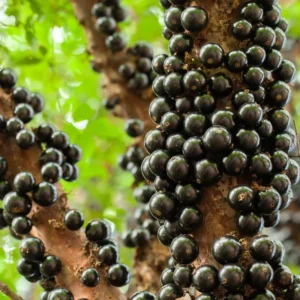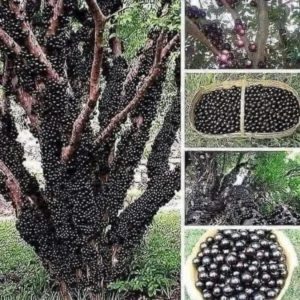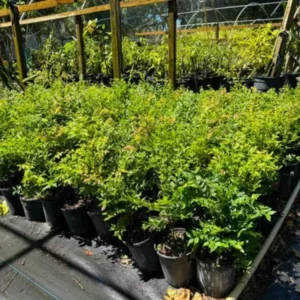
Bring the Exotic Black Jaboticaba Tree to Your Garden
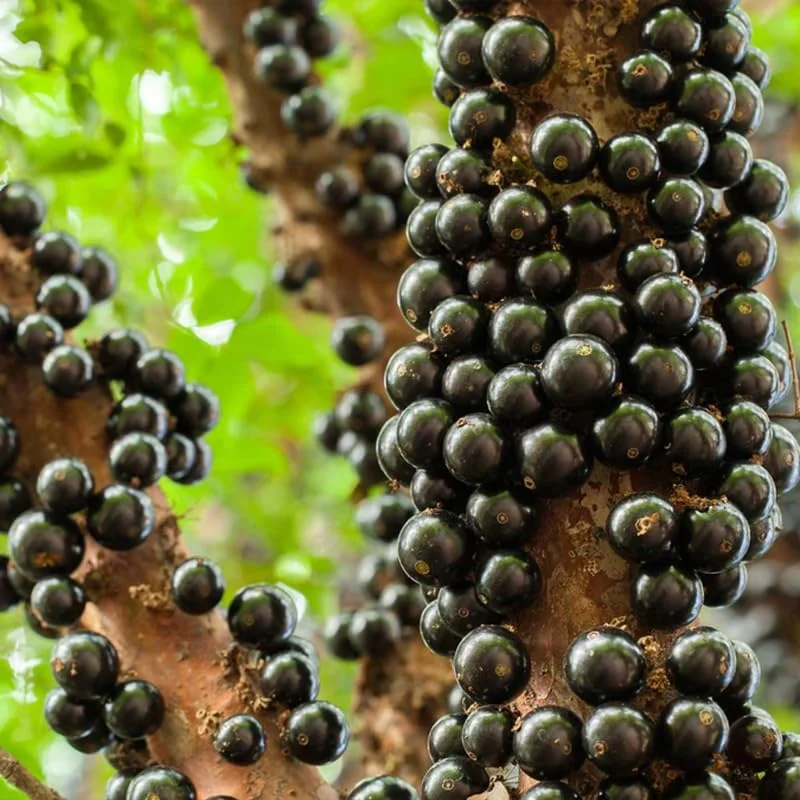
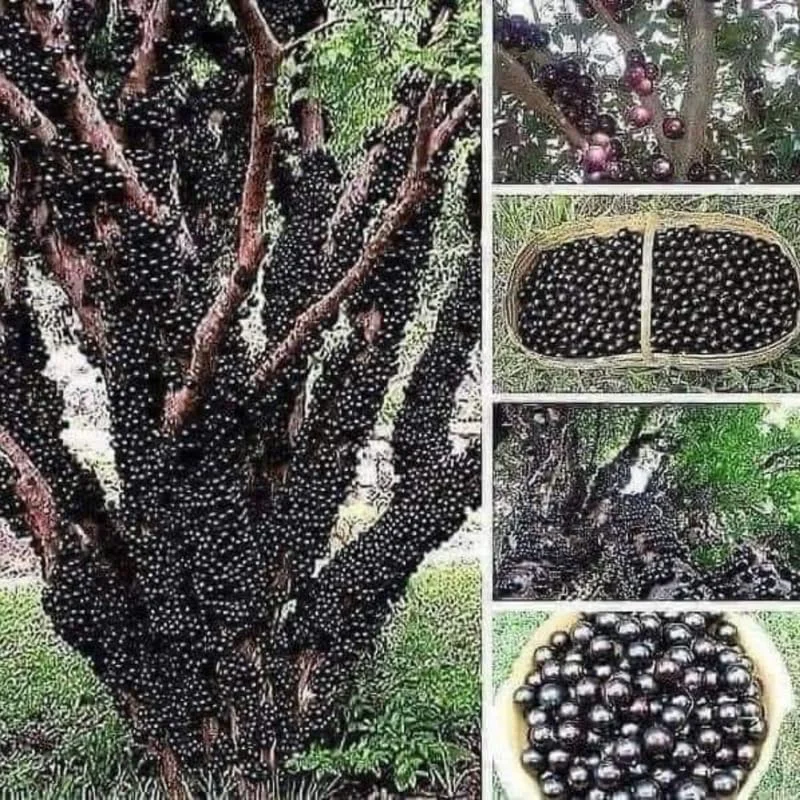
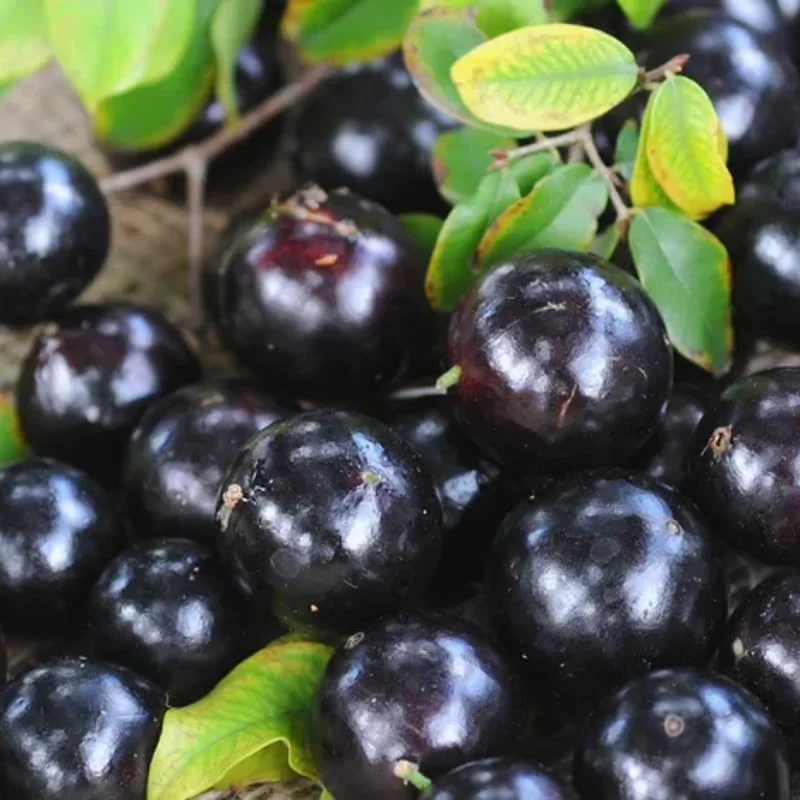
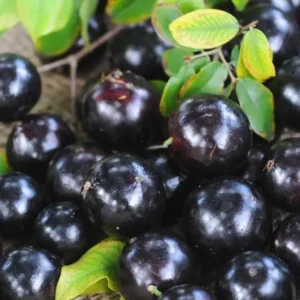
Transform your garden into a tropical paradise with the Black Jaboticaba Tree, a unique and highly sought-after grafted Brazilian grape tree. Known for its distinctive black fruits that grow directly on its trunk, this tree is a true conversation starter and a prized addition to any exotic plant collection. Perfect for gardeners in Zones 8-11, this tree adds a touch of the tropics to outdoor spaces and container gardens alike.
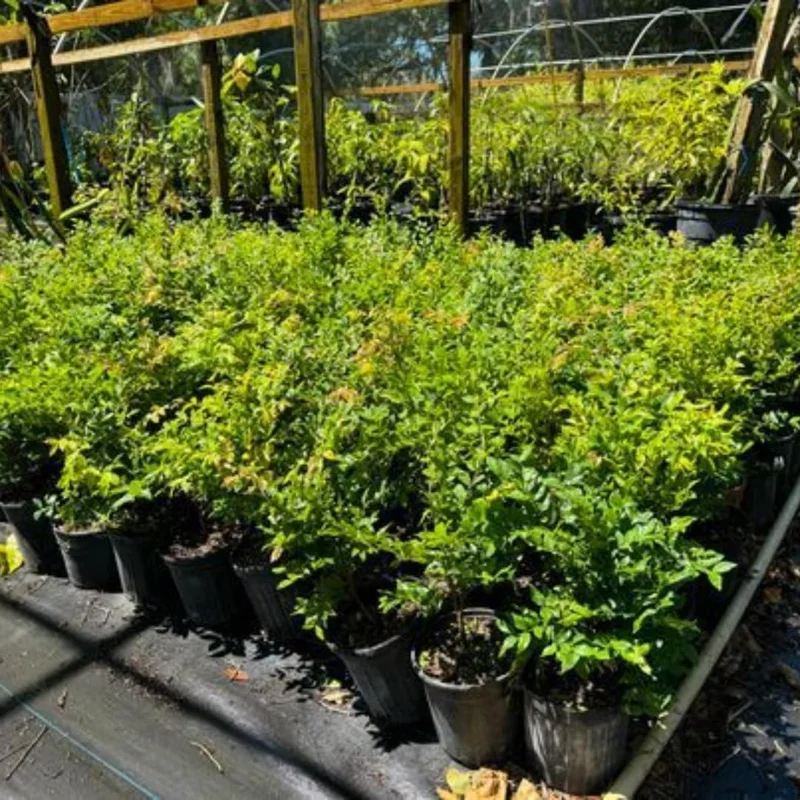
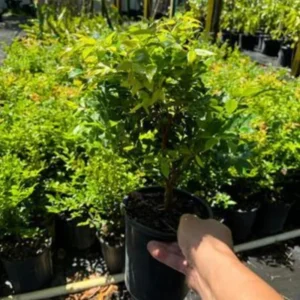
This grafted Jaboticaba tree arrives at a manageable size of 1-3 feet, offering the growth potential of a mature tree in just a few years. The grafting process accelerates fruiting, allowing you to enjoy its delicious, grape-like fruits much sooner – often within a few years of planting. Ideal for container growing, this tropical beauty thrives in well-drained, slightly acidic soil and requires regular watering to ensure lush, healthy growth. Enjoy the benefit of faster fruiting with our grafted tree.
For optimal growth, place your Jaboticaba Tree in full to partial sunlight and maintain warm temperatures. Its unique bark and glossy green leaves provide year-round visual interest, while its edible fruits make it a valuable addition to edible landscapes, patios, or greenhouses. As the Jaboticaba is cold-sensitive, providing protection during the winter months is crucial if temperatures are expected to drop below freezing. Benefit from year-round beauty and delicious fruit.
Easy to care for, this Brazilian grape tree requires moderate watering, well-draining soil, and regular feeding during its active growing season. Minimal pruning is needed, making it a low-maintenance option for gardeners seeking exotic beauty without extensive effort. The Black Jaboticaba suits all garden levels.
Choose the Black Jaboticaba Tree for a stunning focal point in your garden or home. Its compact size, unique fruiting habit, and vibrant appearance make it ideal for tropical-themed landscapes, edible gardens, or as a standout potted specimen. This versatile tree adds a luxurious touch to any space and is sure to enhance the aesthetic of your garden. The Black Jaboticaba’s stunning appearance makes it a focal point in your garden.
FAQ
- How soon will my grafted Jaboticaba Tree bear fruit? Grafted Jaboticaba Trees typically bear fruit in 3-5 years, significantly faster than seedling-grown trees.
- Can I grow this tree in a container? Yes, the Black Jaboticaba thrives in containers. This allows you to maintain it at a smaller size, perfect for patios or indoor environments.
- What kind of soil does it need? This tree prefers acidic, well-drained soil. Regular watering is essential to keep the soil consistently moist but not waterlogged.
- How tall does this tree grow? When planted outdoors, the Jaboticaba Tree can reach heights of 10-15 feet. However, container-grown trees typically stay smaller, usually under 6 feet.
- Is it cold-hardy, and what’s the lowest temperature it can tolerate? The Jaboticaba Tree is suitable for Zones 8-11. It needs winter protection if temperatures drop below freezing (32°F or 0°C) for extended periods. Consider moving it indoors or providing insulation.
- How often should I fertilize my Jaboticaba tree, and what type of fertilizer is best? Fertilize every 2-3 months during the growing season (spring and summer) with a balanced, slow-release fertilizer formulated for fruit trees.
- What are common pests or diseases that affect Jaboticaba trees, and how can I prevent them? Jaboticaba trees are relatively pest-resistant, but watch out for scale insects or aphids. Treat infestations with insecticidal soap. Ensure good air circulation to prevent fungal diseases.
- How much sunlight does my Jaboticaba tree need each day for optimal fruit production? Jaboticaba trees need at least 6 hours of direct sunlight daily for optimal fruit production. Partial shade is acceptable, especially in hotter climates.
- My Jaboticaba tree is not fruiting. What could be the reason, and how can I encourage it to produce fruit? Several factors could affect fruiting, including insufficient sunlight, improper watering, lack of nutrients, or the tree not being mature enough. Ensure proper care and be patient, especially with younger trees.
- How often should I water my Jaboticaba tree, and how do I know if I am overwatering or underwatering it? Water deeply when the top inch of soil feels dry. Yellowing leaves can indicate overwatering, while wilting leaves suggest underwatering. Adjust your watering schedule based on environmental conditions.

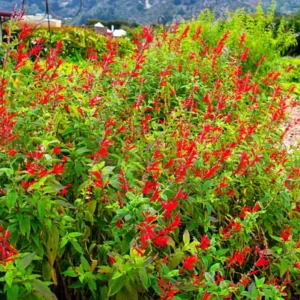
Pineapple Sage Live Plant, Red Salvia Live Bush Plant, No Pot
American Elderberry Bushes Live Plants, From 6 To 12 Inch Tall, Black Elderberry Plants Live For Planting
Laurus Nobilis Bay Leaf Tree, Sweet Bay Leaf Live Plant Tree, Bay Laurel Tree, 6-8" In Tall
Blood Orange Tree Live Plant, Grafted Citrus, 2 Feet Tall in 1 Gallon Pot for Full Sun
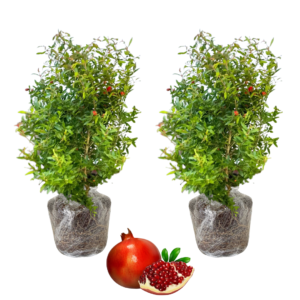
Set 2 Wonderful Pomegranate Tree Live Plant - 6 to 9 Inches Tall, Pomegranate Fruit Tree Plant for Home Garden


Reviews
There are no reviews yet.