Overview
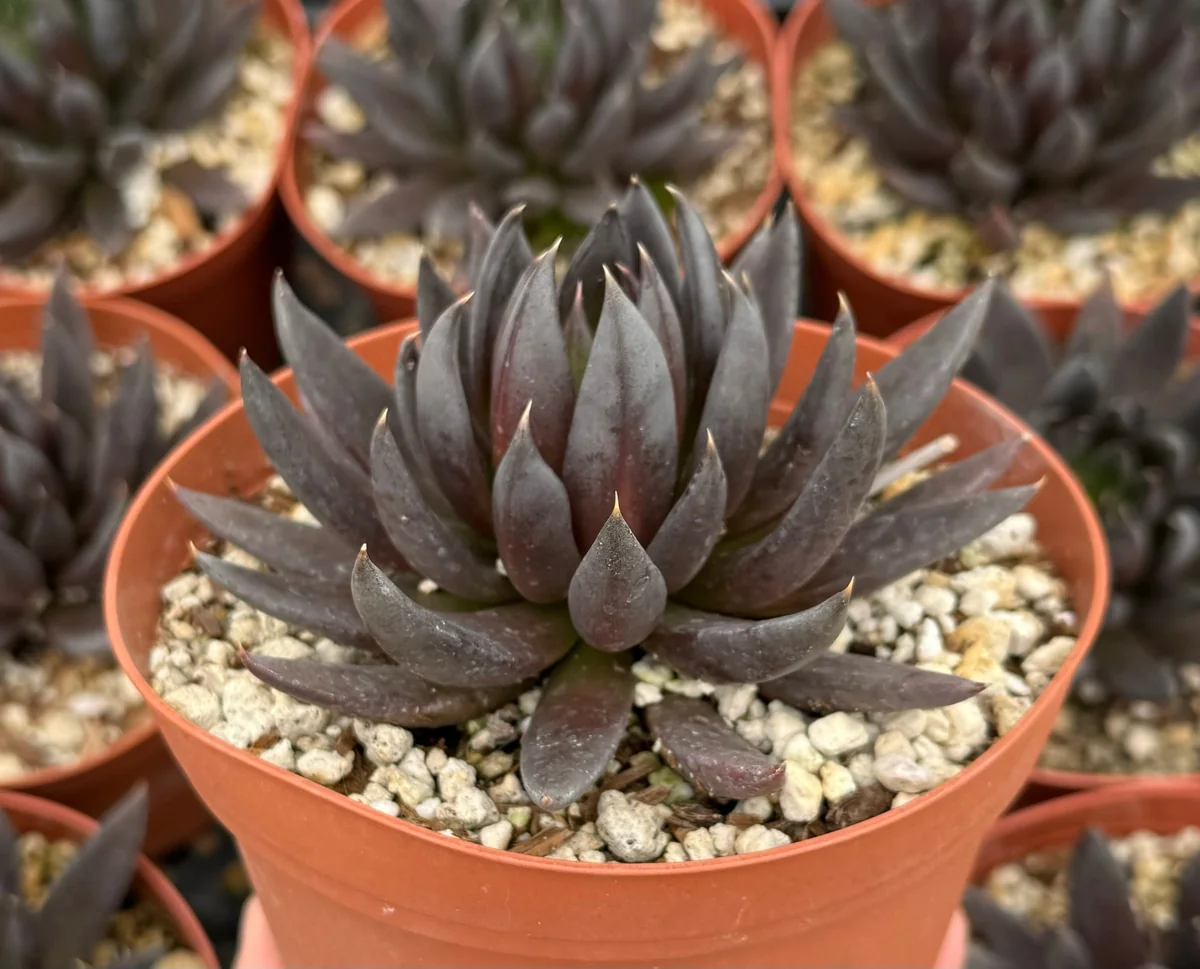
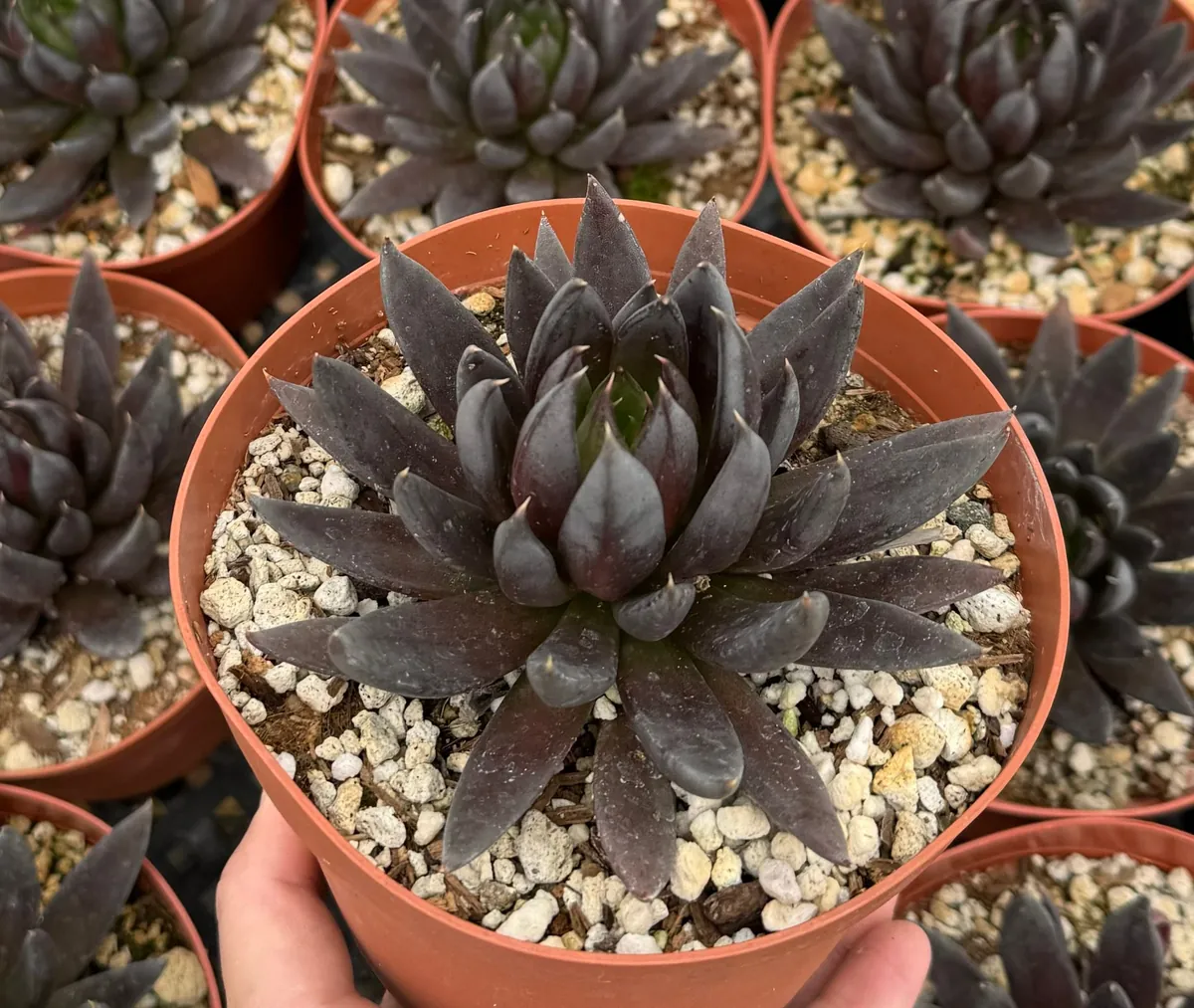
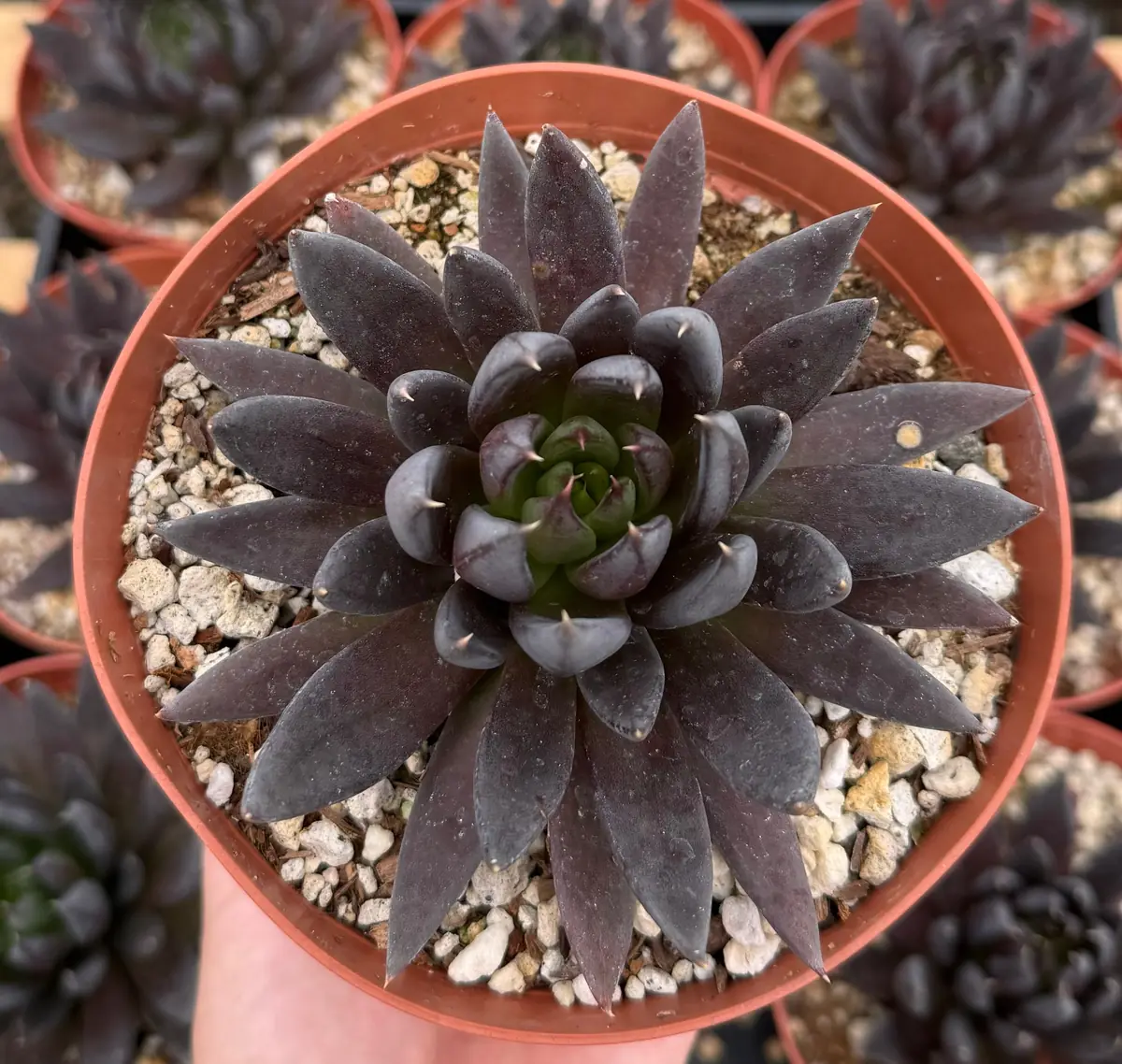
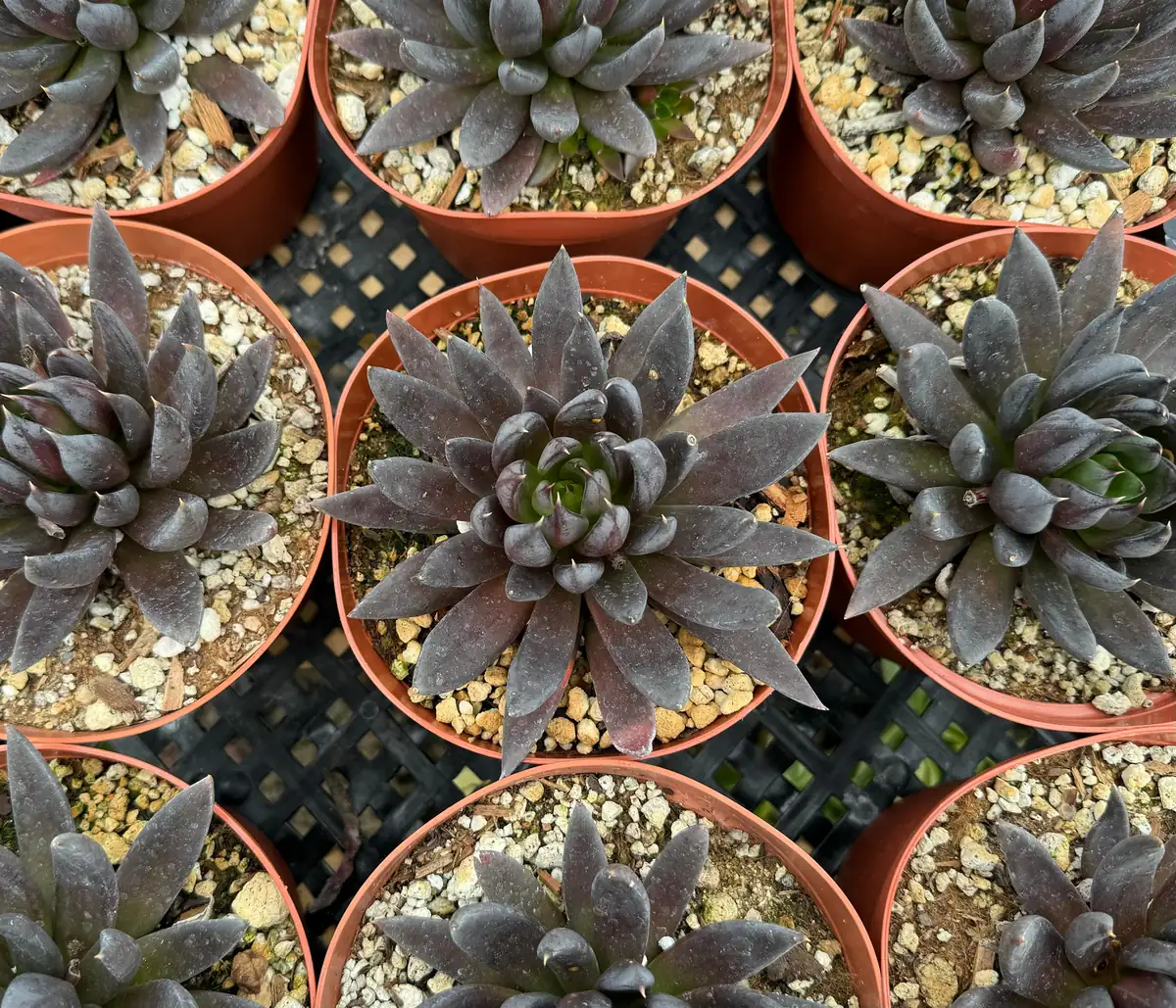
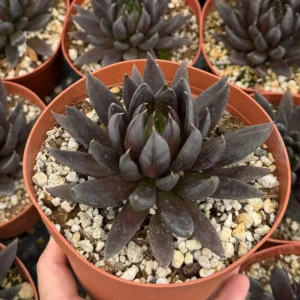
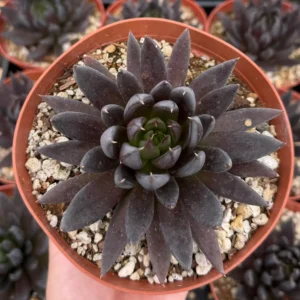
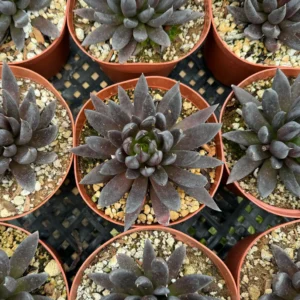
Introduce a touch of gothic elegance to your plant collection with the magnificent black knight echeveria live plant. This captivating succulent is celebrated for its intensely dark, almost black, foliage which creates a stunning contrast against lighter-colored plants. A hybrid likely derived from Echeveria affinis, the ‘Black Knight’ boasts thick, lance-shaped leaves arranged in a tight rosette formation. Its unique coloration deepens under ample sunlight, offering a dynamic display for any plant enthusiast. This particular offering is for a healthy, established plant in a 6-inch pot, ready to be a focal point in your home or garden. Whether you’re a seasoned succulent collector or new to the world of drought-tolerant plants, the black knight echeveria live plant provides an easy-to-care-for option that delivers immense visual impact.
Originally hailing from arid regions, Echeverias are known for their resilience and striking architectural forms. The ‘Black Knight’ cultivar takes this natural beauty to another level with its distinctively dark hue. It thrives in conditions that mimic its natural habitat, requiring plenty of light and minimal watering. Perfect for adding a sophisticated touch to windowsills, desks, or rock gardens, this plant promises to be a conversation starter and a cherished addition.
Key Benefits
The black knight echeveria live plant offers a multitude of benefits, making it an excellent choice for both novice and experienced gardeners. Its unique characteristics contribute to its popularity and ease of care:
- Dramatic Aesthetic Appeal: The deep purplish-black foliage provides a striking visual contrast, adding a bold and elegant statement to any indoor or outdoor setting. It’s a true showstopper among succulents.
- Low Maintenance & Drought Tolerant: As a succulent, the ‘Black Knight’ is incredibly forgiving. It requires infrequent watering and thrives on neglect, making it perfect for busy individuals or those new to plant care.
- Eye-Catching Rosette Form: Its compact, symmetrical rosette shape is naturally appealing and provides a structured element to succulent arrangements or standalone displays.
- Unique Coloration: The intense, almost black hue is uncommon in the plant kingdom, offering a genuinely distinctive plant that stands out from typical green foliage.
- Potential for Coral-Pink Blooms: In ideal conditions, this black knight echeveria live plant can produce tall stalks adorned with beautiful coral-pink flowers, adding another layer of charm.
- Versatile Decor: Suitable for a variety of uses, from indoor potted plants to outdoor rock gardens, xeriscapes, or mixed succulent containers, enhancing any space with its unique presence.
- Air Purifying Qualities: Like many houseplants, Echeverias contribute to improved indoor air quality by absorbing toxins and releasing oxygen.
Plant Care & Growing Tips
Caring for your black knight echeveria live plant is straightforward, provided you understand its basic needs. These succulents thrive on bright light and well-draining conditions. For optimal growth and the deepest foliage color, place your Echeveria in a location where it receives at least 6 hours of direct sunlight daily. Indoors, a south-facing window is ideal. If adequate natural light is not available, a grow light can supplement. Outdoors, ensure it’s in a spot with full sun, though some afternoon shade in extremely hot climates can prevent scorching.
Watering is perhaps the most critical aspect of echeveria black knight care. Allow the soil to dry out completely between waterings. When you do water, do so thoroughly until water drains from the bottom of the pot. Overwatering is the most common cause of succulent demise, leading to root rot. During winter months, reduce watering frequency significantly. The plant prefers a well-draining soil mix, ideally one formulated for cacti and succulents, which prevents water from sitting around the roots. A good mix will contain perlite, pumice, or coarse sand to improve drainage.
The ideal temperature range for the ‘Black Knight’ is between 65-80°F (18-27°C). It is not frost-tolerant and should be brought indoors or protected when temperatures drop below 40°F (4°C). Fertilize sparingly, perhaps once or twice during the growing season (spring and summer) with a diluted, balanced liquid fertilizer specifically designed for succulents. Repotting is generally only needed every 2-3 years or when the plant outgrows its container. Watch out for common pests like mealybugs or aphids; treat with insecticidal soap if spotted. Providing the right conditions will ensure your echeveria black knight care routine results in a vibrant and healthy plant.
Size & Details
This offering includes one healthy black knight echeveria live plant, securely rooted and established in a 6-inch nursery pot. The plant’s rosette typically reaches a diameter of 4-6 inches at maturity, though individual growth can vary based on care and environment. The thick, lance-shaped leaves contribute to its compact yet striking presence. When mature, it can produce tall flower stalks, often reaching 8-12 inches high, adorned with vibrant coral-pink blooms. This perennial succulent exhibits a relatively slow to moderate growth rate, making it a manageable addition to most indoor or outdoor spaces.
Your plant will be shipped as a potted specimen, carefully packaged to ensure its safe arrival. Upon receiving, it is recommended to acclimate the plant to its new environment gradually. The 6-inch pot provides ample space for initial growth, and repotting will only be necessary when the plant becomes root-bound or you wish to move it to a larger decorative container. Expect this dark succulent plants variety to add enduring beauty to your collection for many years with proper care.
Frequently Asked Questions
- Q: How big does this black knight echeveria live plant get? A: The rosette of the ‘Black Knight’ Echeveria typically grows to about 4-6 inches in diameter. Its flower stalks can reach up to 8-12 inches in height when it blooms in ideal conditions.
- Q: Is this an indoor or outdoor plant? A: The black knight echeveria live plant can thrive both indoors and outdoors. Indoors, it needs a bright, sunny window. Outdoors, it prefers full sun but requires protection from frost, making it suitable for USDA zones 9-11 outdoors year-round.
- Q: How much sunlight does it need? A: This Echeveria requires at least 6 hours of direct sunlight daily to maintain its deep, dark coloration and healthy growth. Insufficient light can cause it to stretch and lose its intense color.
- Q: Is this plant easy to care for, especially for beginners? A: Yes, the ‘Black Knight’ Echeveria is considered relatively easy to care for, making it a good choice for beginners interested in succulents. Its main needs are plenty of sunlight and infrequent watering.
- Q: What condition will it arrive in? A: Your echeveria for collectors will arrive as a healthy, established plant in a 6-inch nursery pot, carefully packaged to minimize stress during transit. It will be ready to be placed in your desired location.
- Q: How often should I water my Echeveria Black Knight? A: Water only when the soil is completely dry. This usually means every 2-4 weeks, depending on light, temperature, and humidity. Always err on the side of underwatering rather than overwatering.
- Q: Does this Echeveria produce flowers? A: Yes, in the right conditions, the ‘Black Knight’ Echeveria can produce tall, slender stalks with beautiful coral-pink, bell-shaped flowers, adding a lovely contrast to its dark foliage.
- Q: What type of soil is best for echeveria affinis hybrid? A: A well-draining soil mix is crucial. A specialized cactus and succulent potting mix or a blend of regular potting soil with perlite or pumice (50/50 ratio) is ideal to prevent root rot.
- Q: Is this plant pet-safe? A: Echeverias are generally considered non-toxic to cats and dogs, making this dark succulent plants variety a safe option for homes with pets. However, it’s always best to discourage pets from ingesting plants.
- Q: What’s the best time to repot my Echeveria Black Knight? A: Repotting is best done in the spring or early summer when the plant is actively growing. Only repot when the plant has outgrown its current pot or if the soil needs to be refreshed.


Reviews
There are no reviews yet.