Overview
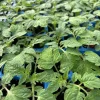
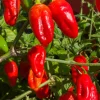
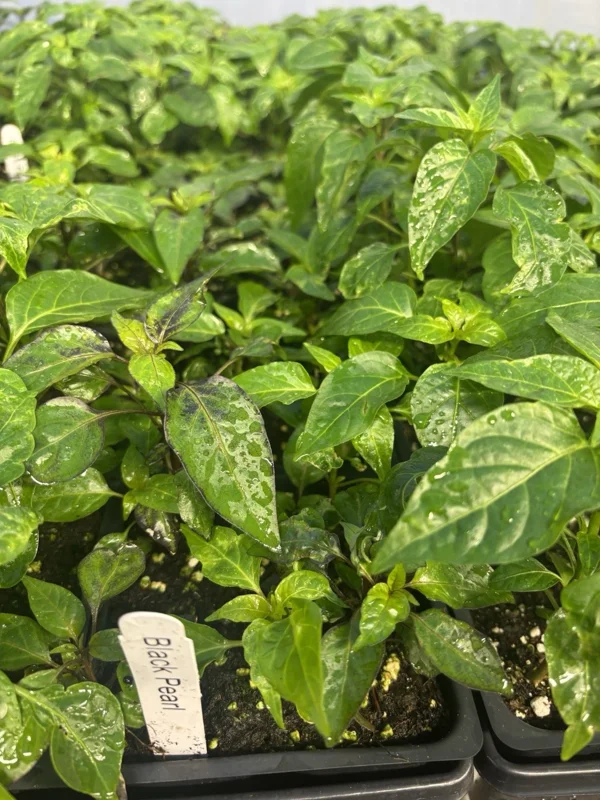
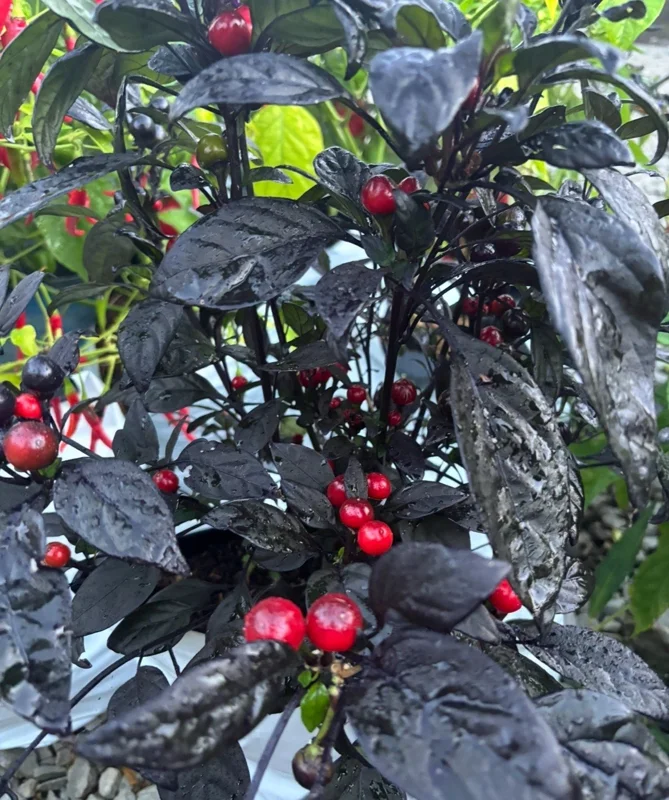
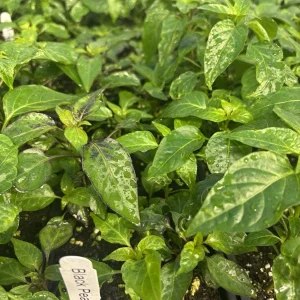
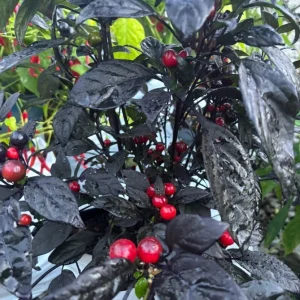
Discover the captivating allure of the Black Pearl hot pepper live plant. These exceptional plants are renowned for their dramatic, dark purple to black foliage that provides a stunning contrast in any garden or container. Beyond their striking appearance, these plants are highly productive, yielding small, round peppers that start black and ripen to a fiery red. Each pepper packs a medium-hot punch, making them perfect for culinary adventures or simply admiring their beauty. Originating from ornamental pepper varieties, the ‘Black Pearl’ is a hybrid known for its robust growth and consistent performance. Whether you’re an experienced gardener or just starting, these peppers offer a rewarding and visually spectacular growing experience. They are perfect for adding a touch of drama to your landscape or a pop of color to your patio. This offering includes a lot of 3 healthy, actively growing ornamental pepper plant specimens, ready to be transplanted into your garden or larger pots. Their unique coloration and edible fruit make them a dual-purpose plant, enhancing both the aesthetic and gastronomic aspects of your home. The ‘Black Pearl’ is more than just a pepper plant; it’s a living piece of art that also provides delicious, spicy produce, making it one of the most sought-after edible ornamental plants.
Key Benefits
Our Black Pearl hot pepper live plant offers a multitude of benefits, making it a fantastic addition to any garden or kitchen. These plants are celebrated for their distinctive characteristics and ease of care, providing both visual appeal and a flavorful harvest for those interested in growing hot peppers.
- Striking Ornamental Appeal: The deep black-purple foliage of the ‘Black Pearl’ pepper creates a dramatic visual statement, making it an excellent focal point in garden beds, borders, or decorative containers. The contrasting bright red peppers further enhance its ornamental value, making it a truly unique ornamental pepper plant.
- Edible & Flavorful Peppers: While primarily grown for their beauty, the peppers produced by these plants are fully edible and possess a medium heat level, ideal for adding a spicy kick to various dishes. Enjoy fresh, homemade hot sauce or salsas from your very own garden. This makes them truly versatile edible ornamental plants.
- Compact & Bushy Growth: These plants typically maintain a compact and bushy growth habit, making them suitable for smaller spaces, urban gardens, and container gardening on patios or balconies. Their tidy form is ideal for any garden size.
- Disease Resistance: The ‘Black Pearl’ variety is generally robust and exhibits good resistance to common pepper diseases and pests, leading to a healthier plant and a more reliable harvest. This reduces the need for constant intervention, making growing hot peppers simpler.
- Long Growing Season: With proper care, these black leaf pepper plants will continue to produce beautiful foliage and peppers throughout the growing season, offering extended enjoyment and harvest opportunities, often from late spring through fall.
- Versatile Culinary Use: The mature red peppers can be used fresh, dried, or cooked into sauces, salsas, and other spicy dishes, providing versatility in the kitchen. Their medium heat adds a pleasant kick without overwhelming other flavors.
- Easy to Grow: These edible ornamental plants are relatively low-maintenance, requiring basic care to thrive, making them suitable for gardeners of all experience levels. They are a rewarding choice for both beginners and seasoned enthusiasts.
Plant Care & Growing Tips
Caring for your Black Pearl hot pepper live plant is straightforward, ensuring you enjoy their beauty and bounty. These plants thrive in conditions that mimic their native tropical climate, but are adaptable to various garden settings with a little attention. For successful growing hot peppers, understanding their needs is crucial.
Sunlight: Black Pearl hot pepper live plant requires at least 6-8 hours of direct sunlight per day to produce the most vibrant foliage and abundant peppers. In hotter climates, some afternoon shade can prevent leaf scorch, especially during the peak heat of the day. For best results, choose a location in your garden that receives full sun or a bright, sunny spot on your patio. Insufficient light can lead to leggy growth and reduced fruit production, diminishing both ornamental appeal and edible yield.
Watering: Consistent moisture is key for healthy pepper plants. Water thoroughly when the top inch of soil feels dry to the touch. Avoid letting the soil dry out completely, especially during fruiting, but also ensure good drainage to prevent root rot. Overwatering can be just as detrimental as underwatering, leading to fungal issues. A good rule of thumb is to check the soil daily during hot, dry periods and every few days during cooler weather, adjusting as needed.
Soil & Fertilization: These plants prefer well-draining, fertile soil with a pH between 6.0 and 7.0. A good quality potting mix enriched with compost is ideal for container growing, providing both nutrients and aeration. For garden beds, amend heavy clay soils with organic matter to improve drainage and aeration. Fertilize every 2-4 weeks with a balanced liquid fertilizer once the plants start producing flowers and fruits. Look for fertilizers formulated for vegetables or tomatoes, which are typically higher in phosphorus and potassium to support fruiting. Avoid excessive nitrogen, which can promote leafy growth at the expense of peppers, impacting your harvest of these unique black leaf pepper plants.
Temperature & Climate: ‘Black Pearl’ peppers are warm-season plants and are sensitive to cold. They thrive in temperatures between 65-85°F (18-29°C). Protect them from frost, which can severely damage or kill the plants. If growing in containers, you can bring them indoors during colder months to extend their life. They are typically grown as annuals in most climates, but can be perennial in frost-free regions (USDA zones 9-11). Consider companion planting with basil or marigolds to deter common pepper pests naturally.
Size & Details
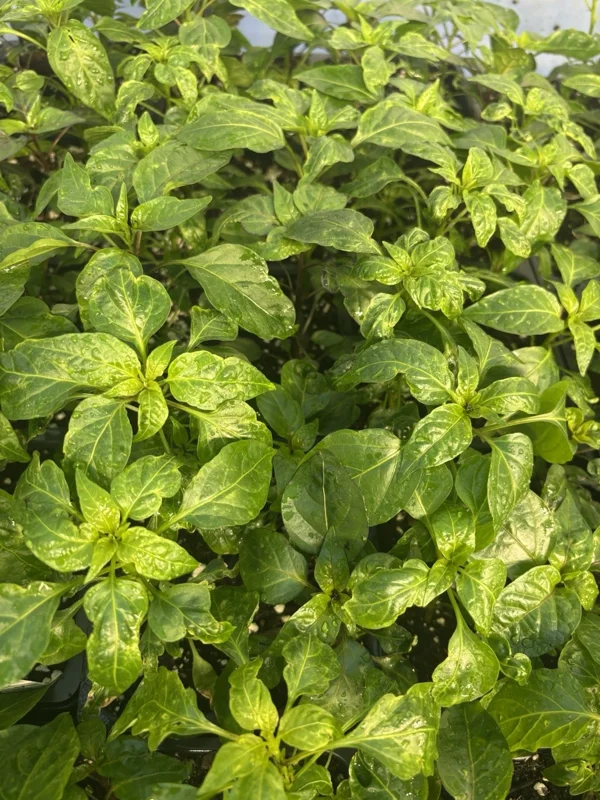
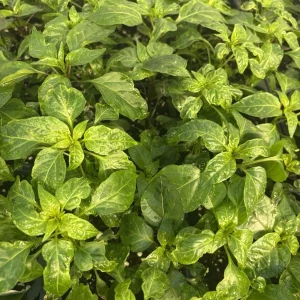
This offer includes a lot of 3 Black Pearl hot pepper live plant specimens, each robust and well-established, typically around 75+ days old from seed, ensuring they are past their most delicate seedling stage. At this age, they are ready for transplanting and will quickly settle into their new environment, providing a head start to your garden. Upon arrival, the plants will be in a vegetative growth stage, meaning they are actively developing foliage and root systems, and will soon begin to flower and set fruit. The mature height of these black leaf pepper plants generally ranges from 18 to 24 inches, with a similar spread, creating a compact and bushy appearance that is ideal for various garden designs. They are shipped as live plants, carefully packaged to minimize stress during transit, arriving healthy and vibrant. Expect your plants to begin producing peppers within a few weeks of transplanting, with a continuous harvest throughout the warm season. The peppers themselves are small, round, and approximately 0.5 to 0.75 inches in diameter, adding to the allure of these edible ornamental plants both visually and culinarily.
Frequently Asked Questions
- Q: How big do these Black Pearl hot pepper live plant specimens get? A: These plants typically grow to a compact size of 18 to 24 inches tall and wide, making them ideal for both garden beds and container planting. Their bushy habit ensures a full and attractive appearance, even in smaller spaces.
- Q: Are these ornamental pepper plants edible? A: Yes, absolutely! While stunningly beautiful, the peppers produced by these ornamental pepper plant specimens are fully edible. They start black and ripen to a vibrant red, offering a medium level of heat perfect for cooking and adding a unique flavor to dishes.
- Q: What condition will the hot pepper plants arrive in? A: Your hot pepper plants will arrive as healthy, actively growing live plants, carefully packaged to protect them during transit. They will be approximately 75+ days old, well-rooted, and ready for transplanting into your garden or larger pots.
- Q: How much sun do these black leaf pepper plants need? A: For optimal growth and fruit production, black leaf pepper plants require at least 6-8 hours of direct sunlight per day. They thrive in full sun conditions, though some afternoon shade may be beneficial in extremely hot climates to prevent leaf scorch, ensuring successful growing hot peppers.
- Q: Can I grow these edible ornamental plants indoors? A: While they prefer outdoor conditions, these edible ornamental plants can be grown indoors near a sunny window or under grow lights, provided they receive adequate light and warmth. Ensure good air circulation to prevent issues like powdery mildew.
- Q: What is the best time to plant Black Pearl hot pepper live plant outdoors? A: The best time to plant these peppers outdoors is after all danger of frost has passed in spring, when soil temperatures have warmed up consistently. For indoor growing, they can be started year-round with appropriate light and temperature control.
- Q: What USDA hardiness zones are suitable for these plants? A: Black Pearl peppers are typically grown as annuals in most regions due to their sensitivity to cold. However, in USDA zones 9-11, they can be grown as perennials and may survive mild winters if protected from frost, allowing for multiple seasons of harvest.
- Q: How spicy are Black Pearl peppers? A: Black Pearl peppers have a medium heat level, typically ranging from 10,000 to 30,000 Scoville Heat Units (SHU). This makes them flavorful with a noticeable kick, but not overwhelmingly hot for most palates, suitable for a wide range of culinary uses.
- Q: What type of soil is best for black leaf pepper plants? A: These plants prefer well-draining, fertile soil rich in organic matter. A good quality potting mix is suitable for containers, and garden beds should be amended to ensure proper drainage and nutrient content for robust growth.
- Q: Do these hot pepper plants require any special fertilizer for growing hot peppers? A: Once flowering and fruiting begins, fertilize every 2-4 weeks with a balanced liquid fertilizer, or one slightly higher in phosphorus and potassium to support fruit development. Avoid high-nitrogen fertilizers which can lead to excessive foliage at the expense of peppers.


Reviews
There are no reviews yet.