Overview
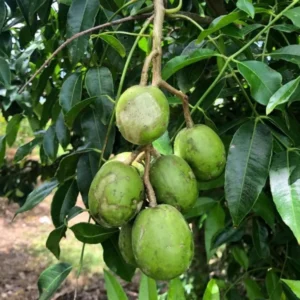
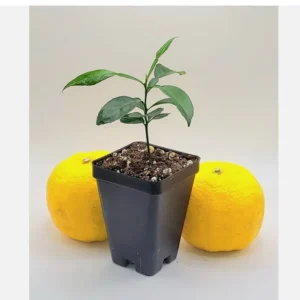
Discover the unique delight of the black sapote live plant, often celebrated as the “Chocolate Pudding Fruit.” This extraordinary tropical tree, native to Central America, is a culinary marvel, producing fruits that boast a rich, melt-in-your-mouth brown custardy pulp with a hint of sweetness and distinct overtones of chocolate. Our specimen arrives as a robust 3 to 4 feet tall plant, shipped in a 7-gallon pot, ready to thrive in your home or garden. Unlike many tropical fruit trees, the black sapote is surprisingly adaptable and can fruit easily, even when grown in a container. It’s a grafted plant, ensuring it blooms and fruits sooner, bringing the joy of homegrown exotic fruit to your table in less time. Experience the satisfaction of harvesting this delightful fruit, perfect for fresh eating or incorporating into various desserts.
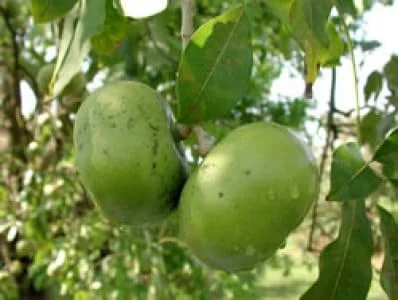
The botanical name for this fascinating specimen is Diospyros nigra, a close relative of the common persimmon. Its unique flavor profile and smooth texture make it a highly sought-after addition to any fruit enthusiast’s collection. When ripe, the fruit’s flesh transforms into a dark, almost black, pudding-like consistency, truly living up to its delectable nickname. Growing your own black sapote live plant offers a rewarding experience, providing both an attractive ornamental tree and a source of delicious, healthy fruit.
Key Benefits
Bringing a black sapote live plant into your home or garden offers numerous advantages beyond just its delicious fruit. This versatile tropical tree provides both aesthetic appeal and a unique culinary experience.
- Exotic Fruit Production: Enjoy the unique pleasure of harvesting your own ‘Chocolate Pudding Fruit.’ The delightful pulp, with its chocolate-like flavor, is perfect for desserts, smoothies, or eating fresh. Growing a chocolate pudding fruit tree allows you to savor this rare delicacy at its peak ripeness.
- Ornamental Value: With its lush green foliage and attractive growth habit, the black sapote tree adds a tropical and exotic touch to any landscape or patio. It serves as a beautiful focal point, enhancing the visual appeal of your outdoor spaces.
- Container-Friendly Growth: Despite being a tree, the black sapote can be successfully grown in large containers, making it suitable for patios, balconies, or regions with cooler climates where it can be moved indoors during winter. This makes how to grow black sapote in a limited space much easier.
- Grafted for Early Fruiting: Our plants are grafted, meaning they are genetically structured to bloom and produce fruit much sooner than seed-grown trees. This significantly reduces the waiting time to enjoy your first harvest.
- Unique Culinary Ingredient: Beyond fresh consumption, the fruit’s rich, custardy texture makes it an excellent ingredient for pies, cakes, mousses, and other culinary creations, offering a healthy and delicious alternative to chocolate.
- Low Maintenance: Once established, the black sapote is relatively easy to care for, requiring consistent watering and monthly fertilization during its growing season. This makes it an accessible option for gardeners of varying experience levels.
Plant Care & Growing Tips
Caring for your black sapote live plant is straightforward, ensuring you’ll soon be enjoying its unique ‘Chocolate Pudding Fruit.’ This tropical tree thrives with specific conditions that mimic its native Central American environment. For optimal growth and fruiting, provide full sun exposure, meaning at least 6-8 hours of direct sunlight daily. If growing indoors or in a greenhouse, place it near a south-facing window or under grow lights to ensure it receives adequate light. Consistent watering is crucial, especially during warm weather and when the plant is actively growing. The soil should be kept consistently moist but never waterlogged, as this can lead to root rot. Allow the top inch or two of soil to dry out slightly before watering again.
The ideal soil for a chocolate pudding fruit tree is a well-draining, fertile mix. A good quality potting mix amended with compost or organic matter works well for container-grown plants. For in-ground planting, ensure the soil has good drainage to prevent standing water. Fertilize your black sapote once a month from spring through summer with a balanced fertilizer to support healthy growth and fruit production. In terms of temperature, black sapote prefers warm, humid conditions and is generally hardy in USDA zones 9-11. Protect it from frost, bringing container plants indoors if temperatures are expected to drop below 30°F (-1°C). Prune the plant after fruit set to maintain a manageable size and encourage new growth. This practice is key to successful black sapote care and ensuring a bountiful harvest.
Size & Details
This black sapote live plant arrives as a robust specimen, standing approximately 3 to 4 feet tall, making it an impressive addition to your garden or patio immediately upon arrival. It is shipped in a sturdy 7-gallon nursery pot, providing ample space for its root system to establish and grow. This size ensures the plant is well-developed and ready to thrive in its new environment. The black sapote is a moderately fast grower, and as a grafted plant, it is expected to begin flowering and fruiting sooner than trees grown from seed.
The fruits can remain on the tree for an extended period, often upwards of 8 months, typically ripening from July until the end of the year. When mature, the fruits can reach up to 3 inches across, offering a substantial harvest. This plant is ideal for those looking for a unique and productive tropical fruit tree that can be grown both in the ground in suitable climates or as a container-sized plant, allowing for easy relocation during colder months. Expect a beautiful, lush tree that will provide years of delicious, chocolate-flavored fruit with proper tropical fruit tree care.
Frequently Asked Questions
- Q: How big does this black sapote plant get? A: This black sapote live plant is currently 3 to 4 feet tall and can reach up to 20-30 feet tall in ideal outdoor conditions, though it can be kept smaller with regular pruning, especially when grown in a container.
- Q: What size pot does it come in? A: The plant is shipped in a 7-gallon nursery pot, which provides a good head start for its root development and initial growth.
- Q: Is this an indoor or outdoor plant? A: While it is a tropical plant that thrives outdoors in USDA Zones 9-11, it can also be grown indoors in a large container in colder climates, provided it receives sufficient light.
- Q: How much sunlight does it need? A: The chocolate pudding fruit tree requires full sun, meaning at least 6-8 hours of direct sunlight per day, for optimal growth and fruit production.
- Q: Is this plant easy to care for? A: Yes, with consistent watering and monthly fertilization during the growing season, black sapote is considered relatively easy to care for, making black sapote care manageable for most gardeners.
- Q: What condition will it arrive in? A: Your black sapote live plant will arrive well-packaged, healthy, and established in its 7-gallon pot, ready for planting or continued container growth.
- Q: Can I grow this tropical fruit tree in a small garden? A: Absolutely! While it can grow large, the black sapote responds well to pruning and can be maintained at a smaller, more manageable size, making it suitable for smaller gardens or container growing.
- Q: How long until it fruits? A: As a grafted plant, this black sapote is designed to bloom and fruit sooner than seed-grown trees. You can typically expect fruit production within 2-3 years.
- Q: When is the best time to plant this tree? A: For outdoor planting, spring or early summer is ideal, allowing the plant to establish before cooler weather. Container plants can be planted year-round.
- Q: Will it survive winter in my zone? A: Black sapote is best suited for USDA Zones 9-11. If you are in a colder zone, it must be protected from frost or brought indoors during winter. This is crucial for proper how to grow black sapote in non-tropical regions.


Reviews
There are no reviews yet.