Overview
Discover the joy of growing your own black walnut tree bare root, a magnificent and productive addition to any landscape. The Black Walnut (Juglans Nigra) Tree is renowned for its dual benefits: producing highly prized, edible nuts and yielding beautiful, valuable lumber. This juglans nigra tree is an extremely hardy nut tree, native to Eastern America, celebrated for its resilience and long lifespan. Opting for a bare-root plant ensures a strong start, as these plants are ready to establish quickly in their new environment. Imagine harvesting your own rich-flavored black walnuts, a truly rewarding experience that connects you with nature’s bounty. This eastern american black walnut is a fantastic choice for those looking to add a significant, long-term botanical asset to their property.
The Black Walnut tree is not just a source of food and timber; it’s also a tree with significant ecological value, providing shade and habitat. Its robust nature makes it suitable for a wide range of climates, particularly across its native Eastern American range. While partially self-pollinating, planting two or more trees will significantly increase your nut yield, ensuring a bountiful harvest in due time. The journey of growing black walnut tree is a testament to patience and foresight, as these trees mature into majestic specimens that can be enjoyed for generations.
Key Benefits
The black walnut tree bare root offers a multitude of advantages for both the home gardener and the aspiring arborist. Its unique characteristics make it a standout choice:
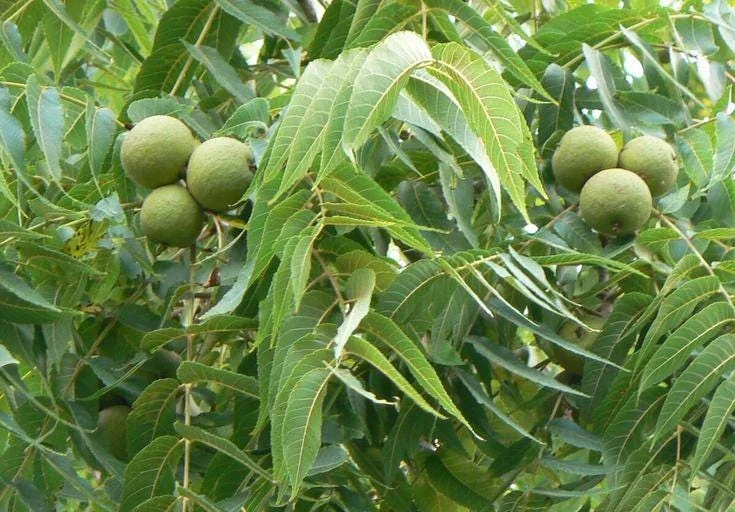
- Delicious, Edible Nuts: The primary draw for many, black walnuts are known for their distinctive, rich flavor. These nuts are excellent for baking, cooking, or simply enjoying as a healthy snack, providing a unique taste profile unmatched by other nuts.
- Valuable Lumber: Beyond its culinary offerings, the Black Walnut tree produces highly sought-after timber. Its dark, straight-grained wood is prized by furniture makers and woodworkers for its beauty and durability, offering a long-term investment.
- Exceptional Hardiness: As a hardy nut tree, the Black Walnut is incredibly resilient, capable of thriving in a wide range of conditions. This makes it a reliable choice for various climates, minimizing the worry of delicate plant care.
- Long-Term Investment: Planting a juglans nigra tree is an investment that appreciates over time, both in terms of nut production and the increasing value of its timber. It’s a legacy tree that can be enjoyed by future generations.
- Ecological Value: Black Walnut trees contribute significantly to local ecosystems, providing shade, improving soil health, and offering habitat for wildlife. They are a responsible choice for enhancing biodiversity in your garden or property.
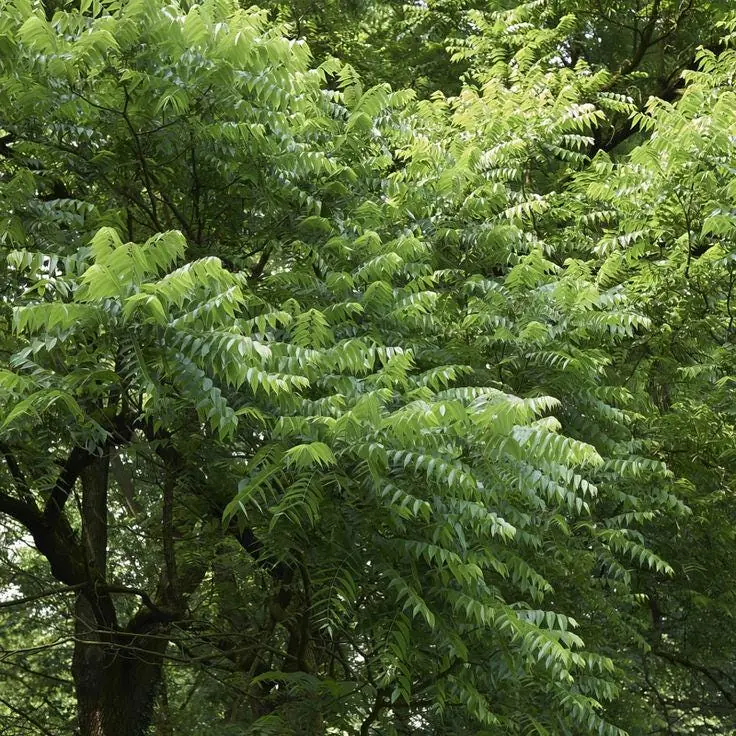
- Aesthetic Appeal: With its broad canopy and attractive foliage, the eastern american black walnut adds significant aesthetic value to any landscape. It provides ample shade and a majestic presence, enhancing the beauty of your outdoor space.
- Self-Pollinating (Partially): While two or more trees are recommended for maximum yield, the Black Walnut is partially self-pollinating, meaning a single tree can still produce some nuts. This flexibility makes it adaptable to various planting scenarios.
Plant Care & Growing Tips
Successfully growing black walnut tree from a bare-root plant requires attention to a few key care aspects. For optimal growth, these trees thrive in full sun, meaning at least 6-8 hours of direct sunlight per day. Choose a location that receives ample light throughout the day, away from competitive root systems of other large trees if possible. When planting your black walnut tree bare root, dig a hole wide enough to accommodate the roots without bending them, and deep enough so the root collar is level with the soil surface.
The Black Walnut prefers deep, well-draining, fertile soils. Loamy soils with a neutral to slightly acidic pH are ideal. While the tree tolerates various soil types, good drainage is crucial to prevent root rot. Water thoroughly after planting and regularly during its first few years, especially during dry periods, to help establish its root system. Once established, this hardy nut tree becomes quite drought-tolerant. Fertilization is generally not necessary in rich soils, but a balanced, slow-release fertilizer can be applied in early spring if soil nutrients are lacking, particularly for younger trees. Keep the area around the base of the tree free of weeds and grass to reduce competition for water and nutrients.
The Black Walnut tree is hardy in USDA zones 4-9, making it suitable for a significant portion of the United States. It can withstand cold winters and hot summers, demonstrating its resilience as a juglans nigra tree. Pruning should focus on removing dead, damaged, or crossing branches to maintain a strong structure and good air circulation. Be aware that Black Walnuts produce juglone, a chemical that can inhibit the growth of certain sensitive plants nearby, so plan your garden layout accordingly. With proper care, your eastern american black walnut will flourish and provide enjoyment for many years.
Size & Details
This offering is for a black walnut tree bare root plant, meaning it is shipped with exposed, soil-free roots, ready for immediate planting upon arrival. Bare-root plants are an economical and effective way to establish new trees, as they typically experience less transplant shock when handled correctly. The size of the bare-root plant will vary but is typically a young sapling, ready to put down strong roots in its new home. The Black Walnut tree is a medium to large deciduous tree, capable of reaching heights of 50-75 feet (15-23 meters) with a spread of similar width at maturity. It exhibits a moderate to fast growth rate once established, adding significant stature to your landscape over time.
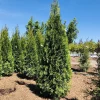
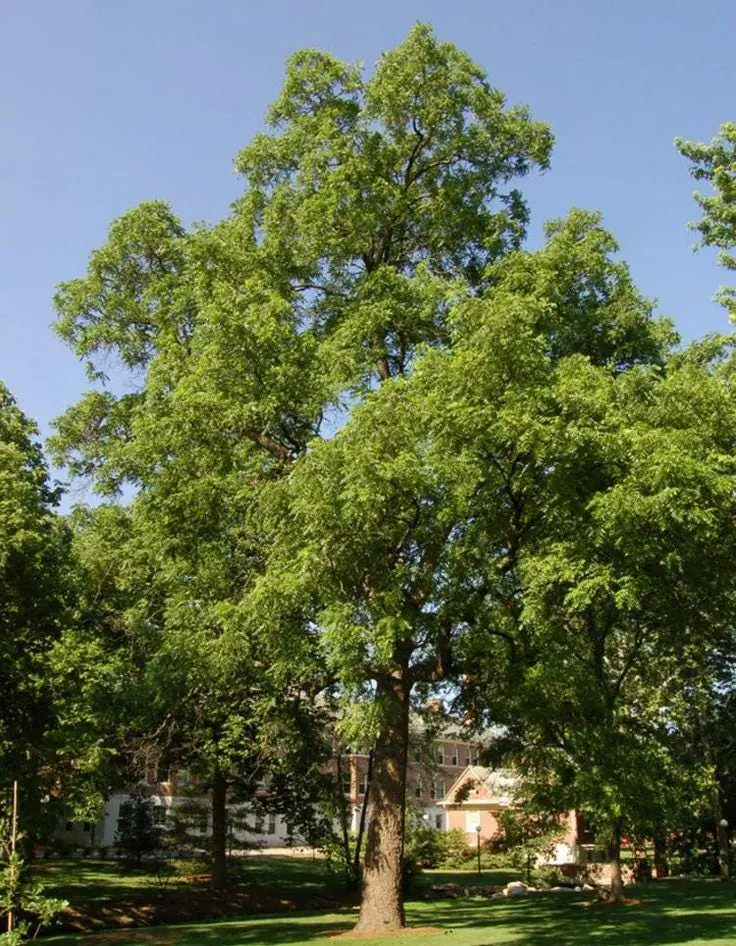
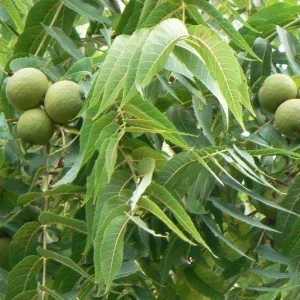
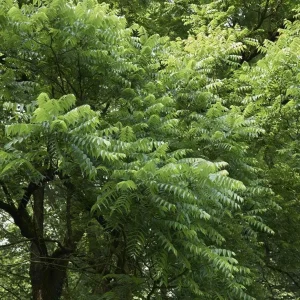
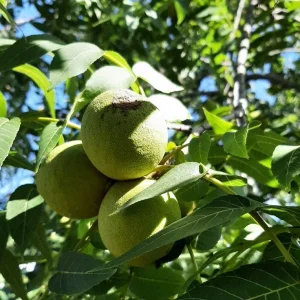
As a long-lived species, a juglans nigra tree can live for well over a century, continuously producing nuts and increasing in timber value. Nuts typically begin to bear anywhere from 12 to 15 years after planting, making it a long-term investment. The product image provided is an example of a mature tree and represents what this species will look like once it reaches its full potential. Each order is carefully packaged to ensure the bare-root plant arrives in excellent condition, protected from environmental stress during transit. Prepare your planting site before your growing black walnut tree arrives to ensure a smooth transition.
Frequently Asked Questions
- Q: How large will the Black Walnut Tree grow? A: A mature black walnut tree bare root can reach impressive heights of 50-75 feet and a similar spread, making it a substantial landscape tree. Its size contributes to its value for both nuts and lumber.
- Q: What is a bare-root plant, and how do I plant it? A: A bare-root plant is shipped without soil around its roots. To plant, soak the roots for a few hours, dig a wide hole, spread the roots, backfill with soil, and water thoroughly. This method helps the tree establish quickly.
- Q: How long does it take for a Black Walnut Tree to produce nuts? A: The juglans nigra tree typically begins to bear nuts anywhere from 12 to 15 years after planting. While it requires patience, the delicious harvest is well worth the wait.
- Q: Is this tree suitable for my climate? A: The Black Walnut is a hardy nut tree, thriving in USDA Hardiness Zones 4-9. Check your local USDA zone to ensure it’s a good fit for your region.
- Q: Do I need more than one tree for nuts? A: While the Black Walnut is partially self-pollinating, planting two or more trees will significantly increase your yield, ensuring a more abundant harvest of nuts from your eastern american black walnut.
- Q: What kind of soil does the Black Walnut Tree prefer? A: This tree prefers deep, well-draining, fertile soils with a neutral to slightly acidic pH. Good drainage is key for healthy root development and overall tree vigor when growing black walnut tree.
- Q: Are Black Walnut trees toxic to other plants? A: Yes, Black Walnuts produce a chemical called juglone, which can be toxic to certain sensitive plants (like tomatoes, blueberries, and apples). Plan your garden layout to accommodate this allelopathic effect.
- Q: How much sun does a Black Walnut Tree need? A: For optimal growth and nut production, a Black Walnut Tree requires full sun, meaning at least 6-8 hours of direct sunlight per day. Choose a sunny location for your planting.
- Q: When is the best time to plant a bare-root Black Walnut Tree? A: Bare-root trees are best planted in late winter or early spring, while they are still dormant. This allows them to establish their roots before the stress of summer heat.
- Q: What kind of care does a young Black Walnut Tree need? A: Young trees need consistent watering, especially during dry spells, and protection from weeds. Ensure adequate sunlight and consider protecting the trunk from pests or rodents.


Reviews
There are no reviews yet.