
Overview
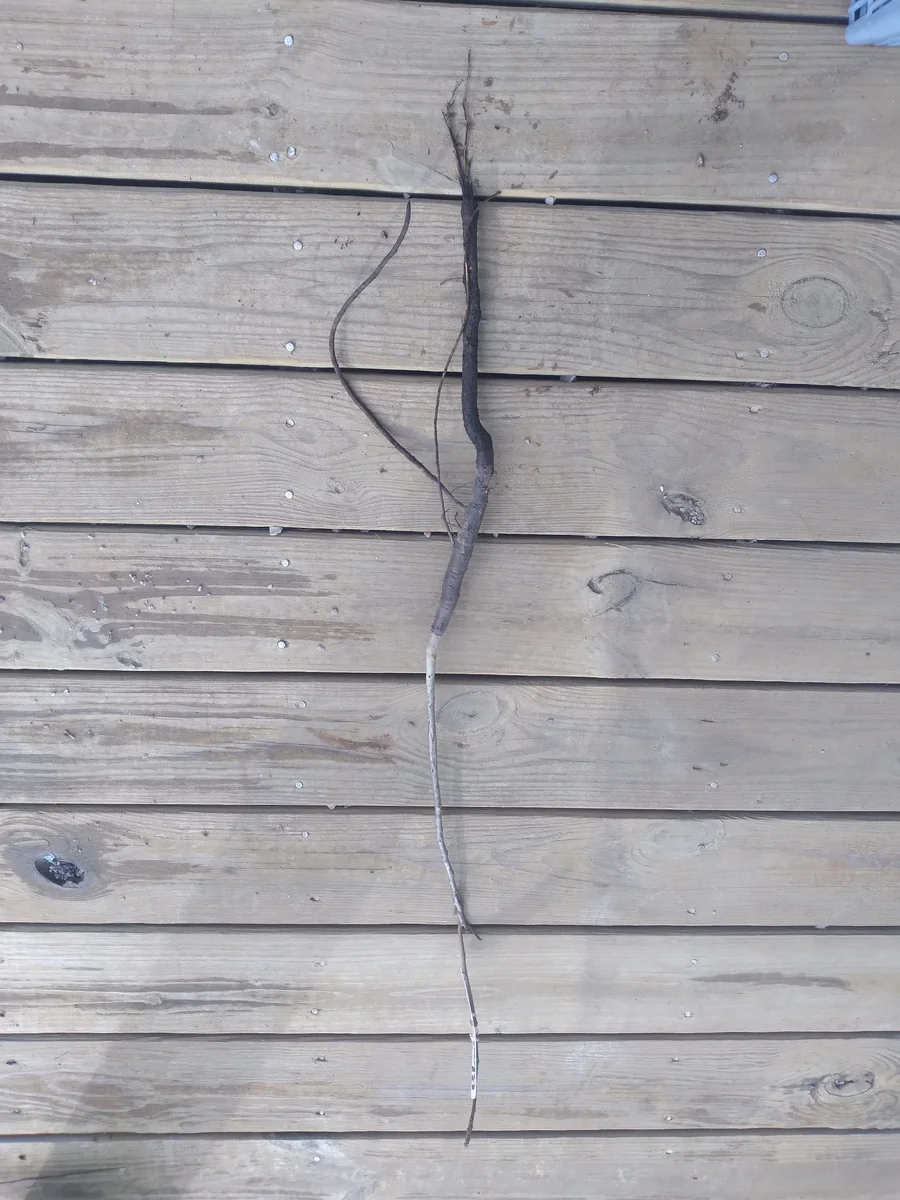
Embark on a rewarding gardening journey with our black walnut tree live plant bare roots. This offering includes two healthy 18-24 inch tall bare root plants, ready to be established in your garden. The black walnut tree live plant, scientifically known as Juglans nigra, is a highly prized deciduous tree native to North America, celebrated for its majestic canopy, valuable timber, and delicious nuts. These immature bare root plants are approximately 1.5 years old, providing a strong foundation for future growth. Ideal for creating significant shade in your yard, the black walnut tree also offers a beautiful display of brilliant yellow foliage in the fall, adding seasonal interest to your landscape. Planting bare root trees while dormant is an excellent way to ensure successful establishment and growth, allowing them to acclimate to their new environment before the active growing season begins.
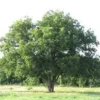
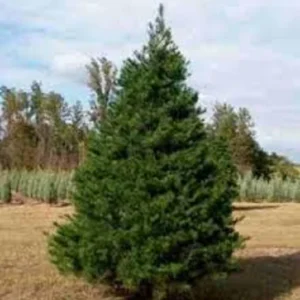
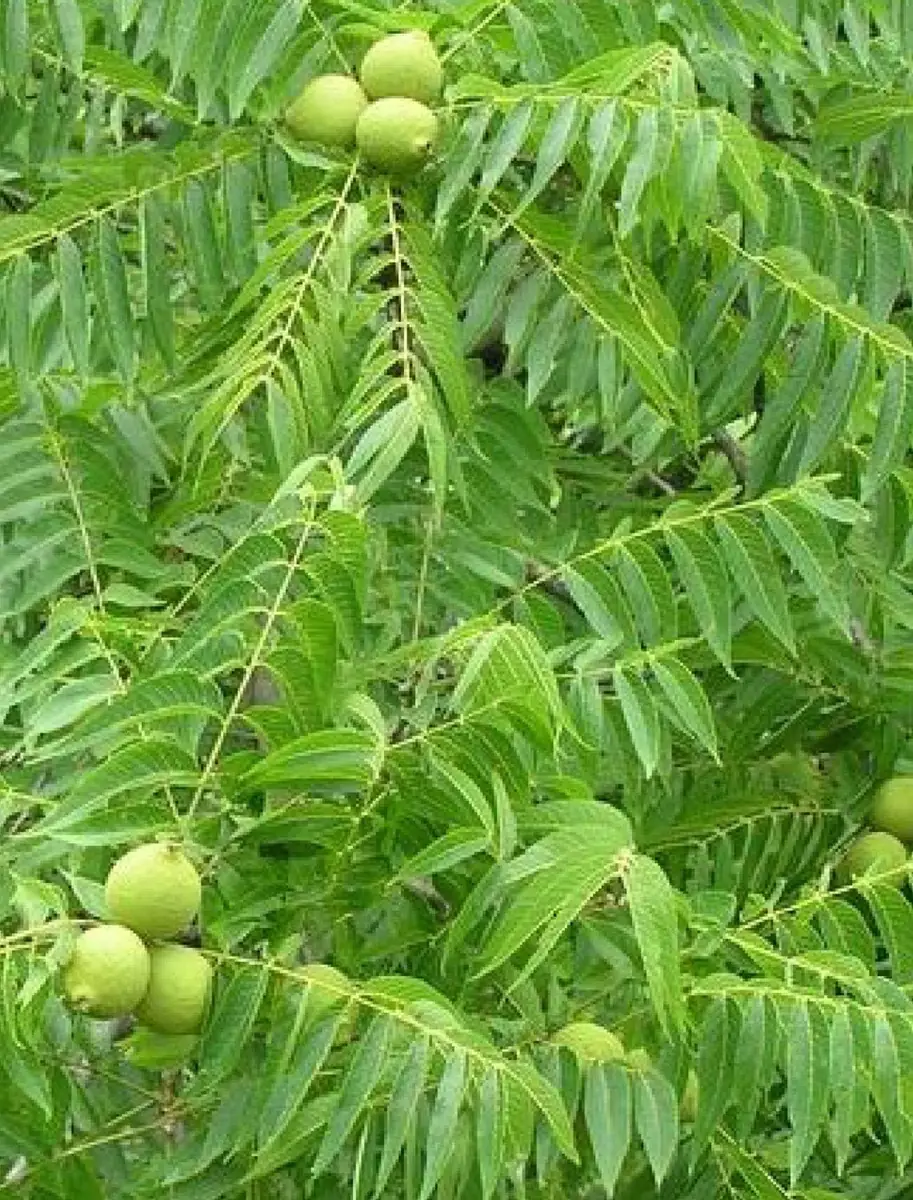
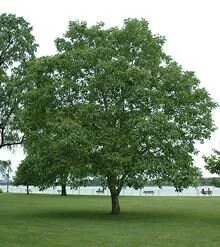
Known for its robust nature and long lifespan, the black walnut tree live plant is a fantastic choice for those looking to invest in their property’s future. It’s not just a tree; it’s an heirloom that can provide generations with shade, beauty, and sustenance. While the provided images showcase mature trees, these young bare roots represent the beginning of that legacy, promising years of natural splendor and productivity.
Key Benefits
The black walnut tree live plant offers a multitude of benefits for both the gardener and the environment. These trees are not only aesthetically pleasing but also contribute to a healthy ecosystem and provide valuable resources.
- Exceptional Shade Provider: As they mature, black walnut tree live plant specimens develop a broad, dense canopy, offering ample shade to cool your home and yard during hot summer months, reducing energy costs and providing comfortable outdoor living spaces.
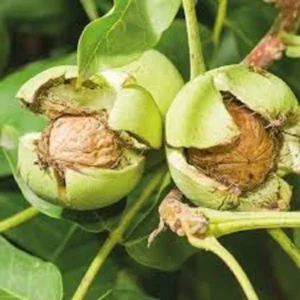
- Nut Production: These trees produce sweet, round nuts that are a culinary delight. Black walnuts are sought after for baking, cooking, and snacking, offering a unique flavor profile and a sustainable food source directly from your garden.
- Stunning Autumn Foliage: In the fall, the green leaves of the black walnut tree live plant transform into a brilliant yellow, creating a spectacular display of seasonal color that enhances any landscape.
- Wildlife Attraction: The nuts produced by these trees are a valuable food source for local wildlife, including squirrels and other small animals, contributing to biodiversity in your garden.
- Long-Term Investment: Black walnut trees are known for their valuable timber, making them a long-term investment that can appreciate in value over decades, in addition to their immediate benefits.
- Hardy and Resilient: These trees are naturally robust and adaptable, thriving across a wide range of climates and requiring relatively low maintenance once established, making them a reliable choice for many gardeners.
- Environmental Contribution: Like all trees, growing black walnut trees helps to improve air quality, sequester carbon, and prevent soil erosion, contributing positively to the local environment.
Plant Care & Growing Tips
Successful establishment and growth of your black walnut tree live plant depend on proper care, especially during its initial years. These bare root plants thrive when planted in well-draining soil in a location that receives full sun to partial shade. Dig a hole wide enough to accommodate the roots spread out naturally, and deep enough so that the root collar is at ground level. Water thoroughly after planting to settle the soil around the roots. While these trees are generally hardy, consistent moisture is crucial during their first growing season to encourage strong root development. Avoid waterlogging, as this can lead to root rot. The ideal planting time for bare root black walnut trees is in early spring while the trees are still dormant.
Black walnut tree care also involves ensuring adequate space for growth. These trees can grow quite large, so choose a site where they won’t be crowded by buildings or other large plants. They are hardy in USDA Zones 4-9, indicating their resilience to a broad spectrum of temperatures. Fertilization is generally not necessary in the first year if the soil is rich, but a balanced slow-release fertilizer can be applied in subsequent years to promote vigorous growth. Pruning should focus on removing dead, damaged, or crossing branches to maintain a strong structure. Be aware that black walnut trees produce juglone, a natural herbicide that can inhibit the growth of certain sensitive plants; plan your garden layout accordingly when growing black walnut trees.
Size & Details
This offering includes two black walnut bare root plants, each measuring approximately 18-24 inches in height. These are 1.5-year-old immature plants, shipped in their dormant state, making them ideal for spring planting. The bare root format allows for easy handling and efficient establishment when planted correctly. While images of mature trees are provided for reference, these young plants represent the beginning of a magnificent growth journey. Black walnut trees are known for their moderate to fast growth rate, typically adding 1-2 feet per year once established. At maturity, they can reach impressive heights of 50-75 feet with a spread of 50-75 feet, forming a majestic, rounded canopy. The trees will begin producing nuts after approximately 7-10 years, with significant yields typically starting around 15-20 years. These plants are shipped without leaves, as is typical for bare root stock, and are ready for immediate planting upon arrival.
Frequently Asked Questions
- Q: How big do these black walnut trees get? A: At maturity, Juglans nigra can reach heights of 50-75 feet and have a similar spread, creating a large, majestic canopy. The bare root plants included in this offer are 18-24 inches tall.
- Q: Is this an indoor or outdoor plant? A: The black walnut tree live plant is an outdoor tree, requiring ample space and natural conditions to thrive. It is not suitable for indoor cultivation.
- Q: How much sunlight does a black walnut tree need? A: Black walnut trees prefer full sun to partial shade, meaning they should receive at least 6 hours of direct sunlight per day for optimal growth and nut production.
- Q: Is this plant easy to care for? Is it good for beginners? A: Once established, growing black walnut trees are relatively low maintenance. The initial planting and establishment phase for bare roots requires careful attention, but with a good planting guide, it can be managed by enthusiastic beginners.
- Q: What condition will the plants arrive in? A: These are bare root plants, meaning they will arrive without soil and dormant (without leaves or active growth) as is typical for healthy bare root stock. They are approximately 1.5 years old.
- Q: When is the best time to plant black walnut bare root trees? A: The optimal time for planting black walnut bare root trees is in early to mid-spring, after the last hard frost, while the trees are still dormant.
- Q: Will it survive winter in my zone? A: Yes, the black walnut tree live plant is hardy in USDA Zones 4-9, meaning it can tolerate a wide range of winter temperatures within these zones.
- Q: How long until the trees produce nuts? A: Black walnut trees typically begin producing nuts after 7-10 years, with more significant yields usually occurring after 15-20 years of growth.
- Q: What kind of soil is best for black walnut trees? A: Black walnut trees prefer deep, fertile, moist, and well-draining soil. They can tolerate a variety of soil types but perform best in loamy soils.
- Q: What is juglone and how does it affect other plants? A: Juglone is a natural chemical produced by Juglans nigra that can inhibit the growth of certain sensitive plants (such as tomatoes, blueberries, and apple trees). Consider this when planning companion plantings.


Reviews
There are no reviews yet.