
Overview
Introduce the majestic Black Walnut Tree bare root plant to your garden. This listing provides two healthy 18-24 inch bare root trees, ready to be planted and nurtured into magnificent specimens. The Black Walnut Tree (scientific name: Juglans nigra) is renowned for its rapid growth, providing excellent shade and producing highly prized nuts. These immature plants, shipped dormant in winter, are perfect for gardeners looking to establish long-term landscape features. Growing your own Black Walnut Tree offers both aesthetic beauty with its vibrant yellow fall foliage and the practical benefit of a delicious harvest.
Known for its robust nature, the Black Walnut Tree bare root is an ideal choice for many climates. These trees are typically 1 1/2 years old when shipped, ensuring they establish well when planted during their dormant phase. As they mature, they will become a focal point in any yard, contributing significantly to the ecosystem and providing a valuable food source.
Key Benefits
Adding a Black Walnut Tree bare root to your property offers a multitude of advantages, enhancing both the utility and beauty of your outdoor space. These strong, resilient trees are an investment in your landscape.
- Excellent Shade Provider: As the Black Walnut Tree matures, it develops a broad canopy, creating a wonderful natural shade spot in your yard, perfect for relaxation during hot summer days.
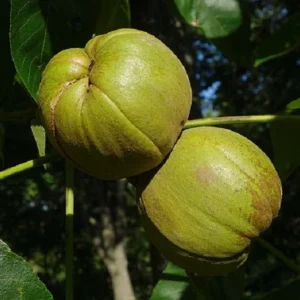
- Edible Nut Production: Enjoy harvesting your own sweet, round black walnuts. These nuts are a delicious and nutritious addition to baked goods, salads, or enjoyed on their own.
- Stunning Fall Color: In autumn, the green leaves of the Black Walnut Tree transform into a brilliant yellow, adding a spectacular display of color to your landscape.
- Wildlife Attraction: The nuts produced by these trees are a valuable food source for local wildlife, contributing to biodiversity in your garden.
- Durable Hardwood: Black walnut wood is highly valued for its strength and beauty, making it a long-term asset should you ever need to harvest it.
- Adaptable Growth: These trees are hardy and can adapt to a range of soil types and conditions, making them relatively easy to grow once established.
- Long Lifespan: A Black Walnut Tree can live for many decades, providing enjoyment and benefits for generations to come.
Plant Care & Growing Tips
Caring for your Black Walnut Tree bare root plants is straightforward, especially when planted correctly. These trees thrive with adequate sunlight and proper soil conditions. It’s crucial to plant bare root trees while they are dormant, typically in early spring before new growth begins, or in late fall after leaves have dropped. Dig a hole wide enough to spread the roots without bending them, and deep enough so that the root collar (where the roots meet the trunk) is level with or slightly above the ground. Backfill with native soil, gently tamping to remove air pockets, and water thoroughly.
For optimal growth, the Black Walnut Tree prefers full sun exposure, meaning at least 6-8 hours of direct sunlight per day. They thrive in rich, well-draining soil, but are adaptable to various soil types, including loamy, sandy, or clay soils, as long as they are not waterlogged. Consistent moisture is important during the first few years of establishment, especially during dry periods. Once established, they are more drought-tolerant. Fertilization can be done in the spring with a balanced slow-release fertilizer designed for trees, but avoid over-fertilizing immature plants. Pruning should focus on removing dead, damaged, or crossing branches to maintain a strong structure. Understanding how to grow Black Walnut Tree successfully involves patience and providing the right environmental conditions.
Size & Details
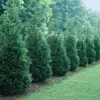
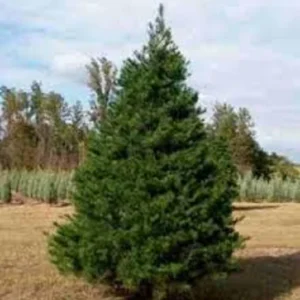
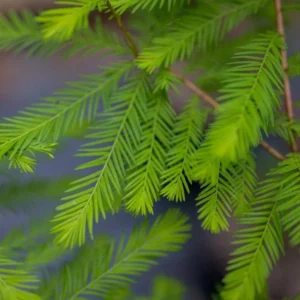
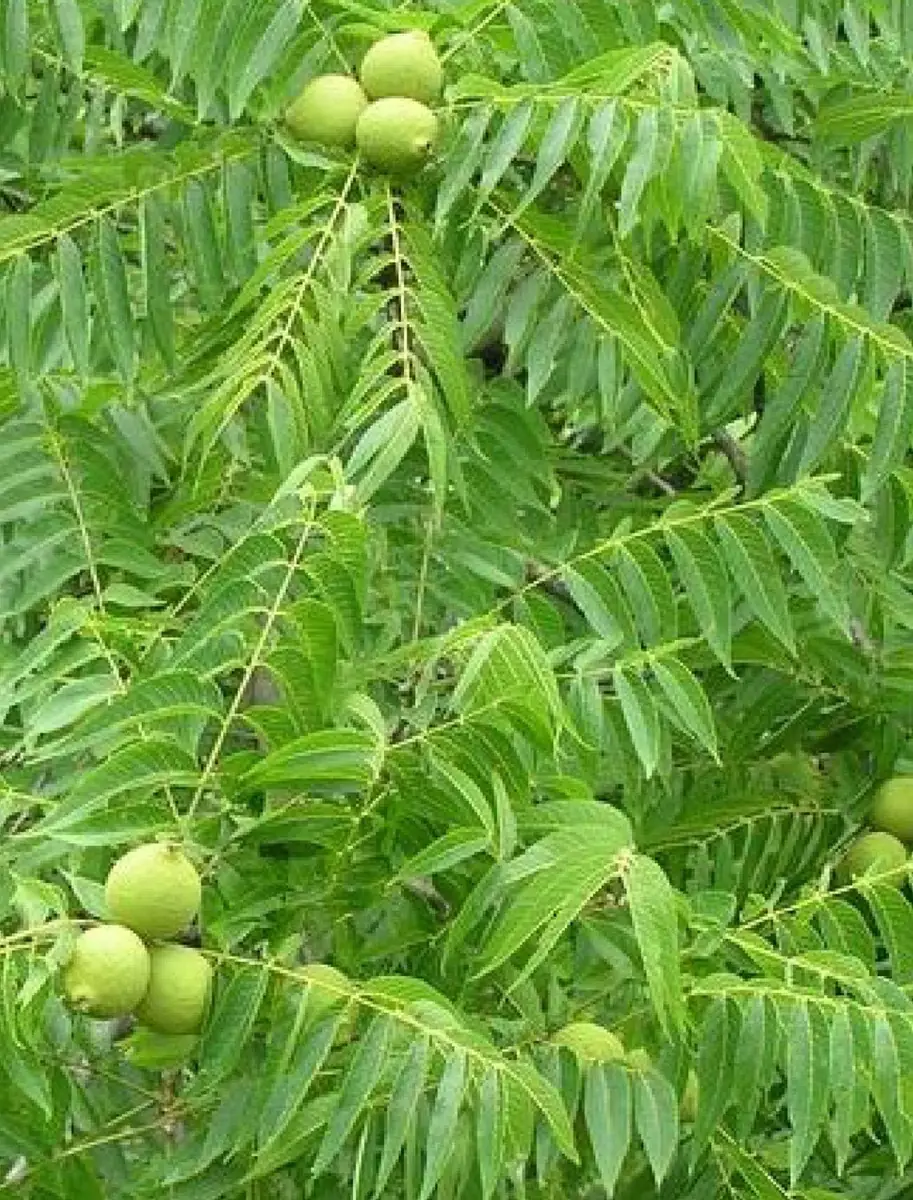
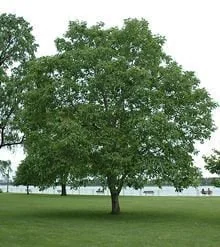
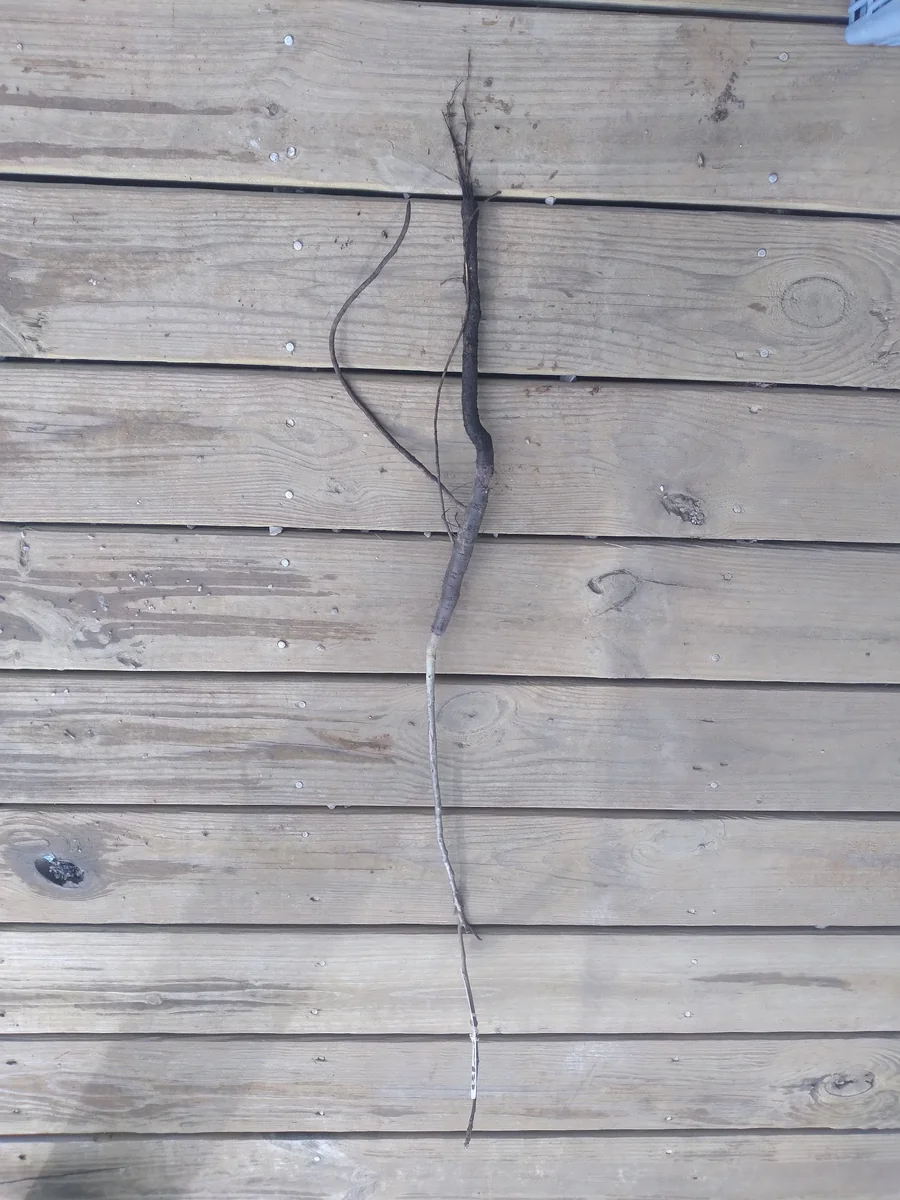
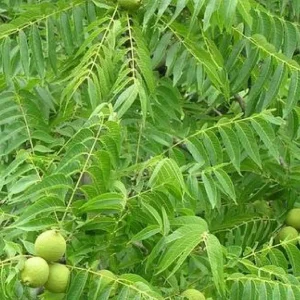
This offering includes two Black Walnut Tree bare root plants, each measuring approximately 18-24 inches in height. These are immature plants, typically 1 1/2 years old, and are shipped as bare roots, meaning they arrive without soil around their roots, making them lightweight and easy to plant. The images provided are of mature plants and are for reference only, illustrating the potential of these young trees. Your plants may be in different stages of growth upon arrival and may differ slightly from the image shown. In winter, all plants will ship dormant, without leaves, which is the ideal state for planting bare roots. The Black Walnut Tree bare root is designed to establish quickly when planted during dormancy. With proper care, these trees will grow into impressive specimens, reaching mature heights of 50-75 feet with a spread of 50-75 feet, eventually producing their characteristic nuts. The growth rate is considered medium to fast.
Frequently Asked Questions
- Q: How big do these Black Walnut Tree bare root plants get? A: These bare root plants are 18-24 inches tall upon arrival. Mature Black Walnut Tree bare root can reach heights of 50-75 feet with a similar spread, becoming impressive shade trees.
- Q: Is this an indoor or outdoor plant? A: The Black Walnut Tree is an outdoor plant, best suited for large landscapes where it has ample space to grow and develop. It is not suitable for indoor cultivation.
- Q: How much sunlight does the Black Walnut Tree need? A: Black Walnut Trees require full sun exposure, meaning at least 6-8 hours of direct sunlight daily, to thrive and produce nuts.
- Q: Is this plant easy to care for? A: Once established, the Black Walnut Tree is relatively low-maintenance. The initial planting and establishment phase for bare root trees requires careful attention to watering and site selection.
- Q: What condition will the bare root trees arrive in? A: The trees will arrive as dormant, healthy bare root plants, without leaves, especially if shipped during the cooler months. This is the optimal condition for planting bare roots.
- Q: How long until the Black Walnut Tree produces nuts? A: Black Walnut Trees typically begin producing nuts within 7-10 years after planting, with significant production occurring after 15-20 years.
- Q: When is the best time to plant a Black Walnut Tree bare root? A: The optimal time to plant bare root Black Walnut Trees is in early spring after the last frost, or in late fall after the leaves have dropped and the tree has entered dormancy.
- Q: What USDA Hardiness Zones are suitable for the Black Walnut Tree? A: The Black Walnut Tree bare root is hardy in USDA Zones 4-9, making it suitable for a wide range of climates across the United States.
- Q: What kind of soil does a Black Walnut Tree prefer? A: It prefers deep, moist, rich, well-draining soil but can tolerate a variety of soil types, including sandy or clay, as long as drainage is adequate.
- Q: Can I expect fall color from these trees? A: Yes, as your Black Walnut Tree matures, its foliage will turn a beautiful brilliant yellow in the fall, providing seasonal interest to your landscape.


Reviews
There are no reviews yet.