Overview
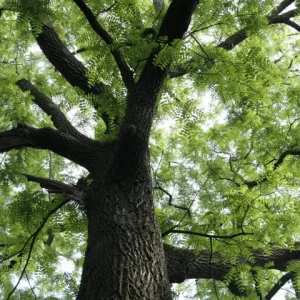
Introduce a magnificent addition to your landscape with our premium black walnut tree live plant. This offering features a healthy young Juglans nigra tree, approximately 12-18 inches tall, provided in a convenient 4-inch pot. The black walnut tree is a highly prized deciduous tree native to eastern North America, celebrated for its delicious nuts, exceptional timber, and impressive stature. When given ample space to grow, these trees can reach heights of up to 75 feet with a broad, spreading crown, creating a stunning focal point in any garden or estate. Planting a black walnut tree live plant offers the dual benefit of a beautiful ornamental tree and a valuable source of edible nuts and high-quality wood. These trees are self-fertile but benefit greatly from cross-pollination by wind, making it advisable to plant more than one for a more abundant nut crop.
The black walnut tree is not just a producer of valuable resources; it’s also a tree of significant ecological benefit. Its robust root system helps with soil stabilization, and its dense canopy provides excellent shade. This particular offering provides a robust start for anyone interested in growing black walnut, whether for personal enjoyment of its nuts, for future timber harvest, or simply for its aesthetic appeal. With proper care, your young tree will establish quickly and begin its journey towards maturity, offering beauty and bounty for generations.
Key Benefits
The black walnut tree live plant offers a multitude of advantages for the discerning gardener and homeowner:
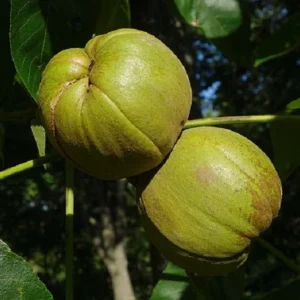
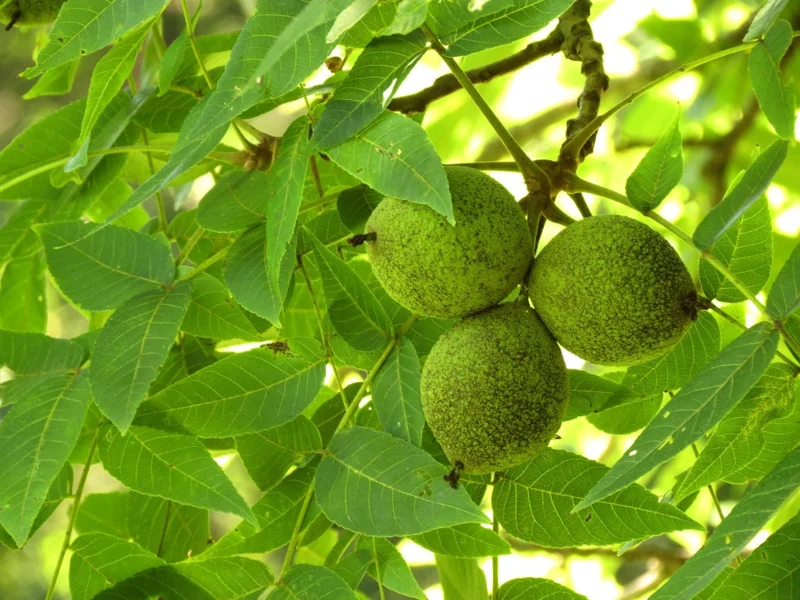
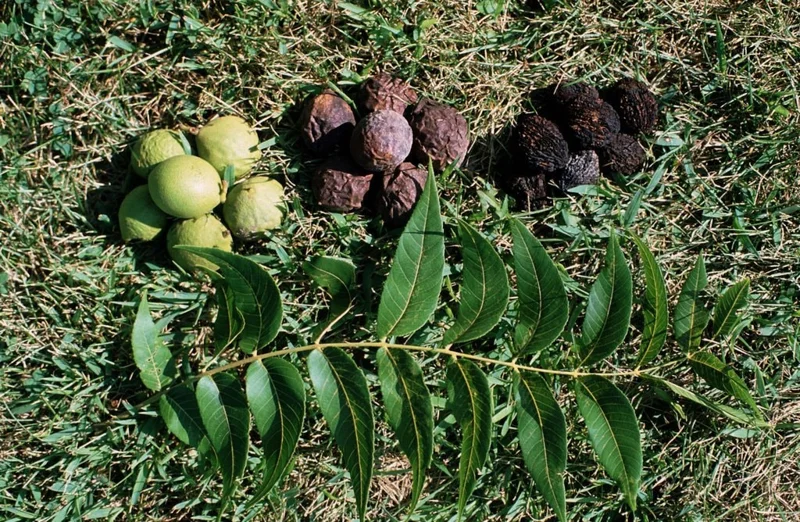
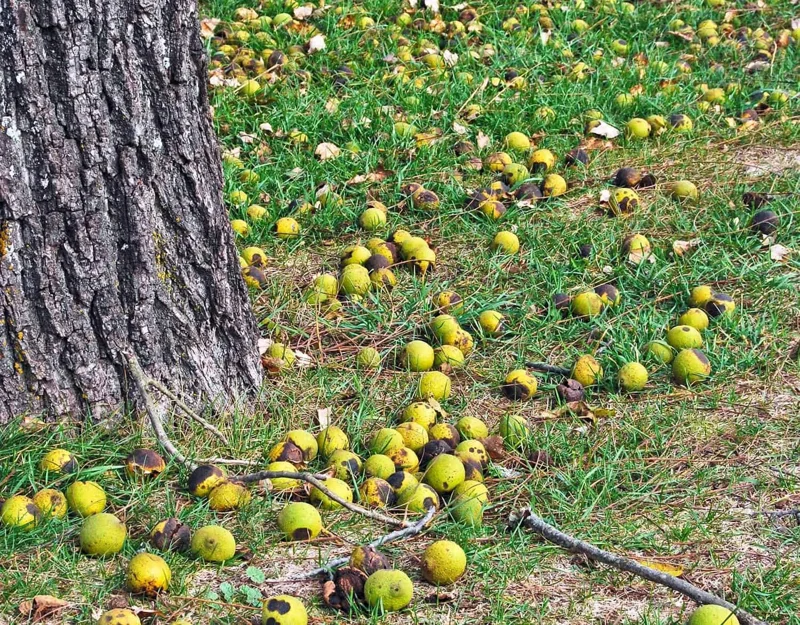
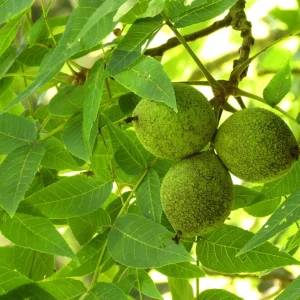
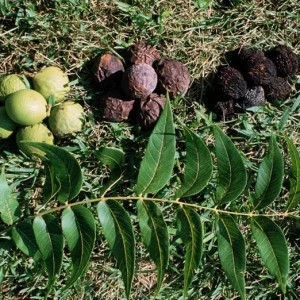
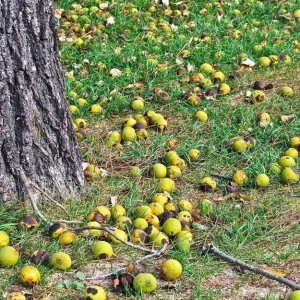
- Valuable Nut Production: Enjoy a harvest of delicious and nutritious black walnuts in early to mid-autumn. These nuts are highly sought after for baking, cooking, and snacking, providing a sustainable food source directly from your garden.
- Exceptional Timber Value: The wood of the black walnut tree is renowned for its handsome grain, durability, and rich color, making it one of the most prized hardwoods for furniture, cabinetry, and other woodworking projects. Planting these trees can be a long-term investment.
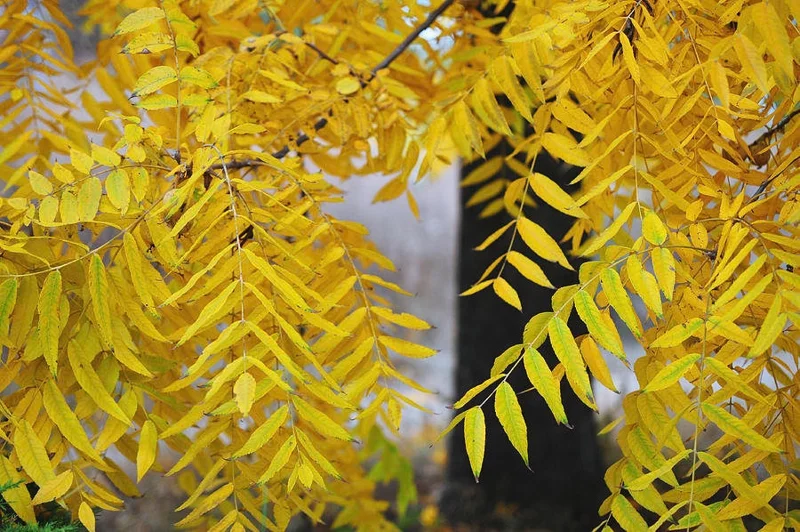
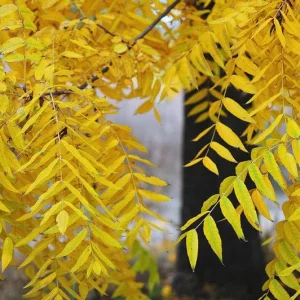
- Stunning Fall Foliage: Experience a vibrant display of yellow foliage in the fall, adding a splash of seasonal color to your landscape before the leaves drop for winter. This makes the tree an attractive ornamental choice.
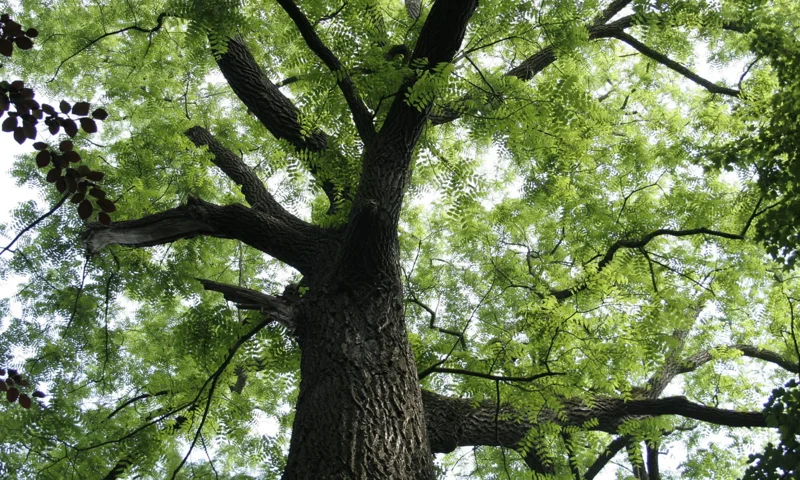
- Significant Shade Provider: With its mature size and wide-spreading canopy, a well-established black walnut tree offers substantial shade, creating a cool and comfortable outdoor living space during warm summer months.
- Ecological Contributions: Beyond its direct benefits to humans, the juglans nigra tree supports local wildlife, providing food for squirrels and other animals, and contributing to biodiversity in your area.
- Long-Lived and Hardy: Black walnut trees are known for their longevity and resilience, thriving in a wide range of conditions and providing beauty and resources for many decades. This makes growing black walnut a rewarding long-term endeavor.
- Impressive Landscape Specimen: Its stately presence and broad canopy make it an ideal specimen tree for large yards, parks, or open fields, creating a grand and established look.
Plant Care & Growing Tips
To ensure your black walnut tree live plant thrives, understanding its specific care requirements is essential. Black walnuts prefer a location that receives full sun, meaning at least 6 hours of direct sunlight each day. While they can tolerate some partial shade, optimal growth and nut production occur in sunny conditions. When considering black walnut tree care, proper site selection is paramount. Ensure the planting site has good air circulation and is not prone to standing water.
These trees prefer deep, fertile, well-draining soil with a neutral to slightly alkaline pH. Avoid heavy clay soils or excessively sandy soils. Regular watering is crucial during the first few years after planting to help the tree establish a strong root system. Once established, black walnuts are relatively drought-tolerant but will benefit from supplemental watering during prolonged dry spells, especially when nuts are developing. Fertilization can be beneficial, particularly for young trees. A balanced, slow-release fertilizer applied in early spring can promote healthy growth. Mature trees generally require less fertilization. Keep the area around the base of the tree free of weeds and grass to reduce competition for nutrients and water.
The juglans nigra tree is hardy in USDA zones 4-9, demonstrating its adaptability to a broad range of climates. Pruning should focus on removing dead or diseased branches and shaping the tree for structural integrity and air circulation. Early training to develop a strong central leader is beneficial for timber production. Be aware of juglone, a chemical produced by black walnut roots that can inhibit the growth of certain sensitive plants. Plan your garden accordingly, choosing juglone-tolerant plants to grow near your nut bearing trees. Protecting young trees from deer and other wildlife can also be important for their initial establishment.
Size & Details
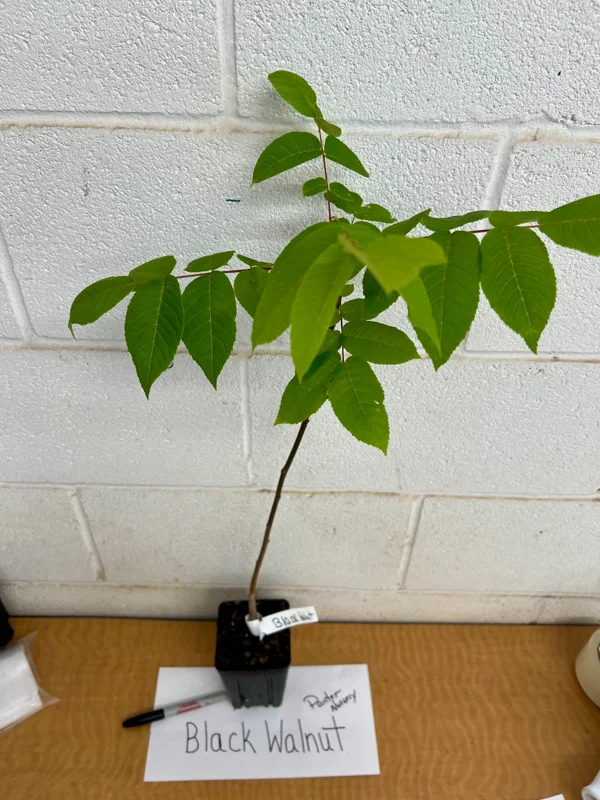
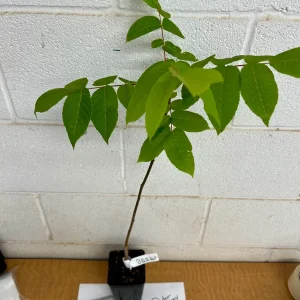
This offering is for one healthy black walnut tree live plant, supplied in a 4-inch nursery pot. Each tree stands approximately 12-18 inches tall from the base of the pot. These young trees are ready to be transplanted into your garden or a larger container upon arrival, providing a solid foundation for future growth. When mature, the black walnut tree (Juglans nigra) can reach impressive heights of 75 feet or more, with a spreading canopy that can be nearly as wide as the tree is tall. Its growth rate is moderate, allowing you to watch its development over the years.
The trees are self-fertile but require wind for pollination, so planting multiple trees is recommended for a better nut crop. Expect your mature tree to yield a ripened nut crop in early to mid-autumn. The wood from these trees is highly prized for its handsome grain and durability, making it a valuable long-term asset. This black walnut tree live plant is an excellent choice for those looking to invest in a long-lived, productive, and aesthetically pleasing tree for their property.
Frequently Asked Questions
- Q: How big does this plant get? A: This black walnut tree live plant is currently 12-18 inches tall in a 4-inch pot. When mature, a black walnut tree can reach heights of 75 feet or more with an equally wide spread, making it a truly majestic landscape tree.
- Q: What size pot does it come in? A: The black walnut tree live plant is shipped in a 4-inch nursery pot, providing a good start for its root system. It will need to be transplanted to a larger container or directly into the ground upon arrival.
- Q: Is this an indoor or outdoor plant? A: The juglans nigra tree is an outdoor tree. It requires ample space and sunlight to reach its full potential and is not suitable for long-term indoor cultivation. It is hardy in USDA Zones 4-9.
- Q: How much sunlight does it need? A: Black walnut trees thrive in full sun, meaning they should receive at least 6 hours of direct sunlight every day. Adequate sunlight is crucial for vigorous growth and optimal nut production.
- Q: Is this plant easy to care for? A: Once established, black walnut tree care is relatively low-maintenance. Young trees require consistent watering and protection from weeds, but mature trees are quite resilient and hardy, making growing black walnut a rewarding experience for most gardeners.
- Q: What condition will it arrive in? A: Your black walnut tree live plant will arrive healthy and carefully packaged to ensure its safe journey. It will be a young, actively growing specimen ready for planting.
- Q: When is the best time to plant a black walnut tree? A: The best time to plant a nut bearing tree like the black walnut is in spring or early fall, allowing the roots to establish before extreme temperatures.
- Q: Will it survive winter in my zone? A: Black walnut trees are very hardy and can survive winters in USDA Zones 4-9. If you are within these zones, your tree should tolerate winter conditions well once established.
- Q: Do I need to plant more than one tree for nuts? A: While black walnut trees are self-fertile, they rely on wind for pollination. Planting more than one tree significantly increases the chances of successful pollination and a more abundant nut crop.
- Q: What are the main uses for a black walnut tree? A: The primary uses for a black walnut tree are for its valuable timber, highly prized for woodworking, and for its edible, delicious nuts, which ripen in early to mid-autumn.


Reviews
There are no reviews yet.