Overview
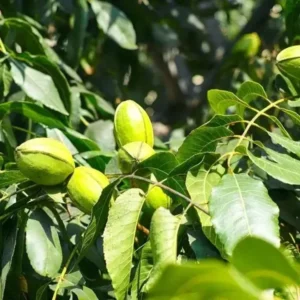
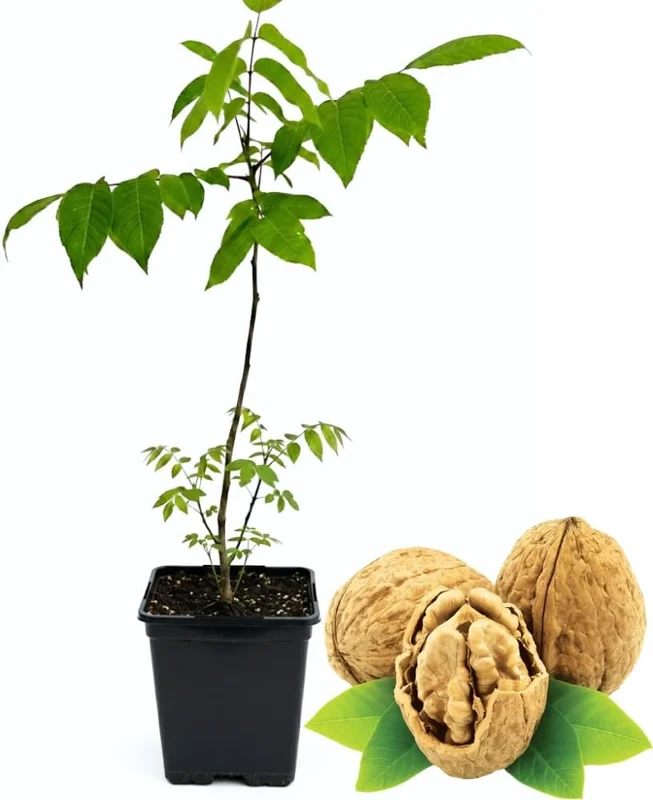
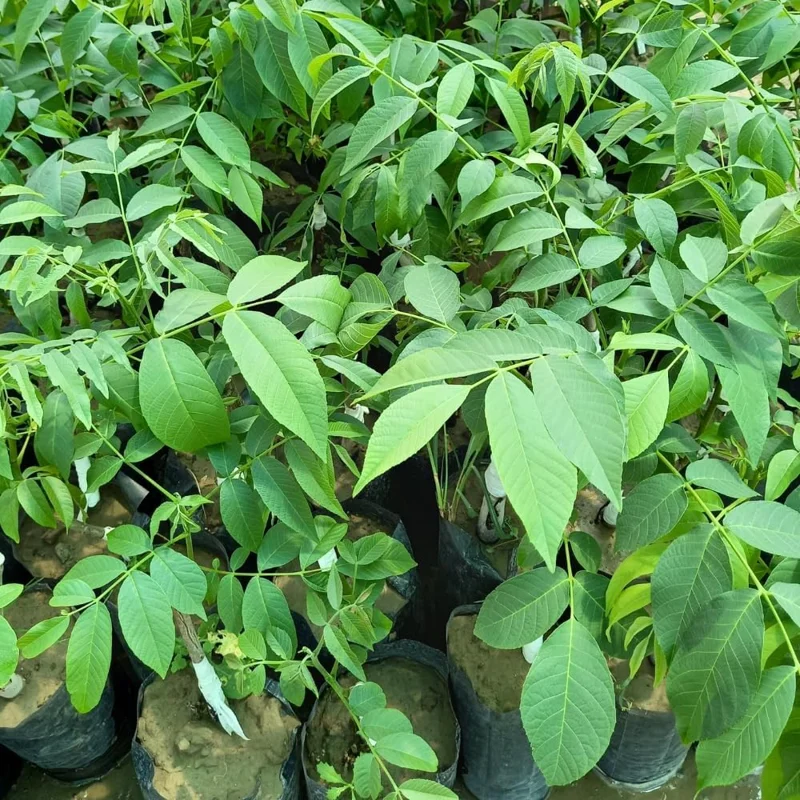
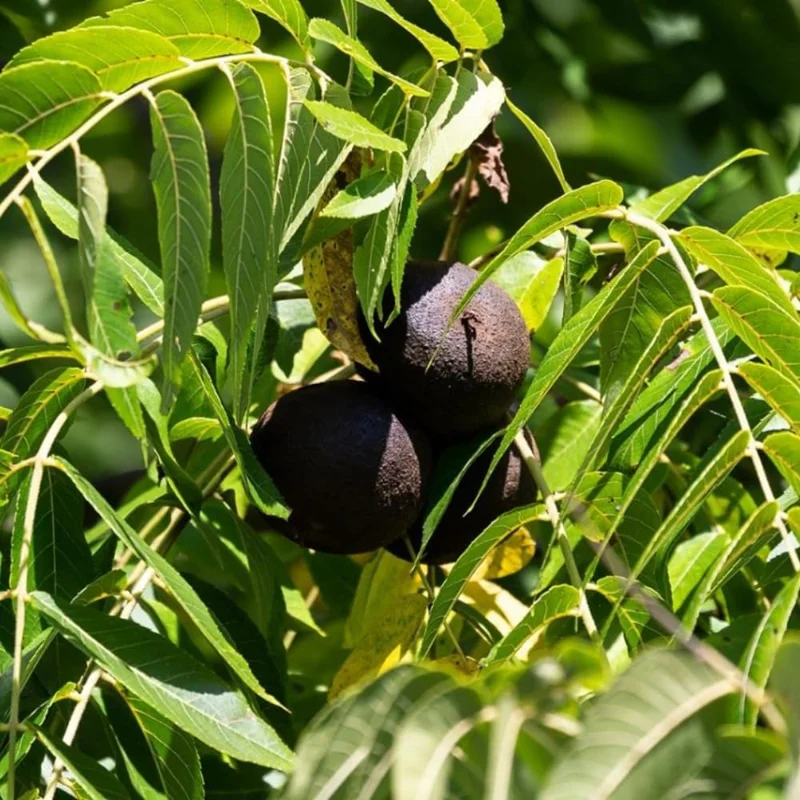
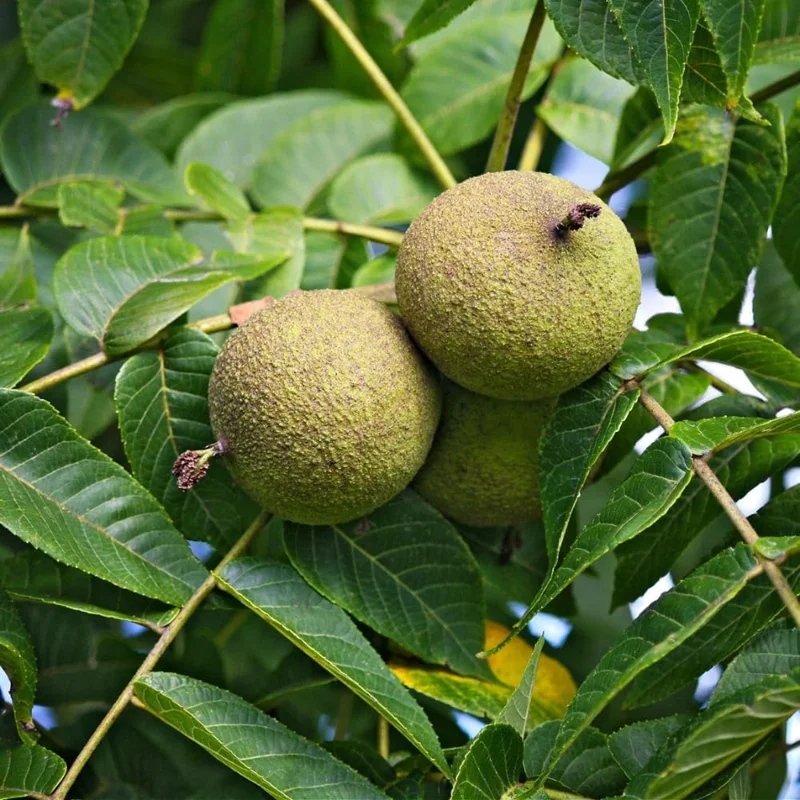
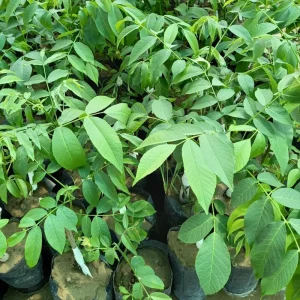
Bring the grandeur of nature to your property with a black walnut tree live plant. This robust and resilient tree, scientifically known as Juglans nigra, is a highly sought-after species renowned for its valuable timber, edible nuts, and ecological benefits. Our offering is a young, vigorous 1-year-old plant, carefully nurtured in a 4-inch pot, ready for outdoor planting. The black walnut tree live plant is an excellent choice for those looking to establish a long-term investment in their landscape, offering both aesthetic appeal and practical benefits. Known for its impressive mature size and hardiness, it’s a staple in many American landscapes.
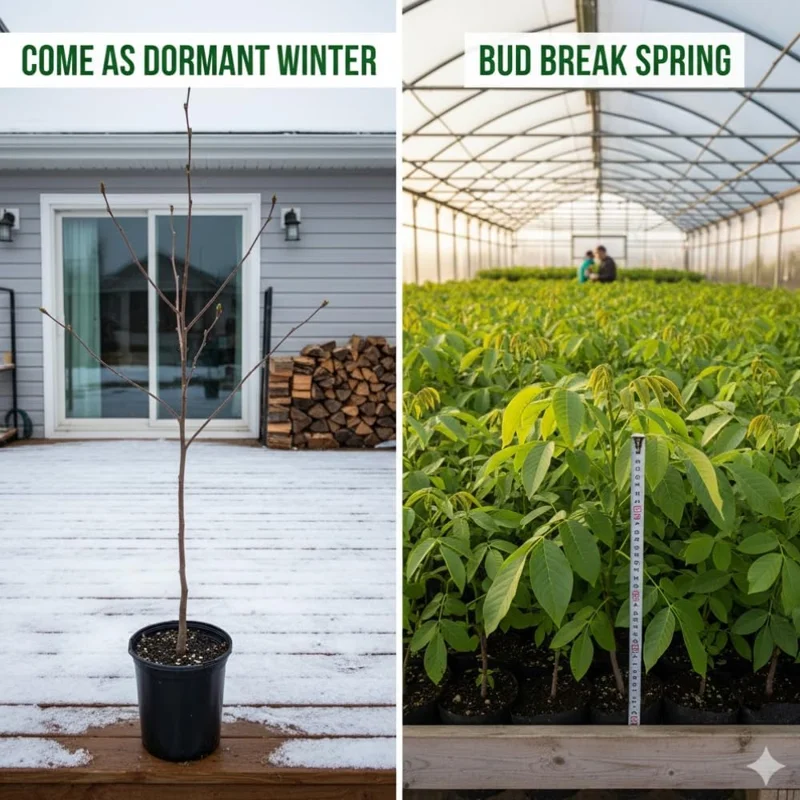
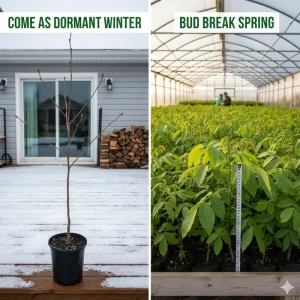
The black walnut tree live plant is celebrated for its rapid growth rate and ability to adapt to various soil conditions, making it a versatile addition to diverse environments. While it may arrive dormant without leaves in winter, this is a natural and healthy state, indicating a strong focus on root development. With proper care, you can expect lush foliage to emerge in spring and summer, signaling vigorous growth. This hardy species is a fantastic option for creating shade, attracting wildlife, and even producing delicious walnuts once mature. Enhance your outdoor space with this magnificent and beneficial tree.
Key Benefits
A black walnut tree live plant offers a multitude of advantages for any property owner. From its ecological contributions to its economic value, this tree is a truly rewarding investment. Embrace the benefits of cultivating this impressive species:
- Fast-Growing & Cold-Hardy: This tree exhibits a rapid growth rate and exceptional tolerance to cold temperatures, making it suitable for a wide range of climates across USDA Zones 4–9. It quickly establishes itself, providing shade and beauty sooner.
- Drought-Tolerant: Once established, the black walnut tree live plant is remarkably drought-tolerant, requiring less frequent watering and making it a sustainable choice for many landscapes. This resilience reduces maintenance efforts.
- Adaptable to Various Soil Types: It thrives in a variety of soil conditions, showcasing its versatility. While it prefers moist, rich, well-drained soils, it can adapt to less ideal environments, ensuring successful planting in diverse locations.
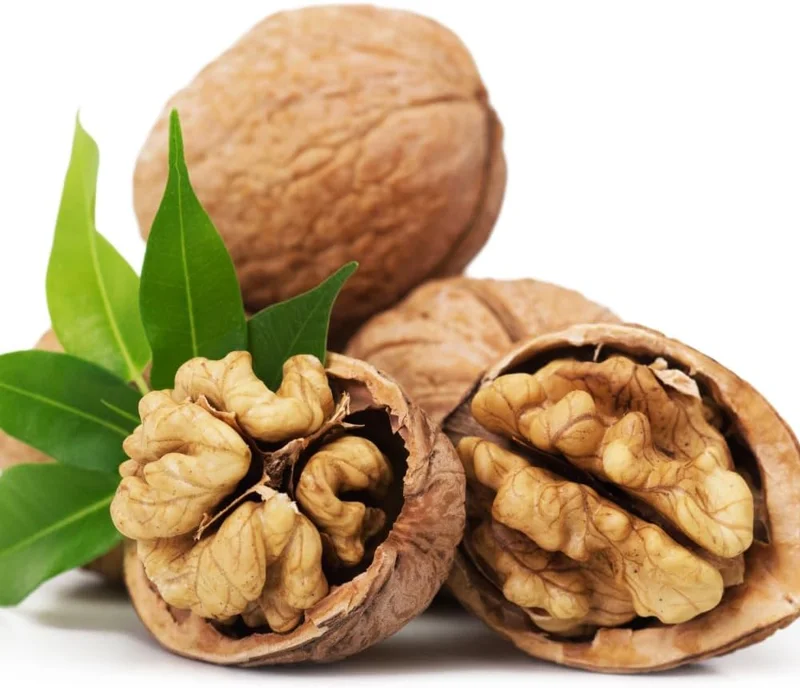
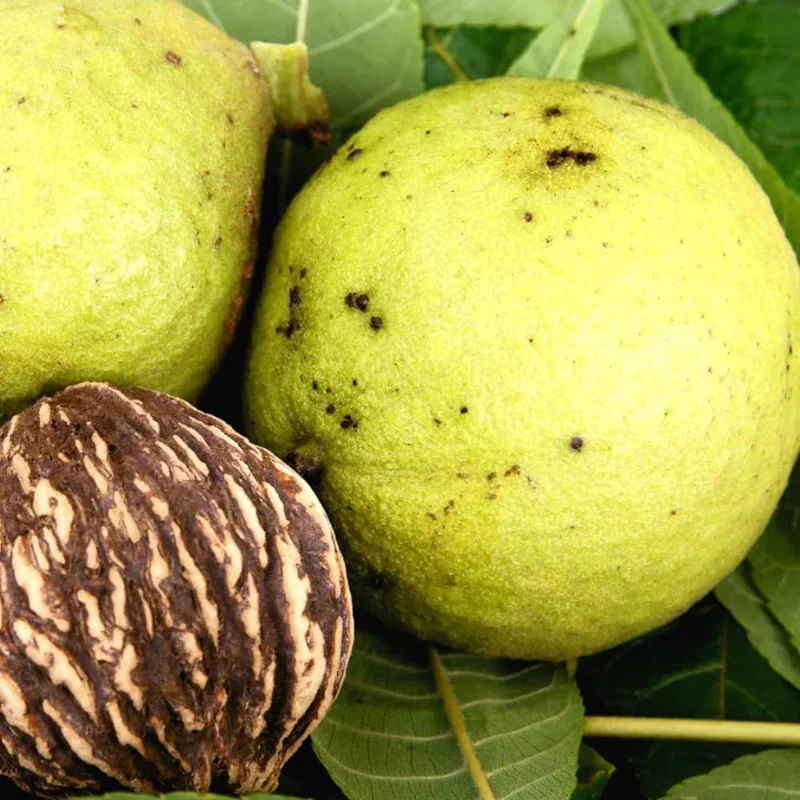
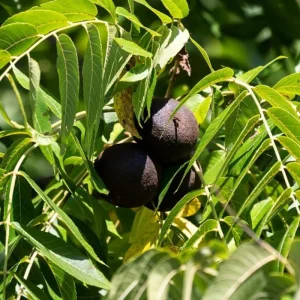
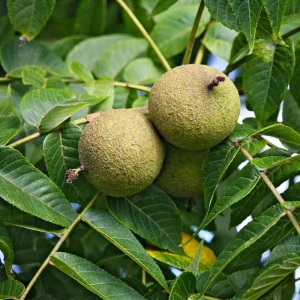
- Valuable Timber & Edible Nuts: Beyond its ornamental appeal, the black walnut tree is prized for its high-quality timber and delicious, nutritious nuts. It represents a long-term asset, offering both immediate and future returns.
- Ecological Benefits: As a native species, it provides critical habitat and food sources for local wildlife, contributing to biodiversity. Planting this tree supports a healthy ecosystem on your property.
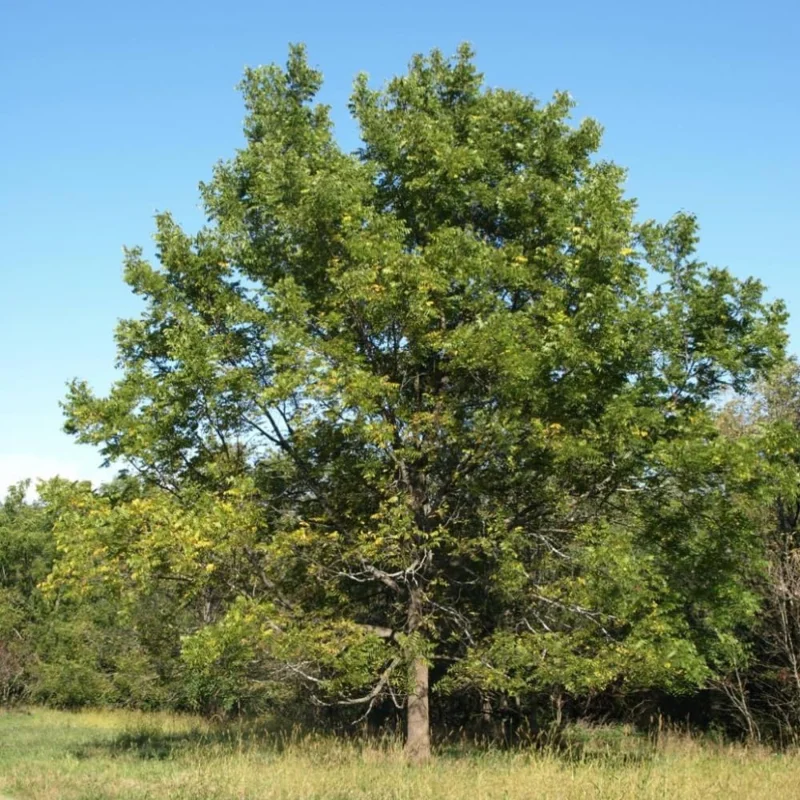
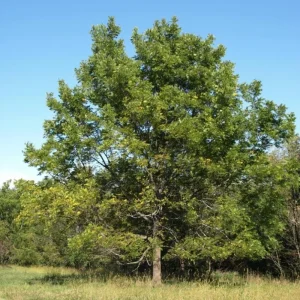
- Impressive Mature Size: Reaching mature heights of 50–75 feet tall and equally wide, it creates a significant presence in the landscape, offering substantial shade and a majestic appearance. This makes it ideal for large properties and farms.
- Low Maintenance: After its initial establishment phase, the black walnut tree live plant requires minimal ongoing care, making it an excellent choice for those seeking a grand yet easy-to-manage tree.
Plant Care & Growing Tips
Caring for your black walnut tree live plant is straightforward, especially given its natural hardiness and adaptability. To ensure optimal growth, understanding its basic needs is crucial. This tree thrives in full sun exposure, requiring at least 6 hours of direct sunlight daily to promote robust growth and nut production. While young trees may benefit from some afternoon shade in extremely hot climates, mature trees prefer uninhibited sunlight. Ensure the planting site offers ample space for its extensive root system and wide canopy.
When it comes to soil, the growing black walnut tree prefers deep, fertile, moist, and well-drained loamy soils. However, it is quite adaptable and can tolerate a range of soil types, including sandy and clay soils, as long as they are not waterlogged. Good drainage is paramount to prevent root rot. Watering should be consistent during the first few years after planting, especially during dry periods, to help the tree establish a strong root system. Once established, the tree becomes highly drought-tolerant, requiring less supplemental watering. Fertilization is generally not necessary for healthy trees in good soil, but a balanced, slow-release fertilizer can be applied in early spring if growth appears sluggish.
Winter dormancy is a natural characteristic of the juglans nigra tree. During this period, the plant will shed its leaves and focus its energy on root development, preparing for vigorous spring growth. Do not be alarmed if your plant arrives without leaves during colder months; this is a sign of a healthy, dormant specimen. Pruning should be done in late winter or early spring before new growth begins, primarily to remove dead, damaged, or crossing branches and to shape the tree. Be mindful of its allelopathic properties, as its roots release a chemical called juglone that can inhibit the growth of certain sensitive plants nearby. When considering black walnut tree care, it’s important to plan companion plantings carefully.
Size & Details
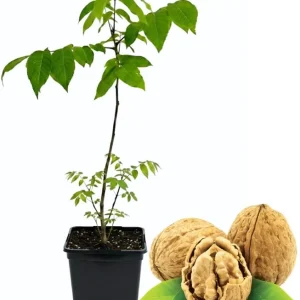
This offering is for a single black walnut tree live plant, approximately 1 year old, and supplied in a 4-inch nursery pot. At this young age, the plant’s primary focus is on developing a strong root system, and it may appear dormant without leaves, especially during the fall and winter months. The initial height of the plant will vary but is typically suitable for immediate transplanting into your garden or a larger container if you prefer to grow it out further before ground planting. This species is known for its impressive mature dimensions, reaching an average height of 50 to 75 feet and a spread of 50 to 75 feet wide, forming a broad, majestic canopy. Its growth rate is considered fast, allowing it to establish a significant presence in your landscape within a few years.
The hardy walnut plant is well-suited for a wide range of climates, thriving in USDA Zones 4 through 9. Its adaptability to various conditions makes it a versatile choice for many regions across the United States. When planting, ensure you select a location that can accommodate its substantial mature size, both above and below ground, to prevent future issues with structures or other plantings. The tree will begin to produce nuts typically within 10-15 years, with optimal production occurring in mature trees. This long-term investment provides not only aesthetic beauty but also a valuable harvest and timber resource for generations.
Frequently Asked Questions
- Q: What condition will my black walnut tree live plant arrive in? A: Your black walnut tree live plant will arrive in a 4-inch pot. During fall and winter, it’s normal for the plant to be dormant, meaning it will have no leaves. This is a healthy state where the plant focuses on root development, and new leaves will emerge in spring.
- Q: How big does this black walnut tree get? A: A mature black walnut tree live plant can reach impressive heights of 50–75 feet tall and spread 50–75 feet wide. It’s important to plan for this significant size when choosing a planting location.
- Q: Is this an indoor or outdoor plant? A: The black walnut tree live plant is strictly an outdoor tree. It requires ample space, full sunlight, and the natural cycles of outdoor environments to thrive and reach its full potential.
- Q: How much sunlight does a black walnut tree need? A: For optimal growth and nut production, the growing black walnut tree requires full sun exposure, meaning at least 6 hours of direct sunlight per day.
- Q: Is this plant easy to care for? A: Yes, once established, the hardy walnut plant is relatively low-maintenance and drought-tolerant. Initial care focuses on consistent watering to establish roots, but it becomes quite self-sufficient thereafter.
- Q: When is the best time to plant a black walnut tree? A: The best time to plant a black walnut tree live plant is in the spring or fall, allowing it to establish its root system before the extremes of summer heat or winter cold.
- Q: What USDA Zones is this black walnut tree suitable for? A: This juglans nigra tree is cold-hardy and suitable for planting in USDA Zones 4 through 9, covering a broad range of climates across the United States.
- Q: Will my black walnut tree produce nuts? A: Yes, a healthy black walnut tree live plant will typically begin producing nuts within 10-15 years of planting, with production increasing as the tree matures.
- Q: What kind of soil does this tree prefer? A: While adaptable, the black walnut tree care guidelines suggest it prefers deep, fertile, moist, well-drained loamy soils. Good drainage is key.
- Q: Are there any plants that don’t grow well near a black walnut tree? A: Yes, black walnut trees produce a chemical called juglone that can be toxic to certain sensitive plants. Research juglone-tolerant plants if you plan to garden nearby.


Reviews
There are no reviews yet.