Overview
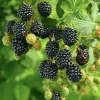
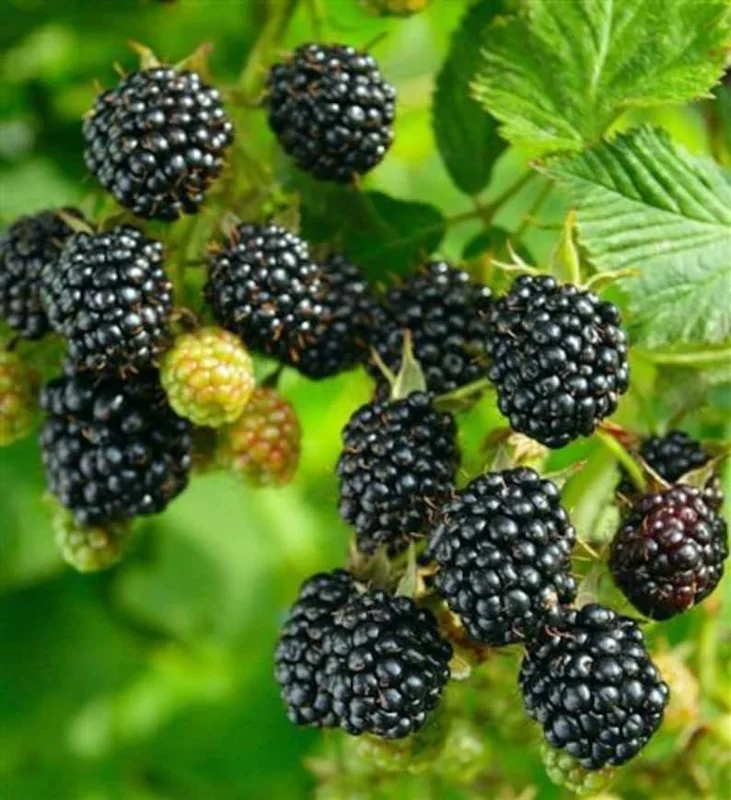
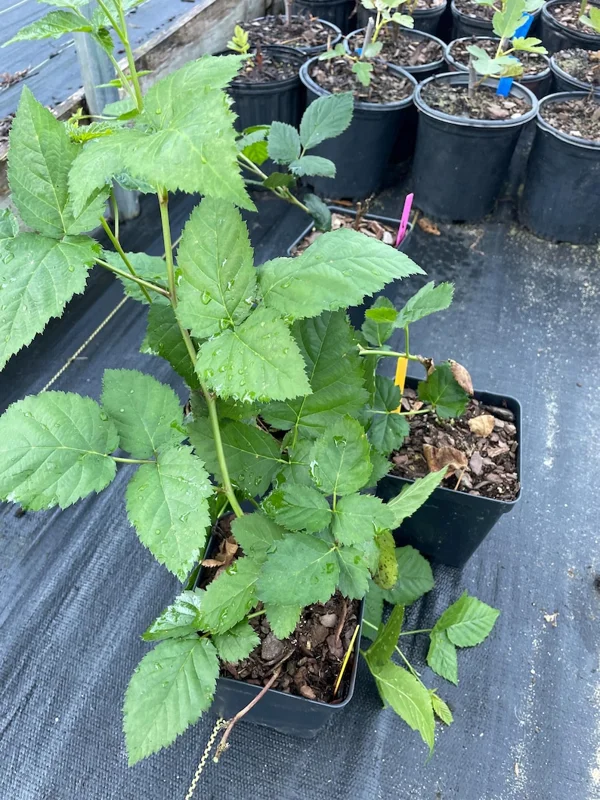
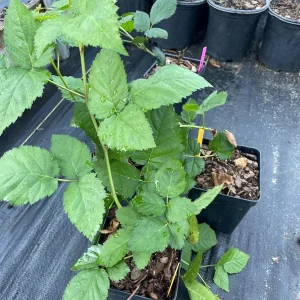
Cultivate your own sweet and juicy fruit with this vibrant blackberry live plant. Arriving as a healthy, established bush, typically 12-16 inches in height and nestled in a 1-gallon nursery pot, this plant is ready to be transplanted into your garden or a larger container. Blackberries are a popular choice for home gardeners due to their delicious fruit, relative ease of care, and versatility in the landscape. This particular variety provides an excellent opportunity for growing blackberries right in your backyard, offering fresh, nutritious berries straight from the vine. Known for their robust growth, blackberry plants can produce an abundant harvest, making them a rewarding addition to any edible garden or landscape design.
Blackberries (Rubus fruticosus) are a classic fruit, cherished for their rich flavor and nutritional benefits. This live plant offers a fantastic starting point for anyone looking to enjoy fresh, organic fruit. Whether you’re an experienced gardener or just beginning your journey into fruit cultivation, this blackberry live plant is an ideal choice, promising a bountiful yield with proper care. Its established root system ensures a smoother transition and quicker establishment in your chosen planting site, setting the stage for a successful harvest.
Key Benefits
Adding a blackberry live plant to your garden offers numerous advantages, from fresh produce to aesthetic appeal. These plants are not only productive but also contribute positively to your outdoor space.
- Fresh, Homegrown Fruit: Enjoy the unparalleled taste of freshly picked blackberries, free from pesticides and grown with your own care. This plant offers a direct source of delicious, healthy fruit right outside your door.
- Nutritional Powerhouse: Blackberries are packed with vitamins, antioxidants, and fiber, contributing to a healthy diet. Having your own blackberry live plant makes it easy to incorporate these superfoods into your meals and snacks.
- Attractive Garden Addition: Beyond their fruit, blackberry bushes can add a lush, green element to your garden, especially when trained along fences or trellises, enhancing the overall beauty of your landscape.
- Rewarding Gardening Experience: The process of growing blackberries from a young plant to a fruit-bearing bush is incredibly satisfying, offering a tangible reward for your gardening efforts.
- Versatile Culinary Uses: Fresh blackberries are perfect for eating out of hand, but also excel in pies, jams, jellies, smoothies, and desserts, providing endless culinary possibilities.
- Supports Local Ecosystems: Planting fruit-bearing plants can attract pollinators and beneficial insects to your garden, contributing to a healthier local ecosystem.
- Potential for Thornless Varieties: While not specified, many modern blackberry varieties are thornless, making harvesting easier and more enjoyable. This improves the overall blackberry bush care experience.
Plant Care & Growing Tips
Successful blackberry bush care involves understanding their needs regarding sunlight, soil, water, and pruning. Blackberries generally thrive in full sun, meaning at least 6-8 hours of direct sunlight per day. Adequate sunlight is crucial for fruit production and flavor development. While they can tolerate some partial shade, too little sun will result in fewer berries and weaker plants. Choose a location in your garden that receives ample morning sun, as this helps dry morning dew and reduce disease risk.
When it comes to soil, blackberries prefer well-draining, slightly acidic soil with a pH between 5.5 and 7.0. Amend heavy clay soils with organic matter like compost to improve drainage and aeration. For sandy soils, compost will help retain moisture and nutrients. Consistent watering is essential, especially during dry periods and when fruits are developing. Aim for about 1 inch of water per week, either from rainfall or irrigation. Avoid overhead watering if possible to reduce fungal diseases, opting for drip irrigation or soaker hoses instead. Fertilize in early spring with a balanced fertilizer, or one higher in potassium and phosphorus once fruiting begins, following product instructions carefully to avoid over-fertilization.
Pruning is a vital part of growing blackberries and promoting healthy growth and abundant fruit. Blackberries typically produce fruit on second-year canes (floricanes). After these canes fruit, they will die back and should be pruned to the ground. New canes (primocanes) will emerge and produce fruit the following year. Prune dead or diseased canes anytime, and thin out weaker primocanes in late winter or early spring to encourage stronger growth on remaining canes. For a potentially thornless blackberry plant, pruning can be less cumbersome. Support structures like trellises are often beneficial, especially for trailing varieties, to keep canes off the ground and improve air circulation, further simplifying blackberry bush care.
Size & Details
This offering is for one blackberry live plant, which typically arrives at a height of 12-16 inches, measured from the soil line to the top of the plant. It is provided in a 1-gallon nursery pot, ensuring a well-established root system ready for transplanting. Blackberries are known for their vigorous growth and can quickly establish themselves in a new location. Depending on the variety, mature blackberry bushes can reach heights of 5-8 feet and spread equally wide if not managed. The growth rate is moderate to fast, with plants often beginning to produce fruit within one to two years after planting. This plant will ship as a potted specimen, with its roots carefully protected within the nursery container, ensuring minimal stress during transit. Expect your fruit bearing plant to begin producing within the next season or two, depending on planting time and specific care.
Frequently Asked Questions
- Q: How big does this plant get? A: This blackberry live plant arrives 12-16 inches tall in a 1-gallon pot. Mature blackberry bushes can typically reach heights of 5-8 feet and spread similarly, depending on the variety and pruning.
- Q: Is this an indoor or outdoor plant? A: Blackberries are outdoor plants. They require full sun and specific chilling hours to produce fruit, making them unsuitable for indoor cultivation.
- Q: How much sunlight does it need? A: For optimal fruit production and plant health, your blackberry live plant needs at least 6-8 hours of direct sunlight per day.
- Q: Is this plant easy to care for? A: Yes, blackberries are relatively easy to care for, especially with proper planting and consistent attention to watering and pruning. They are a good choice for gardeners of various skill levels.
- Q: What condition will it arrive in? A: Your blackberry live plant will arrive as a healthy, established plant in a 1-gallon nursery pot, with its root system intact and ready for transplanting into your garden.
- Q: When is the best time to plant? A: The best time for growing blackberries is typically in early spring after the last frost, or in the fall in warmer climates. This allows the plant to establish its root system before extreme temperatures.
- Q: Will it survive winter in my zone? A: Blackberries are generally hardy plants. Most varieties are suitable for USDA Zones 5-9, but hardiness can vary by specific cultivar. Ensure your zone is appropriate for blackberry cultivation.
- Q: Can I get a thornless blackberry plant? A: While this listing doesn’t specify, many modern blackberry varieties are thornless. If you have a strong preference, it’s worth researching specific thornless cultivars for future planting.
- Q: How long until it produces fruit? A: A well-cared-for fruit bearing plant like this blackberry bush can start producing fruit within one to two years after planting, with significant harvests typically beginning in the second or third year.
- Q: What kind of soil is best for growing blackberries? A: Blackberries prefer well-draining, slightly acidic soil with a pH between 5.5 and 7.0. Amending the soil with organic matter is highly beneficial.


Reviews
There are no reviews yet.