Overview
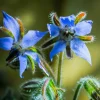
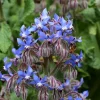
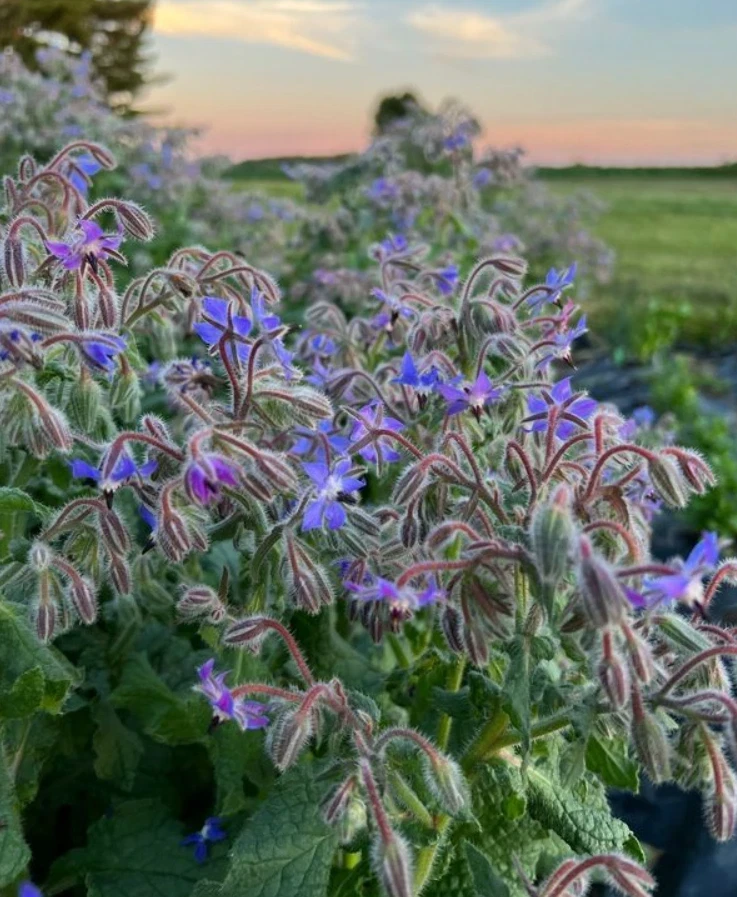
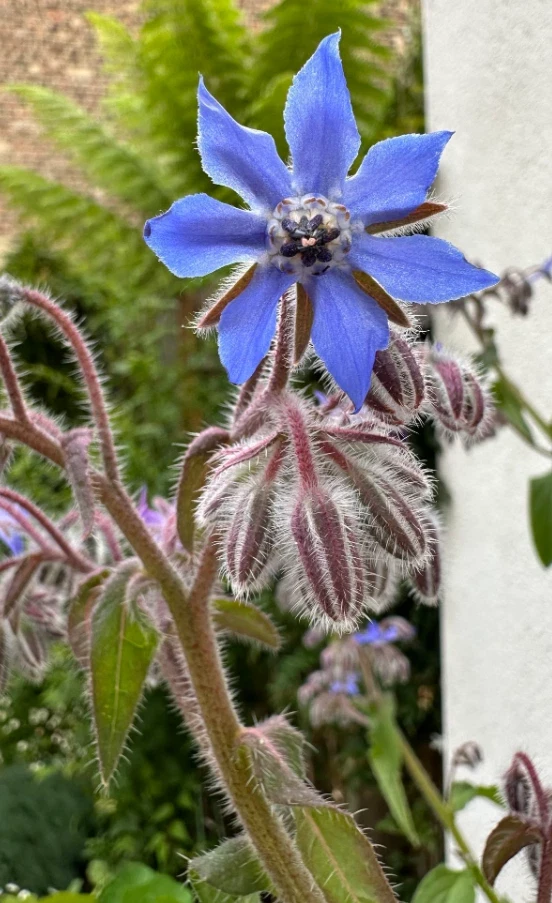
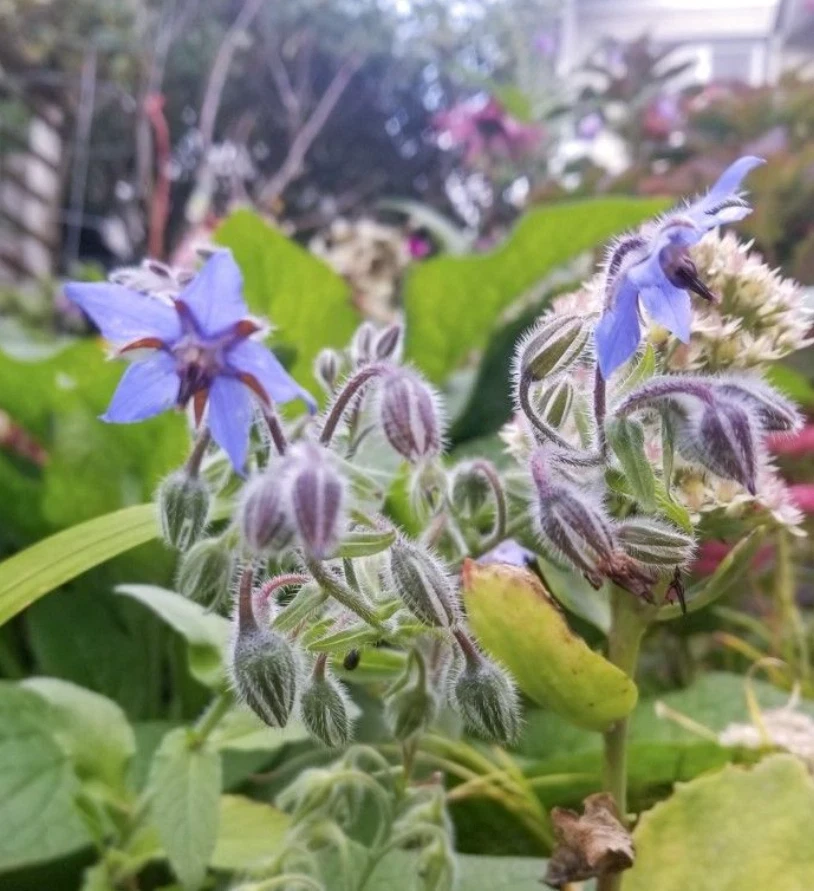
Discover the charm and versatility of the blue borage live plant, a delightful addition to any garden or culinary collection. Borage (Borago officinalis) is an annual herb celebrated for its striking star-shaped blue flowers and its leaves’ refreshing, slightly salty, cucumber-like flavor. This particular offering provides a healthy blue borage live plant in a convenient 4-inch pot, ready for transplanting into your garden or a larger container. Borage is not only a treat for the taste buds but also a visual spectacle, making it a favorite among gardeners who appreciate both beauty and utility. Its ease of growth makes it suitable for both novice and experienced gardeners looking to expand their edible landscape.
Known by various common names such as starflower, bee bread, and cool tankard, borage has been cultivated for centuries for its ornamental, culinary, and traditional medicinal properties. When you choose to grow a blue borage live plant, you’re investing in more than just an herb; you’re cultivating a piece of garden history and a valuable resource for your local ecosystem. This robust plant quickly establishes itself, providing a continuous harvest of leaves and flowers throughout its growing season.
Key Benefits
The blue borage live plant offers a multitude of benefits, from enhancing your garden’s aesthetics to providing unique culinary ingredients and supporting local wildlife. Its presence can significantly improve the health and vibrancy of your outdoor space. Enjoy the rewards of nurturing this exceptional herb.
- Culinary Versatility: Both the leaves and flowers of the edible borage herb are consumed. The young leaves have a mild cucumber flavor, perfect for salads, sandwiches, and drinks. The vibrant blue flowers make an excellent garnish for desserts, cocktails, or savory dishes, adding both flavor and visual appeal.
- Pollinator Magnet: Borage is renowned for its ability to attract pollinators borage, especially bees, with its nectar-rich flowers. Planting borage can significantly boost pollination rates for other fruiting plants in your garden, leading to better yields and a healthier ecosystem.
- Garden Companion Plant: This herb makes an excellent companion plant for tomatoes, cabbage, strawberries, and squash. It’s believed to deter tomato hornworms and cabbage worms, while also improving the flavor and growth of its neighbors.
- Nutrient-Rich: Borage leaves are packed with vitamins and minerals, including Vitamin C, Vitamin A, B vitamins, calcium, potassium, and iron. Incorporating it into your diet can contribute to overall well-being.
- Easy to Grow: Even beginners can successfully how to grow borage. It’s a low-maintenance plant that tolerates a range of soil conditions and requires minimal intervention once established, making it a rewarding choice for any gardener.
- Beautiful Blooms: The distinctive, star-shaped blue flowers are incredibly attractive, adding a splash of unique color to herb gardens, vegetable patches, or ornamental beds. These delicate flowers are a true visual delight.
- Soil Improvement: As a dynamic accumulator, borage draws up nutrients from deep within the soil, making them available to other plants when its leaves decompose. It’s an excellent addition to compost piles or as a green manure.
Plant Care & Growing Tips
Caring for your blue borage live plant is straightforward, ensuring a bountiful harvest of leaves and flowers. Borage thrives in conditions that mimic its Mediterranean origins, preferring plenty of sunlight and well-draining soil. To ensure vigorous growth and continuous blooms, understanding its basic needs is key. Regular attention to watering and occasional feeding will help your borage plant flourish throughout the growing season.
For optimal growth, plant your borage in a location that receives at least 6 hours of full sun per day. While it can tolerate partial shade, too little light may result in leggy growth and fewer flowers. The ideal soil for borage plant care is well-draining, moderately fertile, and has a neutral to slightly acidic pH (6.0-7.0). If your soil is heavy clay, amend it with organic matter like compost or aged manure to improve drainage and aeration. Water consistently, especially during dry spells, keeping the soil evenly moist but not waterlogged. Allow the top inch or two of soil to dry out between waterings. Borage is relatively drought-tolerant once established, but consistent moisture promotes lush foliage and abundant flowering. Fertilization is generally not heavily required; a balanced organic fertilizer applied once or twice during the growing season is usually sufficient.
Borage is typically grown as an annual, completing its life cycle in one season. It is quite hardy and can self-seed readily, often returning year after year from dropped seeds. To encourage bushy growth and more flowers, pinch back young plants when they are about 6 inches tall. Harvesting leaves and flowers regularly also promotes new growth. Watch out for common pests like aphids or powdery mildew, though borage is generally resistant. Good air circulation and appropriate watering practices can help prevent fungal issues. Knowing how to grow borage successfully means providing these fundamental conditions, ensuring a healthy and productive plant.
Size & Details
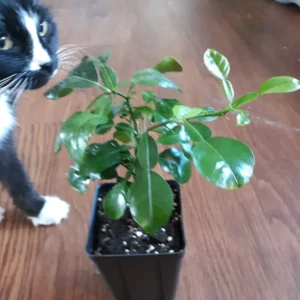
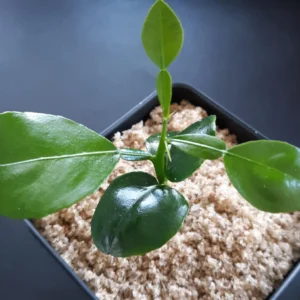
This offering includes one healthy blue borage live plant, carefully cultivated and shipped in a 4-inch nursery pot. At the time of shipment, the plant typically stands about 4-8 inches tall, with established roots ready for transplanting. Borage is a fast-growing annual herb that can reach a mature height of 2-3 feet (24-36 inches) and spread about 1-2 feet wide, depending on growing conditions and available space. Its growth rate is rapid, often producing flowers within 6-8 weeks of planting. The plant will arrive securely packaged to minimize stress during transit, ensuring it reaches you in excellent condition, ready for its new home.
When transplanting, choose a location with adequate space to accommodate its mature size. For container growing, select a pot at least 8-10 inches in diameter to allow for proper root development. The vibrant blue flowers typically appear from late spring through summer, offering a continuous display and attracting beneficial insects. This plant is hardy in USDA zones 2-11 when grown as an annual, though it prefers cooler temperatures for germination and early growth. Expect fresh leaves and flowers throughout the warmer months, providing a continuous supply of this unique edible borage herb for your culinary and ornamental needs.
Frequently Asked Questions
- Q: How big does this blue borage live plant get? A: A: This blue borage live plant is shipped in a 4-inch pot and typically grows to a mature height of 2-3 feet (24-36 inches) with a spread of 1-2 feet. Its size can vary based on growing conditions and available space.
- Q: Is this an indoor or outdoor plant? A: Borage is primarily an outdoor plant, thriving in full sun. While it can be started indoors, it performs best when grown outdoors in a garden bed or a large container, where it can get ample sunlight and good air circulation.
- Q: Is this plant easy to care for? A: Yes, borage is considered an easy-to-care-for plant, making it suitable for beginners. It requires minimal maintenance once established, mainly consistent watering and a sunny location. This makes it simple to how to grow borage successfully.
- Q: What condition will it arrive in? A: Your blue borage live plant will arrive in a 4-inch nursery pot, carefully packaged to ensure it is healthy and ready for planting. We take great care to protect the plant during transit.
- Q: Can I use the edible borage herb in cooking? A: Absolutely! Both the young leaves and the vibrant blue flowers of the edible borage herb are fantastic for culinary use. The leaves have a cucumber-like flavor, and the flowers make beautiful garnishes.
- Q: How much sunlight does it need? A: Borage thrives in full sun, requiring at least 6 hours of direct sunlight per day. While it can tolerate some partial shade, more sun generally leads to healthier growth and more abundant flowering.
- Q: How long until it blooms? A: Your borage plant is a fast grower. You can typically expect to see its beautiful blue flowers appear within 6-8 weeks after transplanting, especially with good growing conditions.
- Q: Is the blue borage live plant effective to attract pollinators? A: Yes, borage is exceptionally good at attracting pollinators, especially bees. Its nectar-rich flowers are a favorite among beneficial insects, helping to attract pollinators borage to your garden.
- Q: What is the best soil type for borage plant care? A: Borage prefers well-draining, moderately fertile soil with a neutral to slightly acidic pH. Amending heavy soils with organic matter can improve drainage significantly.
- Q: Will it survive winter in my zone? A: Borage is typically grown as an annual and will complete its life cycle in one season. However, it readily self-seeds, so new plants often emerge in the same spot the following spring, effectively returning each year.


Reviews
There are no reviews yet.