Overview
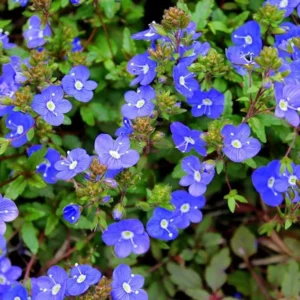
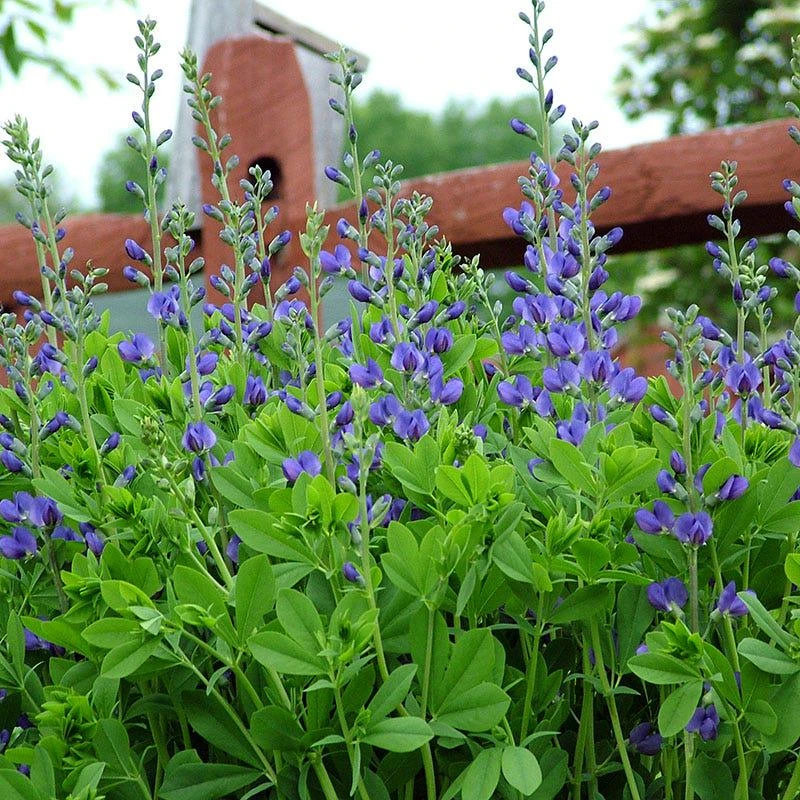
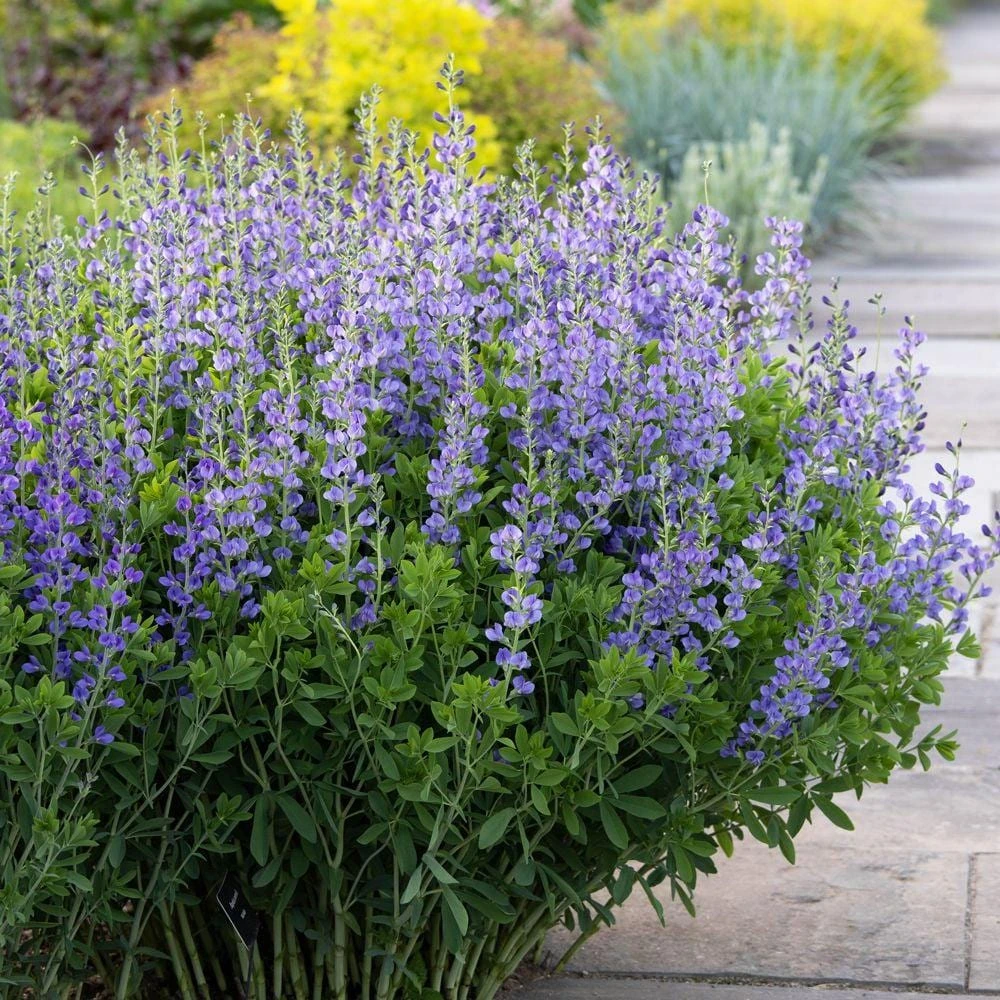
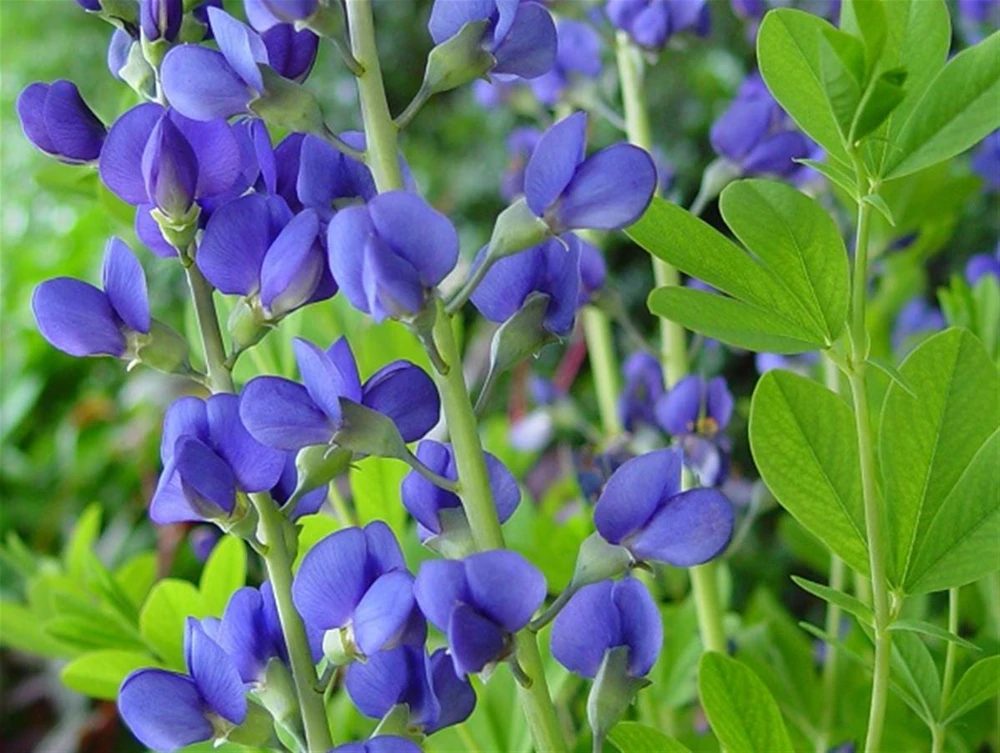
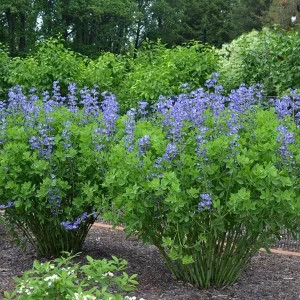
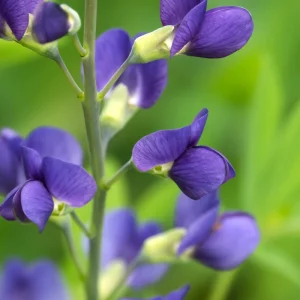
Enhance your landscape with the stunning blue false indigo live plant, scientifically known as Baptisia australis. This remarkable native wildflower is an herbaceous perennial belonging to the Fabaceae (bean) family, celebrated for its spectacular indigo-blue flowers that emerge in spring. Originating from the central and eastern regions of the U.S., the blue false indigo live plant is a resilient and low-maintenance addition to any garden, providing both beauty and ecological benefits. It’s an excellent choice for gardeners seeking a plant that thrives with minimal intervention while offering a dramatic visual impact. Our offering is a healthy, well-rooted starter plant, ready to establish itself in your garden and bring years of enjoyment.
The common name, “False Indigo,” comes from the historical use of its sap as a dye, though it’s not a true indigo source. This plant is not only visually appealing but also supports local ecosystems by attracting pollinators. Its robust nature makes it a fantastic choice for both novice and experienced gardeners looking to cultivate a piece of American natural heritage. The distinct upright flower spikes create an architectural element in garden beds, making it a focal point during its blooming season.
Key Benefits
The blue false indigo live plant offers a multitude of benefits, making it a highly desirable addition to diverse garden settings. From its aesthetic appeal to its ecological contributions, this perennial is a true garden workhorse.
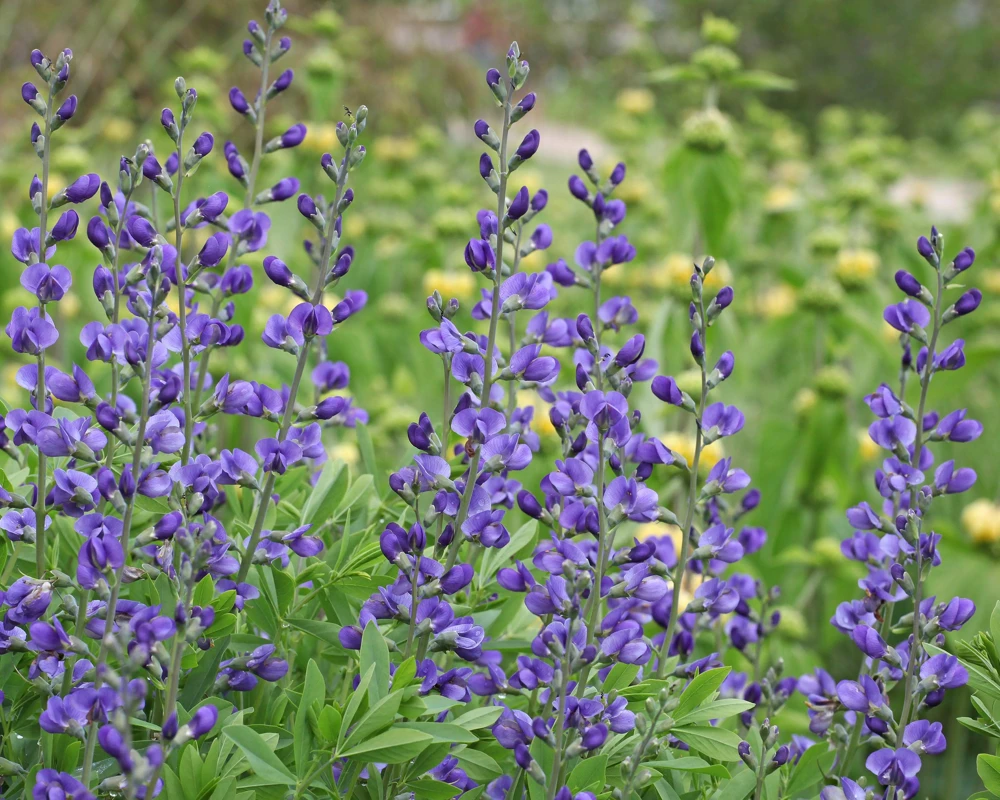
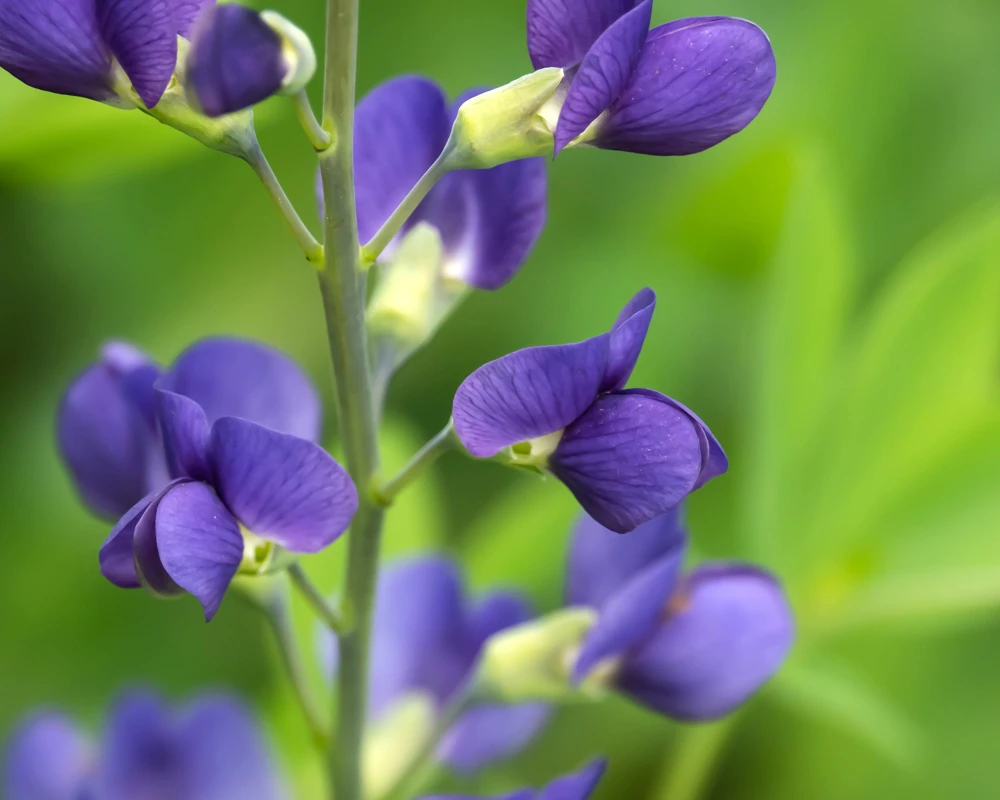
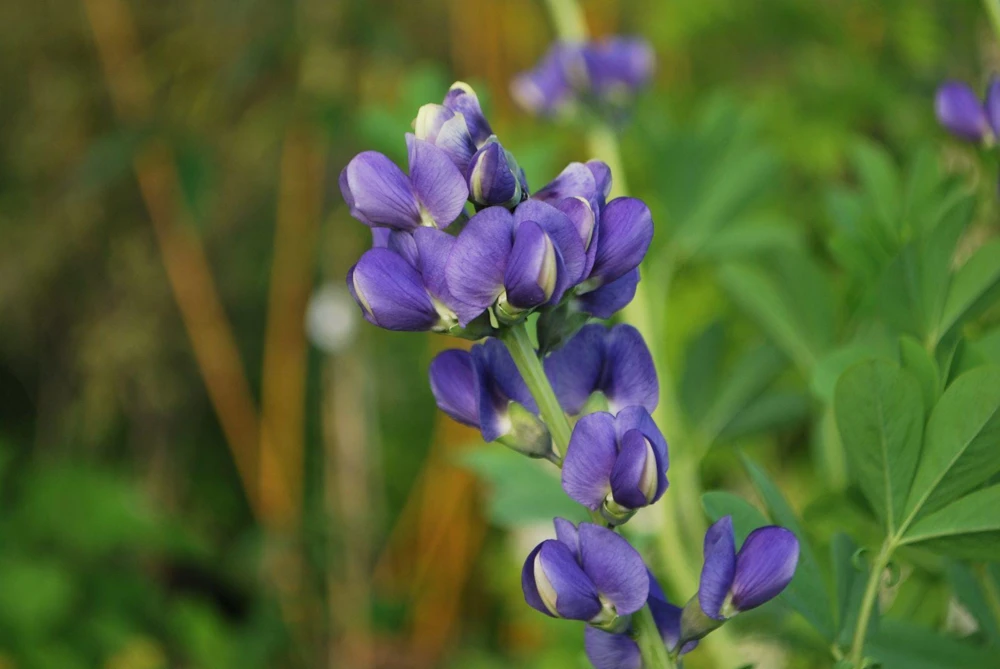
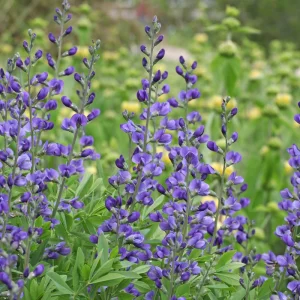
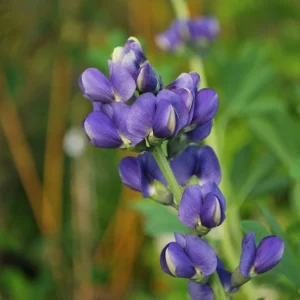
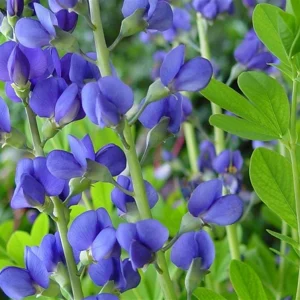
- Stunning Floral Display: Enjoy show-stopping, pea-like, indigo-blue flowers that bloom profusely in spring, adding a rich, deep color to your garden palette. The towering flower stalks create an impressive vertical accent.
- Native Wildflower Status: As a native wildflower plant, Baptisia australis is perfectly adapted to local climates and soils, requiring less water and fewer interventions once established, contributing to biodiversity.
- Pollinator Magnet: Its vibrant flowers are a significant draw for various pollinators, including bees and butterflies, supporting healthy garden ecosystems and enhancing local wildlife.
- Drought Tolerant: Once mature, the blue false indigo live plant exhibits excellent drought tolerance, making it an ideal choice for xeriscaping or gardens in areas with water restrictions.
- Low Maintenance Perennial: This plant is incredibly easy to care for, requiring minimal pruning and being largely pest and disease resistant. It’s a plant-it-and-forget-it type that returns year after year.
- Long-Lived and Robust: Baptisia australis is known for its longevity and hardiness, establishing strong root systems that ensure its enduring presence in your garden for decades.
- Attractive Foliage: Beyond its blooms, the plant’s attractive blue-green, clover-like foliage provides textural interest throughout the growing season, even after the flowers have faded.
Plant Care & Growing Tips
Caring for your blue false indigo live plant is straightforward, ensuring a beautiful and thriving specimen with minimal effort. This resilient perennial prefers specific conditions to reach its full potential. For optimal growth, Baptisia australis thrives in full sun, meaning it requires at least 6-8 hours of direct sunlight per day. While it can tolerate partial shade, too little sun may result in leggy growth and fewer blooms. It’s crucial to provide well-draining soil; this plant does not tolerate soggy conditions, which can lead to root rot. Sandy or loamy soils are ideal, and amending heavy clay soils with organic matter can improve drainage significantly. These false indigo growing tips are essential for a healthy plant.
Watering should be consistent during the plant’s establishment phase, typically the first year after planting. Once established, the baptisia australis care routine becomes much simpler, as it becomes highly drought-tolerant. Water deeply but infrequently, allowing the soil to dry out between waterings. Fertilization is generally not necessary for this native plant, especially if planted in fertile soil. If your soil is poor, a light application of a balanced, slow-release fertilizer in early spring can be beneficial. Baptisia is hardy in USDA Zones 4-9, meaning it can withstand a wide range of winter temperatures. Pruning is minimal; you can cut back spent flower stalks after blooming to maintain a tidy appearance, or leave them for winter interest and seed dispersal. Avoid heavy pruning until the plant is fully dormant in late autumn or early winter.
Common problems are rare for this robust perennial. Keep an eye out for powdery mildew in humid conditions, which can be mitigated by ensuring good air circulation around the plant. Pests are generally not an issue, making this a truly easy-care perennial garden plant. Remember that young plants may take a few years to reach their full majestic size and bloom potential, so patience is key. Providing these ideal conditions will ensure your Baptisia australis flourishes.
Size & Details
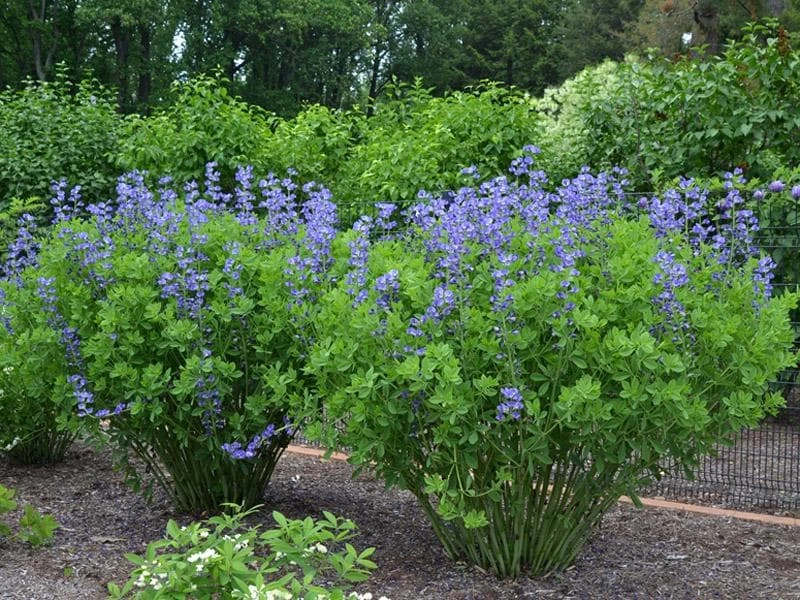
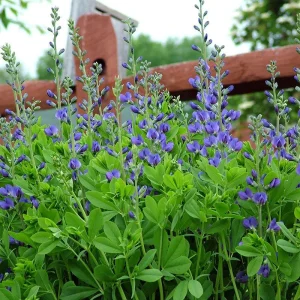
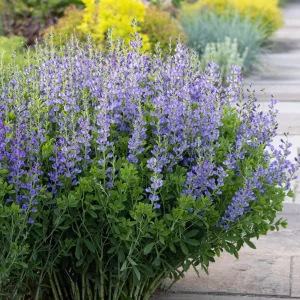
This offering is for one healthy, well-rooted blue false indigo live plant, shipped as a starter plant in a 2.5”x3.5” pot. This size is ideal for establishing quickly in your garden or a larger container. When mature, Baptisia australis typically grows to an impressive size, reaching heights of 3-4 feet (90-120 cm) and spreading equally wide, forming an attractive, bushy clump. Its vigorous growth habit makes it a prominent feature in any garden bed. The plant will arrive ready for transplanting, and while it may appear dormant during colder months (November-April), it will quickly spring to life with warmer temperatures and proper care, showcasing its beautiful foliage and eventually its signature indigo blooms. Expect the plant to bloom from late spring to early summer, with the flower spikes lasting for several weeks.
The dense, shrub-like form of the mature plant provides excellent structure and visual weight in the landscape. Its deep taproot system contributes to its drought tolerance and makes it a long-lived addition to your garden. This false indigo growing tips detail that while it starts small, it will develop into a substantial and impactful garden specimen over time. The 2.5×3.5 inch pot size is perfect for ensuring a strong start, allowing the roots to develop without being constrained, and preparing it for a smooth transition into its permanent home.
Frequently Asked Questions
- Q: How big does this plant get? A: A mature blue false indigo live plant typically reaches an impressive size of 3-4 feet tall and wide, forming a substantial bushy perennial. It may take a few years to reach its full mature size.
- Q: What size pot does it come in? A: This blue false indigo live plant is shipped as a well-rooted starter plant in a 2.5”x3.5” pot, ready for transplanting into your garden or a larger container.
- Q: Is this an indoor or outdoor plant? A: Baptisia australis is an outdoor plant, a native perennial wildflower best suited for garden beds, borders, and naturalized areas. It is not typically grown as an indoor houseplant.
- Q: How much sunlight does it need? A: For the best growth and most abundant blooms, the blue false indigo live plant requires full sun, meaning at least 6-8 hours of direct sunlight per day. It can tolerate partial shade but may produce fewer flowers.
- Q: Is this plant easy to care for? A: Yes, Baptisia australis is considered a very easy-care perennial. Once established, it is drought-tolerant, largely pest and disease resistant, and requires minimal maintenance, making baptisia australis care quite simple for gardeners.
- Q: What condition will it arrive in? A: Your plant will arrive as a healthy, well-rooted starter plant. If shipped during its dormant period (typically November-April), it will appear to have no foliage, but the roots are alive and ready to grow.
- Q: When is the best time to plant? A: The best time to plant your blue false indigo live plant is in spring or early fall, allowing it sufficient time to establish its root system before extreme weather.
- Q: Will it survive winter in my zone? A: Yes, Baptisia australis is very hardy and thrives in USDA Zones 4-9, meaning it can tolerate a wide range of winter temperatures and will reliably return each spring.
- Q: What’s the minimum temperature it can tolerate? A: This hardy perennial can tolerate winter temperatures down to approximately -30°F to -20°F (USDA Zone 4), making it suitable for many climates across the U.S.
- Q: Does this plant attract pollinators? A: Absolutely! As a native wildflower plant, its vibrant indigo-blue flowers are a significant attractant for various pollinators, including bees and butterflies, contributing to a vibrant garden ecosystem.


Reviews
There are no reviews yet.