Overview
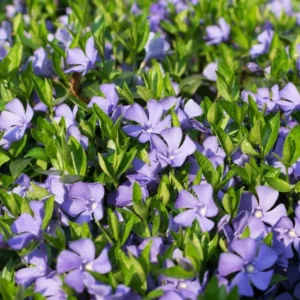
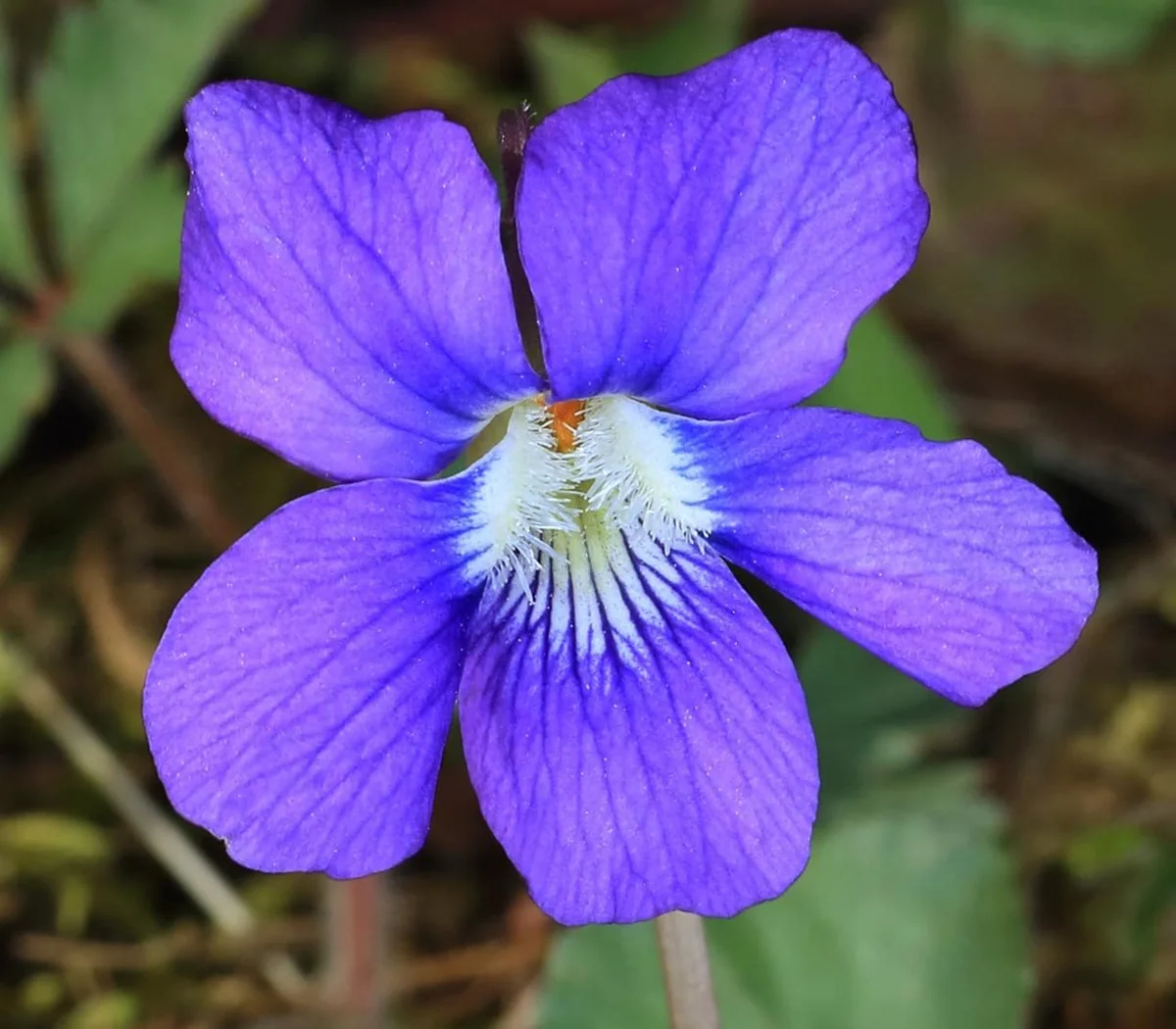
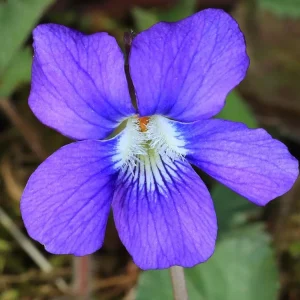
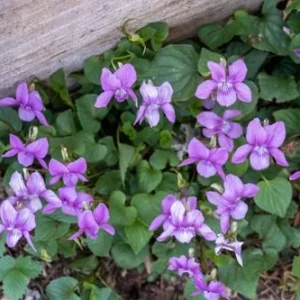
Introduce a touch of natural elegance to your garden with the common blue violet bare-root (Viola papilionacea). This resilient and charming plant, also known by various names such as common meadow violet, purple violet, or wood violet, is delivered as healthy bare-root rhizomes, ready to establish in your landscape. The Viola papilionacea is celebrated for its abundant blue-purple blooms and its ability to thrive in a wide array of habitats. It’s a self-seeding species that readily spreads, making it an excellent choice for a vibrant groundcover or for naturalizing areas of your garden. Beyond its aesthetic appeal, this violet holds significant ecological value, providing an early nectar source for bees and other pollinators, and serving as a crucial larval host plant for several Fritillary butterfly species, including the Edward’s, Great Spangled, Coronis, Mormon, and Variegated Fritillary butterflies. Embrace the beauty and ecological benefits of this adaptable native plant.
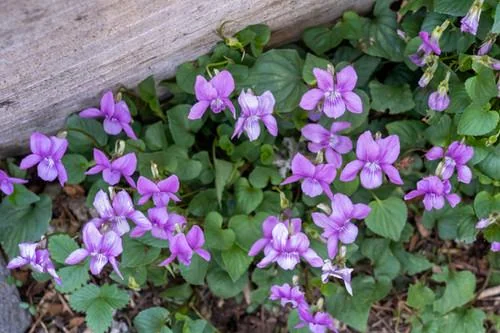
While sometimes considered a lawn weed due to its prolific nature, when cultivated intentionally, the viola papilionacea plant forms a stunning carpet of green adorned with cheerful blue flowers. These violets typically bloom in spring, often offering a delightful rebloom in early fall, extending their season of charm. The debate among botanists regarding the specific taxonomy of Viola sororia variations highlights the rich diversity within this plant group, but regardless of classification, its beauty and utility are undeniable. This particular product provides robust rhizomes, ensuring a strong start for your new violet patch.
Key Benefits
The common blue violet bare-root offers a multitude of benefits for both your garden and local ecosystem. Its adaptability and charming appearance make it a favorite among gardeners seeking low-maintenance yet impactful plants. Consider these advantages:
- Ecological Support: Provides a vital early nectar source for bees and other pollinators, contributing significantly to local biodiversity. It’s also a host plant for several butterfly species, supporting their life cycle.
- Natural Groundcover: With its freely self-seeding nature, this violet quickly establishes and spreads, creating a dense, attractive groundcover that can help suppress weeds and reduce soil erosion.
- Edible Delights: Both the flowers and young leaves of the edible violet plant are a culinary treat. The beautiful flowers can be used as garnishes, in salads, or crystallized for confections, while the leaves are rich in vitamins A and C and can be enjoyed raw or cooked like spinach.
- Low Maintenance: Once established, these wild violets require minimal care, making them ideal for busy gardeners or those looking for a resilient, self-sufficient plant.
- Versatile Growth: Thrives in a wide range of habitats and soil conditions, from sun to partial shade, adapting well to various garden environments.
- Early & Late Blooms: Offers its characteristic blue-purple flowers in spring, often with a bonus rebloom in early fall, extending the visual interest in your garden.
- Historical Significance: Beyond its practical uses, the violet carries a rich cultural and historical significance, adding a unique layer of interest to your garden.
Plant Care & Growing Tips
Caring for your common blue violet bare-root is straightforward, thanks to its hardy and adaptable nature. These plants are known for their resilience and ability to thrive in various conditions, making them an excellent choice for both novice and experienced gardeners. For optimal growth and bloom, understanding their basic needs will ensure a flourishing patch of these delightful flowers. They prefer a moist, well-draining soil but can tolerate a range of soil types, including clay and sandy soils. Adding organic matter to your planting area can improve soil structure and fertility, benefiting the plants.
When it comes to sunlight, growing blue violets is flexible. They perform best in partial shade, especially in hotter climates where they can be protected from intense afternoon sun. However, they can also tolerate full sun if the soil remains consistently moist, and they will grow in full shade, though flowering may be less prolific. Water regularly after planting to help establish the bare-root rhizomes. Once established, they are reasonably drought-tolerant but will appreciate consistent moisture, particularly during dry spells. Fertilization is generally not necessary, as they are not heavy feeders, but a light application of a balanced, slow-release fertilizer in early spring can promote vigorous growth and blooming. These plants are quite cold-hardy, making them suitable for many regions.
Pest and disease problems are rare for the viola papilionacea plant, which further contributes to its low-maintenance appeal. Keep an eye out for slugs or snails, especially in moist conditions. The self-seeding nature of wild violets means they will spread naturally, which is ideal for groundcover but may require some management if you wish to contain them to a specific area. Deadheading spent blooms is not required for continuous flowering, as they are designed to self-seed. Enjoy the ease and beauty of these charming native plants in your garden.
Size & Details
This product includes healthy common blue violet bare-root rhizomes, ready for planting. Bare-root plants offer a cost-effective and efficient way to establish a large patch of violets. Upon planting, these rhizomes will quickly send out roots and shoots, developing into robust plants. Mature Viola papilionacea plants typically grow to a height of 4-10 inches, forming a dense, low-growing carpet. They spread readily through rhizomes and self-seeding, creating an effective groundcover over time. Expect the typical blue-purple blooms in spring, with potential reblooming in early fall, providing extended seasonal interest. The plant’s vigorous growth rate ensures quick establishment and coverage, making it an excellent choice for naturalizing areas, woodland gardens, or underplanting larger shrubs and trees. The ease of growing blue violets from bare-root makes them an accessible option for all gardeners.
Frequently Asked Questions
- Q: How big do these bare-root violet plants get? A: Once established, wild violet groundcover typically reaches a height of 4 to 10 inches. They spread horizontally to form a dense mat, making them excellent for groundcover.
- Q: Is this an indoor or outdoor plant? A: The viola papilionacea plant is primarily an outdoor perennial. It is very cold-hardy and thrives in garden settings, woodlands, and naturalized areas.
- Q: How much sunlight does the common blue violet need? A: These violets prefer partial shade but can tolerate full sun if the soil stays consistently moist. They will also grow in full shade, though flowering may be reduced.
- Q: Is this plant easy to care for? A: Yes, the common blue violet bare-root is known for its low maintenance and adaptability. Once established, it requires minimal care, making it ideal for beginners.
- Q: What condition will the bare-root rhizomes arrive in? A: Your order will contain healthy, dormant bare-root rhizomes, carefully packaged to ensure freshness and viability upon arrival. They are ready for immediate planting.
- Q: Can I use the leaves and flowers of this violet in cooking? A: Absolutely! This is an edible violet plant. Both the young leaves and flowers are edible and can be used in salads, as garnishes, or to make jellies and candies.
- Q: When is the best time to plant these bare-root violets? A: The best time to plant bare-root violets is typically in early spring or fall, allowing them to establish before extreme temperatures set in.
- Q: Will this plant survive winter in my zone? A: The Common Blue Violet is very cold-hardy and is native to many regions, making it suitable for a wide range of USDA zones. It is a perennial that will return year after year.
- Q: How quickly will the bare-root rhizomes establish and grow? A: With proper planting and care, the bare-root rhizomes will typically begin to show new growth within a few weeks, establishing quickly to form a robust patch of wild violet groundcover.
- Q: Do these violets attract pollinators? A: Yes, a significant benefit of the viola papilionacea plant is its value as an early nectar source for bees and other pollinators, as well as a host plant for several butterfly species.


Reviews
There are no reviews yet.