Overview
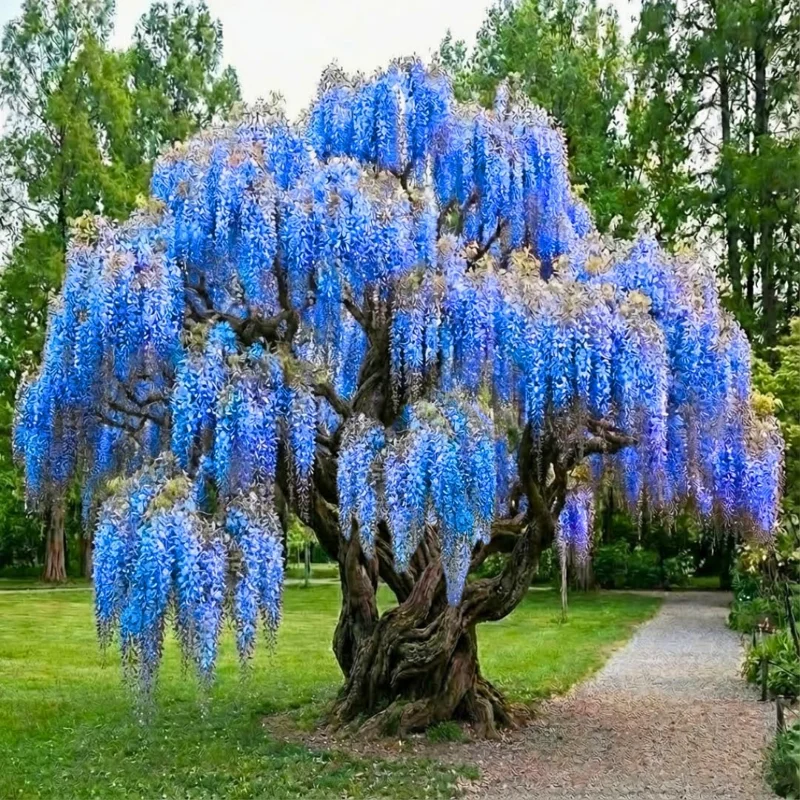
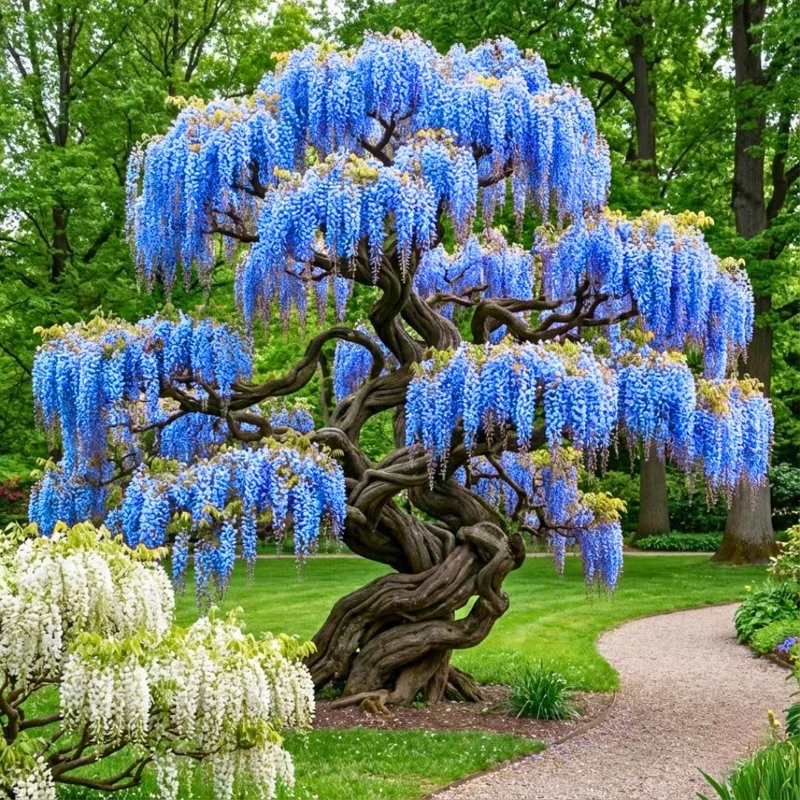
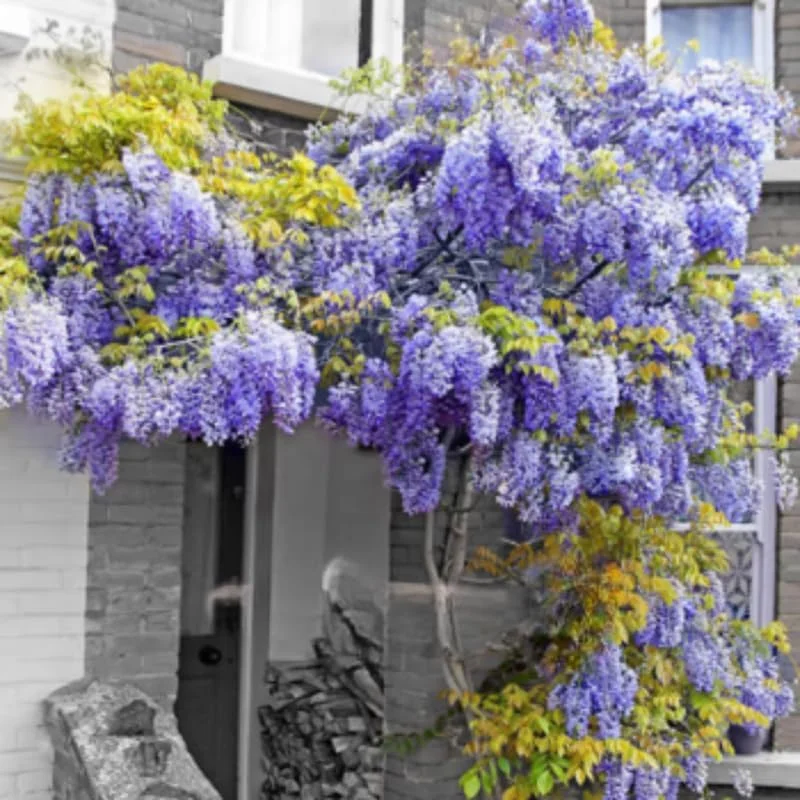
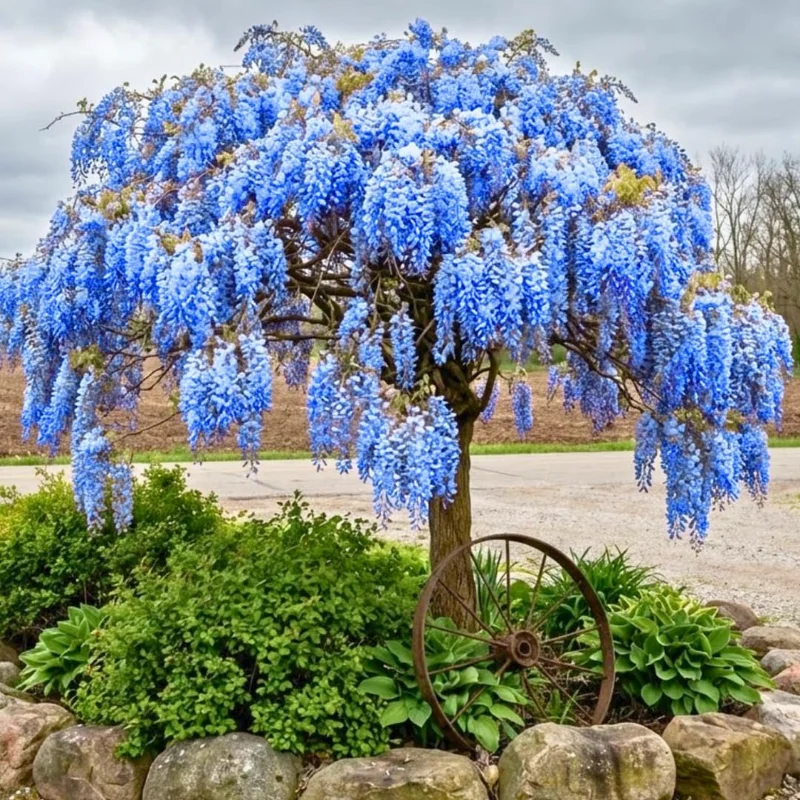
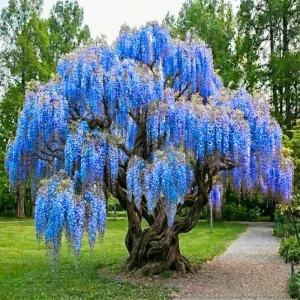
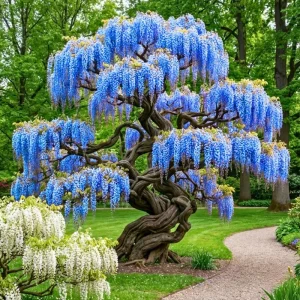
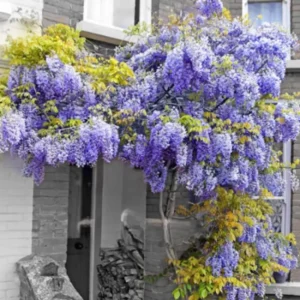
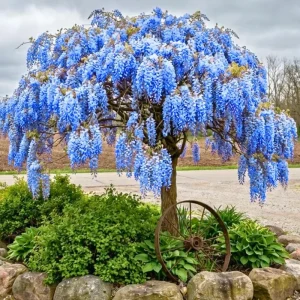
Transform your outdoor space into a fragrant haven with a stunning blue wisteria tree live plant. This 1-year-old seedling promises a future of spectacular cascades of purple blooms, bringing an air of elegance and charm to any garden setting. Wisteria, scientifically known as Wisteria sinensis or Wisteria floribunda depending on the specific cultivar, is a vigorous woody vine that can be trained as a tree form, offering a dramatic visual impact. Our healthy blue wisteria tree live plant arrives ready to be integrated into your landscape, providing the foundation for a truly magnificent botanical feature. Its rapid growth and stunning floral display make it a favored choice among gardeners seeking to add a touch of romance and grandeur.
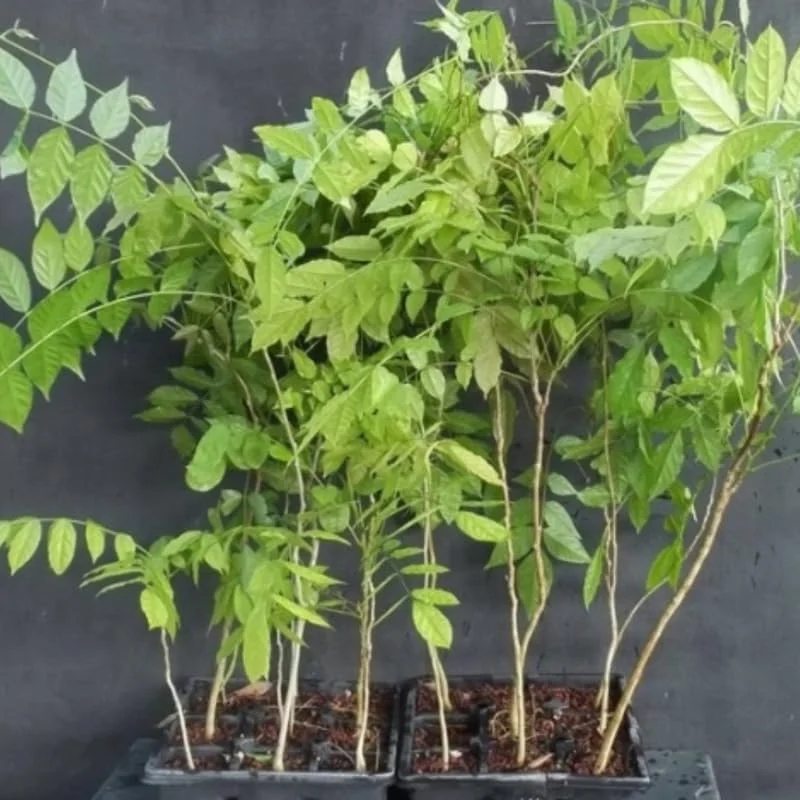
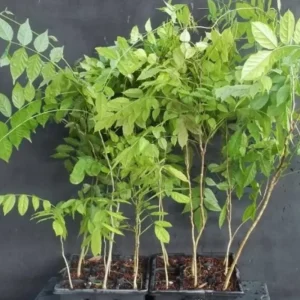
This particular offering is for a young wisteria seedling, typically measuring 6-13 inches in height, which allows you to shape and train it to your desired form from an early stage. Its adaptability to various climates and its robust nature ensure that with proper care, this plant will thrive and become a cherished part of your garden for many years. Imagine the beauty of its long, pendulous flower clusters gracing pergolas, arbors, or standing proudly as a specimen tree.
Key Benefits
Investing in a blue wisteria tree live plant brings a multitude of benefits to your garden, enhancing both its aesthetic appeal and ecological value. This plant is celebrated for several reasons:
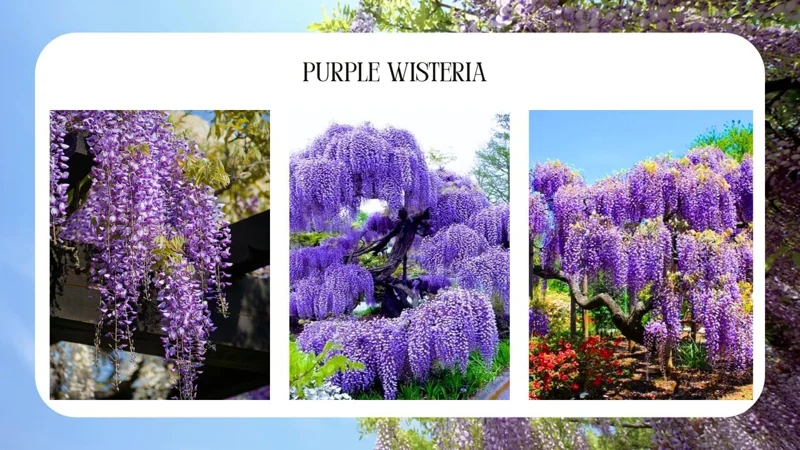
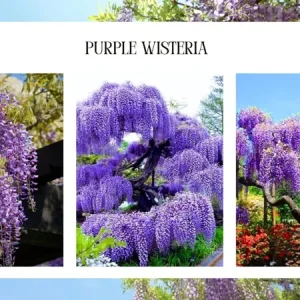
- Dramatic Floral Display: Known for its abundant, fragrant purple flowers that emerge in spring and early summer, creating a truly spectacular visual show. These long, hanging racemes are a hallmark of wisteria’s beauty.
- Elegant Garden Focal Point: The distinctive growth habit and profusion of blooms make it an excellent choice for creating a striking and elegant focal point in any garden design. It draws the eye and adds architectural interest.
- Hardy and Adaptable: This purple wisteria plant is remarkably resilient and can adapt to a wide range of climates and soil conditions, provided its basic needs for sunlight and drainage are met.
- Attracts Pollinators: The fragrant flowers are a magnet for bees, butterflies, and other beneficial pollinators, contributing to the biodiversity and health of your garden ecosystem.
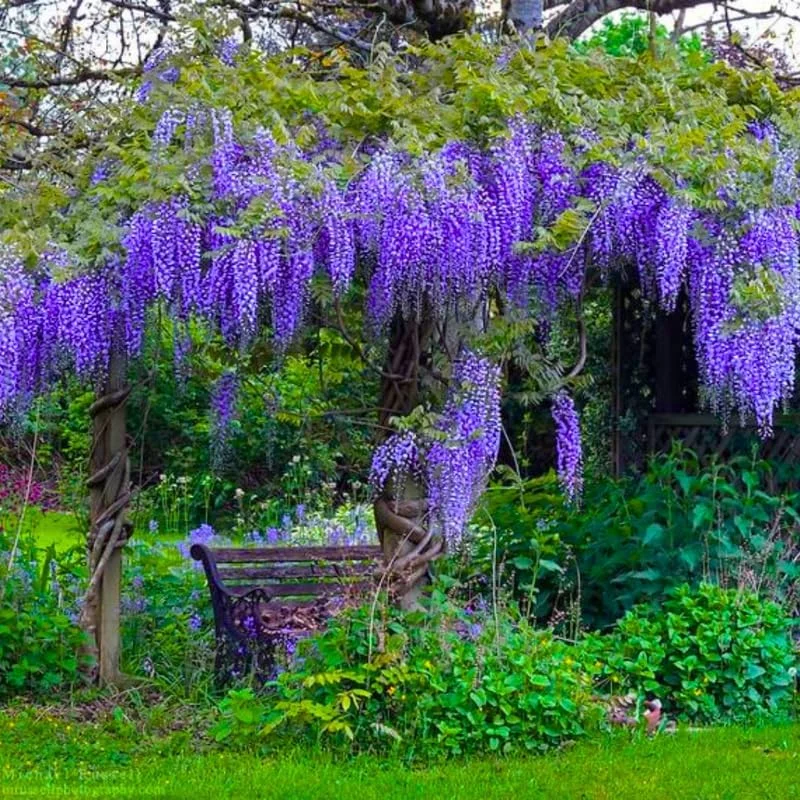
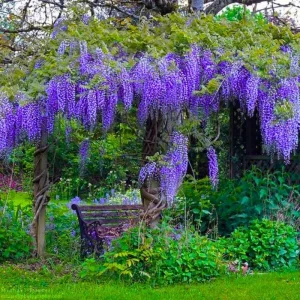
- Versatile Training Options: While offered as a tree form seedling, wisteria can also be trained to climb arbors, pergolas, fences, or walls, offering flexibility in garden design and usage.
- Long-Lasting Beauty: With proper care, a wisteria tree can live for many decades, providing generations of enjoyment and becoming a mature, established feature of your landscape.
- Fragrant Blooms: Beyond its visual appeal, the sweet, intoxicating fragrance of wisteria flowers can perfume an entire garden, enhancing the sensory experience of your outdoor space.
Plant Care & Growing Tips
Caring for your blue wisteria tree live plant is straightforward, but understanding its specific needs will ensure vigorous growth and abundant blooms. Wisteria thrives in full sun, meaning it requires at least six hours of direct sunlight per day. This is crucial for maximizing flower production. While it can tolerate some partial shade, too little sun will result in sparse flowering. When choosing a location, consider the mature size of the plant and ensure it has ample space to grow and climb, or to be supported as a tree form.
The ideal soil for a purple wisteria plant is well-drained, moderately fertile, and slightly acidic to neutral (pH 6.0-7.0). Avoid heavy, waterlogged soils, as this can lead to root rot. When planting, amend heavy clay soils with organic matter like compost or sand to improve drainage. Water newly planted wisteria regularly to help establish its root system. Once established, it is relatively drought-tolerant but will benefit from deep watering during prolonged dry spells. Overwatering should always be avoided.
Wisteria is hardy in USDA zones 5-9, making it suitable for a wide range of climates. In colder zones, ensure adequate winter protection for young plants. Fertilize sparingly; excessive nitrogen can promote leafy growth at the expense of flowers. Use a balanced fertilizer or one higher in phosphorus and potassium in early spring. Pruning is essential for managing growth and promoting flowering, especially for a wisteria outdoor tree form. Prune twice a year: in late winter to shape the plant and remove dead wood, and again in mid-summer to shorten new shoots, which encourages the development of flower buds. Early training of your wisteria seedling will be key to developing a strong structure.
Size & Details
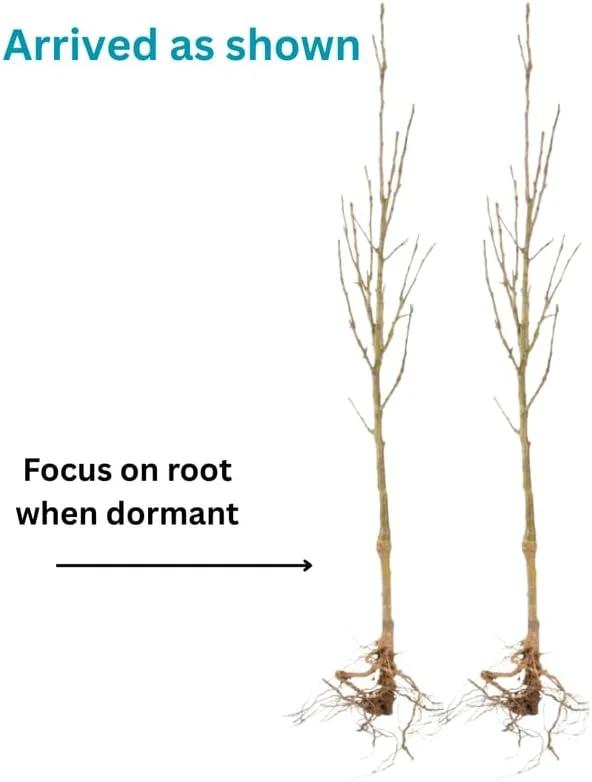
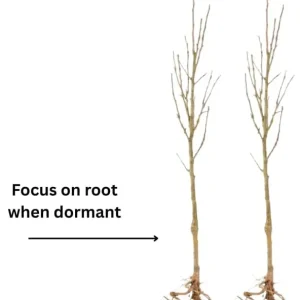
This offering is for a single blue wisteria tree live plant, provided as a 1-year-old seedling. Each plant typically measures between 6 to 13 inches in height from the base of the root ball to the tip of the tallest stem. This size is ideal for planting, allowing the young plant to establish quickly in its new environment. It ships as a healthy, actively growing specimen, ready for transplanting into your garden or a larger container. The growth rate of wisteria is quite vigorous, and with proper care, you can expect significant development in its first few years. When mature, a wisteria trained as a tree can reach heights of 10-25 feet, with a spread of 10-20 feet, depending on training and pruning.
The plant will arrive in a nursery pot, with its root system intact and protected, ensuring minimal transplant shock. The exact pot size may vary but will be appropriate for a plant of this age and size. Expect the first significant blooms to appear within 2-5 years after planting, with the display becoming more spectacular each subsequent year. This wisteria seedling offers the perfect opportunity to cultivate a beautiful, long-lived specimen for your landscape.
Frequently Asked Questions
- Q: How big does this plant get? A: This is a 1-year-old wisteria seedling measuring 6-13 inches tall. When mature and trained as a tree, a blue wisteria tree live plant can reach heights of 10-25 feet with a similar spread.
- Q: Is this an indoor or outdoor plant? A: This wisteria is an outdoor plant, best suited for planting directly in the ground in a sunny location in your garden. It is not recommended for long-term indoor cultivation.
- Q: How much sunlight does it need? A: A purple wisteria plant requires full sun, meaning at least 6 hours of direct sunlight per day, to ensure optimal growth and prolific flowering.
- Q: Is this plant easy to care for? A: Wisteria is relatively easy to care for once established, but it does require regular pruning to manage its vigorous growth and encourage abundant blooms. It’s a hardy plant suitable for various climates.
- Q: What condition will it arrive in? A: Your blue wisteria tree live plant will arrive as a healthy, actively growing seedling, packaged securely in its nursery pot to protect the roots during transit.
- Q: How long until it blooms? A: While this is a young seedling, you can typically expect the first significant blooms to appear within 2-5 years after planting, with the display becoming more impressive each year.
- Q: Will it survive winter in my zone? A: Wisteria is hardy in USDA Zones 5-9. If you are in these zones, it should survive winter outdoors. In colder zones, some winter protection may be beneficial for young plants.
- Q: What’s the best time to plant this wisteria outdoor? A: The best time to plant your wisteria is in early spring or early fall, allowing the plant sufficient time to establish its root system before extreme summer heat or winter cold.
- Q: What type of soil does a wisteria seedling prefer? A: Wisteria prefers well-drained, moderately fertile soil with a slightly acidic to neutral pH. Avoid heavy, waterlogged conditions.
- Q: Can I train this wisteria into a different form? A: Yes, while presented as a tree form seedling, wisteria is a versatile vine that can be trained to climb arbors, pergolas, or walls with appropriate support and pruning.


Reviews
There are no reviews yet.