Overview
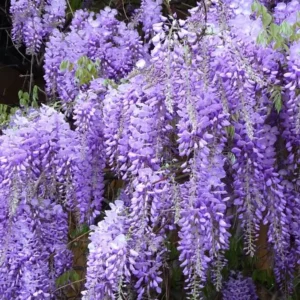
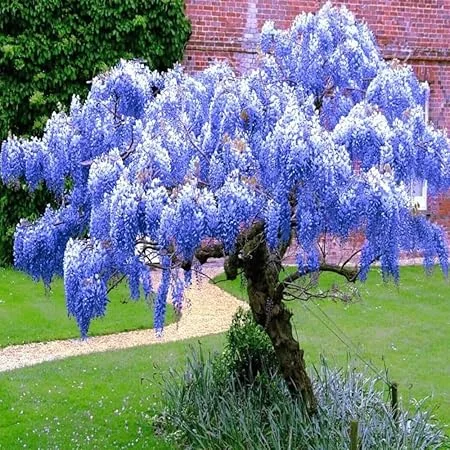
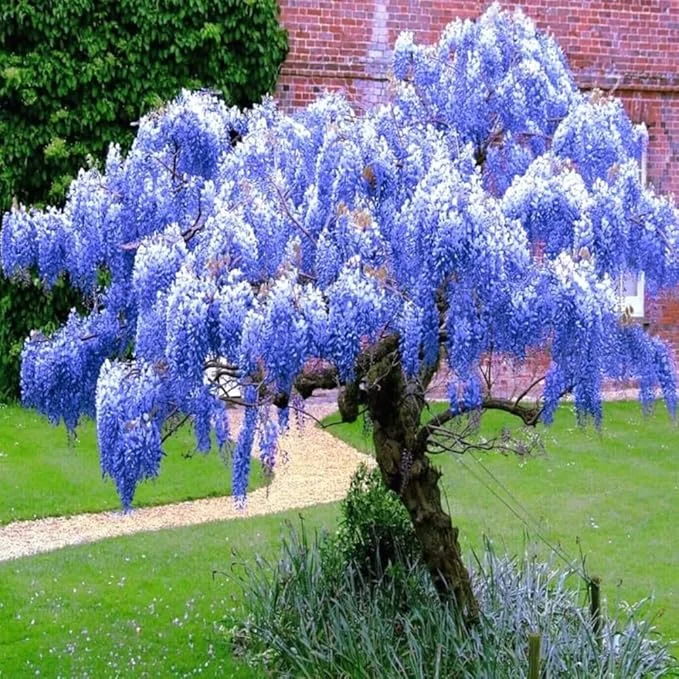
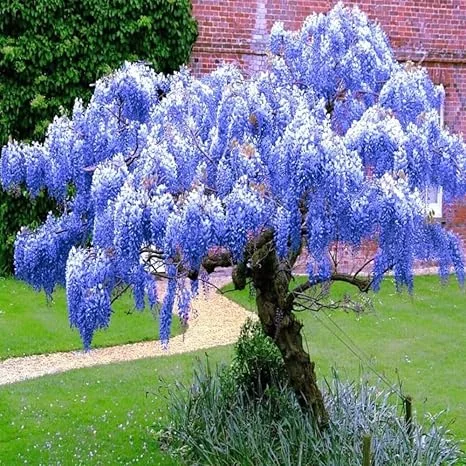
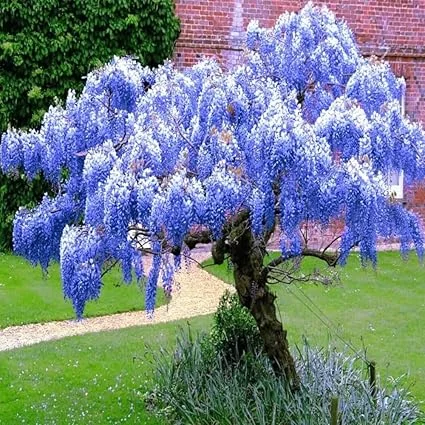
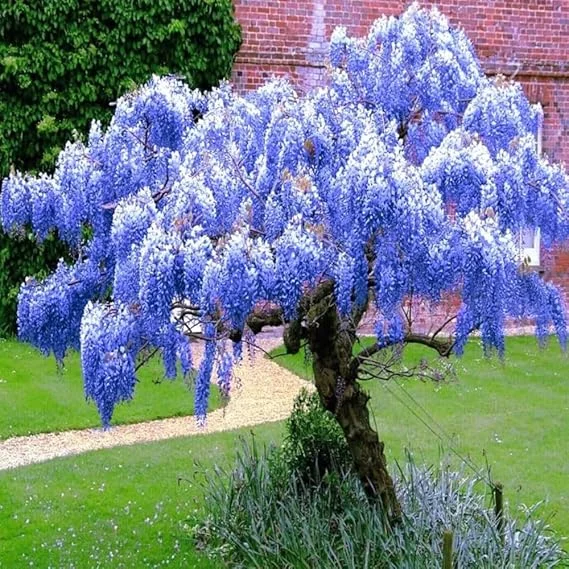
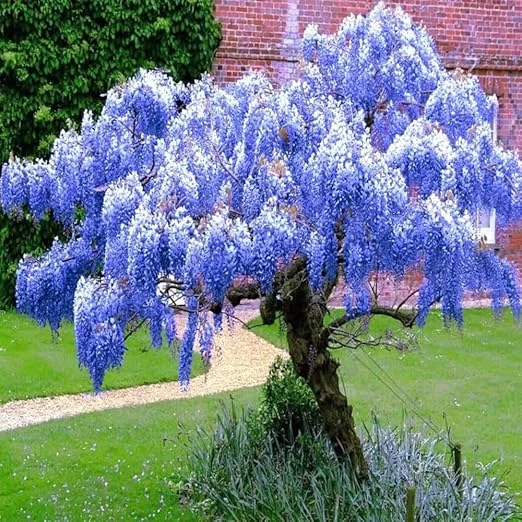
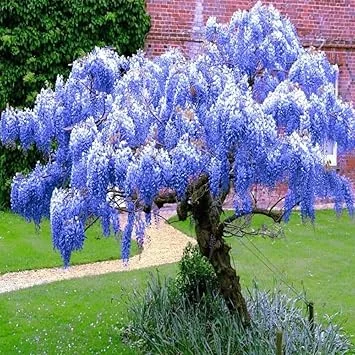
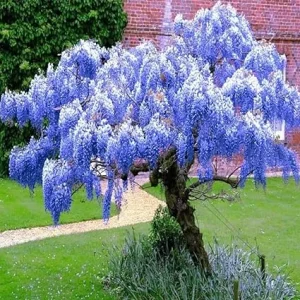
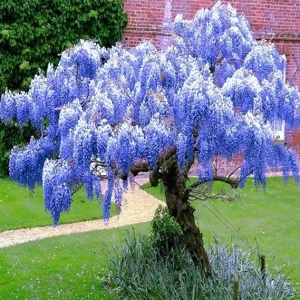
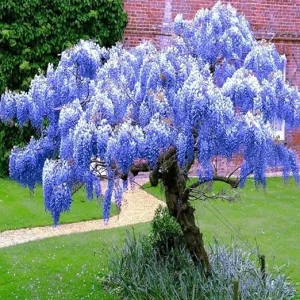
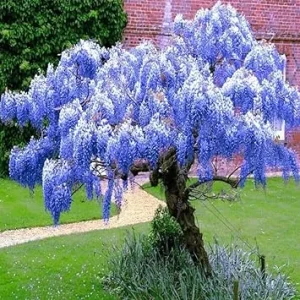
Transform your outdoor space into a picturesque haven with this stunning blue wisteria vine live plant. Known for its breathtaking, fragrant blue flowers that cascade gracefully, this plant is a true showstopper. Arriving well-rooted in a 2.5-inch pot and standing 6-12 inches tall, this young Wisteria plant is ready to be introduced to your garden. Wisteria, a member of the pea family (Fabaceae), is highly prized for its vigorous growth and spectacular floral display, making it a popular choice for gardeners seeking to add vertical interest and a touch of romance to their landscapes. This particular variety promises vibrant blue blooms, creating a serene and captivating atmosphere.
The blue wisteria vine live plant is a perennial, meaning it will return year after year, growing more magnificent with each passing season. It is a robust and resilient plant, suitable for various garden designs, from formal English gardens to more natural, sprawling landscapes. Its ability to climb makes it an excellent option for covering unsightly structures or enhancing existing features. During late fall and winter, the plant will enter dormancy, appearing leafless, which is a natural and healthy part of its growth cycle, ensuring it conserves energy for a spectacular spring bloom.
Key Benefits
Adding a blue wisteria vine live plant to your garden offers numerous advantages, enhancing both its aesthetic appeal and ecological value. This plant is not only beautiful but also resilient and relatively easy to care for, making it a rewarding choice for both novice and experienced gardeners.
- Fragrant Cascading Blooms: Enjoy the breathtaking beauty of elegant clusters of blue flowers that drape beautifully, filling your garden with a sweet, enchanting fragrance. These blooms are perfect for creating a serene and inviting outdoor environment.
- Fast-Growing Climber: This Wisteria is a vigorous grower, making it ideal for quickly covering trellises, pergolas, fences, and arbors. It rapidly establishes itself, providing ample shade and privacy while adding a dramatic vertical element to your landscape.
- Perennial Beauty: As a perennial, this hardy wisteria plant thrives in various conditions and returns year after year. It requires minimal long-term maintenance once established, offering continuous beauty and enjoyment without the need for annual replanting.
- Landscape Enhancement: Perfect for gardens, patios, and outdoor spaces, the blue wisteria adds significant curb appeal. Its lush foliage and spectacular flowers create a focal point, drawing the eye and enhancing the overall design of your property.
- Attracts Pollinators: The vibrant blue flowers attract beneficial pollinators like bees and butterflies, contributing to a healthier garden ecosystem and supporting local biodiversity.
- Durable and Resilient: Known for its hardiness, this plant can withstand various weather conditions once established, making it a reliable choice for long-lasting garden beauty.
- Stunning Visual Impact: The dramatic floral display of the blue wisteria vine live plant creates an unforgettable visual impact, providing a romantic and elegant backdrop for any outdoor setting.
Plant Care & Growing Tips
Caring for your blue wisteria vine live plant is straightforward, especially when you understand its basic needs. Wisteria thrives in conditions that mimic its natural habitat, requiring ample sunlight and well-draining soil to produce its most spectacular blooms. For optimal growth and flowering, ensure your plant receives at least six hours of direct sunlight per day. This plant truly excels in wisteria full sun exposure, which is crucial for prolific blooming. In areas with intense summer heat, some afternoon shade can be beneficial to prevent leaf scorch, but generally, more sun equals more flowers.
When it comes to watering, young Wisteria plants need consistent moisture to establish a strong root system. Water deeply and regularly, especially during dry spells, allowing the top inch or two of soil to dry out between waterings. Once established, Wisteria becomes more drought-tolerant, but it will still benefit from occasional deep watering during prolonged dry periods. The ideal soil type is a rich, well-draining loam. Avoid heavy clay soils that retain too much water, as this can lead to root rot. Amending your soil with compost or organic matter can improve drainage and fertility. Wisteria is a hardy wisteria plant and is generally tolerant of a wide range of soil pH, but prefers slightly acidic to neutral conditions.
Pruning is essential for managing the growth of your climbing wisteria for garden and encouraging abundant flowering. Wisteria is a vigorous grower, and without proper pruning, it can become unruly and produce fewer flowers. The main pruning should occur in late winter when the plant is dormant, focusing on removing dead or damaged branches and shaping the plant. A secondary pruning in mid-summer, after flowering, involves shortening long shoots to about 6 inches to encourage flower bud formation for the following year. Fertilize sparingly; too much nitrogen can promote leafy growth at the expense of flowers. Use a balanced fertilizer or one high in phosphorus and potassium in early spring. Wisteria is typically hardy in USDA zones 5-9, though specific hardiness can vary by variety. Protect young plants from frost in colder zones.
Size & Details
This blue wisteria vine live plant arrives as a healthy, well-rooted specimen, measuring approximately 6-12 inches in height. It is carefully potted in a 2.5-inch container, providing a stable environment for its initial growth and ensuring it travels well. Wisteria is known for its rapid growth rate, and once established in your garden, it can quickly reach impressive sizes, often growing 10-30 feet tall with proper support. Expect this plant to establish quickly, with significant growth seen in its first few seasons. While it may take a few years for a young plant to produce its first blooms, the wait is well worth it for the spectacular display of fragrant wisteria blooms it will eventually offer. This plant ships as a live, actively growing plant, ready to be transplanted into its permanent home. During the dormant season in late fall and winter, the plant will naturally be leafless, which is a normal and healthy state.
Frequently Asked Questions
- Q: How big does this blue wisteria vine live plant get? A: Once established, this blue wisteria vine live plant is a vigorous climber and can reach heights of 10-30 feet or more, depending on the support structure and pruning. Its spread can also be quite extensive, creating a lush canopy of foliage and flowers.
- Q: What size pot does it come in? A: This Wisteria plant is shipped in a 2.5-inch nursery pot, ensuring it has a healthy root system and is ready for transplanting upon arrival. This size is ideal for a young, establishing plant.
- Q: Is this an indoor or outdoor plant? A: Wisteria is primarily an outdoor plant, thriving in full sun and requiring space to climb and grow. It is not suitable for long-term indoor cultivation, as it needs outdoor conditions to flower properly.
- Q: How much sunlight does it need? A: For the best flowering performance, this hardy wisteria plant requires at least 6 hours of direct sunlight per day. It performs best in wisteria full sun conditions. Insufficient light can lead to poor blooming.
- Q: Is this plant easy to care for? A: While Wisteria is a vigorous grower, it requires consistent pruning to manage its size and encourage flowering. Once established, it is relatively low-maintenance, but initial care and ongoing pruning are essential for its best display.
- Q: What condition will it arrive in? A: Your blue wisteria vine live plant will arrive well-rooted in its 2.5-inch pot. During the dormant season (late fall through winter), it will arrive leafless, which is normal for this deciduous plant and indicates it is healthy and ready for spring growth.
- Q: How long until it blooms? A: Wisteria plants grown from young cuttings or plants like this one typically take 3-5 years to establish and begin flowering prolifically. Patience is key, as the spectacular blooms are well worth the wait.
- Q: When is the best time to plant? A: The best time to plant Wisteria is in spring or early fall, allowing the plant sufficient time to establish its root system before extreme summer heat or winter cold.
- Q: Will it survive winter in my zone? A: This climbing wisteria for garden is generally hardy in USDA Zones 5-9. If you are in a colder zone, ensure adequate winter protection, or consider bringing potted plants into a sheltered area.
- Q: What kind of support does it need? A: Due to its vigorous climbing nature, Wisteria requires a strong, sturdy support structure such as a heavy-duty trellis, arbor, pergola, or a robust fence. Ensure the support can handle the plant’s mature weight.


Reviews
There are no reviews yet.