Overview
Discover the secret to a thriving garden with our high-quality bone meal fertilizer. This all-natural, organic soil amendment is derived from animal bones, carefully processed to create a slow-release source of vital nutrients. Primarily celebrated for its rich phosphorus content, bone meal is indispensable for encouraging vigorous root growth, enhancing flower and fruit development, and supporting overall plant health. Gardeners have trusted bone meal for generations as a foundational building block for robust plant systems, ensuring a bountiful harvest and vibrant displays. Our organic bone meal provides a sustainable and environmentally friendly way to nourish your plants, making it a perfect choice for both novice and experienced gardeners seeking superior results.
Whether you’re starting new plants, nurturing established ones, or preparing garden beds, incorporating plant bone meal into your routine can significantly improve soil fertility and plant performance. It’s especially beneficial for flowering bulbs, shrubs, and fruiting plants that require a steady supply of phosphorus throughout their growth cycle. This gentle, long-lasting fertilizer works with the soil’s microbiology to gradually release nutrients, preventing nutrient burn and promoting a balanced ecosystem. Embrace the power of nature to cultivate a healthier, more productive garden.
Key Benefits
Our bone meal fertilizer offers a multitude of advantages for your garden, supporting plant health and productivity through its unique nutritional profile. It’s a cornerstone for organic gardening practices, delivering essential elements in a natural, sustainable form.
- Promotes Strong Root Development: The high phosphorus content in bone meal is crucial for stimulating robust root growth, helping plants establish quickly and absorb water and nutrients more efficiently from the soil.
- Enhances Flowering and Fruiting: Phosphorus is a key nutrient for flower and fruit formation. Regular application of bone meal can lead to more abundant blooms and a greater yield of fruits and vegetables.
- Provides Essential Calcium: Beyond phosphorus, bone meal supplies calcium, which is vital for cell wall development, disease resistance, and preventing common issues like blossom end rot in tomatoes.
- Slow-Release Nutrition: As an organic amendment, bone meal breaks down slowly in the soil, providing a steady and consistent supply of nutrients over an extended period without the risk of over-fertilization.
- Improves Soil Structure: Incorporating organic bone meal can contribute to healthier soil by providing organic matter that supports beneficial microbial activity, leading to improved soil tilth and aeration.
- Supports Overall Plant Health: With its balanced supply of phosphorus and calcium, bone meal for plants helps build stronger, more resilient plants that are better equipped to withstand environmental stresses and pests.
- Versatile Application: Suitable for a wide range of plants including vegetables, flowers, bulbs, trees, and shrubs, making it a versatile addition to any gardener’s toolkit.
Plant Care & Growing Tips
Using bone meal fertilizer effectively involves understanding its properties and how it interacts with your garden’s soil. As a slow-release fertilizer, its benefits are realized over time, making consistent application key. Bone meal is most effective when soil pH is slightly acidic to neutral (6.0-7.0), as this allows for optimal phosphorus availability. If your soil is highly alkaline, phosphorus can become locked up and unavailable to plants. Consider a soil test to determine your garden’s pH and nutrient levels before application.
When applying, ensure the bone meal is thoroughly mixed into the soil, especially around the root zone. For new plantings, sprinkle a few tablespoons in the bottom of each hole before placing the plant, then mix with a thin layer of soil to prevent direct contact with roots. For established plants, gently work the bone meal garden into the top few inches of soil around the plant’s drip line. Water thoroughly after application to help the decomposition process begin. Avoid surface application without incorporation, as phosphorus has low mobility in soil and needs to be near the roots to be effective. Reapply every 3-4 months during the growing season for continuous nourishment.
While bone meal is excellent for phosphorus and calcium, it is not a complete fertilizer. It contains very little nitrogen and potassium, which are also essential macronutrients. For comprehensive plant nutrition, consider using bone meal in conjunction with other organic amendments like compost or blood meal, which provide nitrogen, or potash for potassium. This holistic approach ensures your plants receive a full spectrum of nutrients for vigorous growth, abundant blooms, and healthy fruit production. Always store bone meal in a cool, dry place and keep out of reach of pets, as it can be attractive to them.
Size & Details
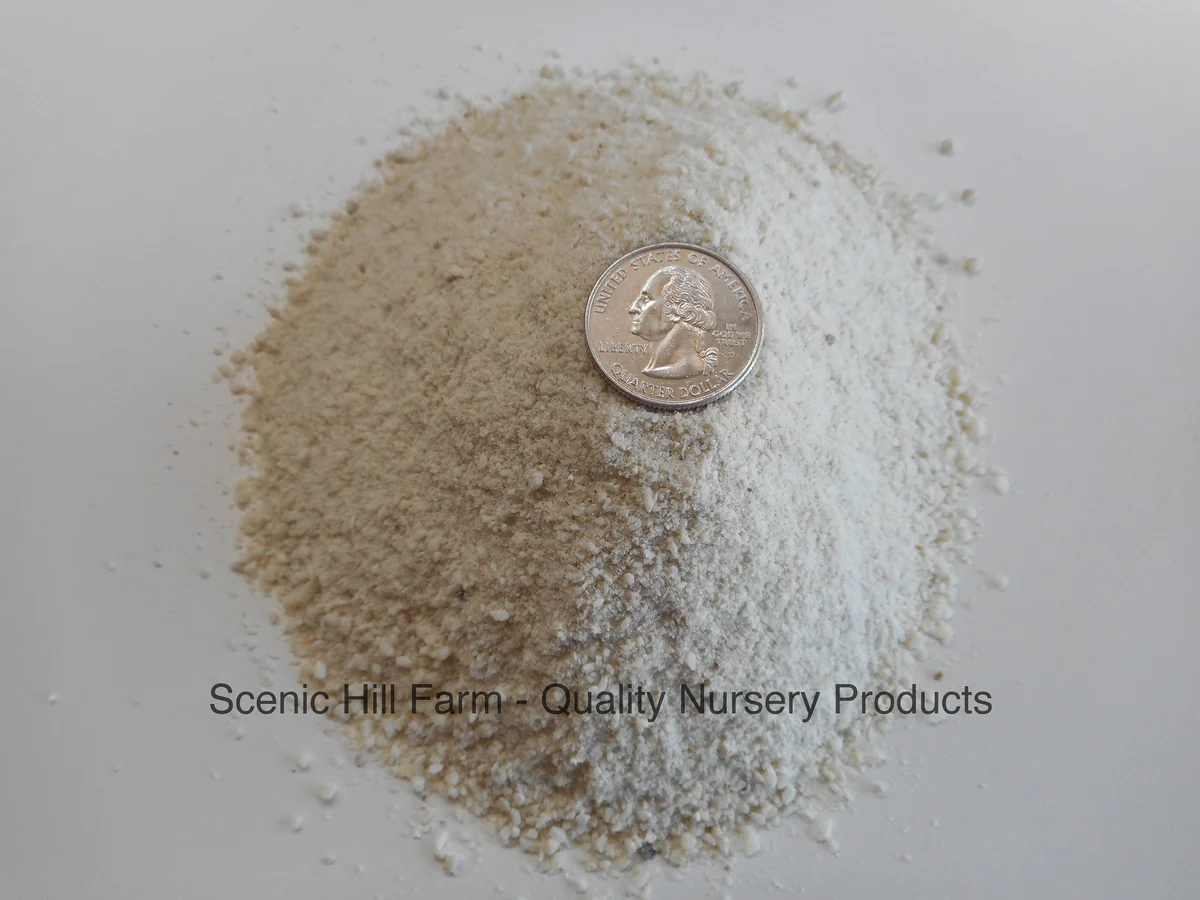
Our bone meal fertilizer is available in a variety of convenient sizes to suit gardens of all scales. Choose from 15 oz., 2 Pounds, 5 Pounds, 10 Pounds, and 20 Pounds quantities. This allows you to select the perfect amount for your specific gardening needs, whether you’re tending to a few potted plants or a large vegetable patch. Bone meal is a finely ground powder, making it easy to incorporate into soil mixes or spread evenly across garden beds. The slow-release nature of the product means that one application can provide sustained nutrition for several months, reducing the frequency of re-application.
Recommended application rates are 5-10 pounds per 100 square feet for general garden beds, or 3-6 pounds per cubic yard of soil mix for potting or raised beds. For individual plants, a few tablespoons in the bottom of each hole before planting is typically sufficient. This product is intended for use as a soil amendment and nutrient supplement, providing essential phosphorus and calcium to plants throughout their growth cycle. It’s a natural and effective way to support healthy root development and promote prolific flowering and fruiting in your garden.
Frequently Asked Questions
- Q: What is bone meal fertilizer primarily used for? A: Bone meal fertilizer is primarily used as an organic source of phosphorus and calcium, which are crucial for promoting strong root development, enhancing flowering, and improving fruit production in plants. It’s a foundational nutrient for healthy growth.
- Q: How often should I apply bone meal to my garden? A: Due to its slow-release nature, bone meal typically needs to be applied every 3-4 months during the active growing season. For new plantings, an initial application at planting time is usually sufficient to get them started.
- Q: Is bone meal safe for all types of plants? A: Yes, plant bone meal is generally safe and beneficial for a wide range of plants including vegetables, flowers, bulbs, shrubs, and trees. It’s particularly useful for plants that are heavy feeders of phosphorus.
- Q: Can I use bone meal for indoor potted plants? A: Absolutely! You can incorporate a small amount of bone meal into the potting mix when repotting indoor plants or gently work it into the topsoil of established potted plants to provide a slow and steady nutrient release.
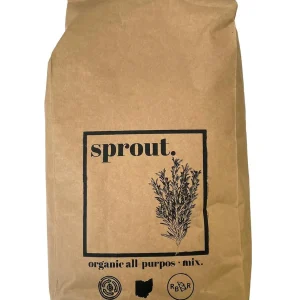
- Q: What condition will the bone meal arrive in? A: Your bone meal will arrive as a finely ground, dry powder in a sealed package, ensuring its quality and ease of use. It’s ready to be incorporated directly into your garden or potting mixes upon arrival.
- Q: Does bone meal attract animals or pests? A: While rare, the natural scent of bone meal can sometimes attract animals. It’s best to thoroughly mix the bone meal garden into the soil and cover it to minimize any potential attraction to pets or wildlife.
- Q: What are the main nutrients provided by bone meal? A: The primary nutrients provided by bone meal are phosphorus, which is essential for energy transfer and root growth, and calcium, important for cell structure and disease resistance.
- Q: Is this an organic product? A: Yes, our bone meal is an all-natural, organic product derived from animal bones, making it an excellent choice for organic gardening practices.
- Q: How does bone meal compare to other fertilizers? A: Bone meal is a specialized fertilizer rich in phosphorus and calcium. Unlike balanced synthetic fertilizers, it has very low nitrogen and potassium, making it ideal for supplementing these specific nutrients rather than providing a complete feeding.
- Q: Can I add bone meal to my compost pile? A: Yes, adding organic bone meal to your compost pile can enrich the compost with phosphorus and calcium, enhancing its nutritional value for your garden once it’s ready for use.


Reviews
There are no reviews yet.