Overview
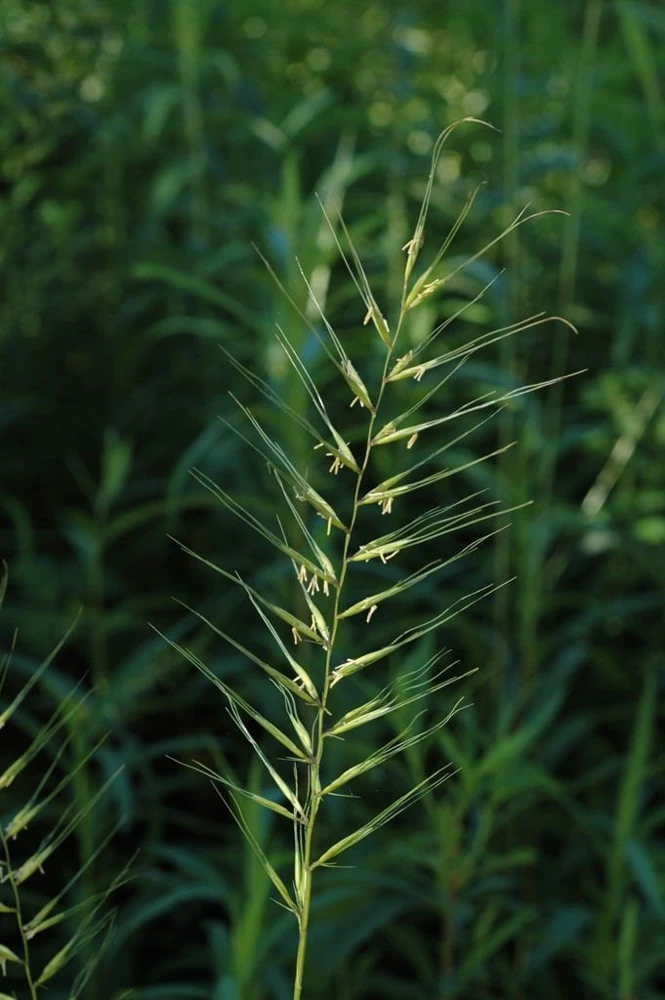
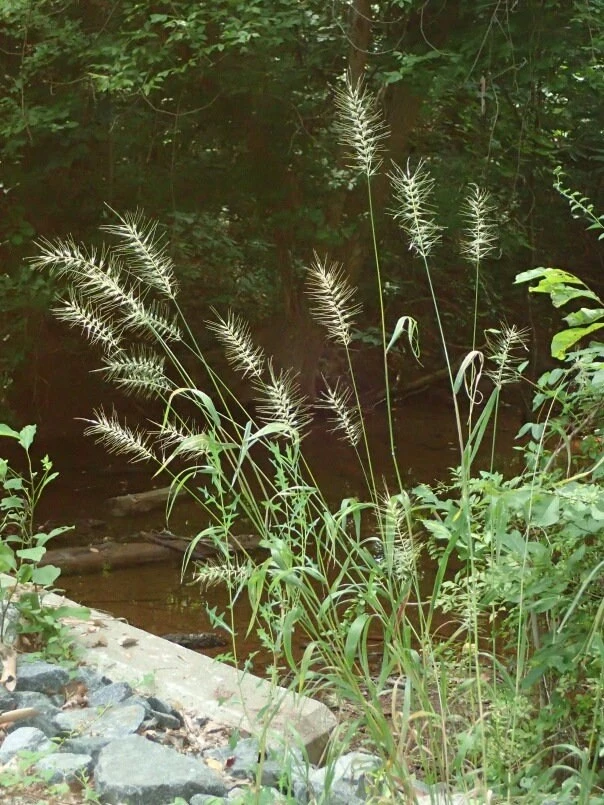
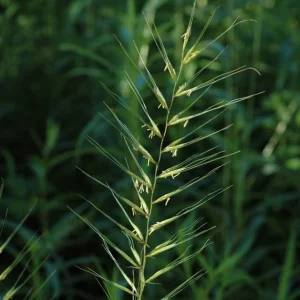
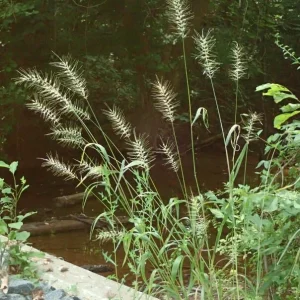
Introduce a touch of wild elegance to your landscape with our bottlebrush grass live plant (Elymus hystrix). This remarkable native perennial is celebrated for its distinctive, airy, spiky seed heads that emerge in midsummer, resembling the brushes from which it gets its common name. Elymus hystrix, also known as Eastern bottlebrush grass, is a robust and adaptable plant that adds significant texture and visual interest, particularly in shaded garden areas where other grasses often struggle. As a live starter plant, it provides an excellent foundation for establishing this beautiful and low-maintenance ornamental grass in your garden. Its deep green, narrow leaves form an appealing clump, making it a versatile addition to various garden designs.
The unique appearance of the bottlebrush seed heads creates a dynamic focal point throughout the growing season. This bottlebrush grass live plant is not just visually appealing; it’s also a hardy survivor, making it a fantastic choice for gardeners seeking resilient and attractive native species. It offers an effortless way to enhance biodiversity and create a naturalized look in your outdoor spaces, proving that beauty and durability can go hand-in-hand in the garden.
Key Benefits
The bottlebrush grass live plant offers a multitude of advantages for any gardener looking to enhance their outdoor space with a resilient and attractive native species. Its unique characteristics make it a standout choice:
- Unique Ornamental Appeal: Produces pretty, airy, spiky, soft bottlebrush seed heads in midsummer that create exceptional texture and interest, especially in shade gardens. These distinctive blooms provide year-round visual appeal.
- Shade Tolerance: Thrives in shaded conditions where many other grasses fail, making it perfect for woodland gardens or under tree canopies. This adaptability significantly expands your planting options.
- Adaptable Soil Conditions: Extremely versatile, this grass can grow in a wide range of soil types, including clay, sandy soils, and rich garden soil. This resilience makes elymus hystrix care incredibly straightforward.
- Native Species: As a native grass found across a broad region of North America, it supports local ecosystems and requires less intervention once established. Planting native species like bottlebrush grass live plant contributes to ecological health.
- Deer and Critter Resistant: Naturally deterred by deer and other common garden critters, you can enjoy its beauty without constant worry about browsing damage. This makes it an ideal choice for gardens prone to wildlife visits.
- Low Maintenance: Once established, this hardy perennial requires minimal care, making it excellent for busy gardeners or those seeking an easy-to-grow ornamental grass. Its robust nature ensures long-term enjoyment.
- Hardy Perennial: Reliably returns year after year, offering consistent beauty and texture in your garden. It is hardy in USDA Zones 4-9, ensuring broad applicability.
Plant Care & Growing Tips
Caring for your bottlebrush grass live plant (Elymus hystrix) is generally straightforward, thanks to its adaptable and resilient nature. For optimal growth, provide it with partial to full shade. While it can tolerate some sun, especially in cooler climates, it truly thrives in shadier spots, which is a significant advantage for those challenging areas in your garden. Regarding watering, elymus hystrix care involves keeping the soil consistently moist during its establishment phase. Once mature, it is quite drought-tolerant, particularly in shaded conditions. However, regular watering during prolonged dry spells will help it maintain its lush appearance.
This grass is highly adaptable to various soil types, including clay, sandy, and rich garden soils, as long as there is decent drainage. It’s known for its ability to grow where other grasses won’t, making it a truly versatile choice. No specific fertilization regimen is typically needed for native shade grass like Bottlebrush Grass, as it performs well in average garden soil. If your soil is particularly poor, a light application of a balanced, slow-release fertilizer in early spring can be beneficial. It is hardy in USDA Zones 4-9, making it suitable for a wide range of climates. This plant is also naturally resistant to deer and other common garden pests, reducing the need for chemical interventions. Minimal pruning is required; you can cut back the previous year’s foliage in late winter or early spring before new growth emerges to maintain a tidy appearance. This also helps promote vigorous new growth for the season.
Size & Details
This offering is for one healthy, well-rooted bottlebrush grass live plant (Elymus hystrix) starter plant. Each plant typically measures 8-12 inches tall upon arrival and is shipped in a 2.5 inch by 3.5 inch pot, providing a robust root system ready for transplanting. While the exact height may vary slightly due to natural growth and shipping preparations, each plant is carefully selected to ensure a strong start in your garden. Bottlebrush Grass generally reaches a mature height of about three feet, with its distinctive flowers rising approximately a foot above the foliage, creating an impressive display. Its deep green, narrow leaves form an attractive clump, providing excellent ground cover and texture. This native grass is known for its moderate growth rate, establishing itself well within the first year and showing significant development in subsequent seasons. It’s a long-lived perennial, offering many years of beauty. You can expect the first airy, spiky seed heads to appear in midsummer, bringing unique character to your landscape. This bottlebrush grass for garden use is perfectly sized for immediate planting, allowing you to quickly integrate this beautiful ornamental into your design.
Frequently Asked Questions
- Q: How big does this bottlebrush grass live plant get? A: This plant typically reaches a mature height of about three feet, with its unique bottlebrush seed heads rising an additional foot above the foliage. It forms an attractive clump that adds significant texture to the garden.
- Q: Is this an indoor or outdoor plant? A: Bottlebrush Grass (Elymus hystrix) is an outdoor perennial grass, perfectly suited for garden beds, borders, and naturalized areas. It thrives in various outdoor conditions and is hardy in USDA Zones 4-9.
- Q: How much sunlight does elymus hystrix care require? A: This grass prefers partial to full shade, making it an excellent choice for shaded garden areas where other grasses might not flourish. It can tolerate some morning sun but performs best with protection from intense afternoon light.
- Q: Is this plant easy to care for? A: Yes, Bottlebrush Grass is considered a low-maintenance plant. Once established, it is drought-tolerant and adaptable to various soil types, making it an easy-to-grow perennial for both novice and experienced gardeners.
- Q: What condition will the native shade grass arrive in? A: You will receive one healthy, well-rooted starter plant, typically 8-12 inches tall, in a 2.5″x3.5″ pot. The plants are carefully prepared and packaged to ensure they arrive in good health, ready for planting.
- Q: Is this grass deer resistant grass? A: Yes, Bottlebrush Grass is known for being deer and critter resistant. Its texture and taste are generally not appealing to these animals, helping to protect your garden from browsing damage.
- Q: When is the best time to plant Bottlebrush Grass? A: The best time to plant this grass is in spring or early fall, allowing it ample time to establish its root system before extreme summer heat or winter cold. However, potted starter plants can be planted throughout the growing season.
- Q: What type of soil does bottlebrush grass for garden prefer? A: This versatile grass is adaptable to a wide range of soil conditions, including clay, sandy, and rich garden soils. Good drainage is beneficial, but it’s known to tolerate less-than-ideal conditions where other grasses might struggle.
- Q: Will it survive winter in my zone? A: Bottlebrush Grass is hardy in USDA Zones 4-9, meaning it will reliably return each year in these climates. It’s a robust perennial that withstands cold temperatures well once established.
- Q: Does this grass attract any beneficial wildlife? A: As a native grass, it provides habitat and can be a food source for certain insects and birds, contributing to local biodiversity and supporting the ecosystem in your garden.


Reviews
There are no reviews yet.