Overview
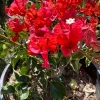
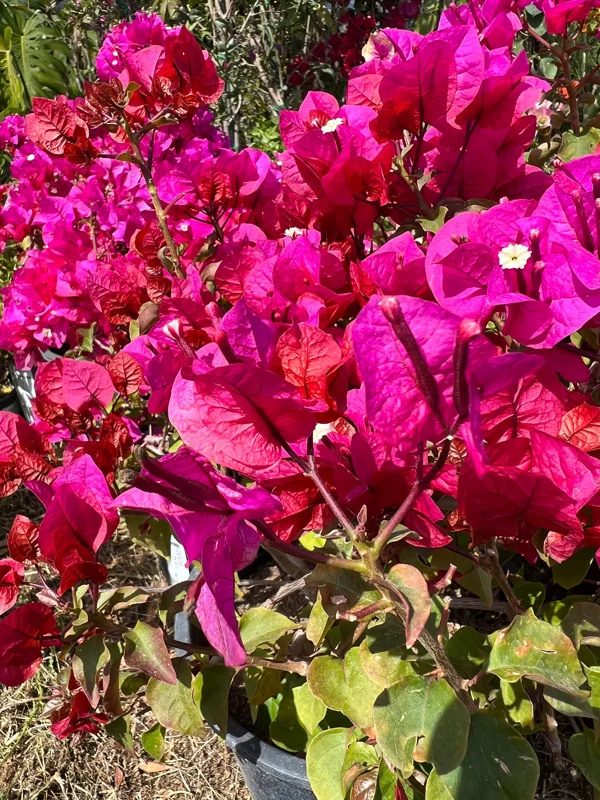
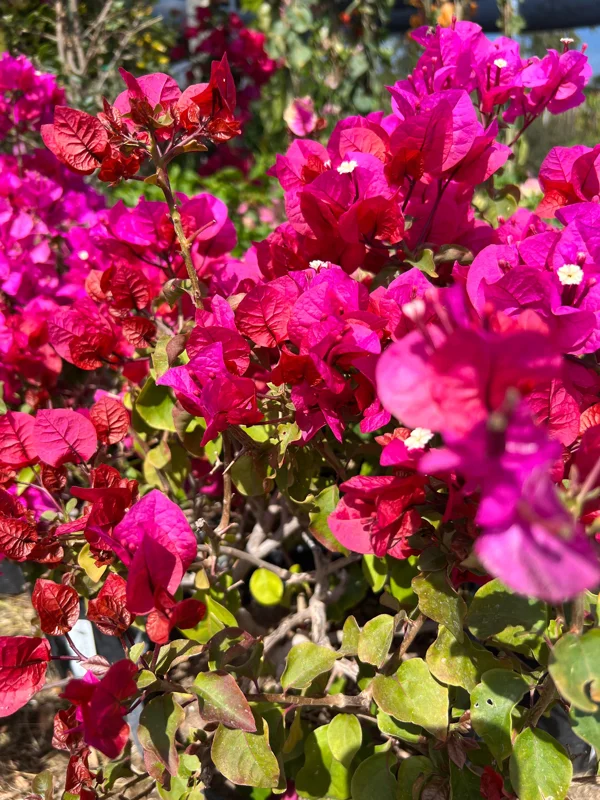
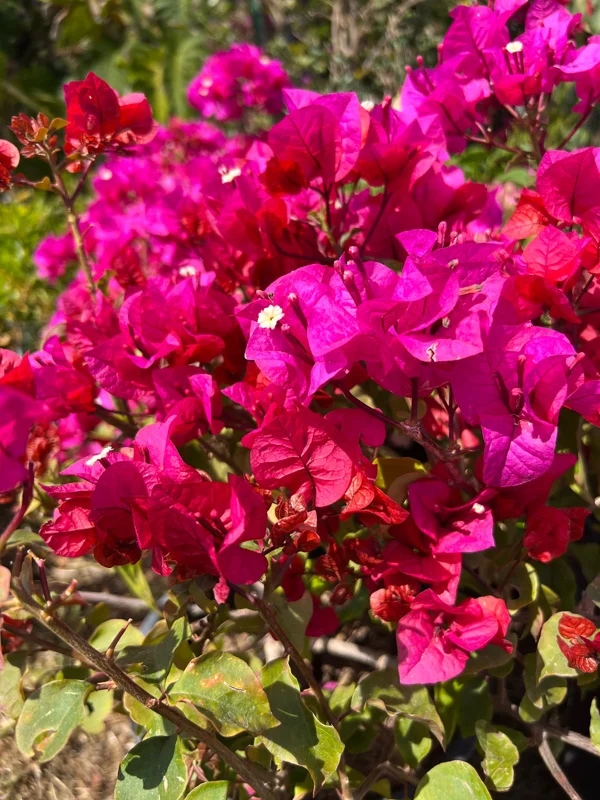
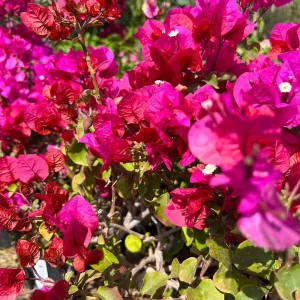
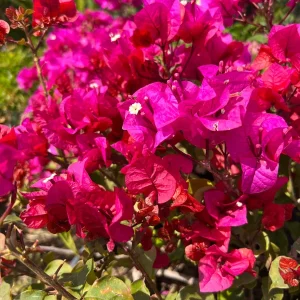
Introduce a splash of intense, fiery color to your outdoor space with the stunning bougainvillea temple fire bush. This vigorous and beautiful live plant is renowned for its brilliant, papery bracts that create an unforgettable display, often mistaken for flowers. The ‘Temple Fire’ variety is particularly cherished for its rich, vibrant hues, ranging from deep reds to bright oranges, making it a focal point in any garden. Arriving as a healthy 1-2 foot tall specimen in a 3-gallon nursery pot, this bougainvillea is ready to be planted and admired. Its robust nature and prolific blooming habit make it a favorite for gardeners looking to add drama and tropical flair to their landscapes, whether as a standalone shrub, a climbing vine, or a container plant. While some plants may not have flowers upon arrival, with proper care, this resilient plant will soon produce its characteristic vibrant display.
Key Benefits
The bougainvillea temple fire bush offers numerous advantages for any gardener seeking to enhance their outdoor living areas with minimal fuss and maximum impact. Its striking appearance and adaptable nature make it a top choice for a variety of landscaping needs.
- Spectacular Visual Appeal: Enjoy a continuous show of fiery red and orange bracts that transform your garden into a tropical paradise. The intense coloration of the bougainvillea outdoor plant is truly captivating.
- Drought Tolerant: Once established, this bougainvillea requires minimal watering, making it an excellent choice for xeriscaping or regions with water restrictions.
- Versatile Landscaping: Perfect for growing as a shrub, training as a climbing vine on trellises, or showcasing in large containers on patios and balconies.
- Long Blooming Season: Provides vibrant color for extended periods, especially in warmer climates, keeping your garden lively for months.
- Low Maintenance: Requires relatively little care once established, making it suitable for busy gardeners. Understanding proper bougainvillea care ensures a thriving plant.
- Attracts Pollinators: While the true flowers are small, the colorful bracts can attract hummingbirds and butterflies to your garden.
- Erosion Control: Its extensive root system can help stabilize soil on slopes.
Plant Care & Growing Tips
To ensure your bougainvillea temple fire bush thrives and produces its signature spectacular blooms, understanding its specific care requirements is crucial. This plant loves warmth and sun, mimicking its native tropical and subtropical environments.
Sunlight Requirements: Bougainvillea absolutely demands full sun to flourish, ideally receiving at least 6 hours of direct sunlight per day. The more sun it gets, the more prolific and vibrant its blooms will be. In shadier conditions, the plant will produce more foliage and fewer, less intense bracts. For optimal performance, choose a south-facing location in your garden or a very sunny spot on your patio.
Watering Schedule and Soil Moisture: While bougainvillea is drought-tolerant once established, consistent watering is important during its initial growth phase. Allow the soil to dry out between waterings. Overwatering can lead to root rot and inhibit blooming. During hot, dry periods, water deeply once every 7-10 days. Reduce watering in cooler months. Good drainage is paramount; never let the plant sit in standing water.
Soil Type and Drainage: This plant prefers well-draining soil with a slightly acidic to neutral pH (6.0-7.0). A sandy loam mix enriched with organic matter is ideal. If planting in a container, use a high-quality potting mix specifically formulated for flowering shrubs or a mix with added perlite or sand to improve drainage. Ensure the pot has ample drainage holes.
Temperature Range and USDA Hardiness Zone: The temple fire bougainvillea is a warm-weather plant. It thrives in USDA Hardiness Zones 9-11, where it can be grown as a perennial. In colder zones, it can be grown as an annual or brought indoors during winter. It prefers temperatures between 60-85°F (15-30°C) and can tolerate brief dips below freezing, but prolonged cold will damage or kill the plant. Protect from frost.
Fertilization Schedule and Type: Fertilize your bougainvillea during its active growing and blooming seasons (spring through fall). Use a balanced fertilizer (e.g., 5-10-5 or 6-8-10) with micronutrients, or one specifically formulated for flowering plants. Avoid high-nitrogen fertilizers, which promote foliage growth over blooms. Fertilize every 4-6 weeks, following package instructions. Reduce or stop fertilizing in winter.
Common Problems and Solutions: Bougainvillea is relatively pest-resistant. Watch out for aphids, mealybugs, or spider mites, which can be treated with insecticidal soap. The most common issue is a lack of blooms, usually due to insufficient sunlight, overwatering, or too much nitrogen fertilizer. Adjust these factors to encourage flowering. Yellowing leaves can indicate overwatering or nutrient deficiency.
Size & Details
This offering is for one healthy bougainvillea temple fire bush, a live plant that arrives ready for transplanting. Each plant typically measures between 1 to 2 feet in height from the base of the soil to the top of the foliage, providing a substantial starting point for your garden. It is carefully shipped in a 3-gallon nursery pot, ensuring the root system is well-established and protected during transit. Bougainvillea is known for its moderate to fast growth rate, and with optimal conditions, it can quickly grow several feet in a season, eventually reaching heights of 15-30 feet if trained as a vine, or 3-8 feet as a free-standing shrub with a similar spread. The vibrant bracts are the main attraction, and while the plant may not be in bloom upon arrival, it will soon produce its characteristic fiery display, especially during the warmer months. This bougainvillea outdoor plant is a robust specimen, perfect for creating dynamic and colorful garden features.
Frequently Asked Questions
- Q: How big does this plant get? A: This bougainvillea temple fire bush is shipped at 1-2 feet tall in a 3-gallon pot. When mature, it can reach heights of 3-8 feet as a shrub or up to 15-30 feet if trained as a climbing vine, with a spread of similar dimensions.
- Q: Is this an indoor or outdoor plant? A: The Bougainvillea ‘Temple Fire’ is primarily an outdoor plant, thriving in full sun. In USDA Zones 9-11, it can be grown year-round outdoors. In colder climates, it can be grown in containers and brought indoors during winter.
- Q: How much sunlight does it need? A: For abundant and vibrant blooms, this bougainvillea requires at least 6 hours of direct sunlight per day. More sun generally leads to better flowering.
- Q: Is this plant easy to care for? A: Once established, bougainvillea is relatively low-maintenance, especially regarding water. Its main requirements are plenty of sun and well-draining soil. Following simple bougainvillea care guidelines will ensure success.
- Q: What condition will it arrive in? A: Your vibrant bougainvillea will arrive as a healthy, live plant in a 3-gallon nursery pot. While some plants might not have flowers upon arrival, they are well-rooted and ready for planting.
- Q: How long until it blooms? A: With adequate sunlight and proper care, your bougainvillea should begin to produce its fiery bracts within a few weeks to months after planting, especially during its active growing season.
- Q: Will it survive winter in my zone? A: This plant is cold-sensitive. It thrives outdoors year-round in USDA Zones 9-11. In colder zones, it must be protected from frost or brought indoors to survive the winter.
- Q: What is the best soil for this plant? A: Bougainvillea prefers well-draining soil. A sandy loam mix or a high-quality potting mix with added perlite for improved drainage is ideal. Avoid heavy, water-retentive soils.
- Q: Can I grow this plant in a container? A: Yes, the temple fire bougainvillea is an excellent choice for container planting. Ensure the container is large enough to accommodate its growth and has good drainage holes.
- Q: How often should I fertilize for best blooms? A: Fertilize during the active growing and blooming seasons (spring through fall) every 4-6 weeks with a balanced fertilizer or one low in nitrogen and higher in phosphorus and potassium to encourage flowering.


Reviews
There are no reviews yet.