

Overview
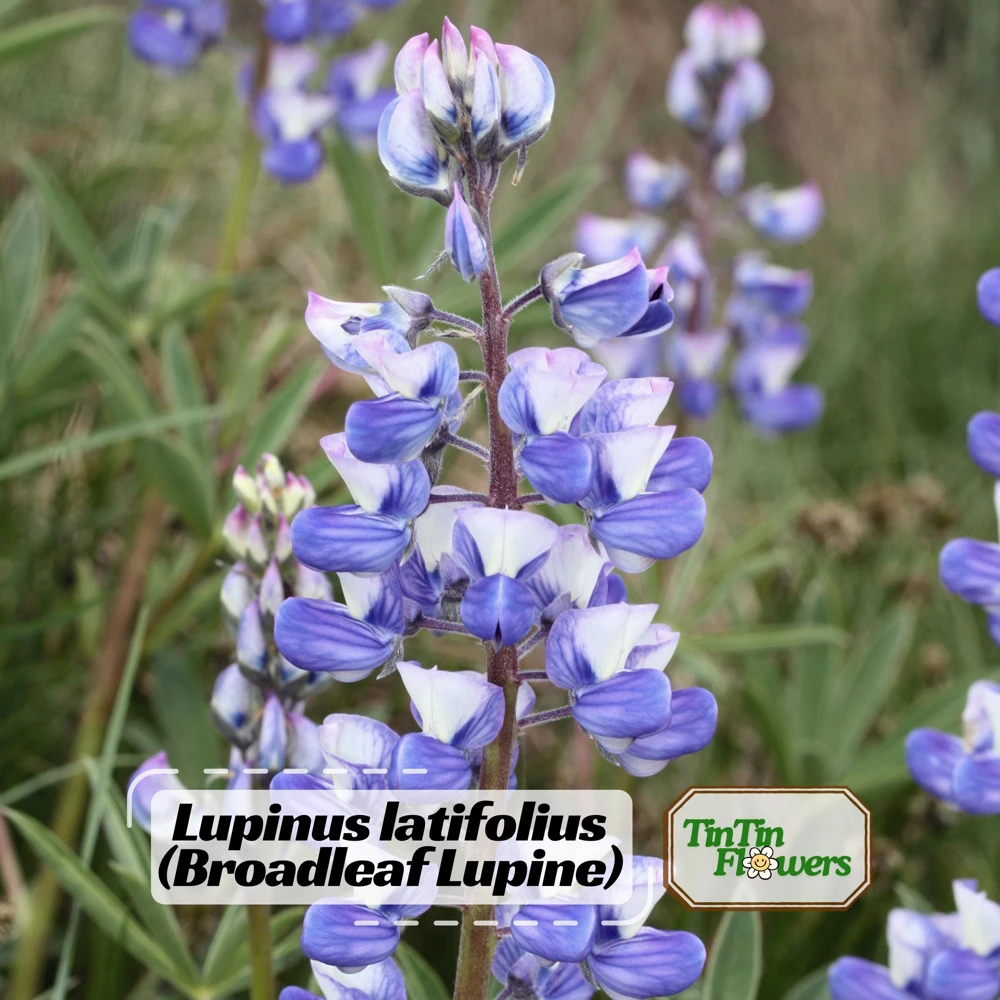
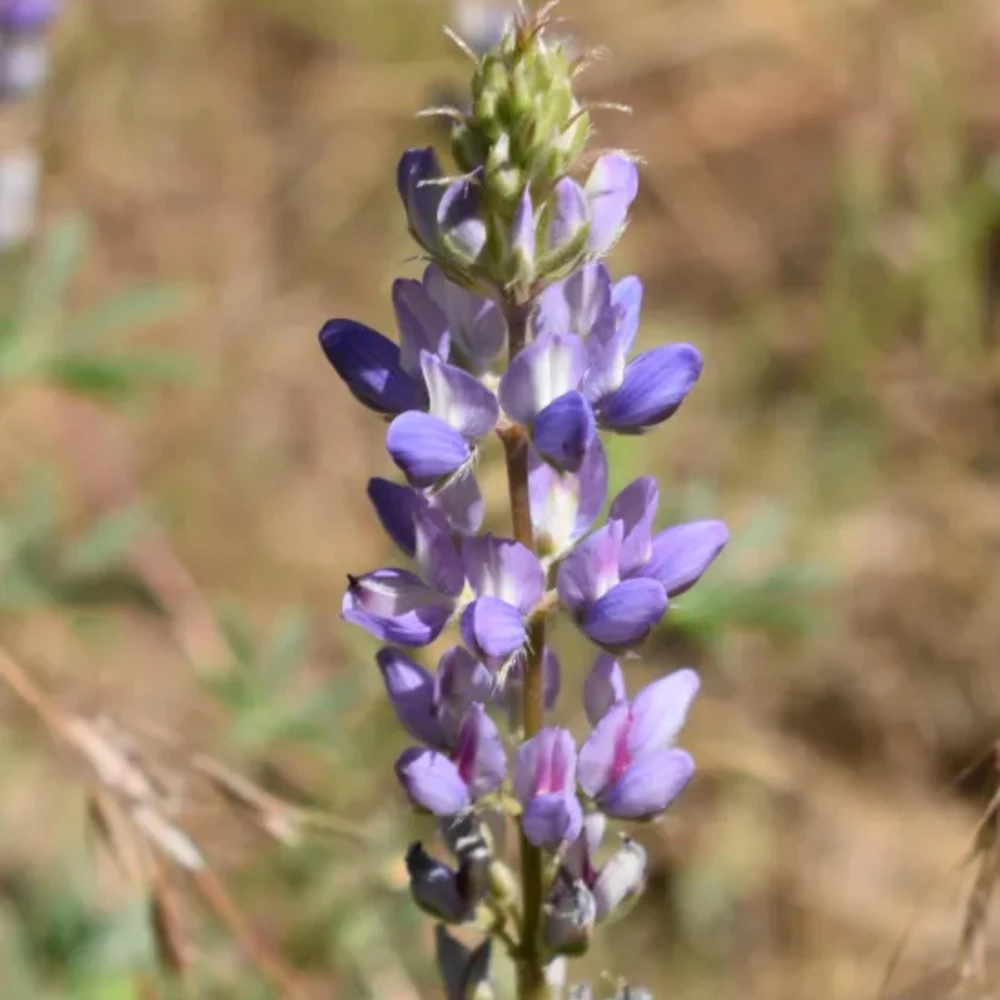
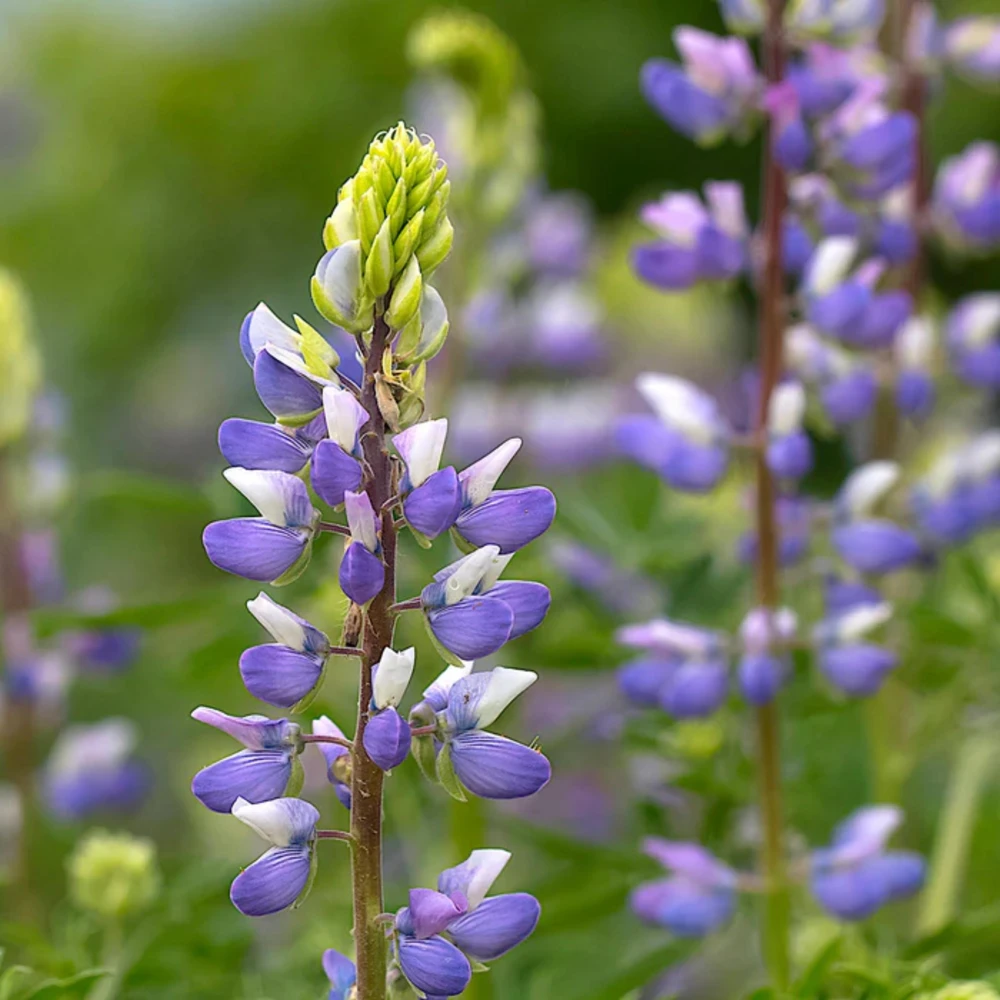
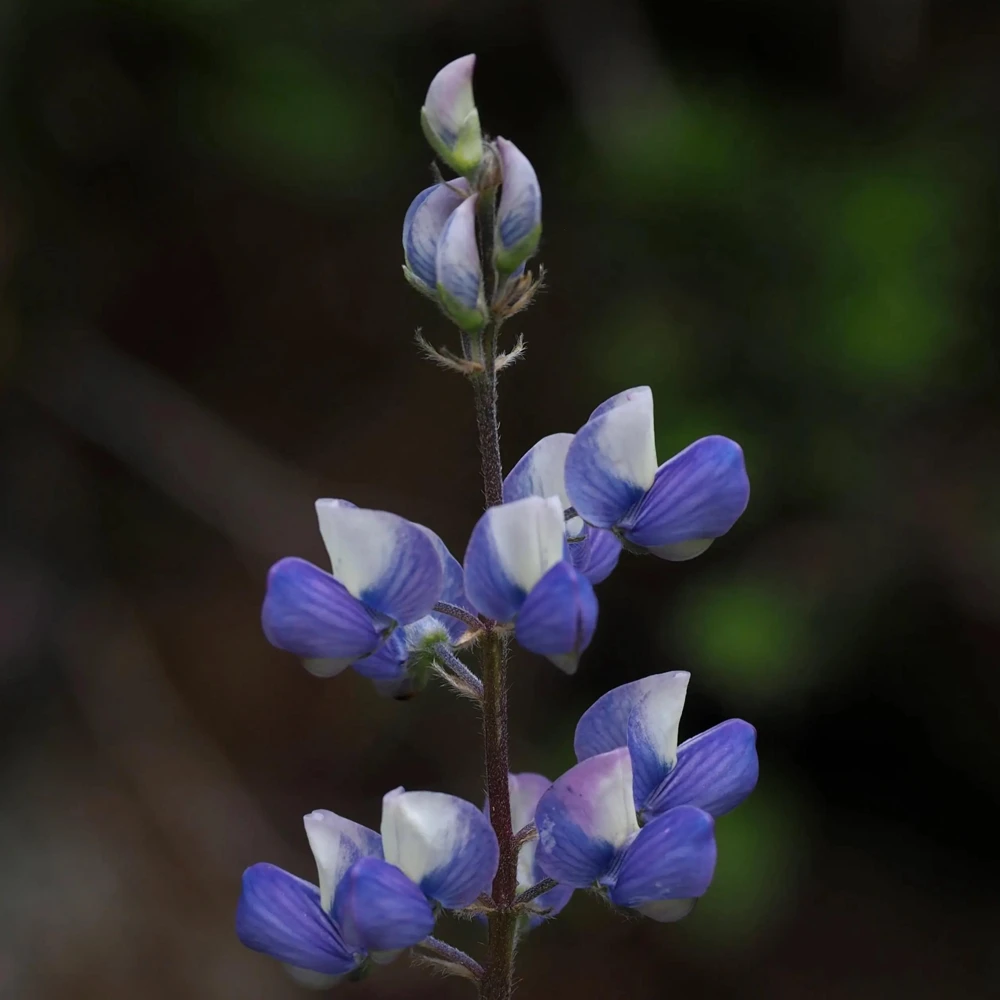
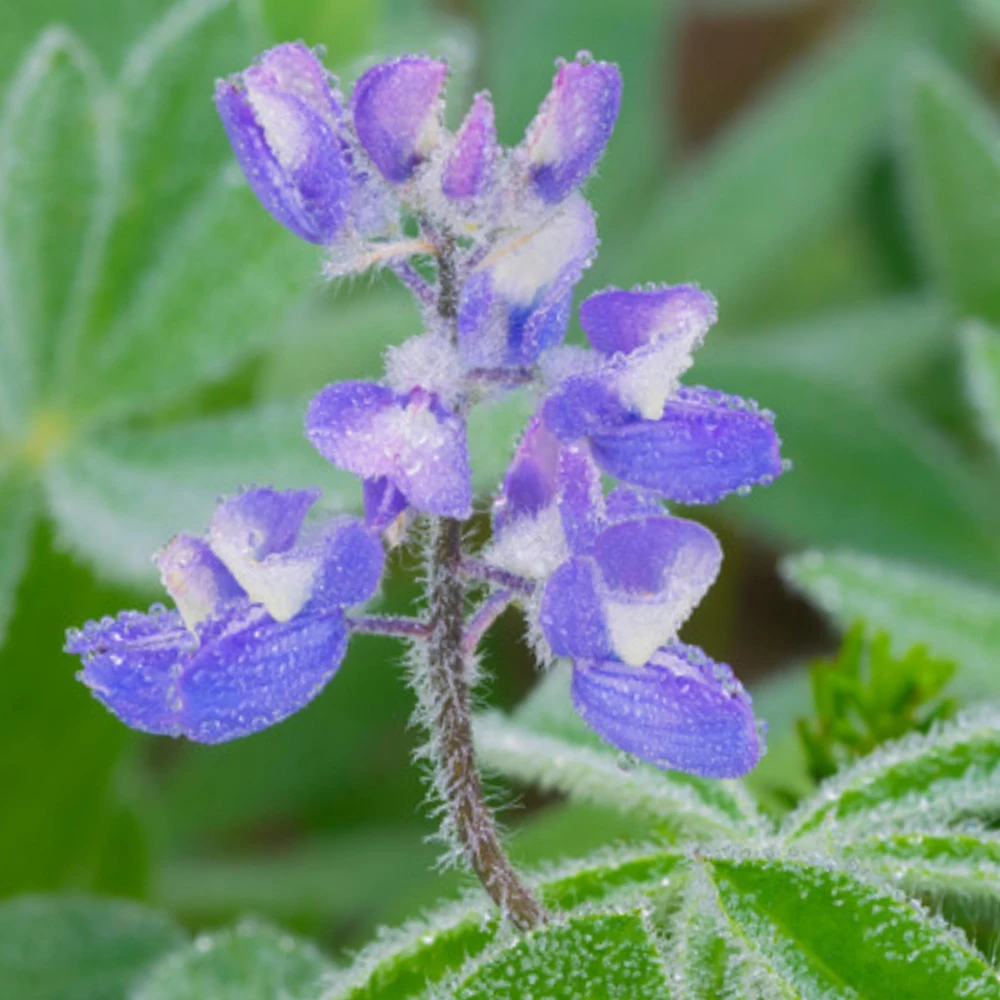
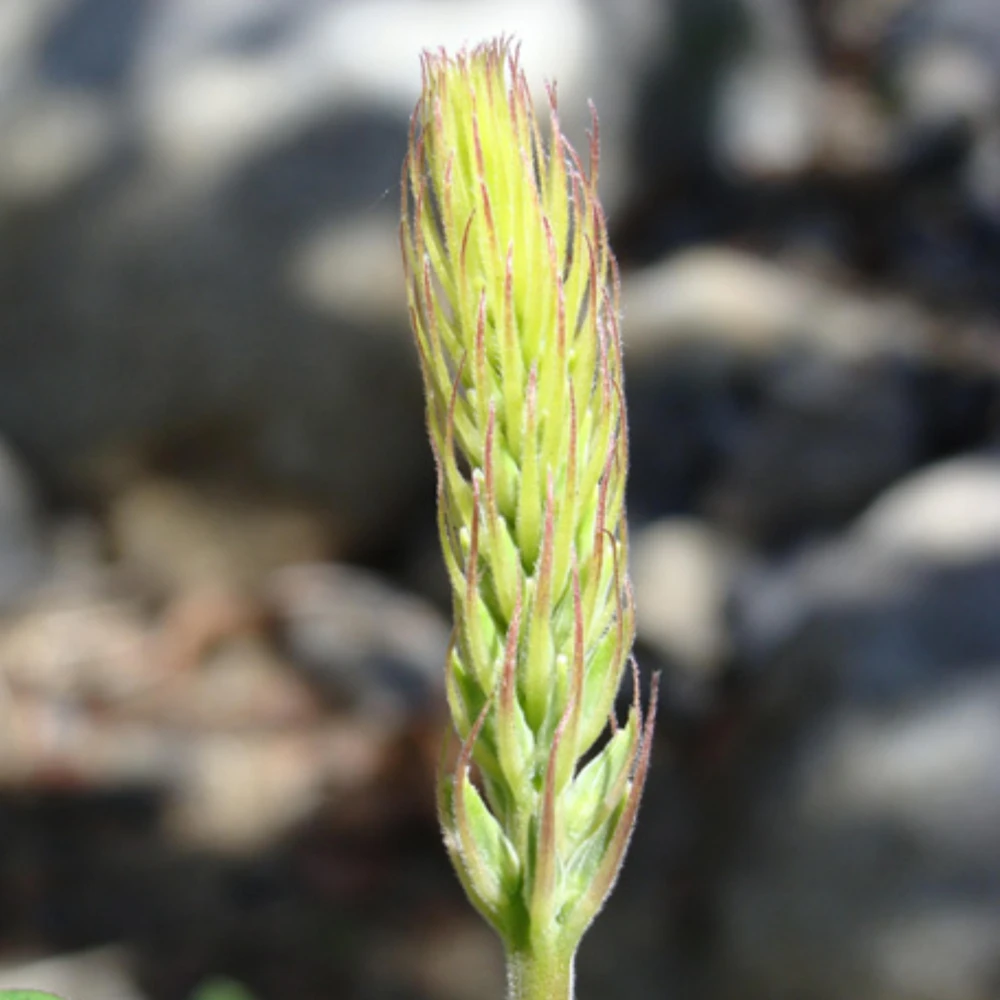
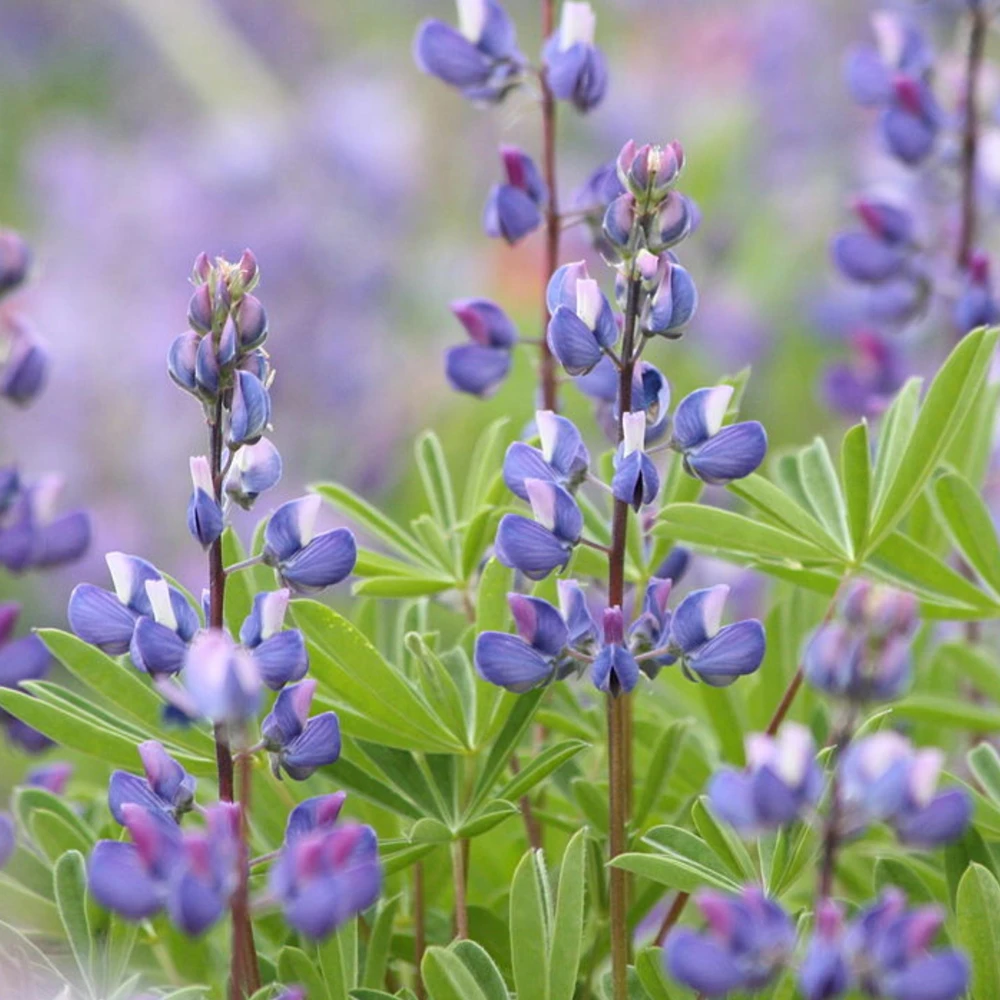
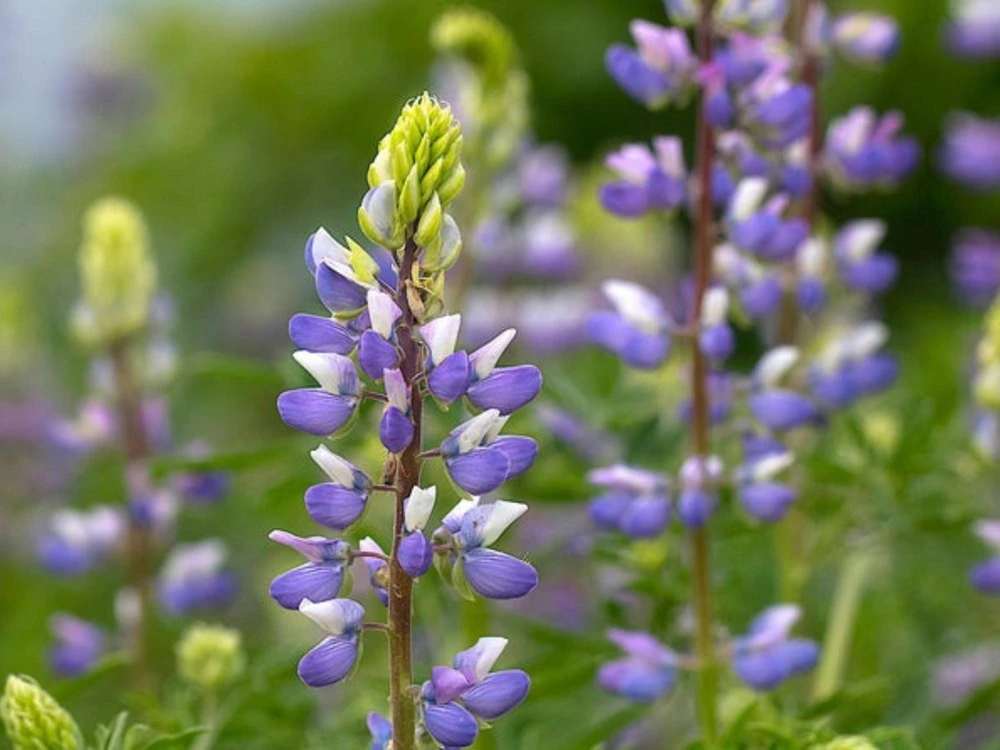
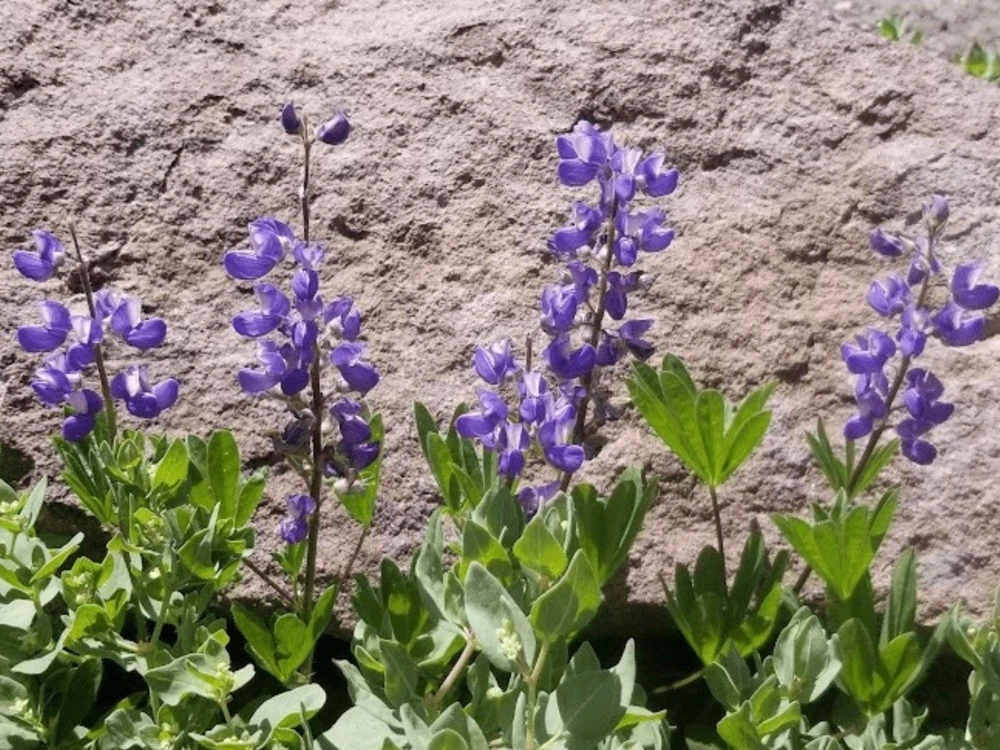
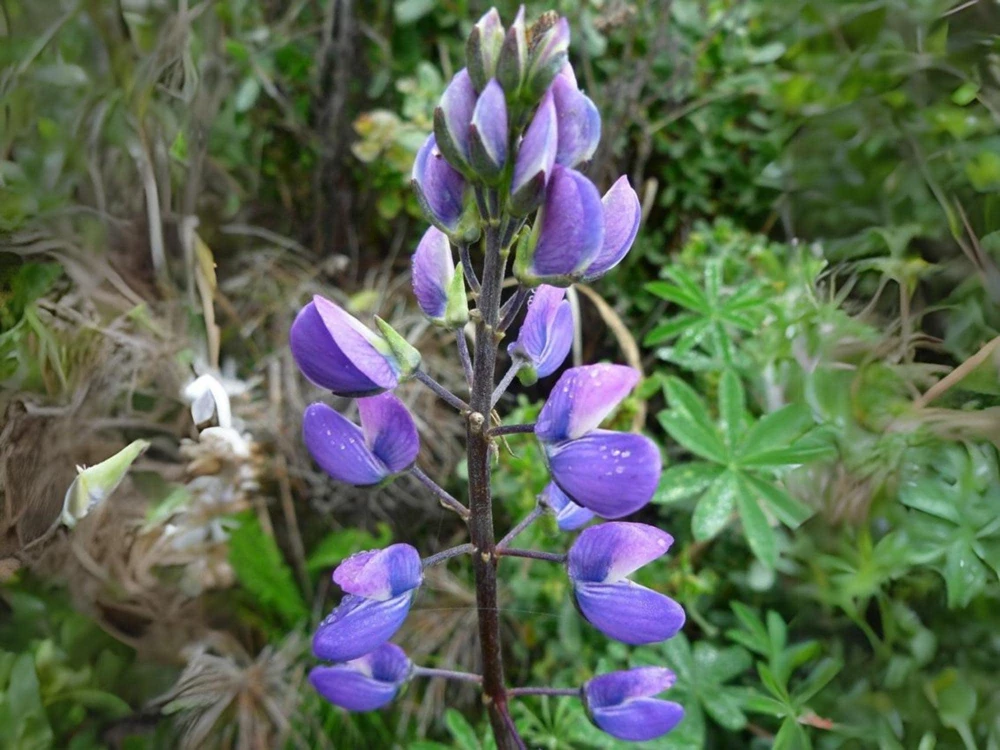
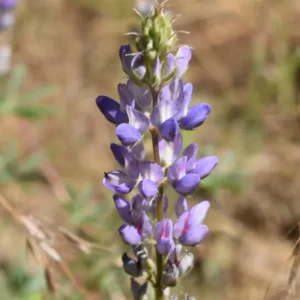
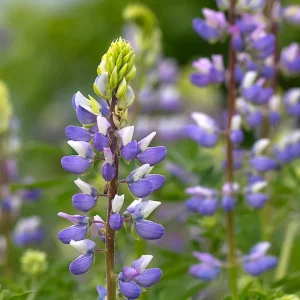
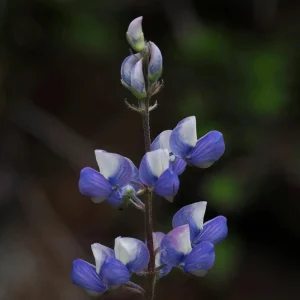
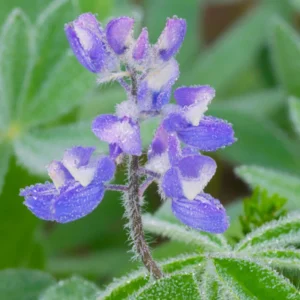
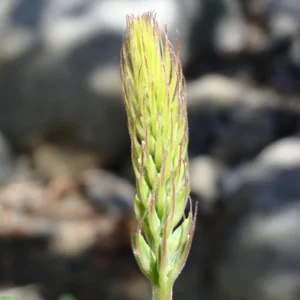
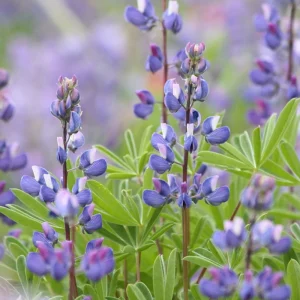
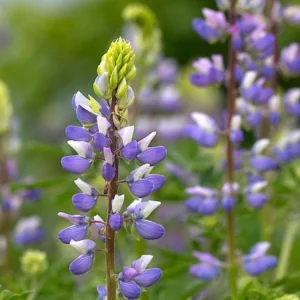
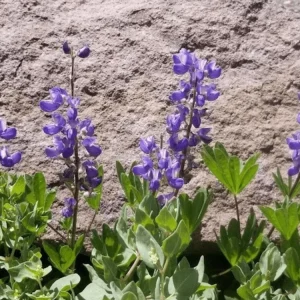
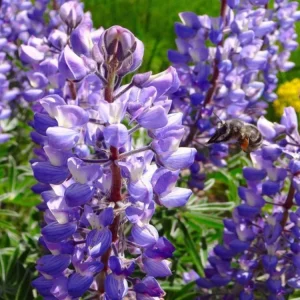
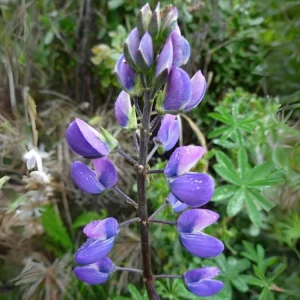
Embark on a rewarding gardening journey with our premium broadleaf lupine seeds. This pack contains 30 seeds of Lupinus latifolius, commonly known as Broadleaf Lupine, a magnificent native wildflower renowned for its tall, striking flower spikes. These perennial plants are a favorite among gardeners for their vibrant blue blooms that add dramatic vertical interest to any landscape. Ideal for creating a biodiverse and beautiful outdoor space, these seeds allow you to grow robust plants that contribute significantly to local ecosystems. Our lupinus latifolius seeds are carefully selected to ensure high germination rates, providing you with the best start for a thriving garden that will be admired by all. They are an excellent choice for those looking to introduce native flora to their garden, enhancing its natural beauty and ecological value.
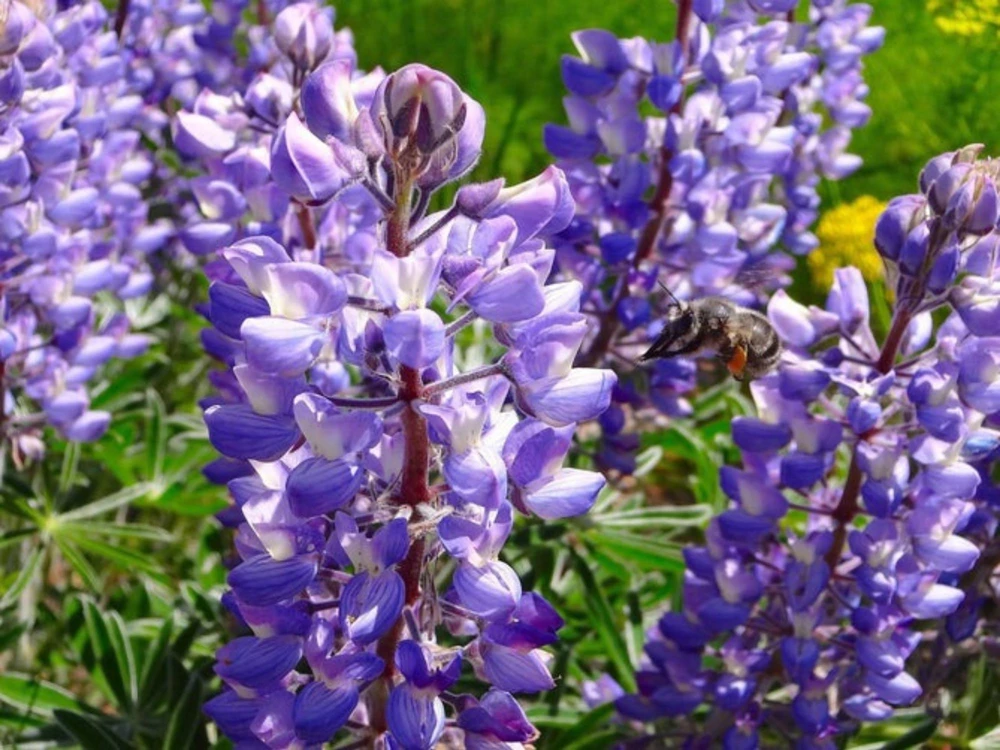
Broadleaf Lupine is not only aesthetically pleasing but also plays a crucial role in supporting local wildlife. These plants are known to be highly attractive to various pollinators, including bees and butterflies, making them an essential addition to any pollinator friendly garden. Growing these perennial lupine seeds from scratch allows you to witness the entire life cycle of this remarkable plant, from a tiny seed to a full-grown, blooming masterpiece. Whether you are an experienced gardener or just starting out, our detailed growing instructions will guide you through each step, ensuring a successful and enjoyable planting experience. Create a stunning display of color and life in your garden with these easy-to-grow, resilient wildflowers.
Key Benefits
Growing Broadleaf Lupine from seed offers a multitude of benefits for both your garden and the environment. These robust plants are an excellent choice for adding natural beauty and supporting local ecosystems. Investing in broadleaf lupine seeds is an investment in a vibrant and sustainable garden.
- Attracts Pollinators: Broadleaf Lupine is a magnet for bees, butterflies, and other beneficial insects, making it an essential component of any pollinator friendly garden. Their nectar-rich flowers provide a vital food source.
- Stunning Visual Appeal: Known for their impressive, towering flower spikes in shades of blue, these plants create a dramatic focal point in garden beds, borders, and naturalized areas, providing long-lasting color.
- Low Maintenance Perennial: Once established, these perennial lupine seeds grow into hardy plants that require minimal care. They are drought-tolerant and generally resistant to pests and diseases, thriving with little intervention.
- Enhances Soil Health: As members of the legume family, lupines fix nitrogen in the soil, naturally improving its fertility and benefiting surrounding plants without the need for chemical fertilizers.
- Native Wildflower: Growing native wildflower seeds helps preserve local biodiversity and supports the natural habitat of regional fauna, contributing to ecological balance and sustainability.
- Versatile Landscaping: Broadleaf Lupine is suitable for various garden styles, including cottage gardens, wildflower meadows, rock gardens, and naturalistic plantings, adapting well to different design schemes.
- Easy to Grow from Seed: With proper preparation, these lupinus latifolius seeds germinate reliably, offering an affordable and satisfying way to cultivate a large number of plants for your garden.
Plant Care & Growing Tips
Cultivating broadleaf lupine seeds is a rewarding experience, leading to beautiful blooms that enhance any garden. Proper preparation and care are key to successful germination and robust plant growth. To begin, lupine seeds have a hard outer coating that benefits from scarification and soaking. Soak seeds in warm water for 12–24 hours, or lightly scarify the seed coat with sandpaper to improve germination rates. This step is crucial for breaking dormancy and encouraging the seeds to sprout effectively. Once prepared, sow the seeds about 1/4 inch deep in a well-draining seed-starting mix, ensuring the soil remains consistently moist but not waterlogged. Maintain a temperature of 60–70°F (16–21°C) for optimal germination, which typically occurs within 10–30 days.
Once seedlings emerge, provide them with bright light to prevent them from becoming leggy. When the seedlings have developed several true leaves and the danger of frost has passed, they are ready for transplanting outdoors. Due to their long taproots, lupines prefer minimal disturbance during transplanting; direct sowing outdoors in deep containers is often preferred for these perennial lupine seeds. For outdoor growing, choose a location with full sun to partial shade, where the plants can receive at least 6 hours of direct sunlight daily. The soil should be well-draining and moderately fertile. Water regularly during establishment, then reduce frequency, allowing the soil to dry slightly between waterings. These native wildflower seeds will thrive in suitable conditions, providing a stunning display.
Lupines generally bloom from late spring to summer. Deadheading spent flower spikes can encourage further blooming and maintain a tidy appearance. In colder climates, many perennial varieties can overwinter successfully. Apply a light layer of mulch around the base of the plants after the ground freezes to provide insulation. With these care tips, your lupinus latifolius seeds will flourish, transforming your garden into a vibrant haven for pollinators. Remember, creating a pollinator friendly garden starts with thoughtful plant selection and attentive care, ensuring these beautiful flowers return year after year.
Size & Details
This product includes one full pack containing 30 broadleaf lupine seeds (Lupinus latifolius). When mature, Broadleaf Lupine plants typically grow to a height of 2 to 4 feet (60-120 cm) with a spread of 1 to 2 feet (30-60 cm), depending on growing conditions and variety. The impressive flower spikes can reach up to 12-18 inches in length, adding significant vertical interest to your garden. These perennial lupine seeds will develop into robust plants that bloom in late spring to summer, offering a spectacular display of blue flowers. The seeds are suitable for planting in a range of USDA hardiness zones, generally thriving in zones 4-8, where they can establish themselves as long-lasting garden residents. Expect germination within 10-30 days under ideal conditions, with flowering typically occurring in the second year after planting from seed. Each seed is non-GMO, ensuring a natural and healthy growth process for your garden.
Frequently Asked Questions
- Q: How many broadleaf lupine seeds are included in this pack? A: Each pack contains 30 high-quality broadleaf lupine seeds, providing a generous quantity to start your garden or expand existing plantings.
- Q: What is the ideal time to plant these lupinus latifolius seeds? A: The best time to plant lupinus latifolius seeds is in early spring after the last frost, or in late fall for germination the following spring.
- Q: How tall do Broadleaf Lupine plants typically grow? A: Broadleaf Lupine plants generally reach a mature height of 2 to 4 feet, with their flower spikes adding an impressive vertical element to your garden.
- Q: Are these native wildflower seeds suitable for attracting pollinators? A: Yes, these native wildflower seeds are excellent for attracting a variety of pollinators, including bees and butterflies, making them perfect for a pollinator friendly garden.
- Q: What kind of sunlight do these perennial lupine seeds require? A: Broadleaf Lupines thrive in full sun to partial shade, ideally receiving at least 6 hours of direct sunlight per day for optimal blooming.
- Q: Is Broadleaf Lupine considered a low-maintenance plant? A: Once established, Broadleaf Lupine is relatively low-maintenance, requiring well-draining soil and regular watering during dry periods, making it an excellent choice for busy gardeners.
- Q: What type of soil is best for growing Broadleaf Lupine? A: These plants prefer well-draining, moderately fertile soil. Avoid heavy clay soils that retain too much moisture, as this can lead to root rot.
- Q: How long does it take for these seeds to germinate? A: With proper preparation (scarification and soaking), germination usually takes about 10–30 days, depending on environmental conditions.
- Q: Can these plants survive winter in colder climates? A: Many varieties of perennial Lupinus, including Broadleaf Lupine, are hardy in USDA zones 4-8 and can survive winter with a light layer of mulch in colder areas.
- Q: Are these seeds non-GMO? A: Yes, all our broadleaf lupine seeds are authentic and non-GMO, ensuring you grow natural and healthy plants in your garden.


Reviews
There are no reviews yet.